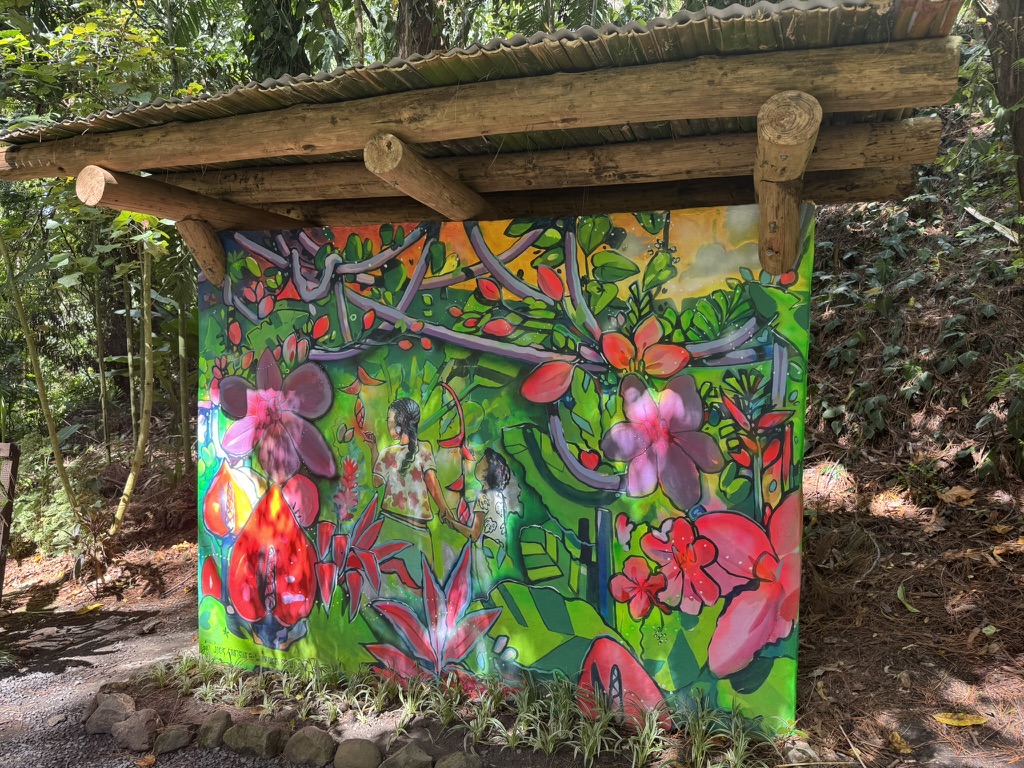
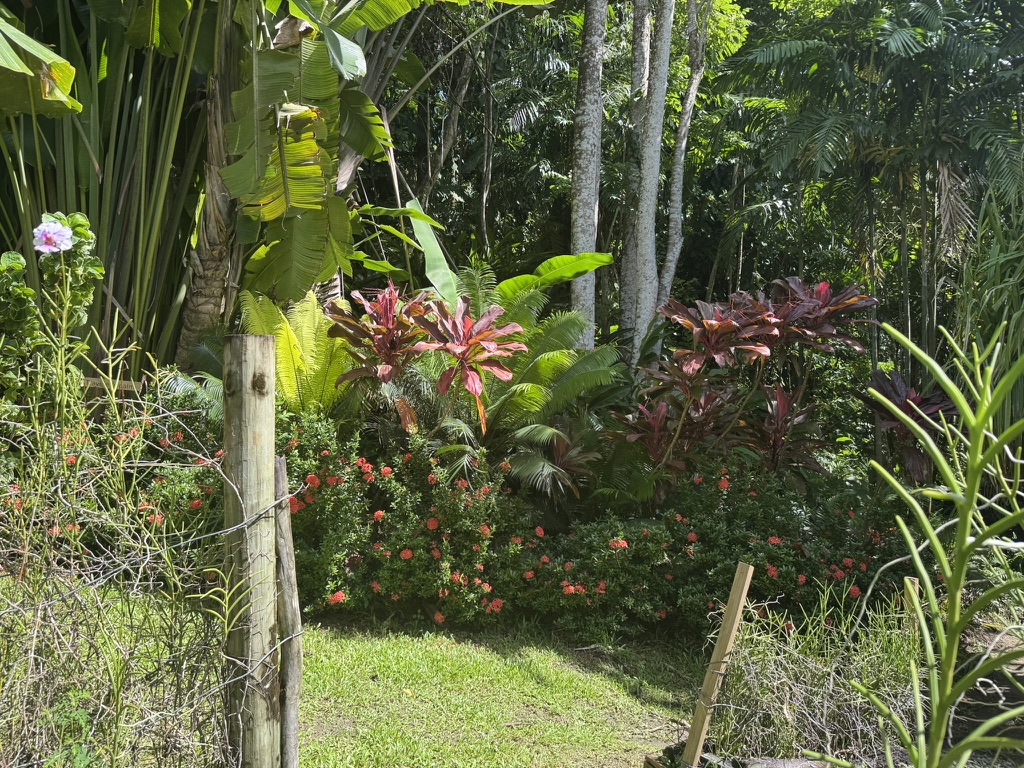
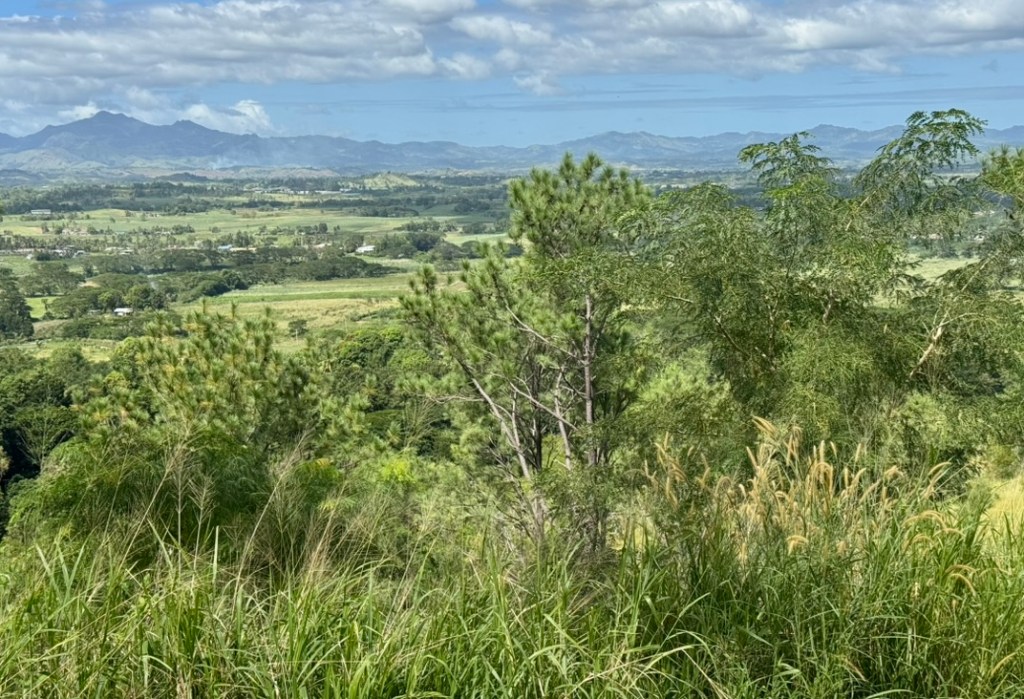
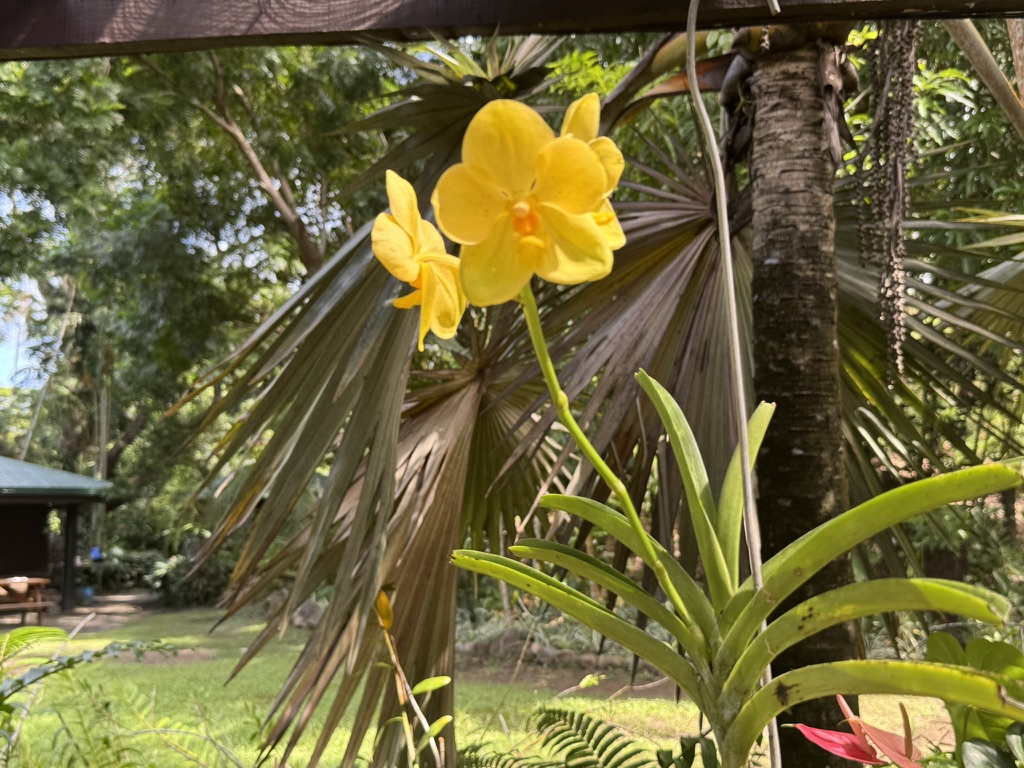
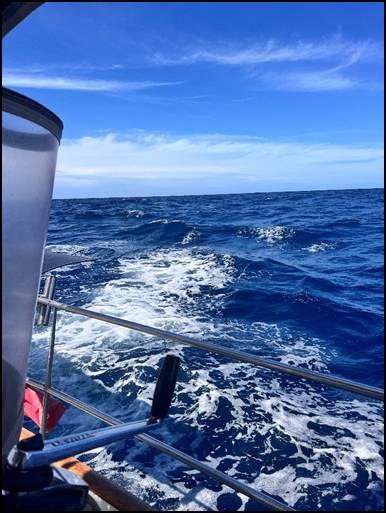
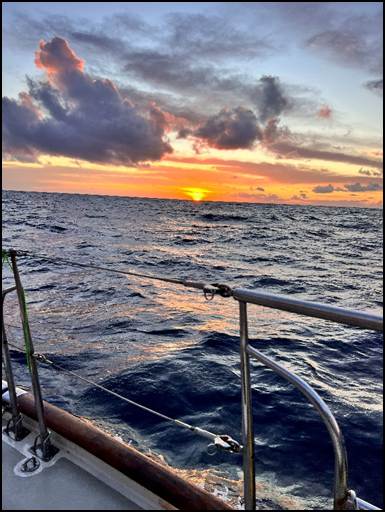
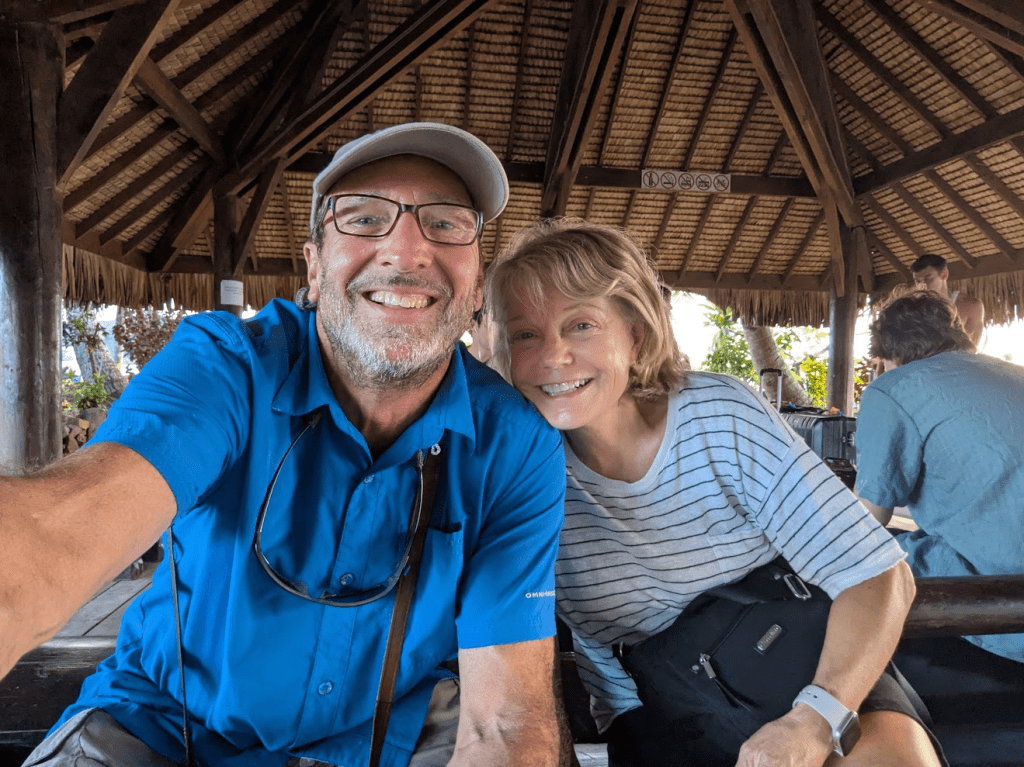
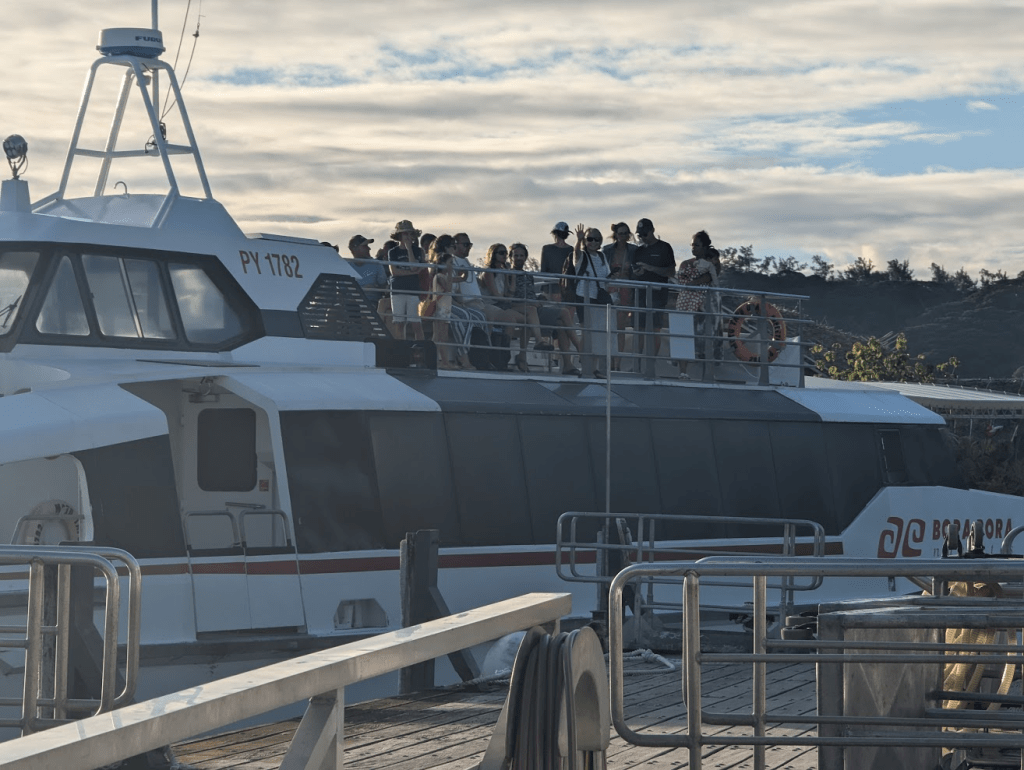
While Tracy was sailing Quid Sea from New Zealand to Fiji, I flew into Nadi, Fiji, and had about 10 days on my own. I departed New Zealand on May 4th by plane, the same day Tracy departed by boat.
Learning about Fiji:
Geography and Nature
Hundreds of Islands: Fiji has 333 islands, but only about 110 have people living on them.
Time Travel on Land: The 180-degree meridian (International Date Line) runs right through Taveuni Island, meaning you can stand with one foot in yesterday and one foot in today.
Soft Coral Capital: Fiji is famous for its vibrant underwater reefs and is called the soft coral capital of the world.
Culture and Traditions
Three Official Languages: People in Fiji speak English, Fijian, and Fijian Hindi.
No Hats in Villages: Village custom says that visitors cannot wear hats or sunglasses; only the village chief has that right.
The National Drink: Kava—made from the ground root of a pepper plant mixed with water—is a traditional ceremonial drink that gives a relaxed feeling.
Earthy Feasts: Traditional food is cooked in a lovo, which is an underground earth oven lined with hot stones and covered in leaves.
Flower Meanings: Wearing a flower behind your left ear means you are single, while the right ear means you are taken.
History and Sports
Cannibal Past: Old colonial records note that Fiji was once feared as the “Cannibal Isles,” a practice that ended in the late 19th century.
Rugby Obsession: Rugby is the top sport, and Fiji produces more professional players per capita than almost anywhere else, excelling especially in rugby sevens.
My Airbnb recommended a driver who could pick me up from the Nadi Airport. His name was Ron and he also gave me a tour around Nadi.
Nadi pronounced as Nandi, is the third-largest city in Fiji after Suva and Lautoka. It is located on the western side of the main island of Viti Levu and had a population of 59,707 at the most recent census, in 2017. Nadi is multiracial with many of its inhabitants Asians, Indian, Indigenous Fijians, along with a large transient population of foreign tourists. Sugar cane production and tourism is a mainstay of the local economy.
Nadi International Airport is located 5.6 miles from Nadi, and is the largest airport in Fiji. Thus, Nadi is the principal port of entry for air travelers to Fiji, even though it is on the opposite (western) side of the island of Viti Levu from the nation’s capital and largest city, Suva.
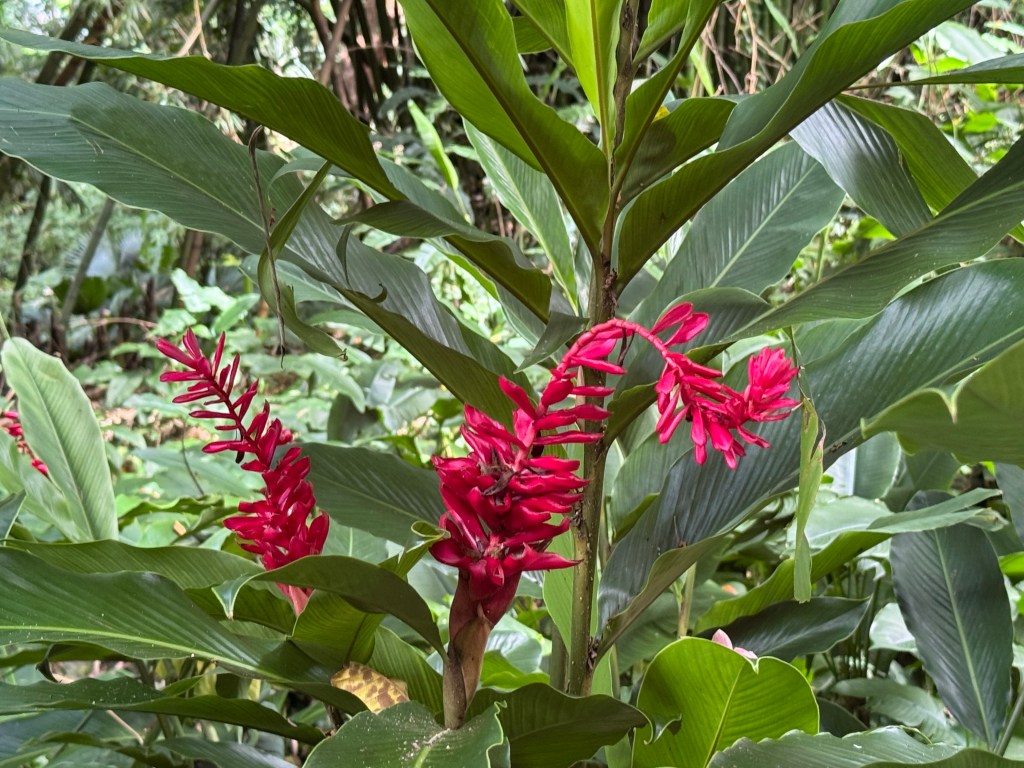
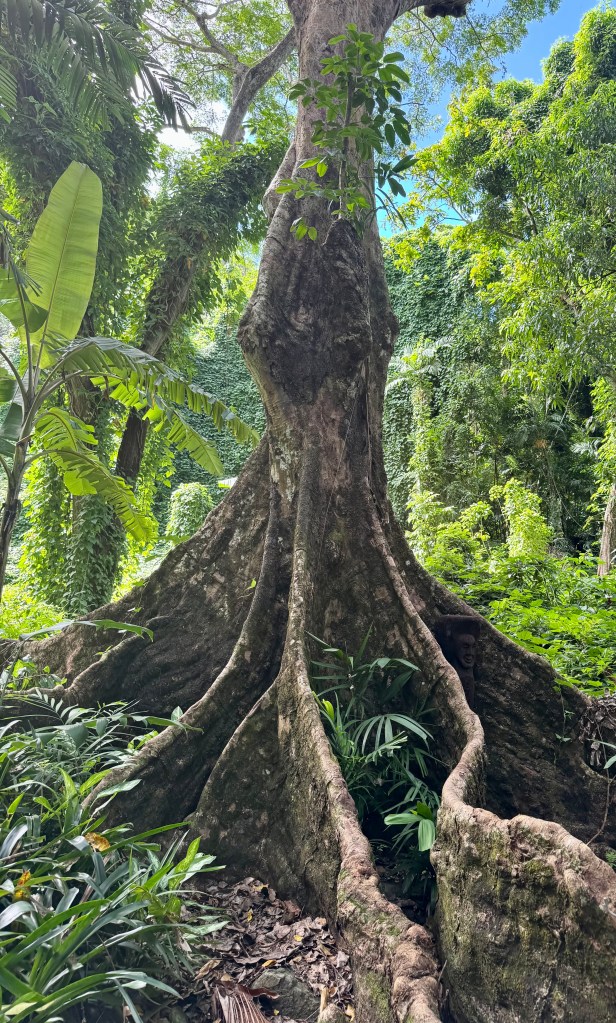
Our tour started by visiting the Gardens of the Sleeping Giant. It is nestled at the foot of the Sabeto Range near Nadi and covers a 20-hectare botanical paradise originally curated by Hollywood actor Raymon Burr. Showcasing over a thousand varieties of orchids over the course of year, including native flora, the garden invites you to explore lush jungle walkways, tranquil lily ponds and immersive feature gardens.
Picture depicting the ‘Sleeping Giant’ that I snagged off the internet. The giant’s head is at the top and towards the middle of the photo.The 6 photos above are from the Garden of the Sleeping Giant
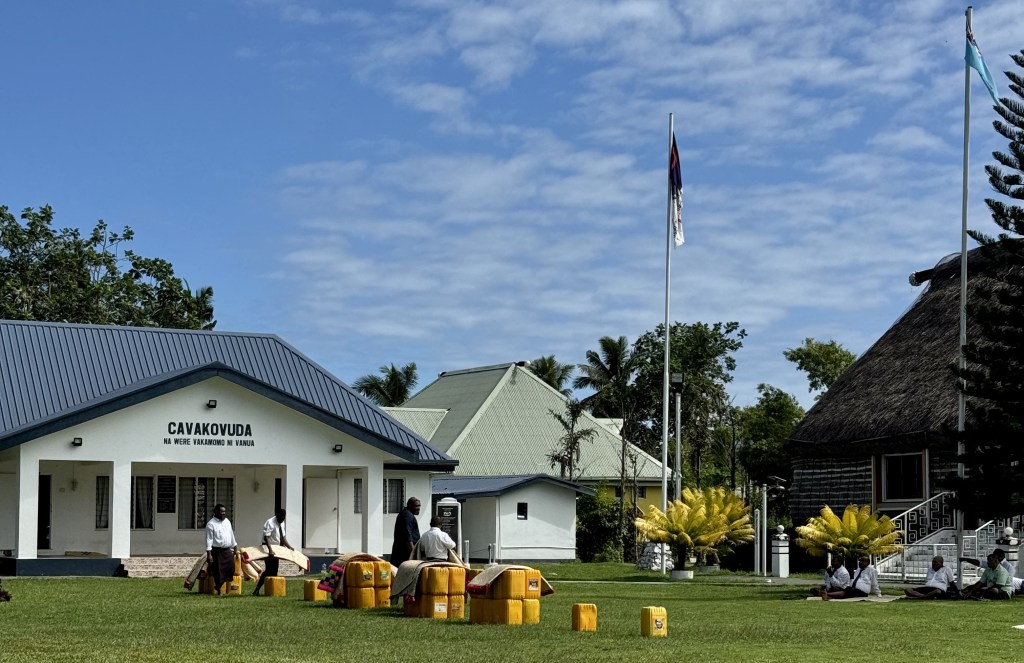
Next, we visited the Veiseisei Village, (also known as First Village). It holds a significant place in the country’s history as the site of Fiji’s first recorded landing by its indigenous people. This is the first place where the ancestors of the Fijian people are believed to have arrived from the Polynesian region. Because of this,Veiseisei holds deep cultural importance for the people of Fiji.
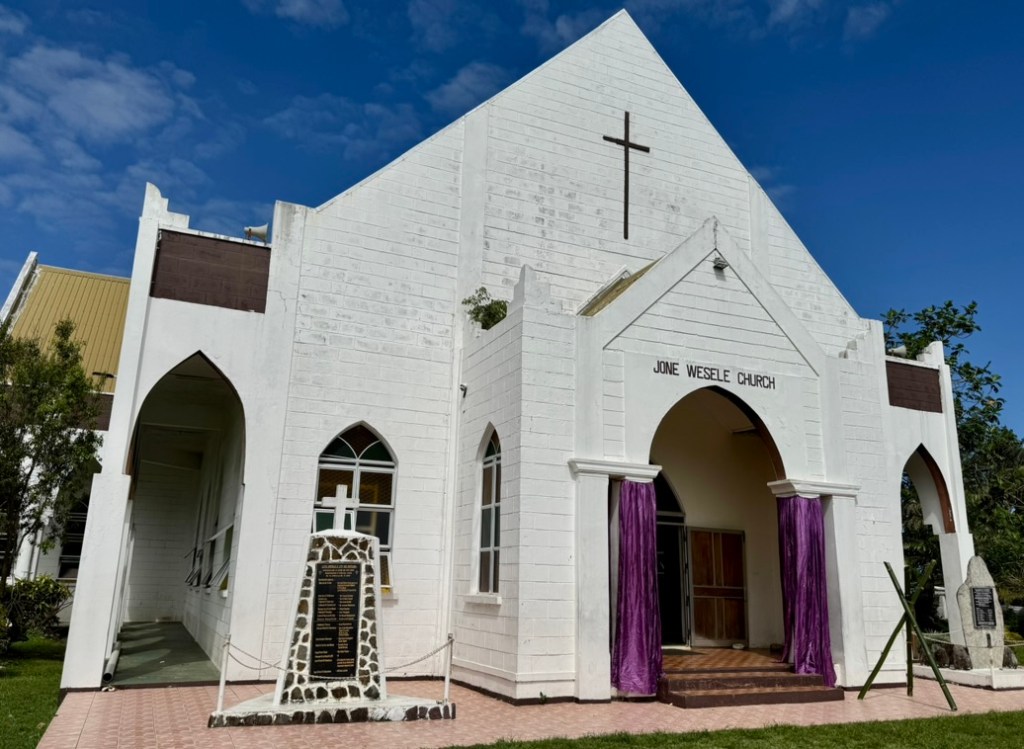
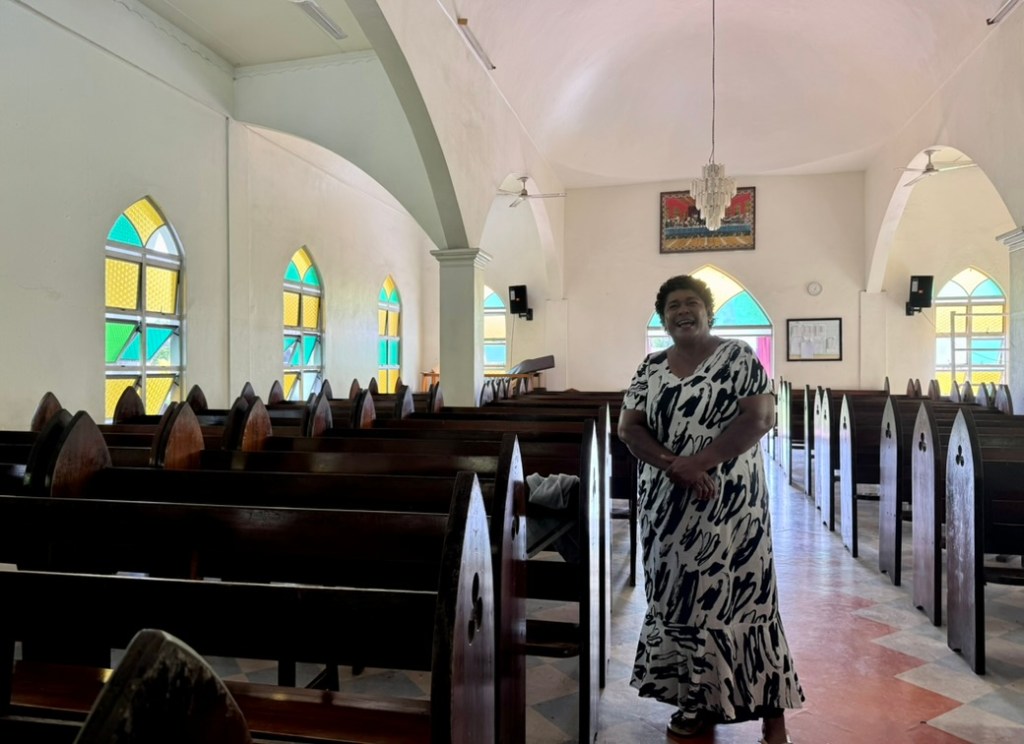
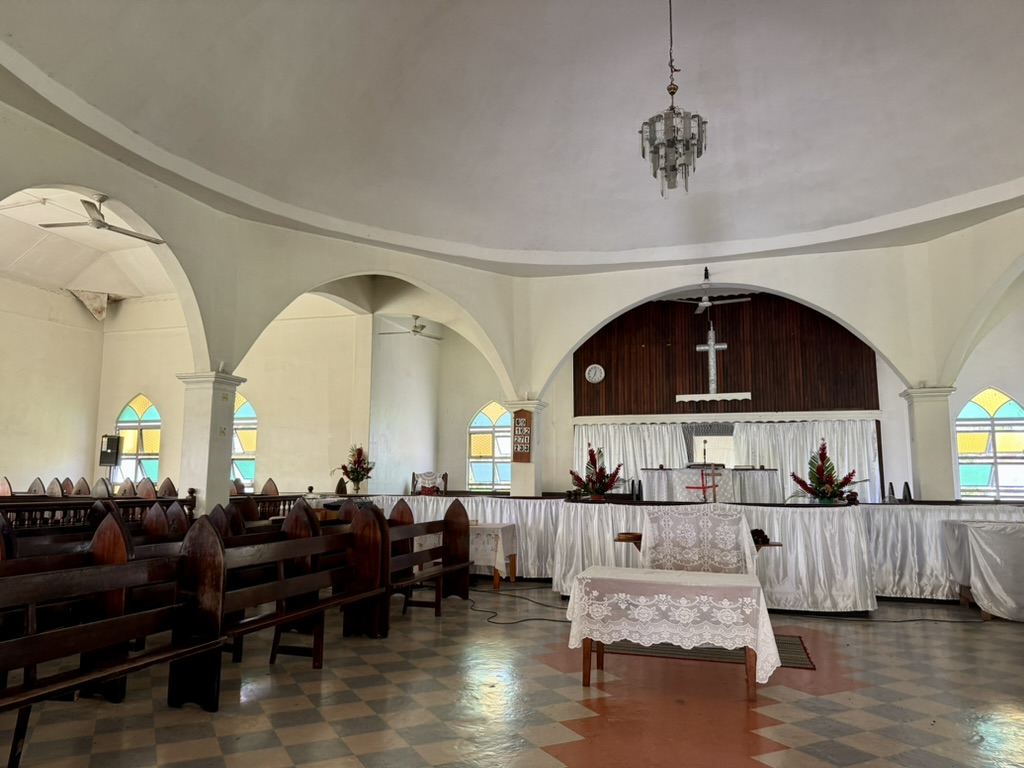
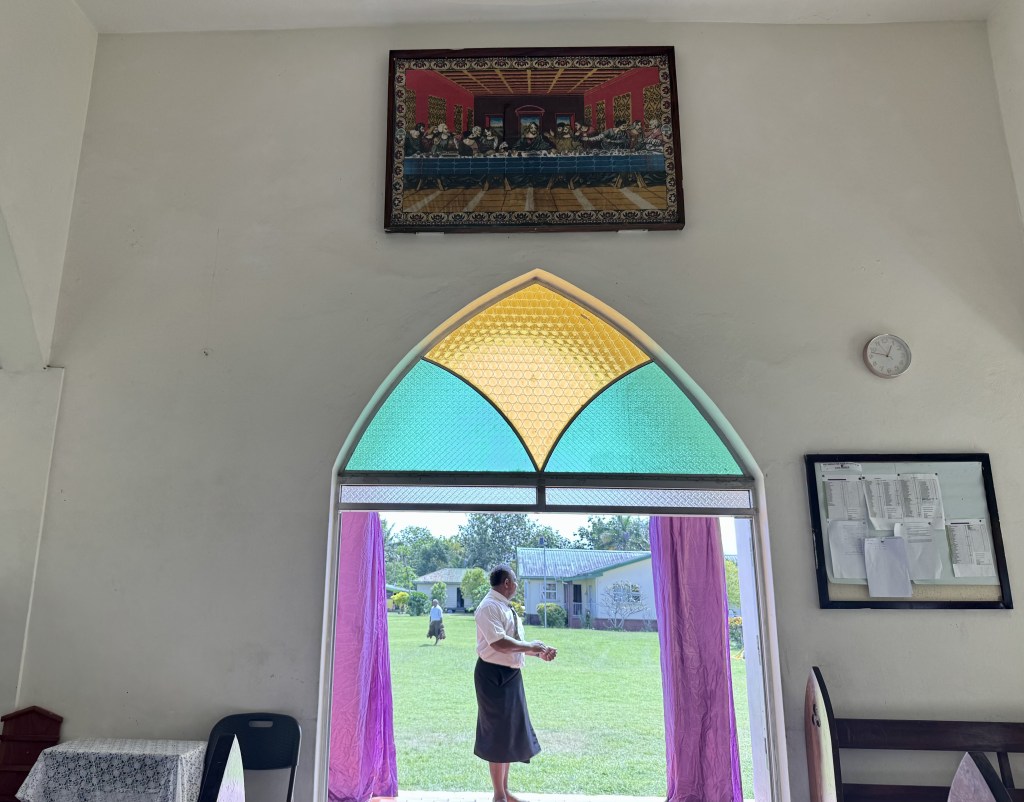
Upon arriving I was provided with a sarong to cover my knees as we toured the village. Gina was my guide who walked me through the village. We toured an historic church named “Jone Wesele” which is the Fijian transliteration for John Wesley, the founder of Methodism. It marks the historical roots of when the first Methodist (Wesleyan) missionaries arrived in Fiji around 1835.
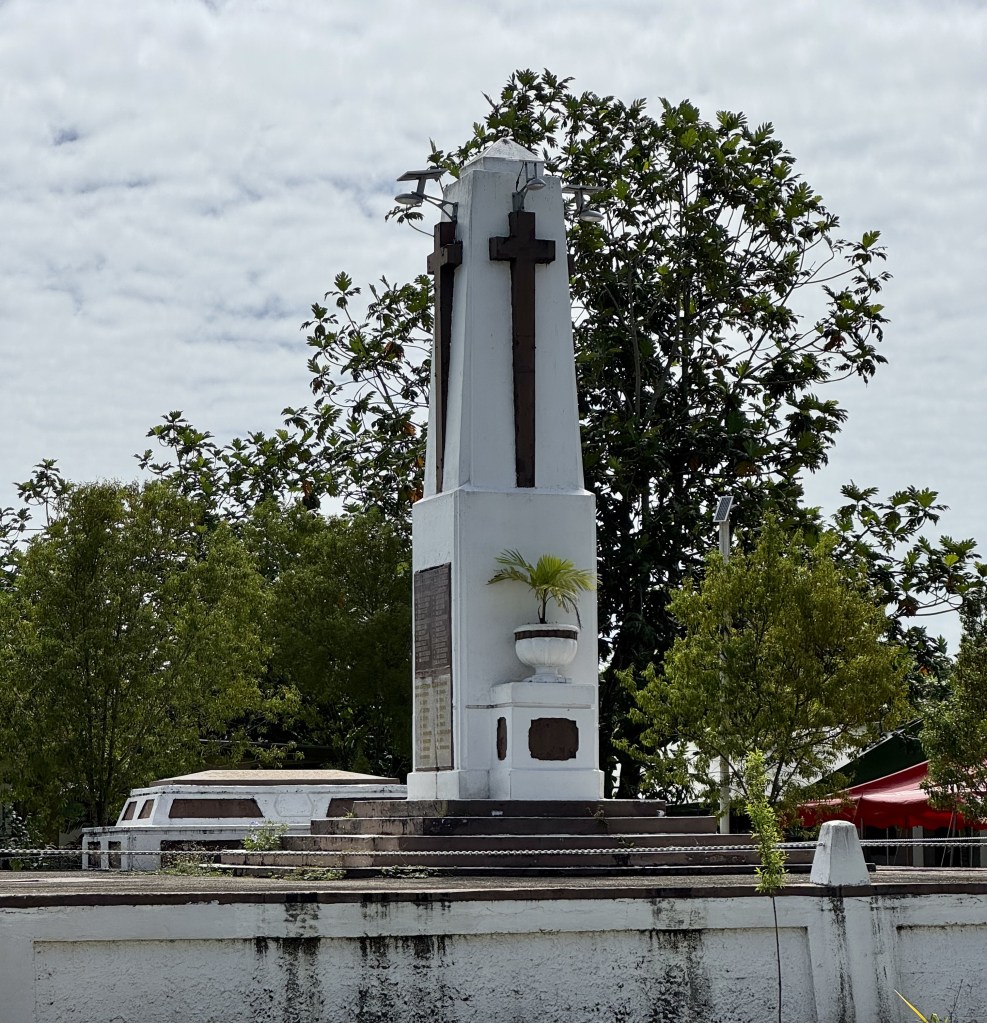
My tour guide Gina.The four pictures above are from the Jone Wesele church.This building is similar to a town hall or community Center. Outside they are preparing for a ceremony of a villager who passed away. This is the settlers memorial of the First Village known as Viseisei.
Next, we went to a small resort called First Landing located near Vuda Marina where Quid Sea will be arriving soon.
FIRST Landing Resort and Villas have a history of its own. Its first guest arrived here 3500 years ago, and they liked the place so much they stayed — that is according to local legends.
The first iTaukei people arrived on the very beaches of Nailamu before moving to all parts of Fiji. It’s a history that is told to many a guest who arrive from far and wide for a vacation.
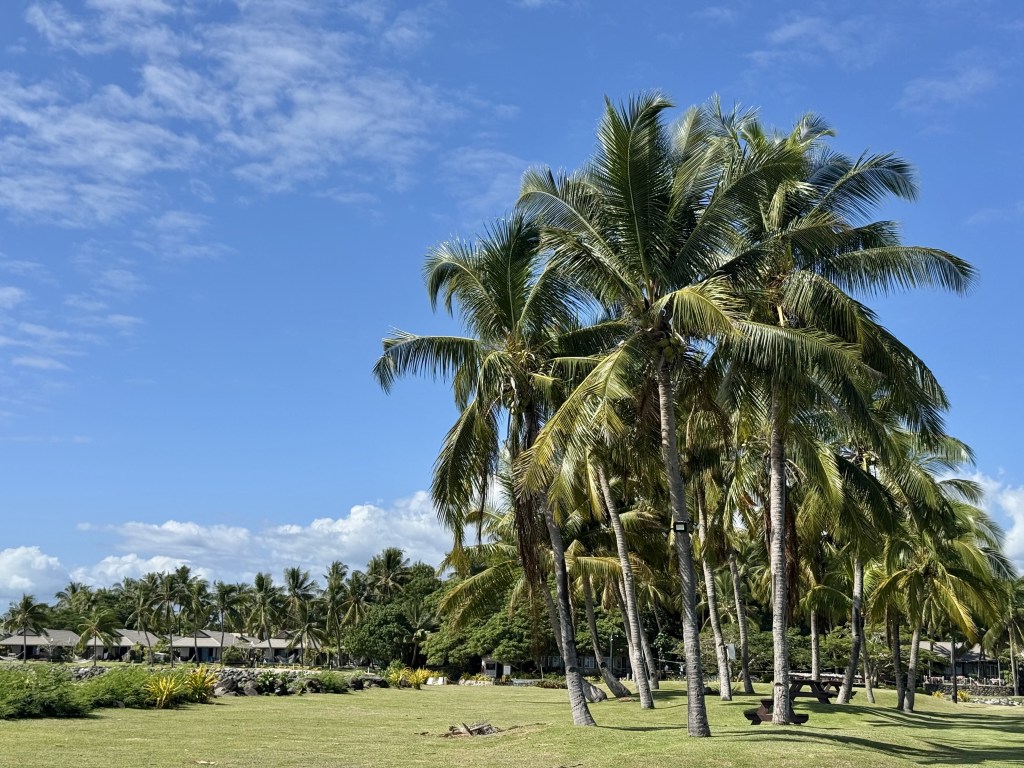
This is the First Landing Point. Locals and tourists now use it as a picnic area and it can also be reserved for weddings or other celebrations.
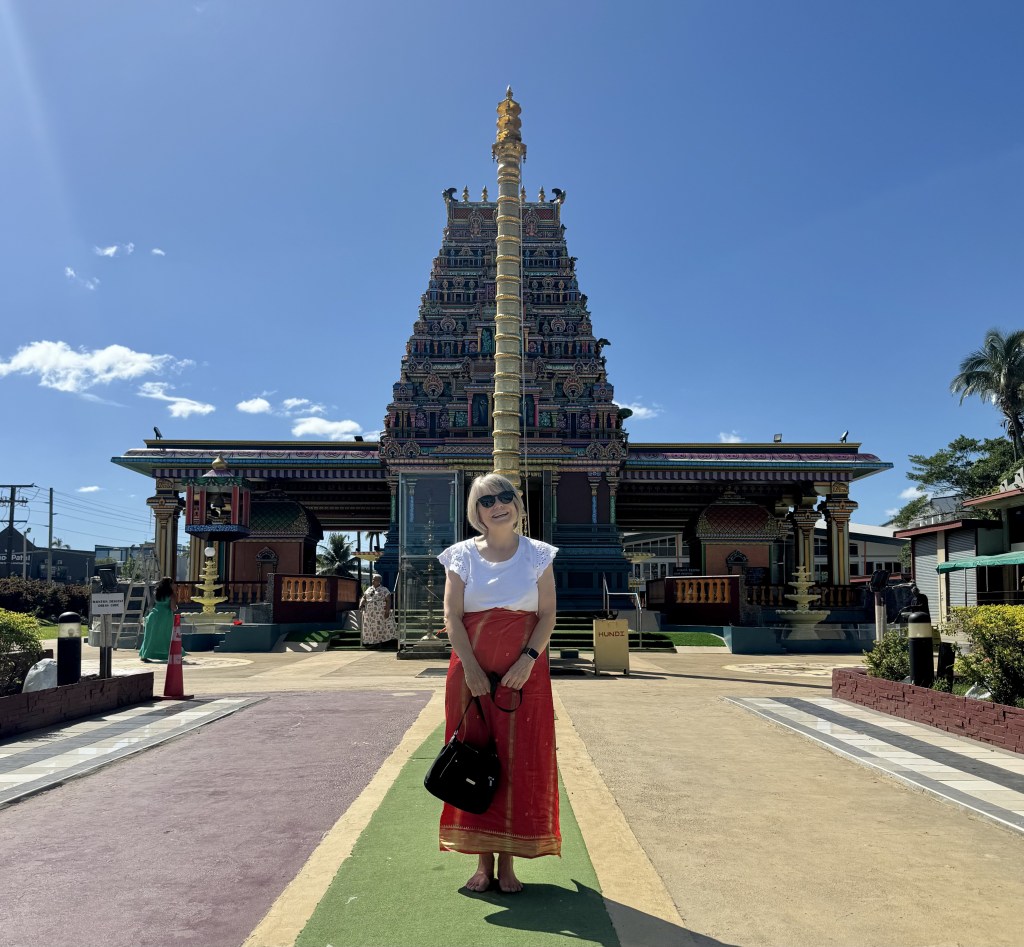
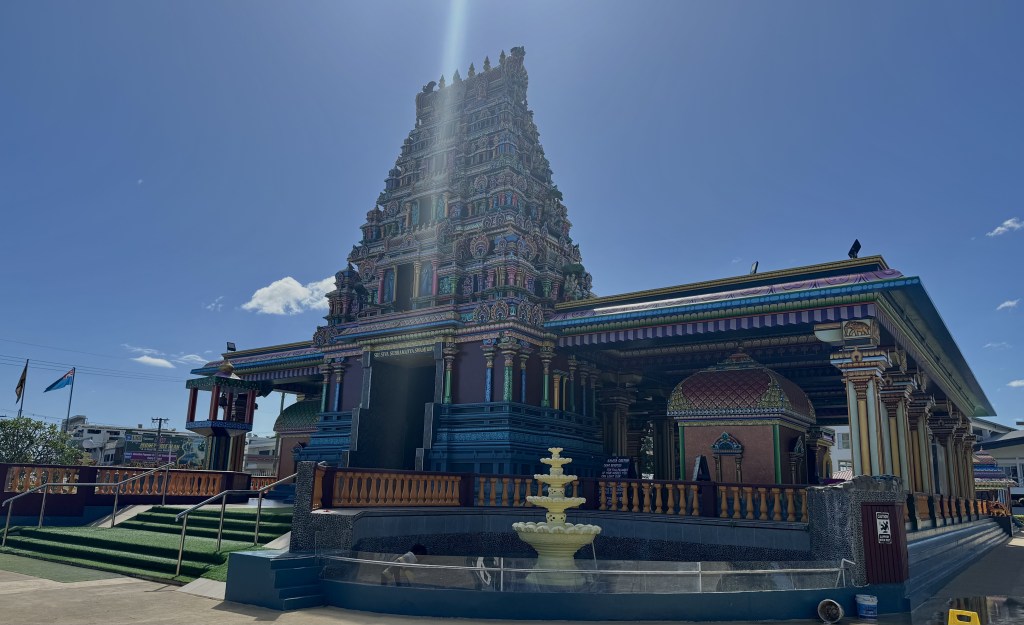
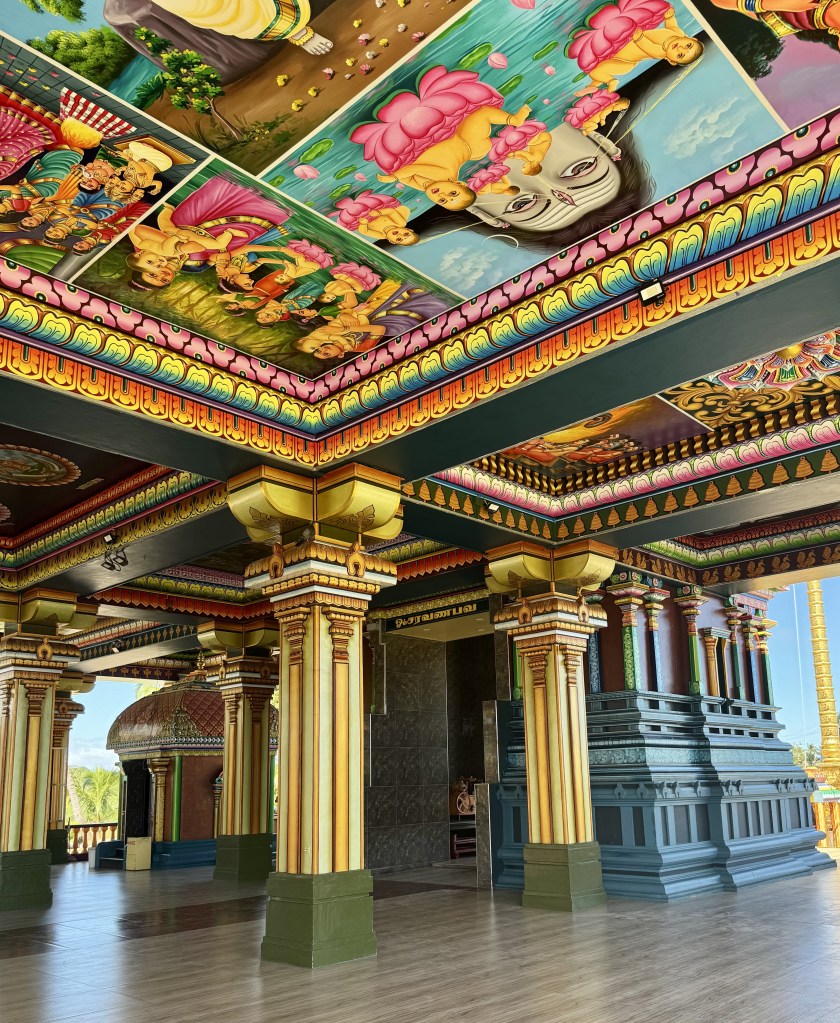
Last, we visited the Sri Siva Subramaniya Hindu Temple, a magnificent monument in Nadi city. Set on the edge of the Nadi River, the temple is the largest of its kind in the Southern Hemisphere.
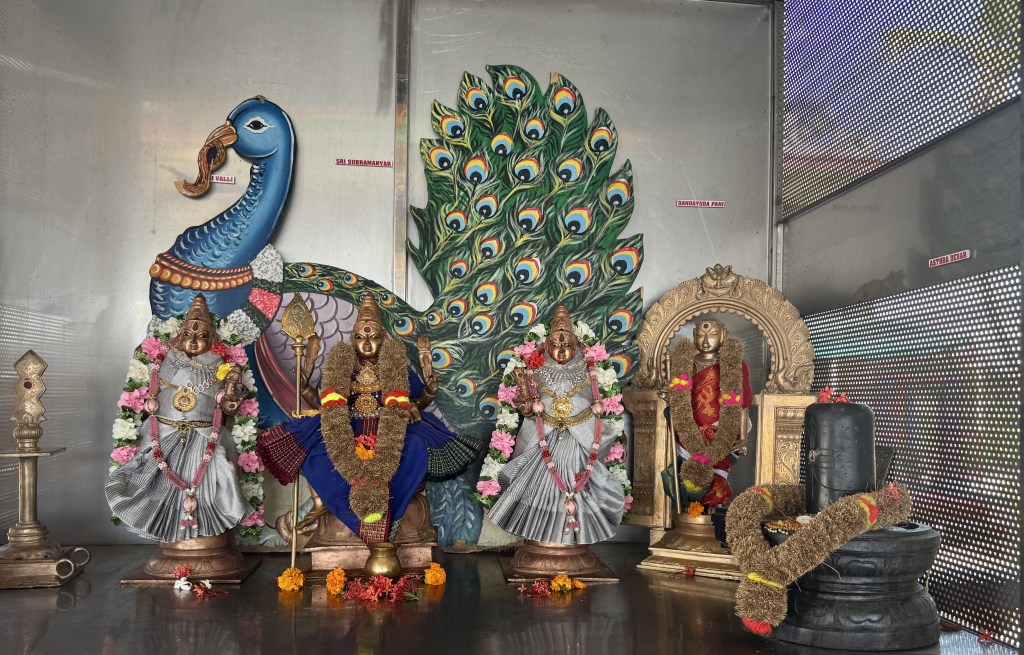
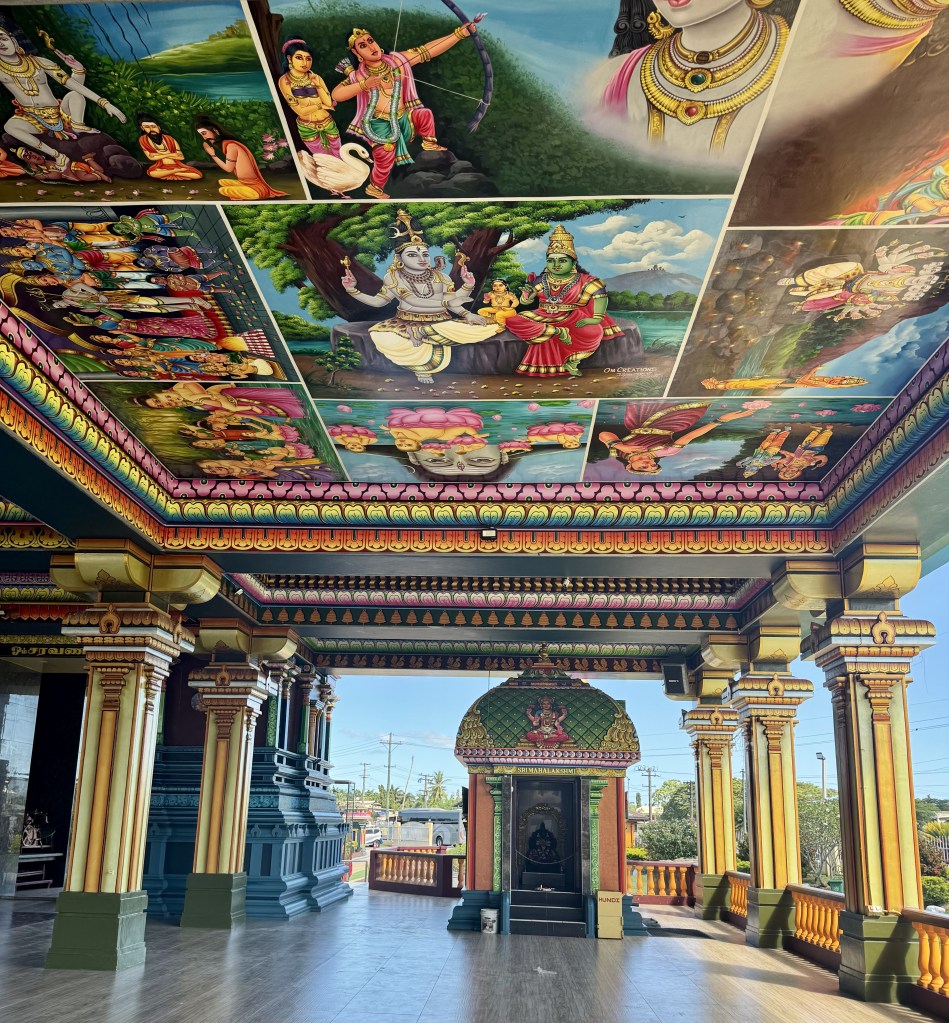
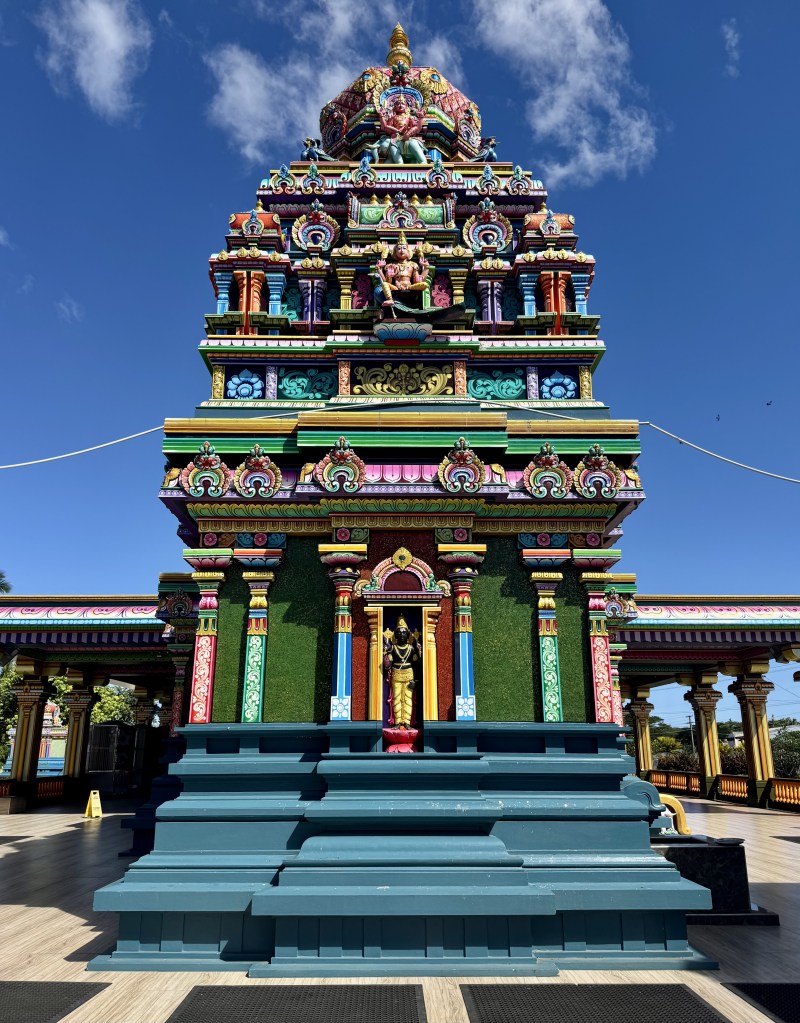
The towering temple’s ornate carvings are depictions of Hindu gods and traditional Dravidian stylings. Sri Siva Subramaniya is dedicated to Lord Murugan, the god of seasonal rains.
The six photos above are from the Hindu Temple.
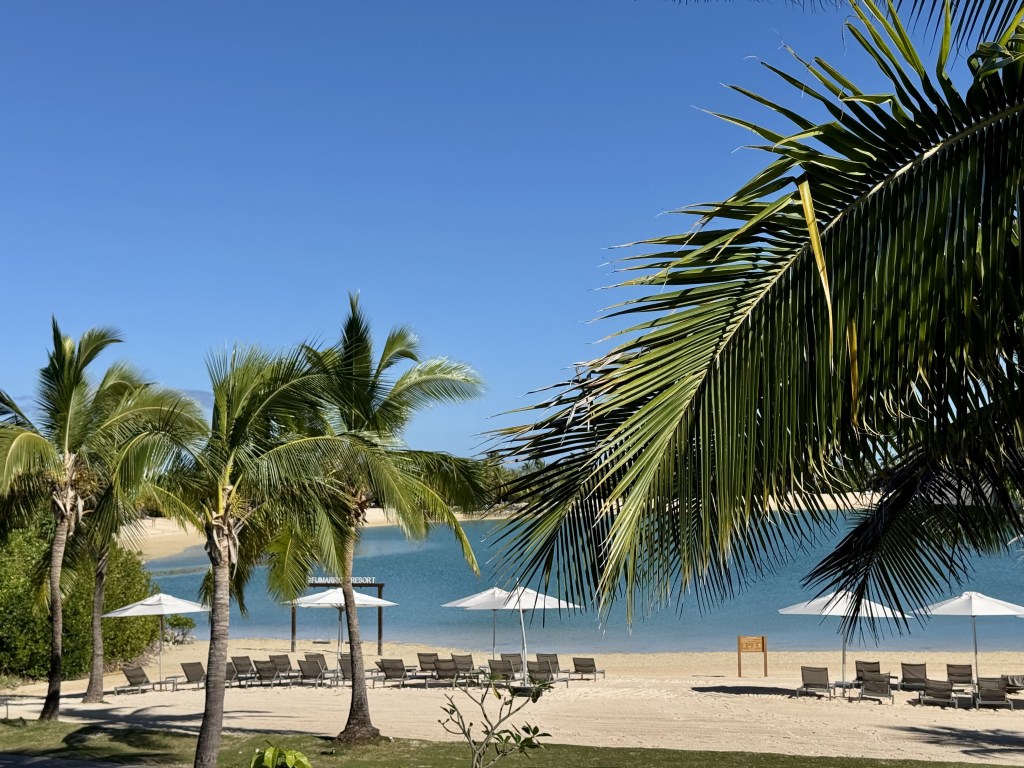
After Nadi, I met my friend Barbara at the Marriott Resort in Momi Bay on May 10th. The resort was phenomenal and I appreciated the wonderful amenities and beautiful suites, knowing I would be moving on to the boat in a few days.
Barbara’s husband Erik and son Ethan are on board Quid Sea as part of the crew sailing to Fiji. They flew to New Zealand and spent about 4 days there before starting their sailing adventure. They all arrived in the Vuda Marina May 13th.
This is a video taken by another cruiser as Quid Sea and crew arrived at the Vuda Marina. The marina staff do this for every new boat that comes through for the first time. This is where boats and crew are checked in for customs, immigration and bio security.
After completing the check in and securing the boat, Tracy, Erik and Ethan joined Barbara and me at the resort.
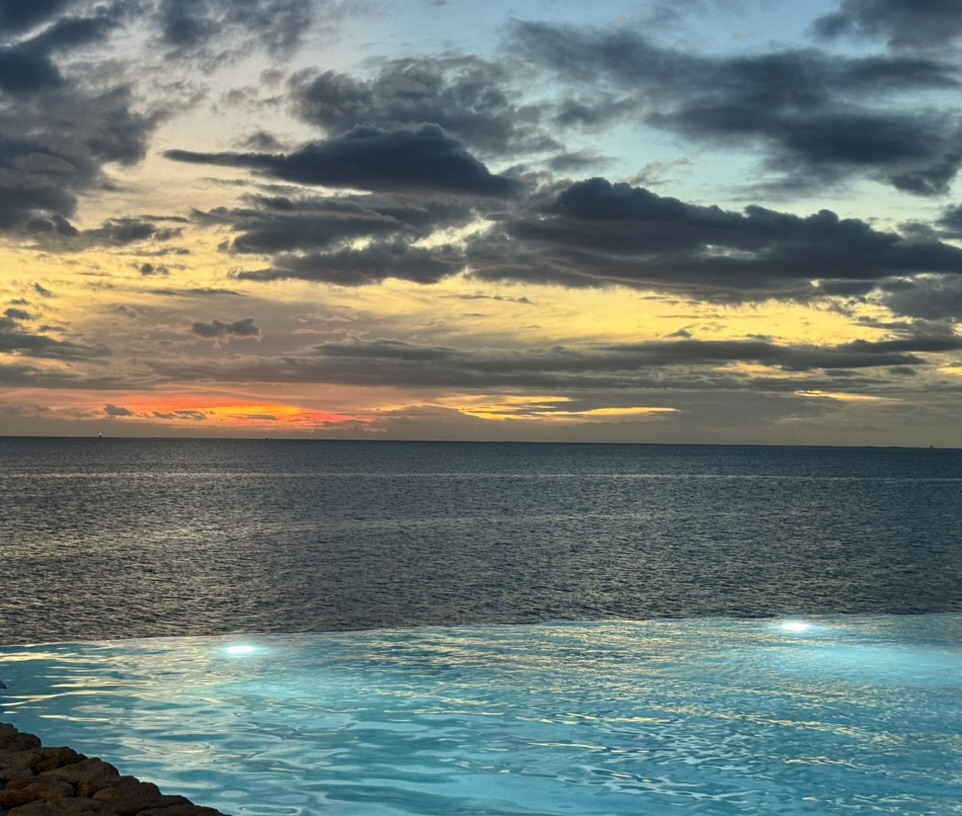
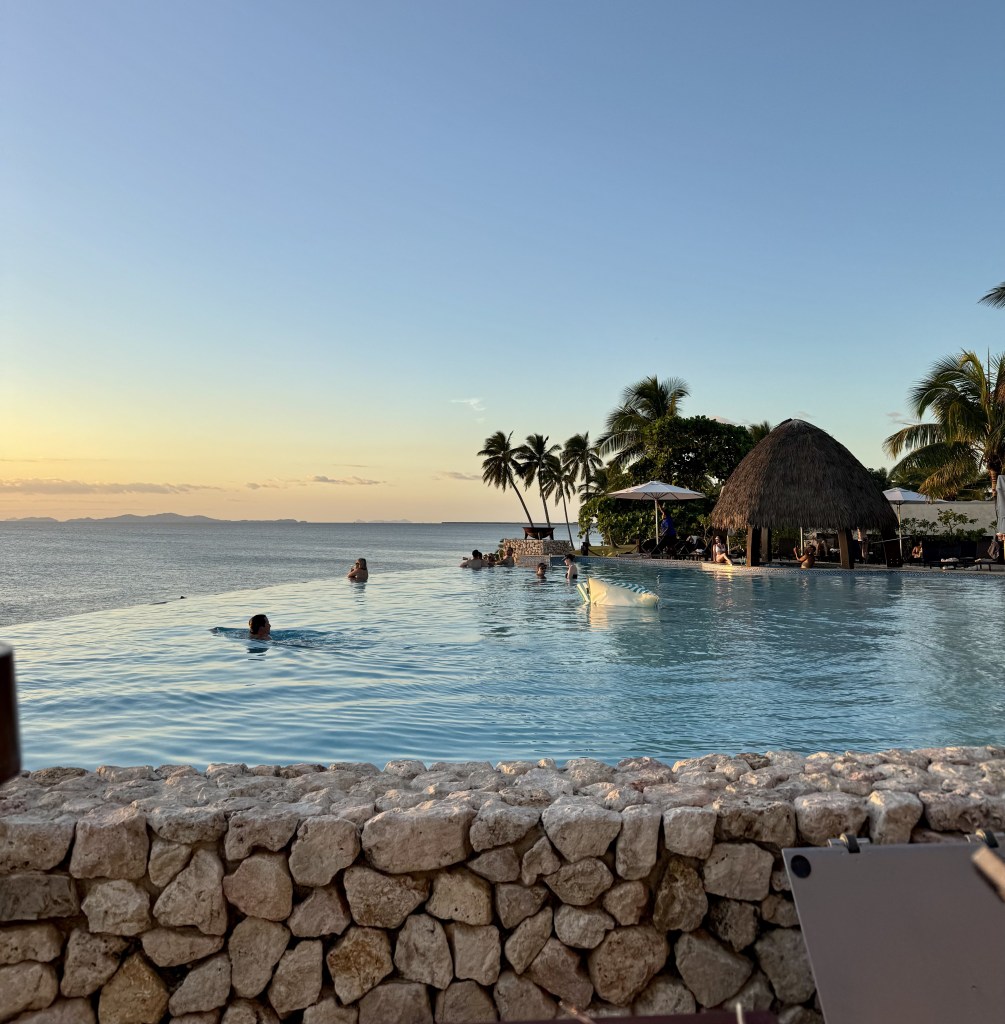
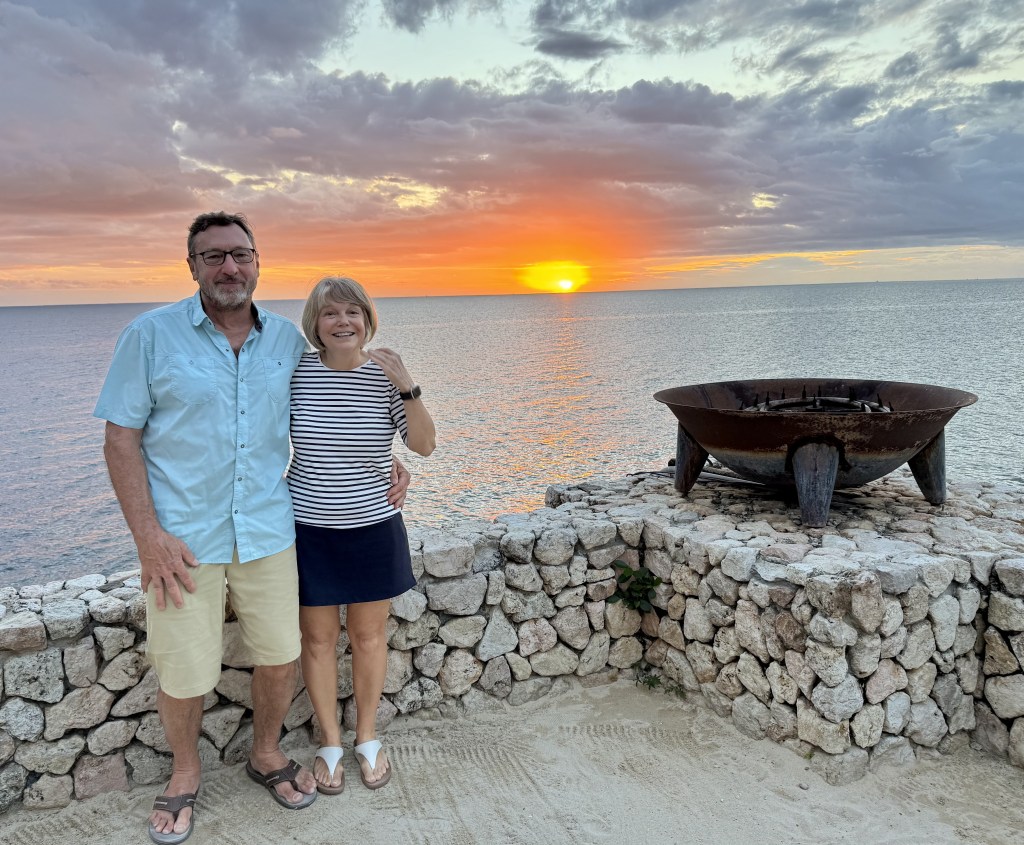
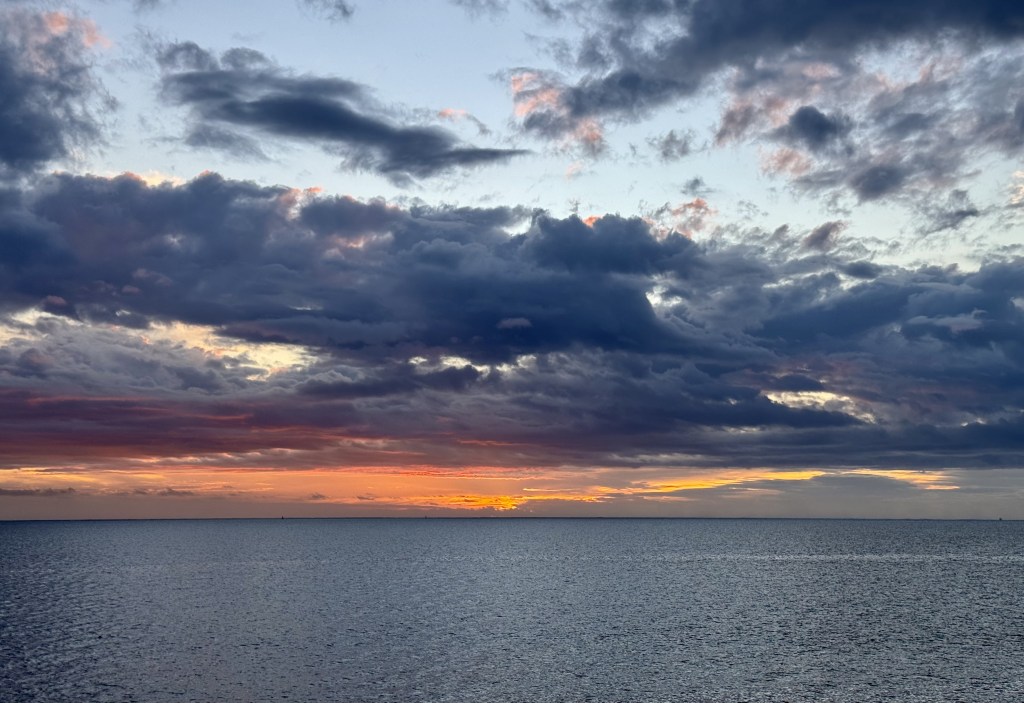
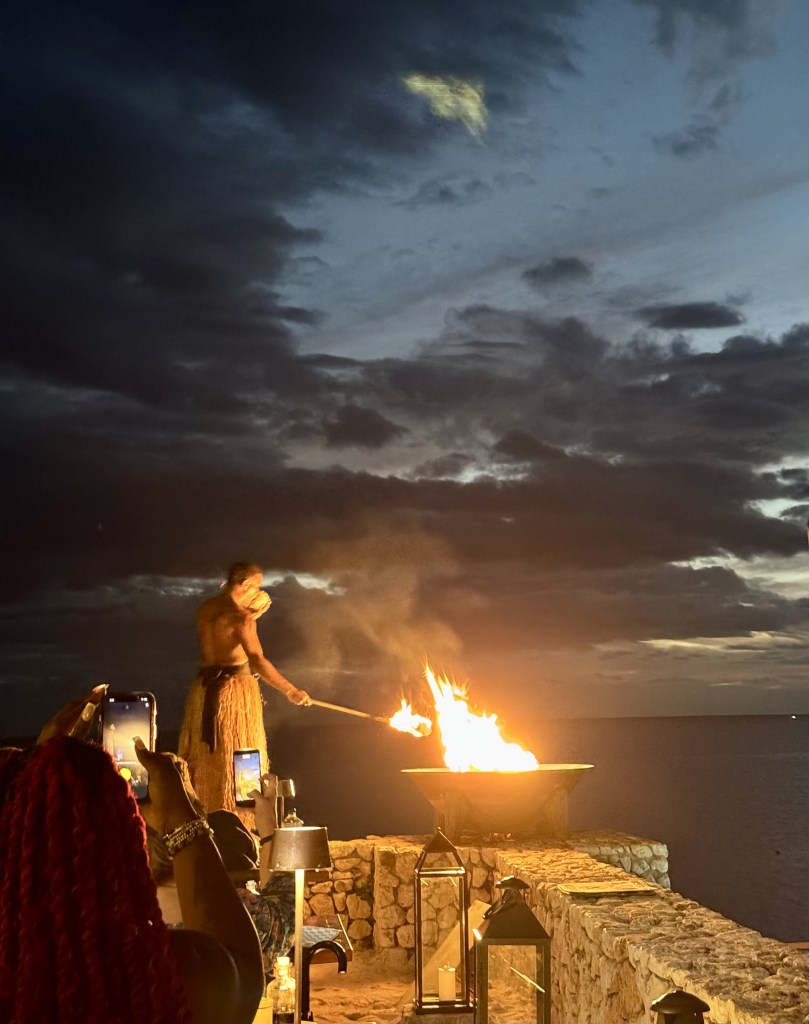
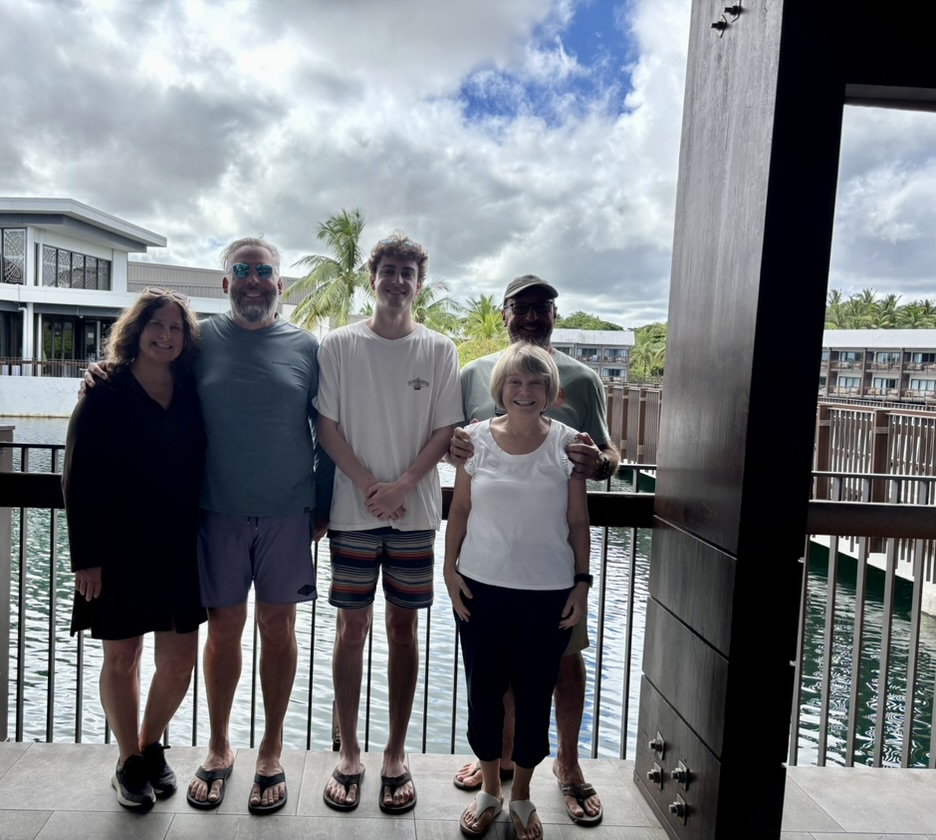
Our view from our hotel room in Momi BayOur favorite hotel pool!Enjoying the sunset before dinner.Beautiful Sundowner.Lighting the torch and saying good bye to the sun.Saying good-by to our friends. Thank you Barbara for your wonderful company, and thank you Erik and Ethan for helping Tracy sail from New Zealand to Fiji. Well done Mates!
Now the real adventure begins. Tracy and I spent 2 weeks in the Vuda (pronounced Vunda) Marina after we saw our friends off and left the resort. We did not plan to stay that long but we were waiting for a boat part for the Auto Pilot to arrive. While we were here, we enjoyed the marina facilities and did a little exploring around the area.
Tracy would get up early and join several other male cruisers for coffee at the Marina Market. I called it his coffee ‘klatch’. They shared cruising stories and he learned about good places to go while in Fiji.
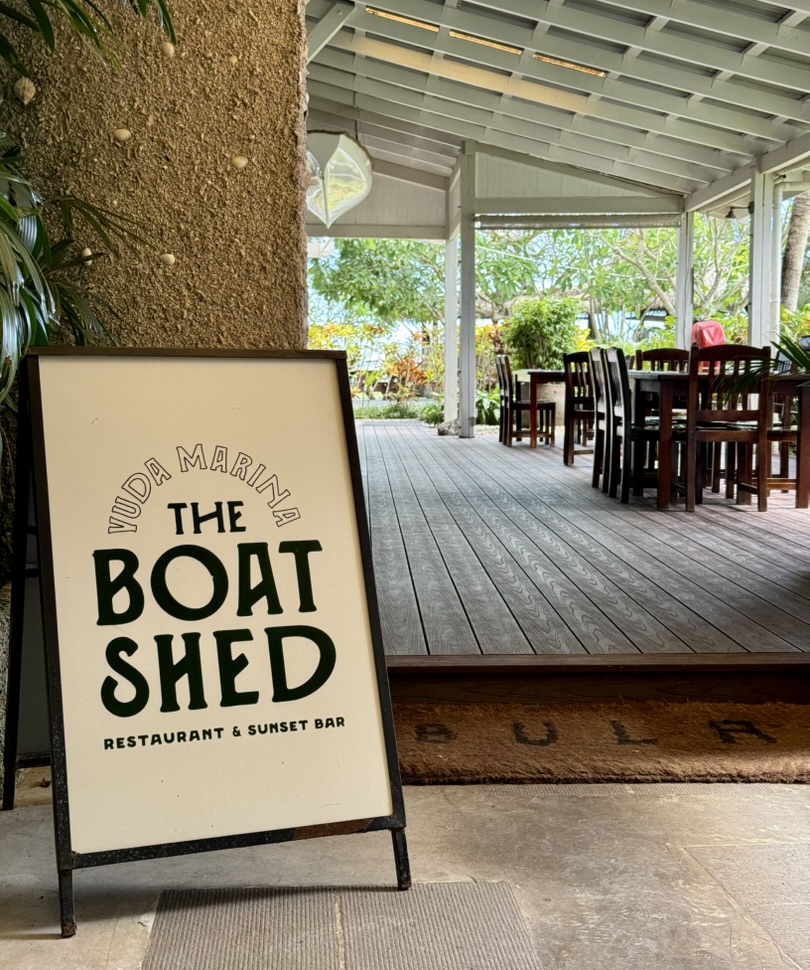
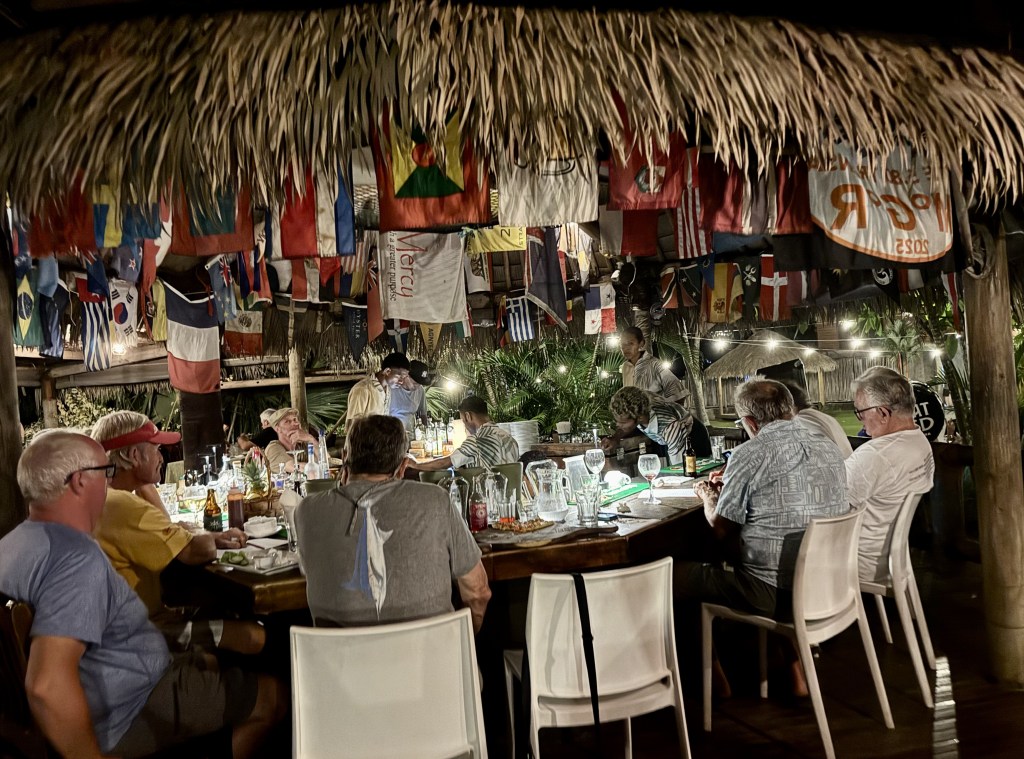
We also enjoyed the Marina’s restaurant called the Boat Shed. It offered a varied menu and the food was good. The vibe was fun and we enjoyed great conversations with other cruisers. Thursday is Trivia night and on weekends they have live music.
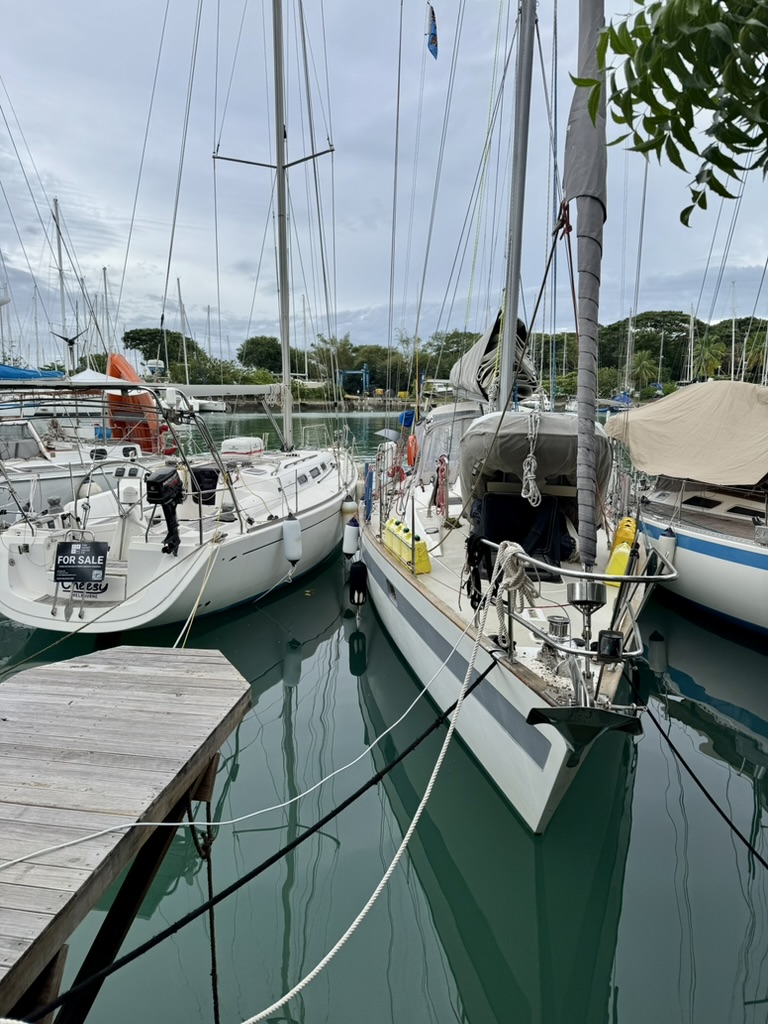
Vuda Marina is not a typical marina. There are no docks and you need to request assistance for all arrivals and departures. On arrival they help guide us into an open spot where we are squeezed in between boats and it helps if you like your neighbor. :-). Our stern lines are attached to mooring balls which are anchored to the bottom of the harbor. The picture below shows the small platform we use to get on and off the boat.
As you can see in this photo, we have to pull the lines in to bring us closer to the platform in order to leave the boat. Winds and tides will influence how how easy or how hard it is to pull the boat closer to the platform. Once we get close enough we have to climb over the bow of the boat to get off. Depending on tides, the boat can be a bit higher or lower than the platform making it more difficult. It’s not my favorite experience.The Boat Shed is the only restuarant here but it’s a good one!We often sat at the bar for dinner as it was easier to meet people and chat about cruising adventures. Tracy is wearing the gray t-shirt with fish on his back. We are about to play Trivia.
The First Landing Resort (mentioned earlier) was a 10-minute walk from the marina and had a restaurant and bar open to the public. They also had a nice menu and on a couple of nights a week they put on a show with music and dancing.
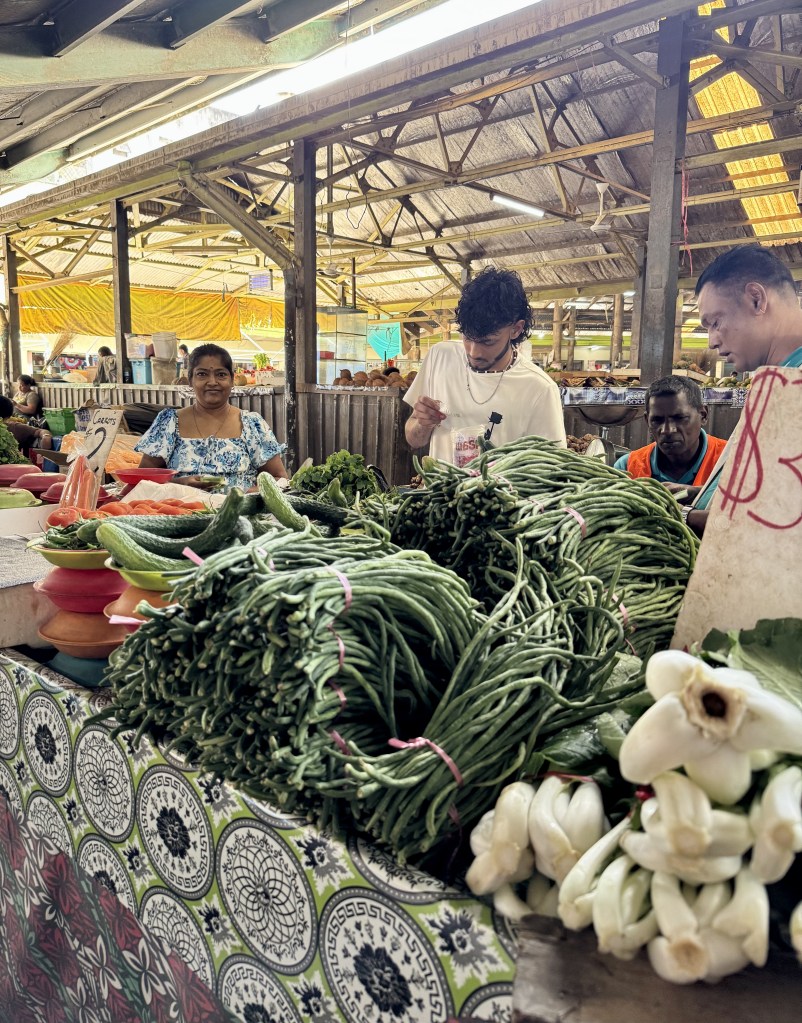
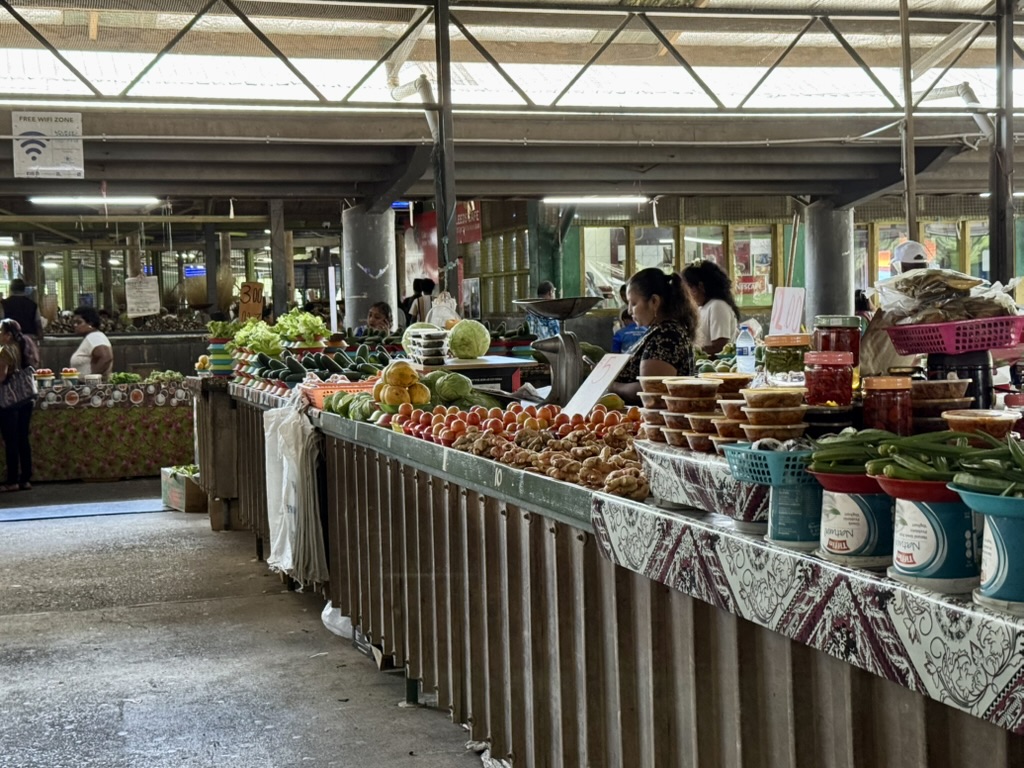
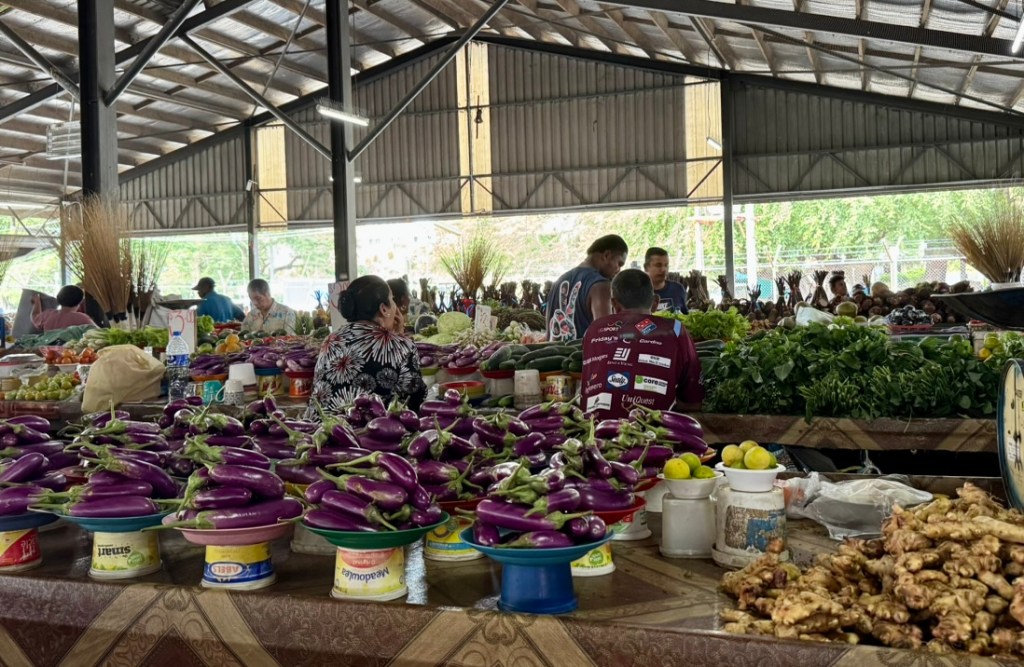
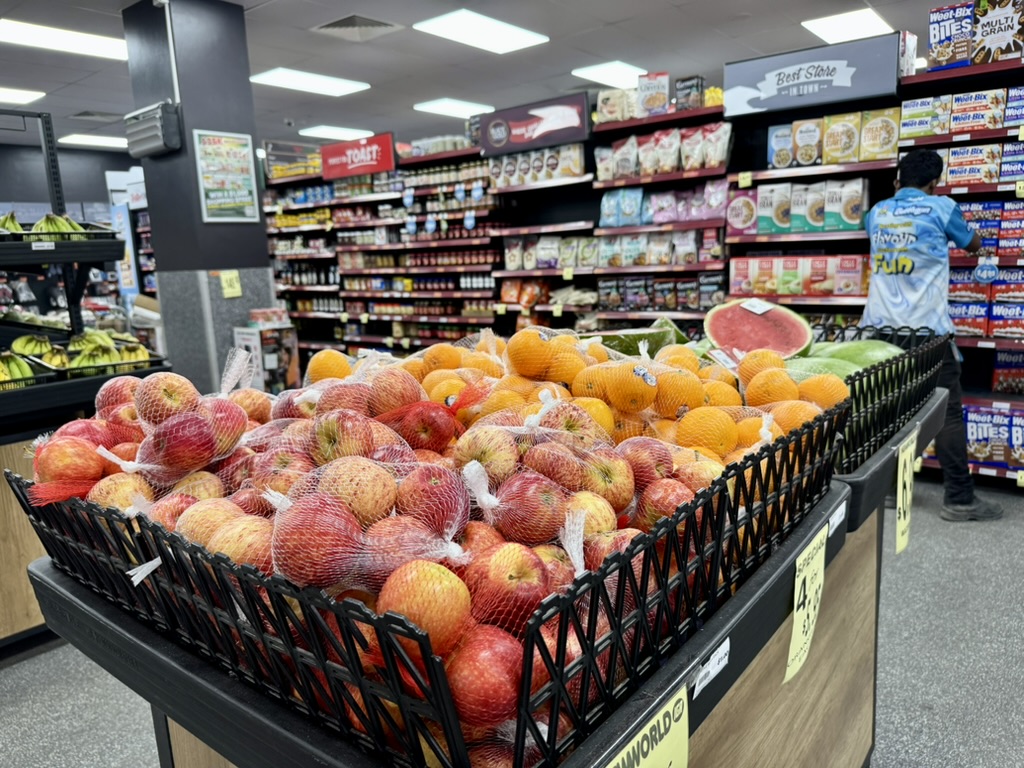
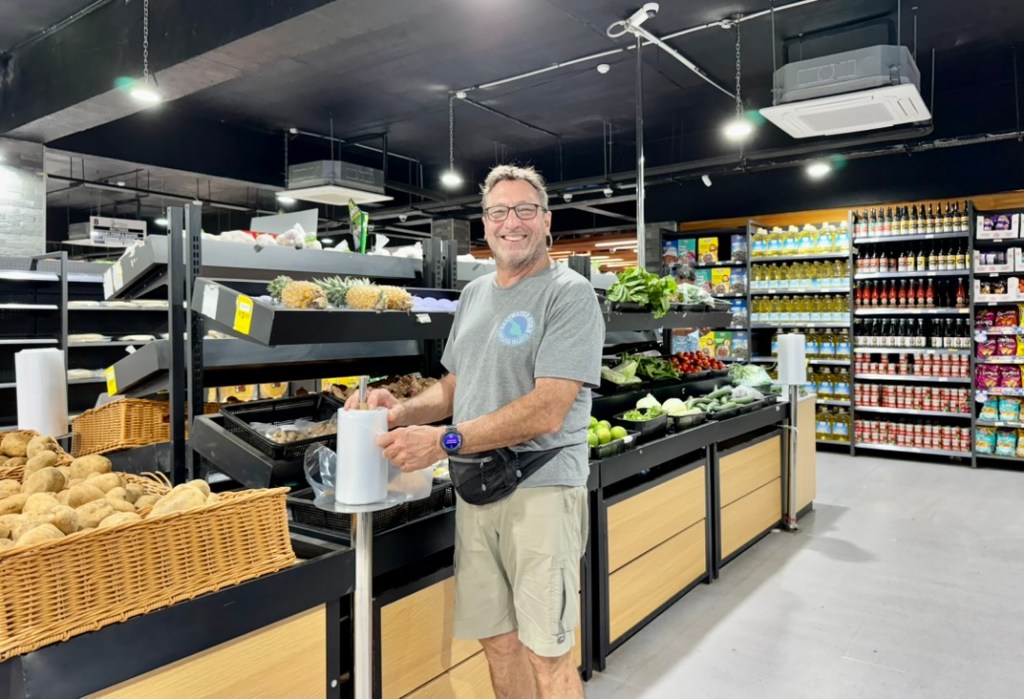
Another highlight was going with Ron, (our tour guide/driver) for provisioning. He took us to the local market, a couple of grocery stores and a local butcher. We ended up with a variety of goods both local and non-local to keep us well fed for the next 6 weeks.
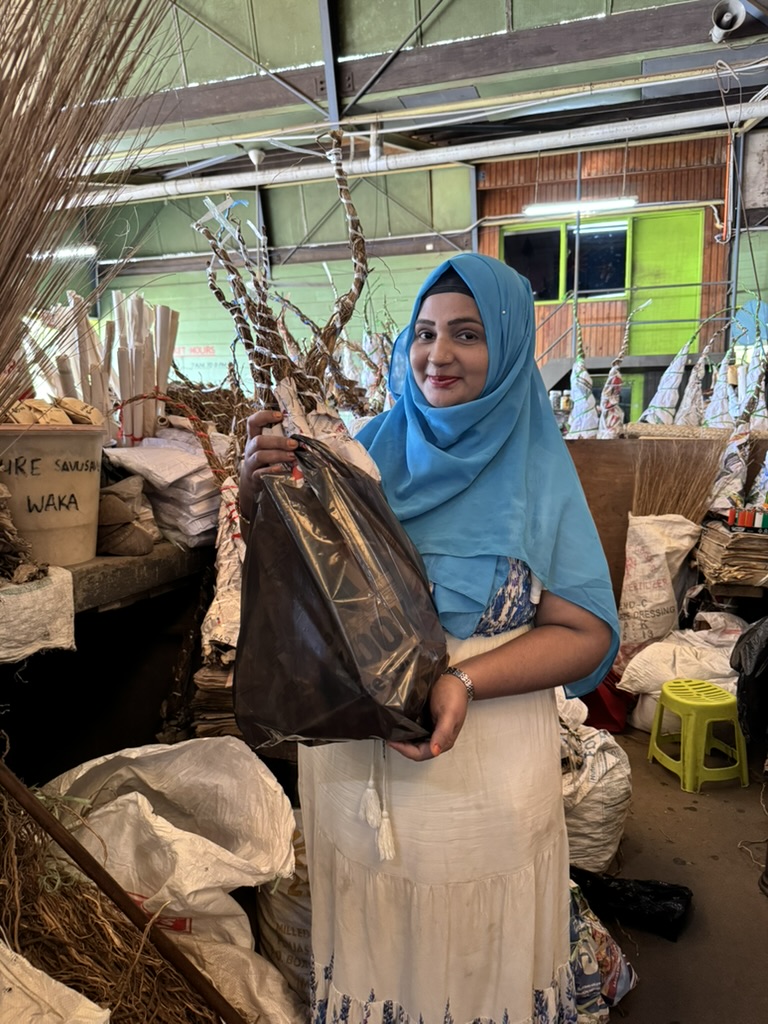
We purchased kava from this beautiful lady. It is traditional to bring kava to the small villages as a gift.Top 3 photos are of the local market . There’s so much to choose from!The 2 photos above are from 2 different grocery stores. They are also quite good and made it easy to find provisions.
The 2 weeks became very long because it was very hot and humid in the marina. May is considered the shoulder season with wetter/warmer temperatures before winter. The Marina has a unique circular basin design that protects boats in heavy weather. But it also can block wind making it very hot and uncomfortable. It was bad enough that we rented one of the marina cottages for 3 nights because they had air conditioning.
Another memorable moment is when our friends, Jodi and Magnus arrived on their boat Lulu. We met them for the first time in Bora Bora and then connected again in New Zealand. We were happy we were able to spend a few days with them before we left the marina.
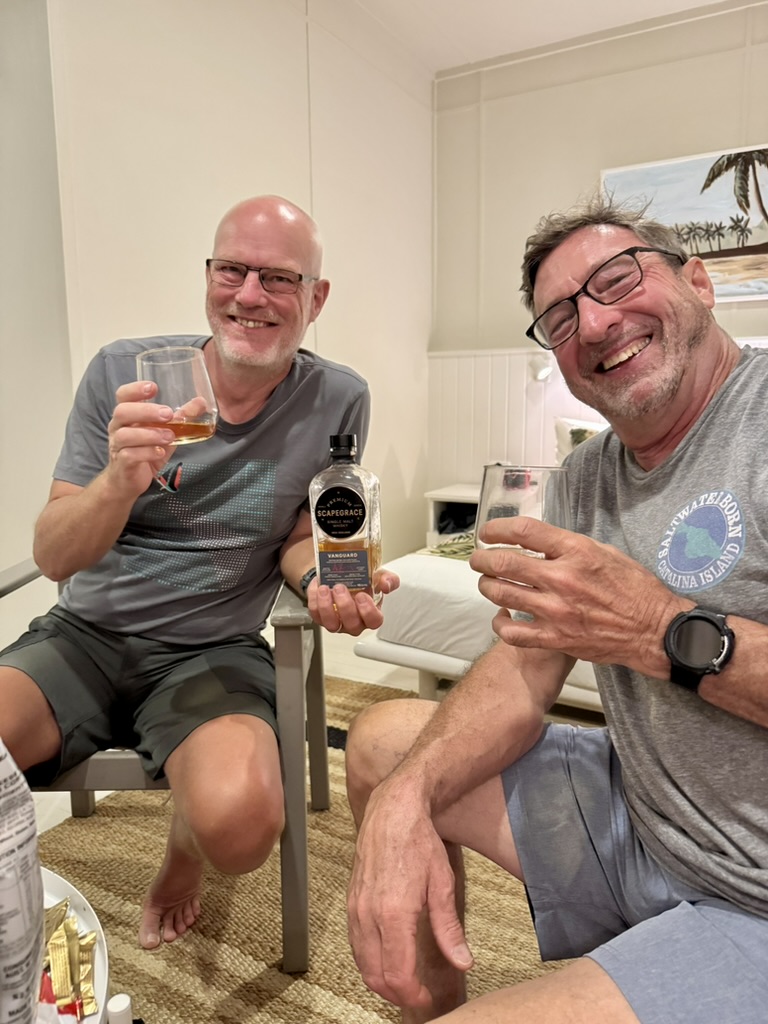
We invited Magnus and Jodi for happy hour at the cottage we rented. Magnus shared some scotch with Tracy.
We also made a few new friends in addition to Tracy’s coffee buddies. We went to dinner with George a few times at the Boat Shed. George has a Norseman 447 called Silver Heels and is exactly like our boat and the same age. There was another Norseman 447 in this marina called Sirena, and we met Jennifer and Greg briefly playing trivia in the Boat Shed bar. This is the first time in any of the marinas or anchorages we encountered where there were 3 Norsemans in the same place. It’s nice because it creates an instant connection.
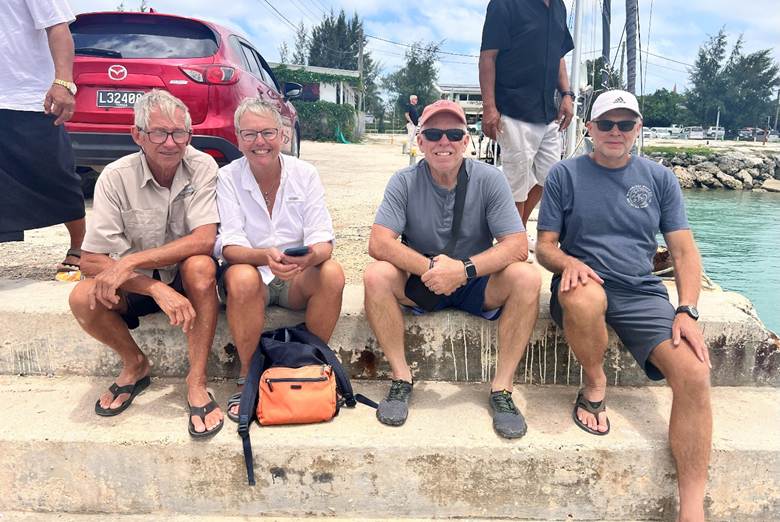
We also reconnected with Andrea and Bent on their boat One Piece. Tracy initially met them in the Marquesas and reconnected in New Zealand. They were in the Vuda marina for a couple of days with us before they headed out. Unfortunately we didn’t capture any photos of our friends. Shame on us.
Our marina stay is about to end and our next update will be about cruising in Fiji!
We spent 6 months in New Zealand. As we have written in other posts, we had numerous adventures in NZ with family and friends. Most of those were by car as visitors were more interested in visiting areas not easily assessable by boat. The result was that Quid Sea was based out of the Bay of Islands Marina for the entire 6 months. When not touring by land we sailed around the Bay of Islands and other nearby destinations. One of the many benefits of being based out of the Bay of Islands (BOI) Marina was the opportunity to get a lot of work done on Quid Sea. The BOI Marina doesn’t have a lot to offer with regards to restaurants and entertainment but it is surrounded by boat services and supply shops. For a boat owner and skipper, it was like a “kid in a candy shop”! I was able to get a lot of the work done while we were not on the boat but touring around NZ by car with family and friends.
Here is a list of the work that we were able to get done.
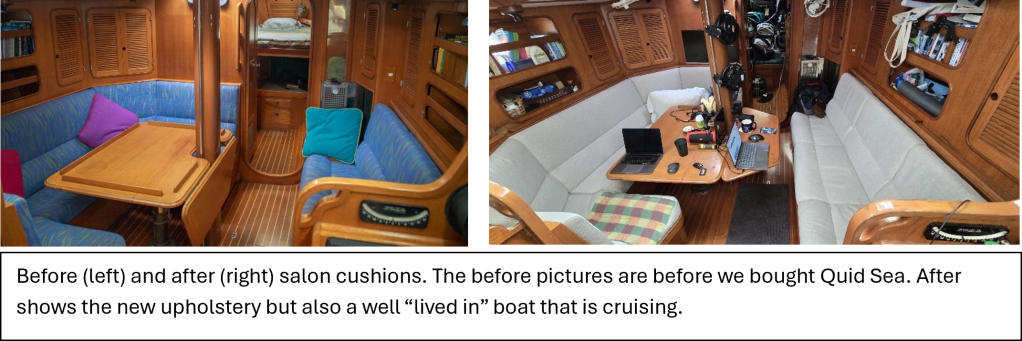
Reupholstered cushions in the main salon
New cockpit cushions
The 40 year old original Ford Lehman diesel engine serviced and new motor mounts installed
Transformer installed so Quid Sea can plug into 120V or 240V shore power
Fresh bottom paint on the hull
New headsail
New anchor windless and chain
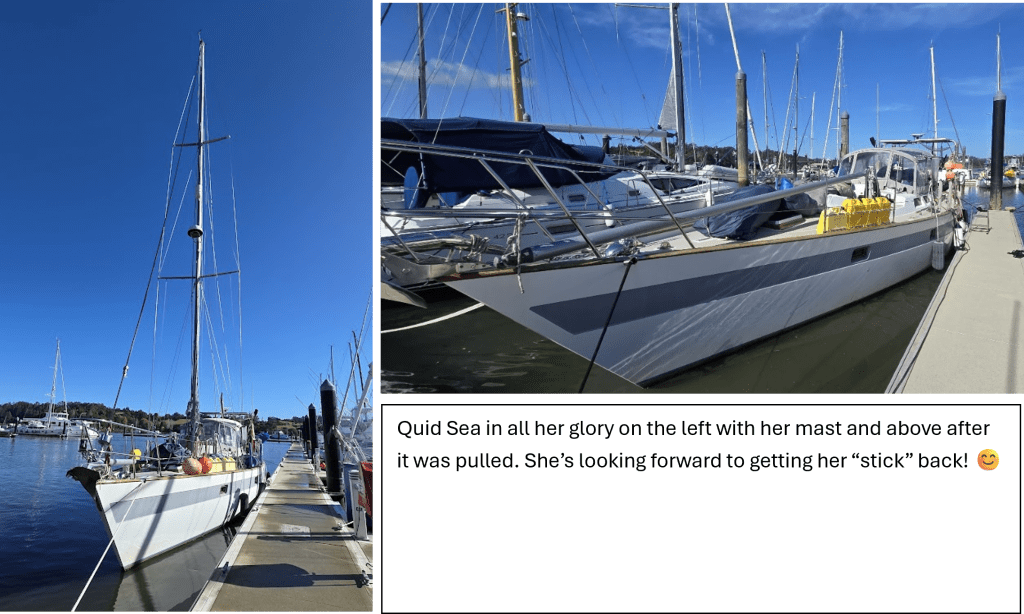
Mast pulled for service and all new standing rigging installed
The workmanship was excellent and the work was relatively affordable mainly due to the exchange rate between the NZ dollar and the US dollar.
One reason I mention all the work is the last bit done was the mast pulling and new rigging. The mast was pulled on April 19th. I was targeting a departure for Fiji on the first good weather window starting May 1st . This means the mast had to be serviced and back in the boat and new rigging installed and tuned before May 1st. So, the clock was ticking…
Here’s a video of the mast being pulled if you are interested.
Quid Sea’s mast pulled and being moved over to the yard for repairs.
Cindy and I drove down to Auckland on April 28th, two days before my crew, Erik and and his son Ethan, were due to arrive. When Cindy and I left Quid Sea, she was still without a mast! While we were in Auckland waiting for Erik and Ethan to arrive, Quid Sea got her mast back. I picked Erik and Ethan up at the Auckland airport on the 30th and the 3 of us drove back up to Quid Sea in Opua. Cindy stayed in Auckland preparing to fly to Fiji. When Eric, Ethan, and I arrived back in Opua, she had her mast back and rigging in place but the rigging was not yet tuned and sails not yet refitted on the boat. Tuning the rigging means adjusting all the shrouds and stays to the proper tension. The shrouds and stays are wires that hold the mast straight and support the mast while under sailing loads. This rigging is critical to prevent the boat from being dismasted which is the mast breaking and crashing down on the boat. Pretty important…
The rigging was tuned and sails refitted on May 2nd. All the mast-mounted electronics were reconnected and Quid Sea was ready to go. My crew and I took her out for a shakedown sail on May 3rd to make sure there were no issues with the new rigging.
Meanwhile, the weather remained unsuitable for a departure to Fiji. Low-pressure systems east of Fiji and others moving across the Tasman Sea created unsafe conditions: strong winds and heavy seas from the wrong direction. In the end, although a major concern on my part the rigging work did not delay us.
Weather windows for a departure were very narrow and not ideal. I had hired a weather router to help us with this passage and was following his guidance on good departure times. A weather router is an experienced weatherman or sailor that offers routing guidance on a passage as a service. The router we used was the same person that routed us from Tonga to New Zealand.
To give a little taste of situation from the end of April to the first days of May, here are some examples of the communications between me and my weather router. Weather and rigging were not our only concerns. We also needed to coordinate our departure time with NZ Customs. When leaving NZ, a boat must schedule a checkout interview with customs. Once the interview is complete, the boat and crew must leave immediately.
April 28th [Weather Router] I have checked the way the weather ahead looks to be developing. It would seem it will be too rough to head directly towards Fiji for this passage as there looks likely to be a deepening low forming east of the direct route to Fiji around Friday(8-May) to 10-May.
Provided you can handle seas to around 11ft Wednesday(6-May) through Friday(8-May) and wind 20 to 25 knot from the ESE, then the passage could start on the 5-May but staying well west of the direct route to Fiji for the first 4 days at least, then turning towards Fiji. However, if this is too much then I will need to watch out for another possible weather window.
[Tracy] Looks like my rigging will be back in 30-Apr. What would it look like if I pulled my departure up to 2-May or 3-May. Are those dates still looking bad also?
[Weather Router] I think the best option is the 5-May. The 2 and 3 of May would have you in larger seas, maybe to around 12ft and winds 25 to 30 knots, so neither look good.
Hopefully we will see some improvement in the outlook over the next few days as it is still a long way ahead.
May 2nd [Weather Router] I trust all is well at Opua.
Looking ahead I now think it will be possible to get underway either late Monday 4-May or first thing on Tuesday.
Departing late on 4-May will tend to get you into a slightly larger swell but it has the offsetting benefit of having more east in the wind direction.
So, if it is possible to gain a customs clearance to allow you to depart as late as possible on Monday, this is now slightly preferred, although early on Tuesday, 5-May is also good.
If you can get away late on the 4th, there should be easterly winds 13 to 18 knots out of the Bay of Islands with a swell from close to the east around 6ft. This should enable you to get off onto a heading near 035T.
The tend more ENE then NE during the first 24 hours, mostly in the 13 to 18 knot range but around 20 knots at times Monday evening. The ENE swell should be building to around 8ft around 24 to 36 hours into the passage.
Wednesday the winds will become more ENE, probably in the 15 to 22 knot range. The swell from the ENE should be around 8.5ft.
May 3rd [Tracy] I am currently booked with Customs for a departure on Tuesday, 5-May, at 09:30. I will see if I can schedule a departure for Monday afternoon, 4-May.
I have a mast back in the boat and fresh rigging. Quid Sea is already to go. Just waiting now to hear back from NZ Customs if I can checkout Monday
Now it’s all about weather. How’s it shaping up?
[Weather Router] It is great that the mast and rigging are now in place.
The weather seems to be shaping up pretty well as outlined yesterday. So overall, if there is a customs slot, I would push for a late Monday departure.
[Tracy] I just heard from NZ Customs and they gave me a checkout time of 14:30 on Monday. I’m guessing I’ll be away from the dock and on our way by 15:00 or 15:30. I told my crew to fasten seatbelts! 🙂
So, we finally settled on a 4-May departure with rough conditions expected for the first few days then weather calming a bit. We were able to get our interview with Customs a little earlier and departed Opua at 14:30 on May 4th.
Passage has begun
4-May to 7-May
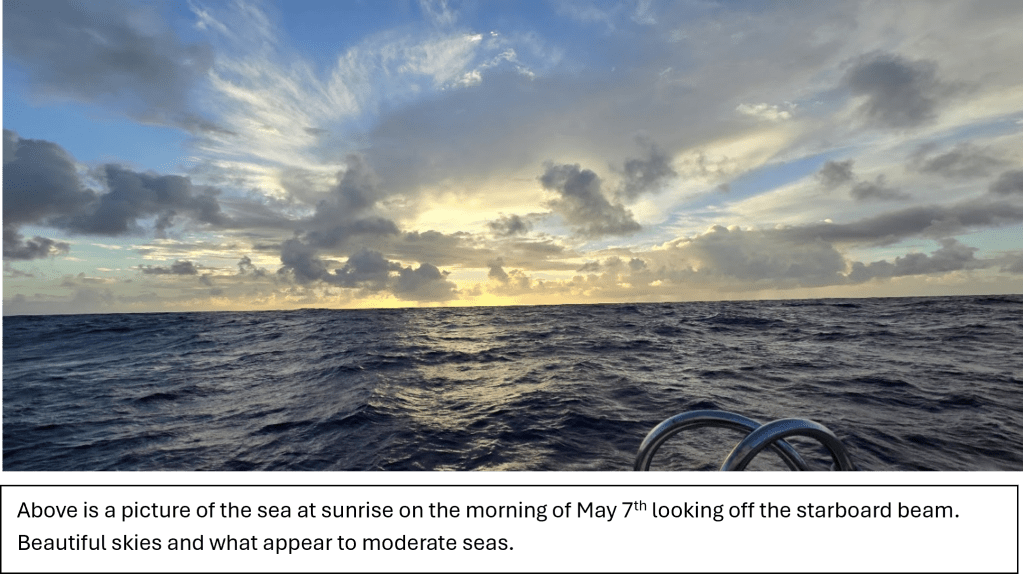
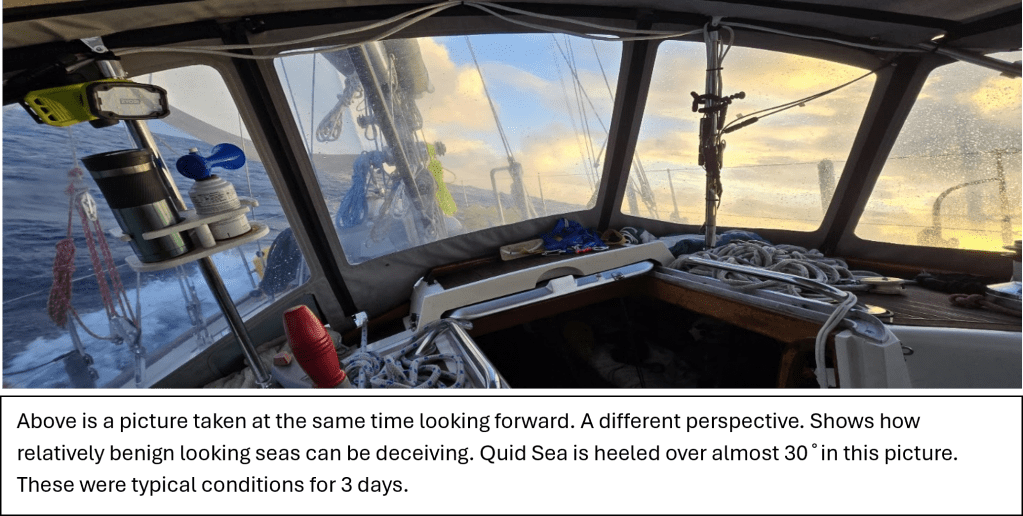
As forecast, the winds were ENE to E at 15 to 20 knots for these 3 days. We were steering a more northerly course, waiting for the wind to shift more ESE. Then we would be able to steer more NNE towards Fiji. Seas were about 8ft with 8 second period. The waves are mostly on our beam or forward of the beam. We were rolling 10˚ to 20˚and pitching. The conditions are pretty rough. Difficult to move about the boat and very uncomfortable for captain and crew.
8-May The swell period increased through the night and wind started to drop and by noon was less than 10 knots. The wind never did shift more ESE but instead was also shifting more northerly. The conditions were becoming a little more comfortable although still rolling a bit. In the afternoon the wind dropped to less than 10 knots so we started motoring into the wind on a more northerly heading towards Fiji.
9-May We continued motoring until about noon. The wind had shifted more NW at about 8 knots. We were able to sail more NE’ly toward Fiji. At this point we were trying to get more east because after an approaching cold front passed, the winds would shift to the SE and force us again on a more northerly heading.
Something else that happened was the electronic autopilot failed after we switched off the engine and started sailing. I don’t know why it failed. Maybe shutting off the engine caused a voltage spike. In any case, we had to start using the Hydrovane mechanical autopilot. I have used the Hydrovane quite extensively and it works well. We were being a bit lazy on this shorter passage and not using it as it requires more attention. Anyway, we started using it and it worked great. Thank goodness for backups!
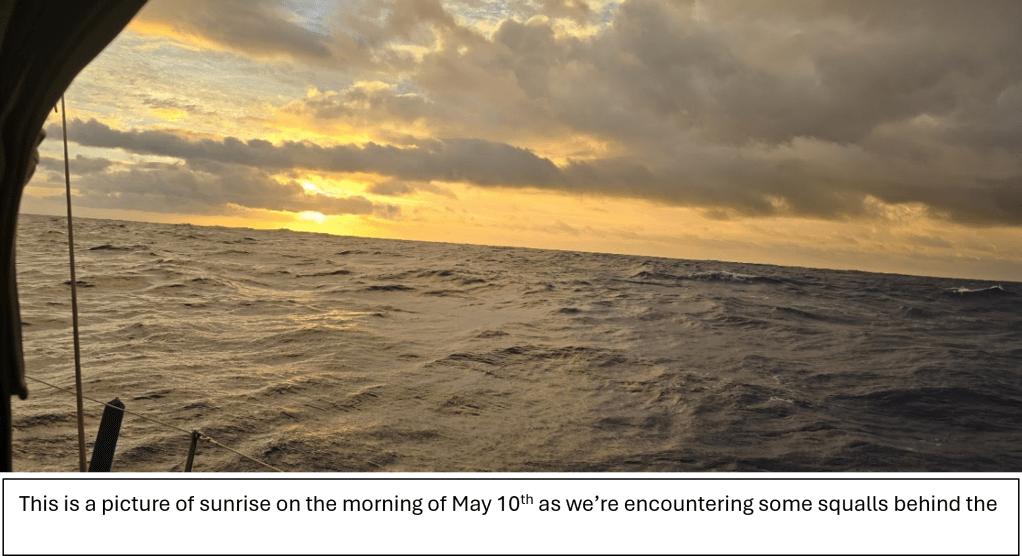
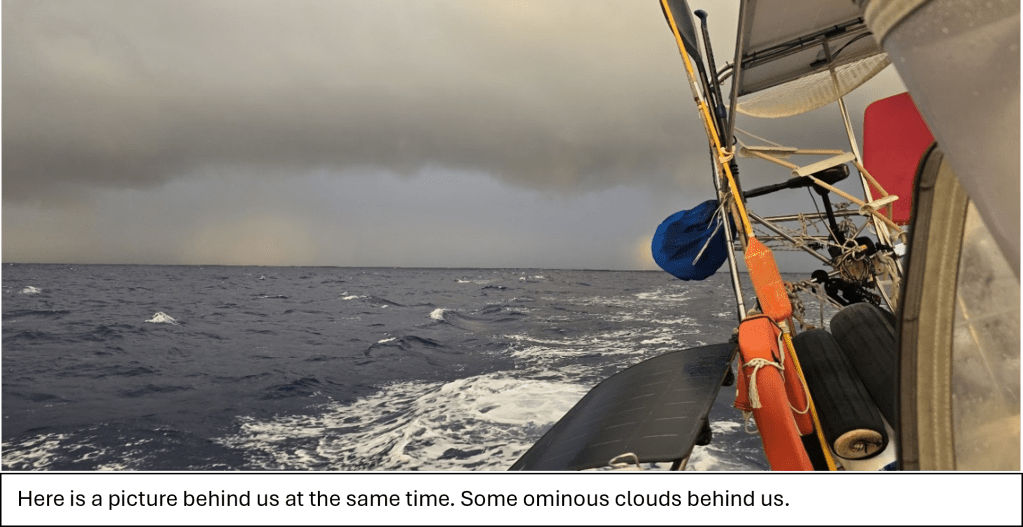
10-May The cold front passed about 0700. We had wind gusts up to 35 knots and the wind shifted to the WSW. This was the first time we finally had the wind behind us. Later in the day the wind shifted to the SSE. We’re steering a northerly course towards Fiji but with the shifting winds and confused seas, it’s a rough ride and the Hydrovane has to be readjusted all the time to hold a northerly course. Confused seas means waves and swells coming from different directions. We have primary swell coming from the SSW, secondary swell coming from the E, and wind waves coming from the SSE.
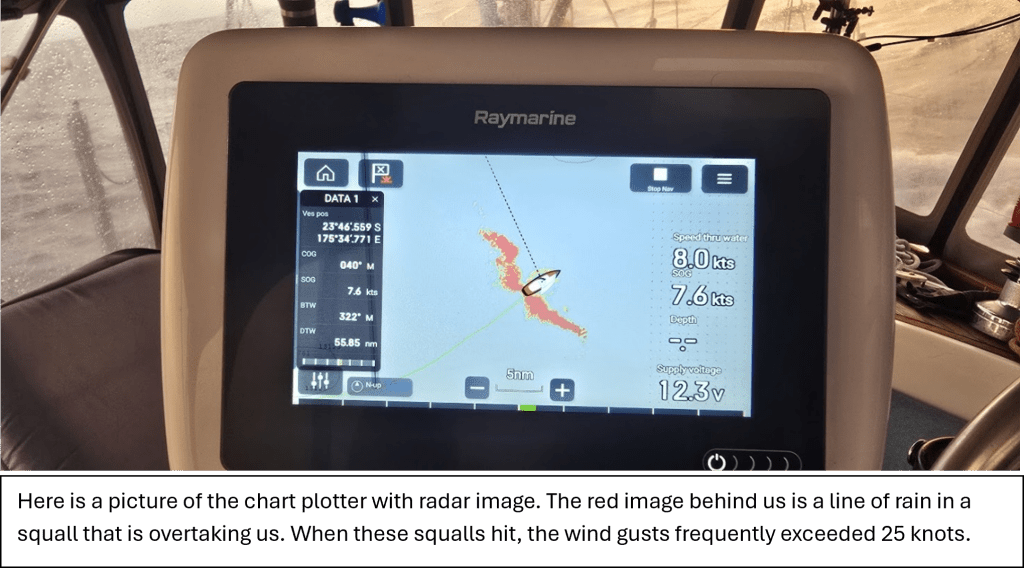
11-May Wind and seas stayed about the same. The convergence line behind the cold front that passed had stalled and squally conditions continued. We expected to pass through that convergence line late at night.
12-May We entered the convergence line early in the morning on Erik’s watch. Erik navigated and steered us through the worst of the squalls between 0100 and 0400. Some gusts in the squalls were over 30 knots.
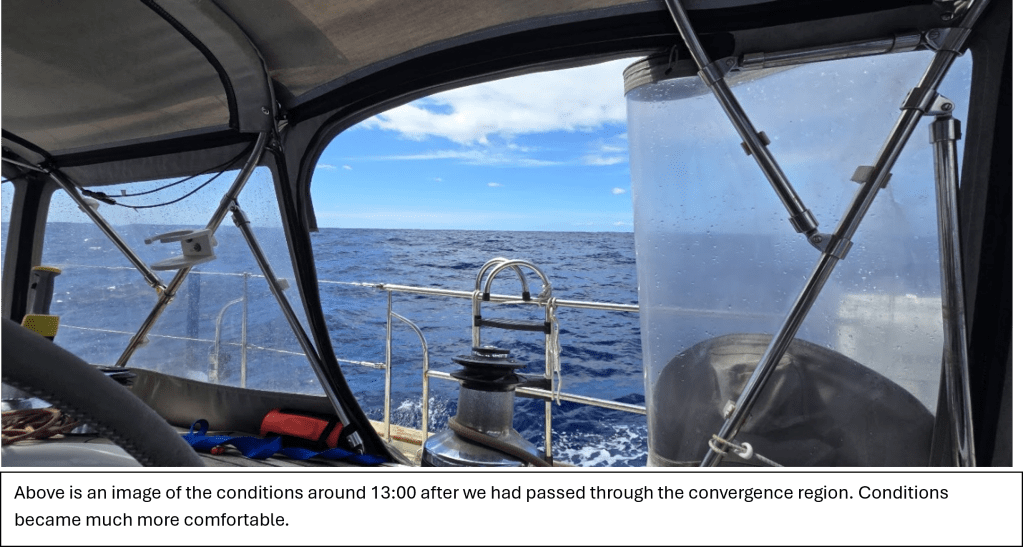
We seemed to get out of the squall region by mid morning. By the afternoon, the winds had settled to about 11 knots out of the SSE. We had a good final run to Navula Pass. Winds picked up to about 20 knots as we approached Viti Levu, Fiji’s biggest island.
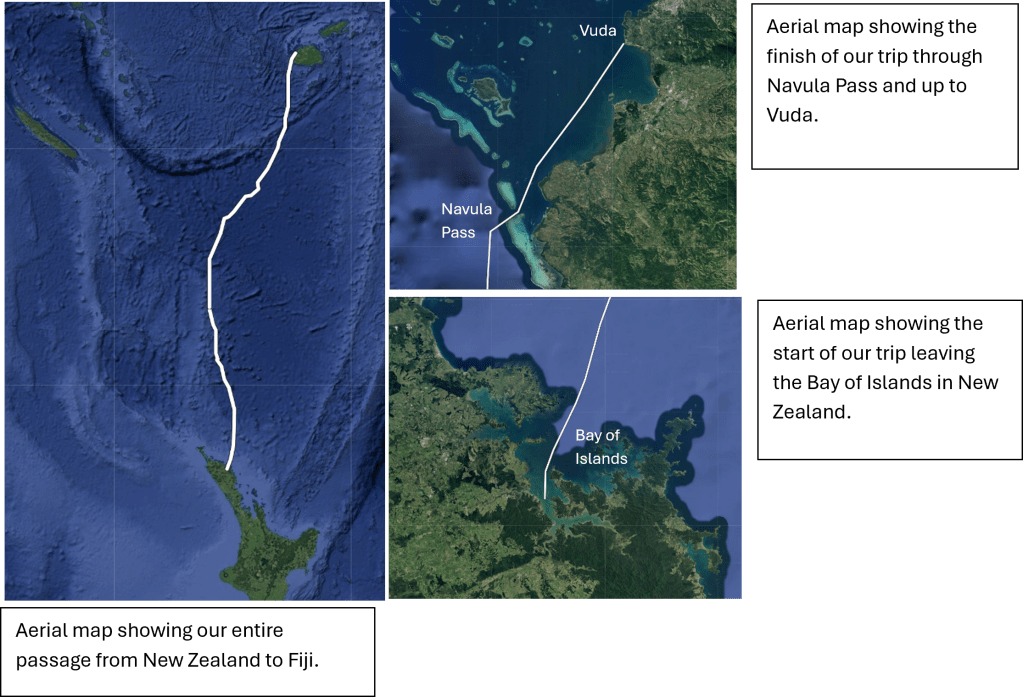
We entered Navula pass about 2030. Winds were still strong as we navigated the pass so we motor sailed through the pass and part of the way to Vuda Marina. We dropped the sails and motored to the anchorage off Vuda Marina. We anchored for the night waiting for permission to enter the marina to clear customs and immigration the next day.
13-May We received permission to enter Vuda Marina about 0830 and tied up to the Customs dock about 0845. We cleared customs about 1100 and were tied up in our berth by about 1130.
Passage complete
To summarize the passage, it was one of my rougher ones. Waves were mostly in the 5-6 foot range but short periods in the 8 to 10 second range and either on our beam or ahead of us. It meant the boat was pitching and rolling considerably which made for a generally uncomfortable ride. Quid Sea and crew performed admirably but the crew was worn out by the time we arrived safely in Fiji. Another safe passage under our belts.
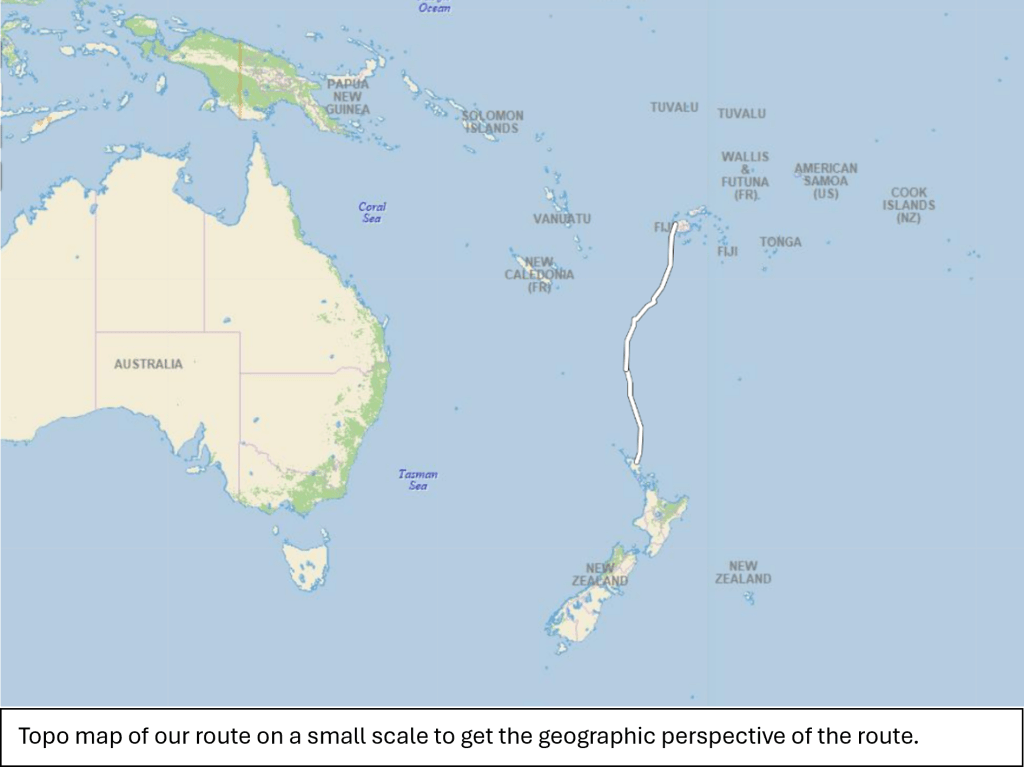
Below is our track for the whole passage shown on a topo map and on aerial maps.
I know it’s been a minute since we’ve posted any updates but we’re back! Think back and try to imagine it’s February and we are still in New Zealand.
February was a busy month with family. Tracy’s daughter and son-in-law visited in early February for 10 days, and my sister and brother-in-law came in for a couple of weeks in mid-February. Both groups prioritized touring the South Island so that’s what we did!
During the course of their stay, we visited Christchurch, Queenstown and Dunedin. While there is some overlap between the two itineraries, much of it is unique. I will report the sites and events for both visits and let the pictures tell the story.
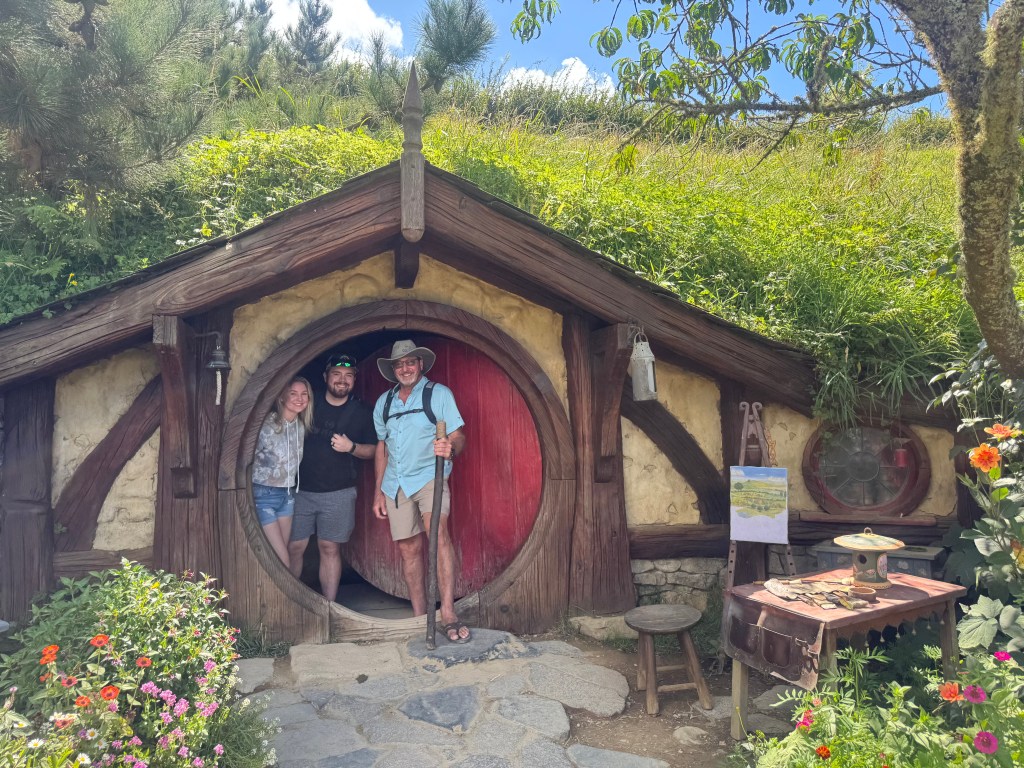
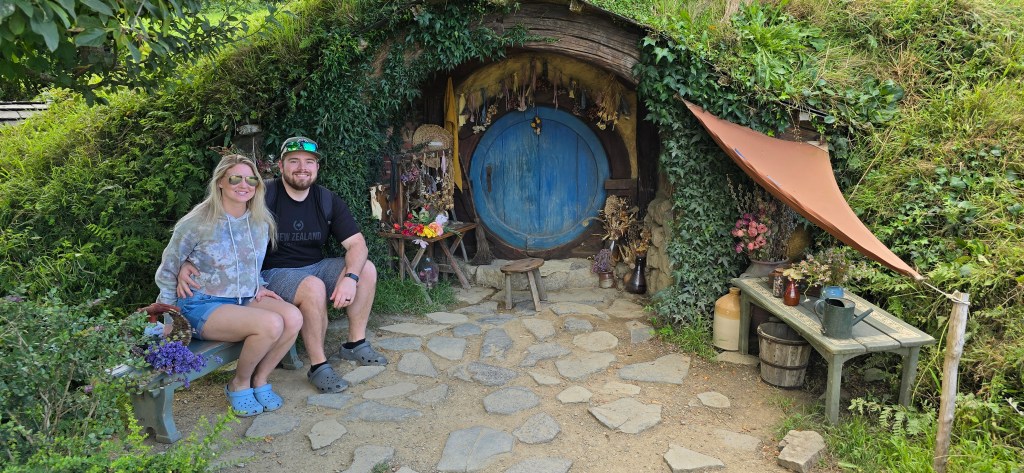
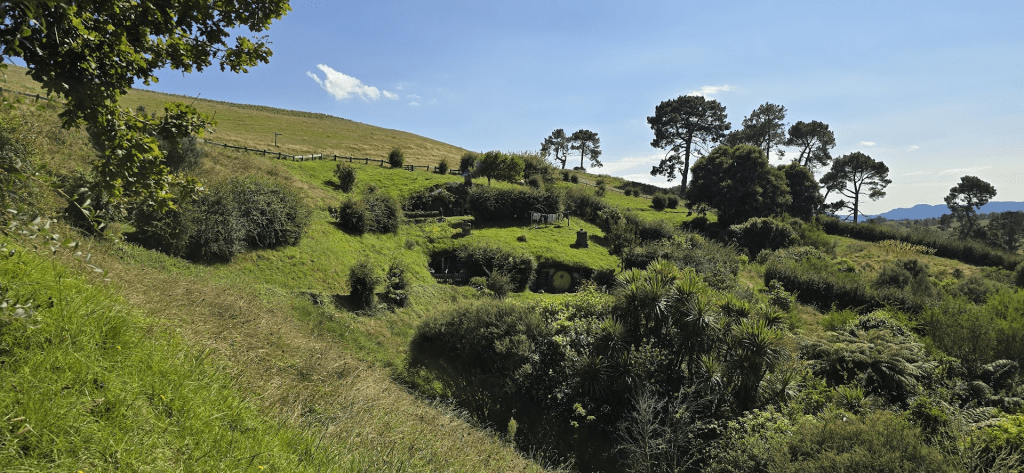
Marina and Dakota arrived in Auckland the end of January. We spent a couple of days seeing some sites around Parnell, Auckland before heading to the South Island. Of course they wanted to see Hobbiton and Tracy arranged the tour and and joined them as it was his first visit.
Tracy, Marina and Dakota touring Hobbiton.Marina and Dakota in front of a hobbit hole.
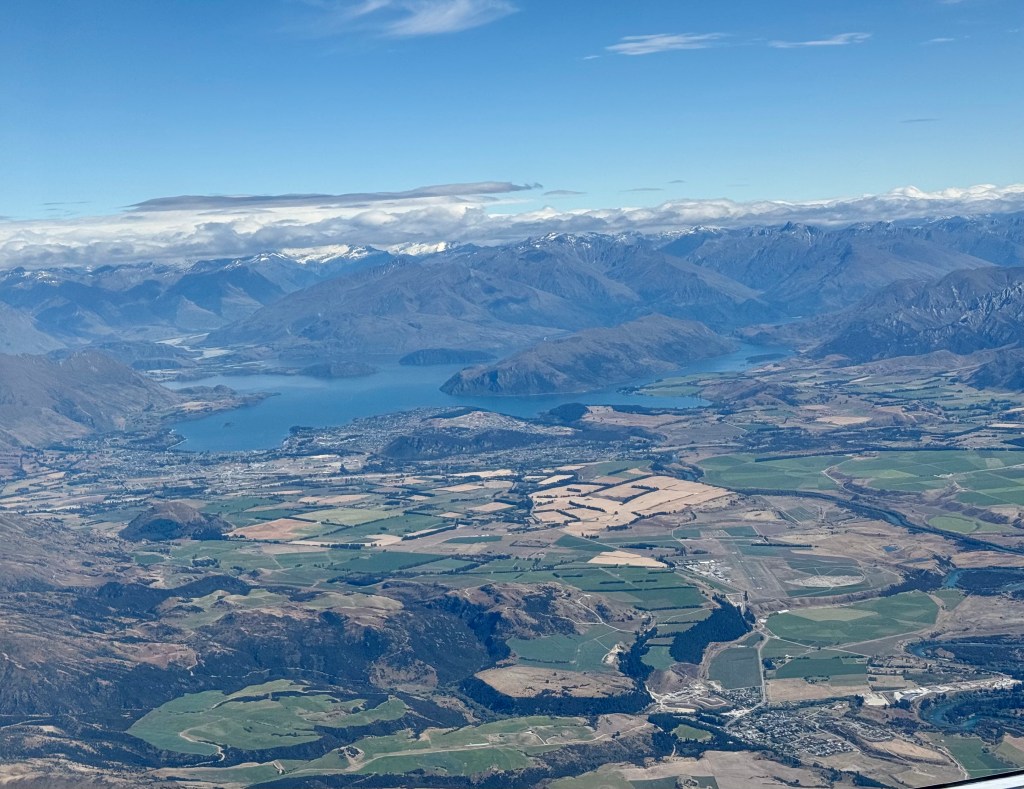
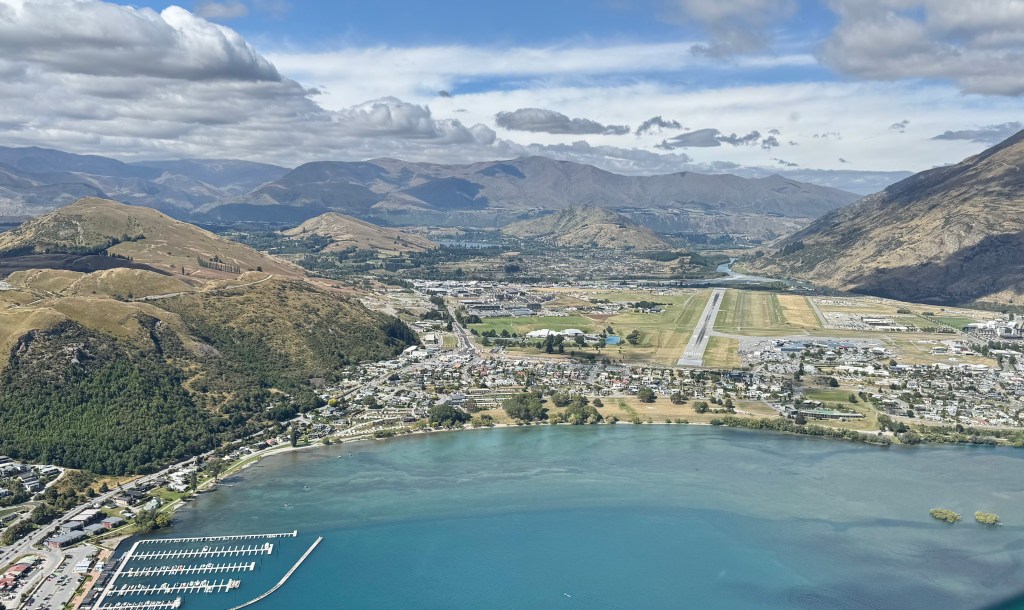
Our first stop on the South Island was Queenstown. The flight from Auckland was amazing and gave us our first views of the Island. It was much more dramatic than the North Island with Fjords and mountains all around. It was also cooler in temperature and fortunately we looked ahead at the forecast and packed appropriately.
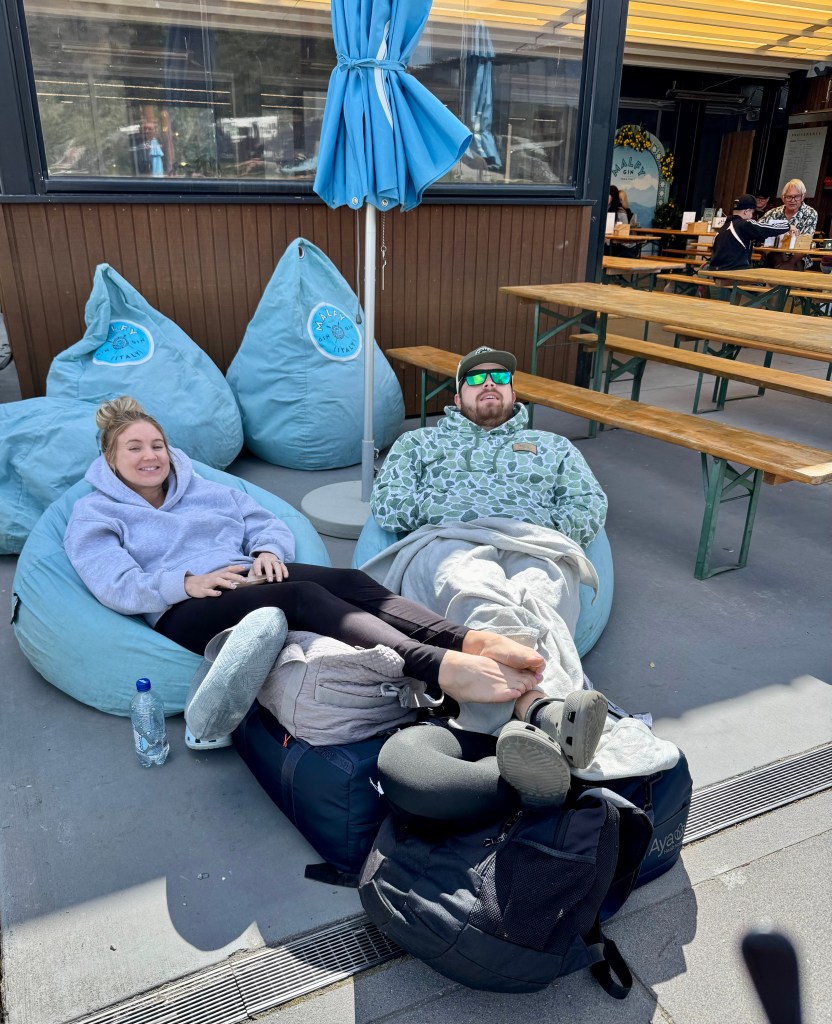
Marina & Dakota getting comfortable waiting for us at the Queenstown Airport.
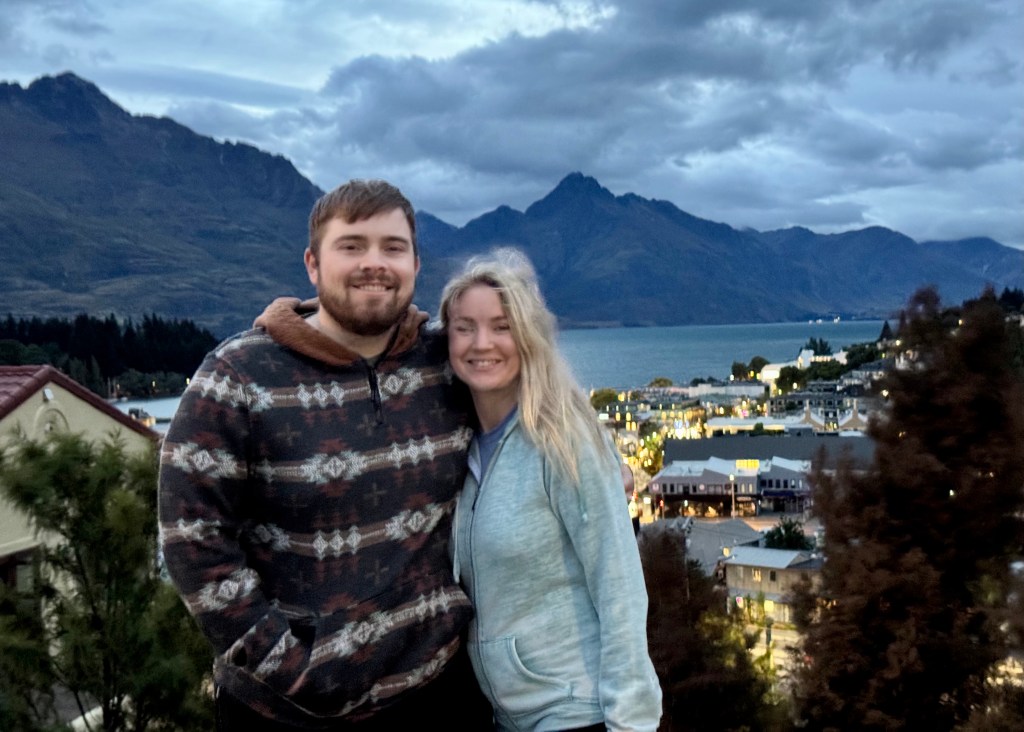
Queenstown, New Zealand, often called the “Adventure Capital of the World,” was founded on a 1860s gold rush, shifting from a pastoral sheep station to a bustling mining town. It was named for being “fit for Queen Victoria” and has since evolved into a year-round tourist destination known for its stunning lakeside scenery, skiing, and extreme sports like bungee jumping.
Fun Facts
The Remarkables: This is one of only two mountain ranges in the world to run directly north to south.
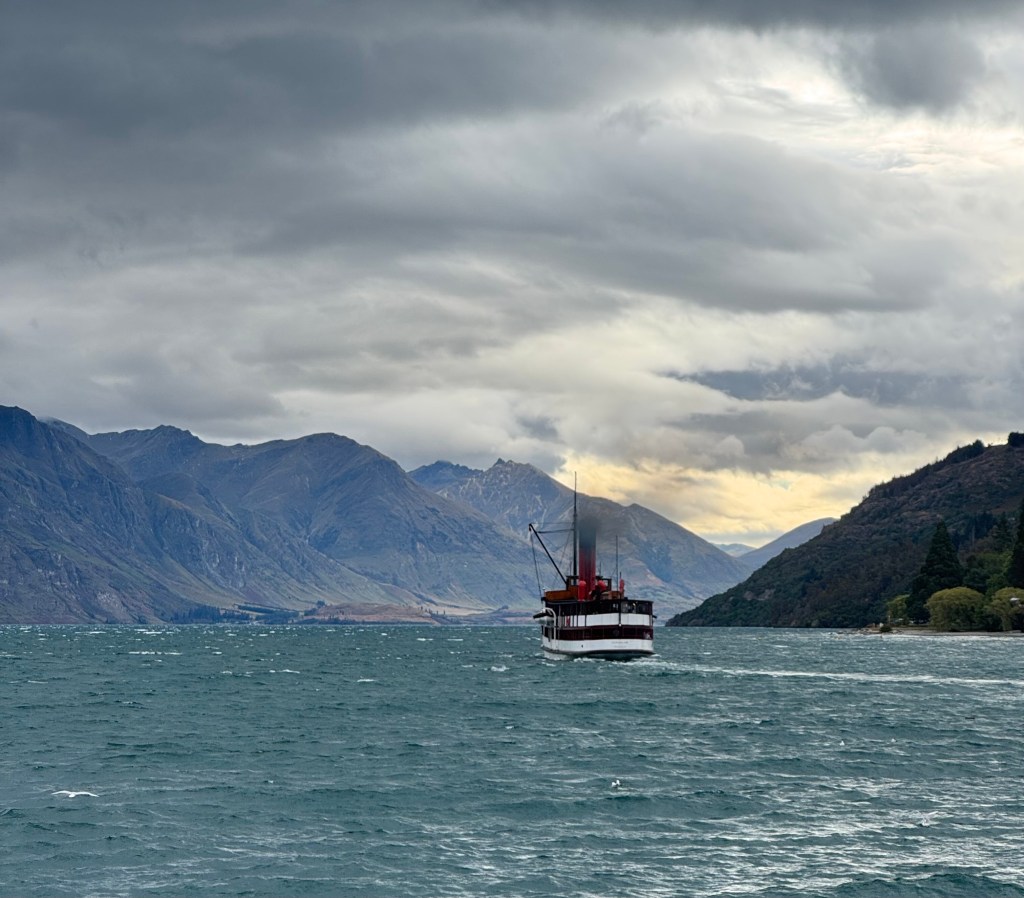
TSS Earnslaw: The town’s historic steamship was launched in 1912, the same year as the Titanic.
Population Surge: While around 28,000 residents live there, Queenstown welcomes over 3 million visitors annually.
Lake Wakatipu: The lake is “S” shaped and so deep that the water level rises and falls about every 20 minutes due to a tidal effect (seiche).
Famous Film Location: The surrounding areas were heavily used in The Lord of the Rings and The Hobbit movies.
On our first day we drove into Arrowtown for lunch and walked around this charming town. Arrowtown is a historic gold mining town in the Otago region of the South Island of New Zealand. We enjoyed visiting the local Art Fair and had a chance to refuel for lunch at the New Orleans Hotel. This historical hotel was established in 1866 offering a country pub and accommodations.
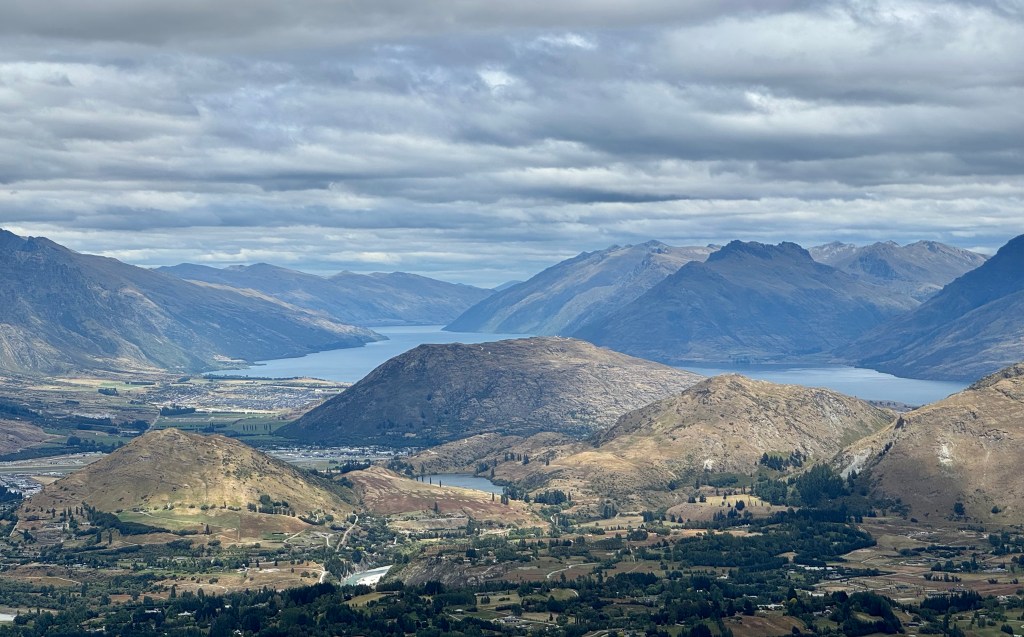
We ended our day with a trip to Coronet Peak for some fabulous views and dinner on the waterfront.
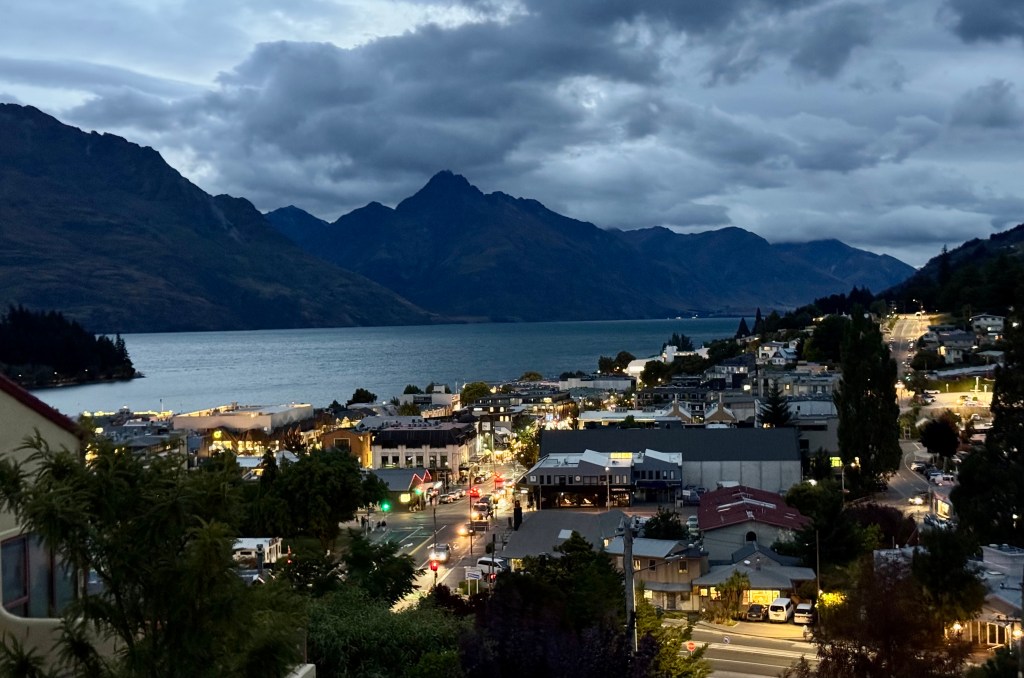
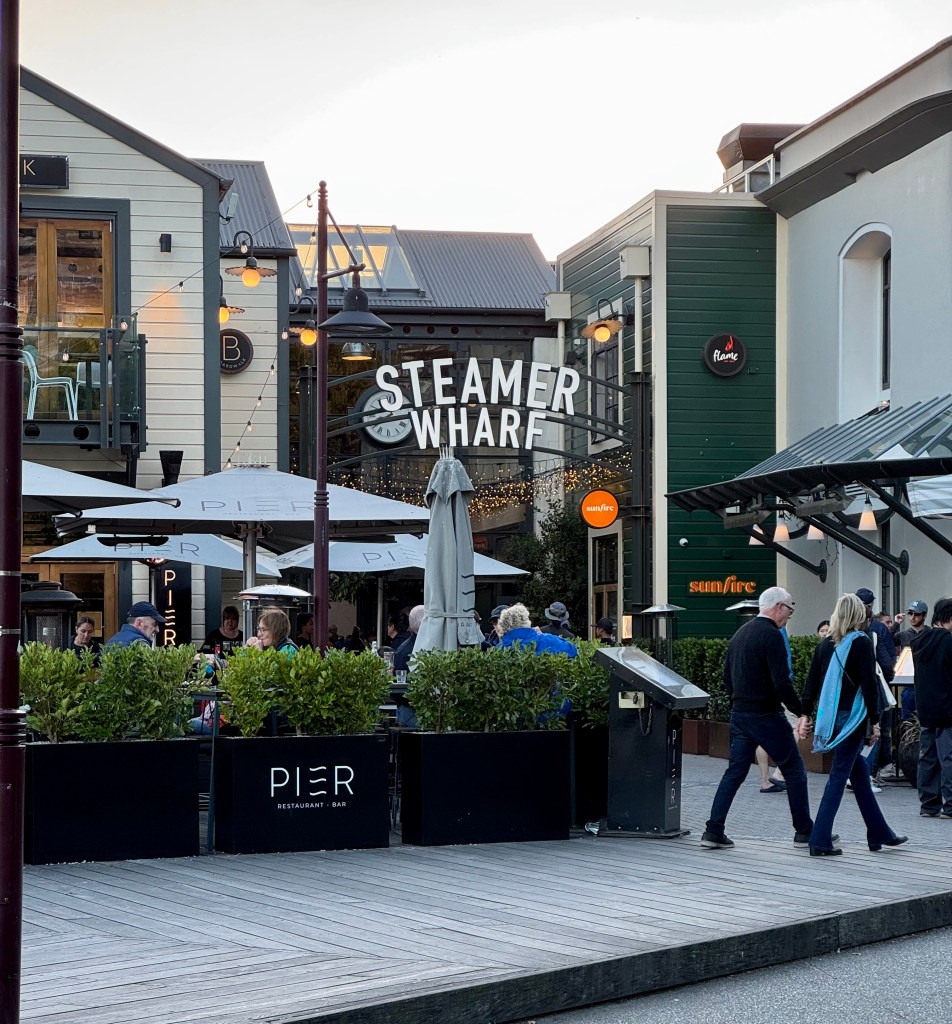
Beautiful views from Coronet PeakDakota and Marina A couple of photos of the wharf and downtown area on our walk home.Kawakau RiverThe Wharf in downtown Queenstown.
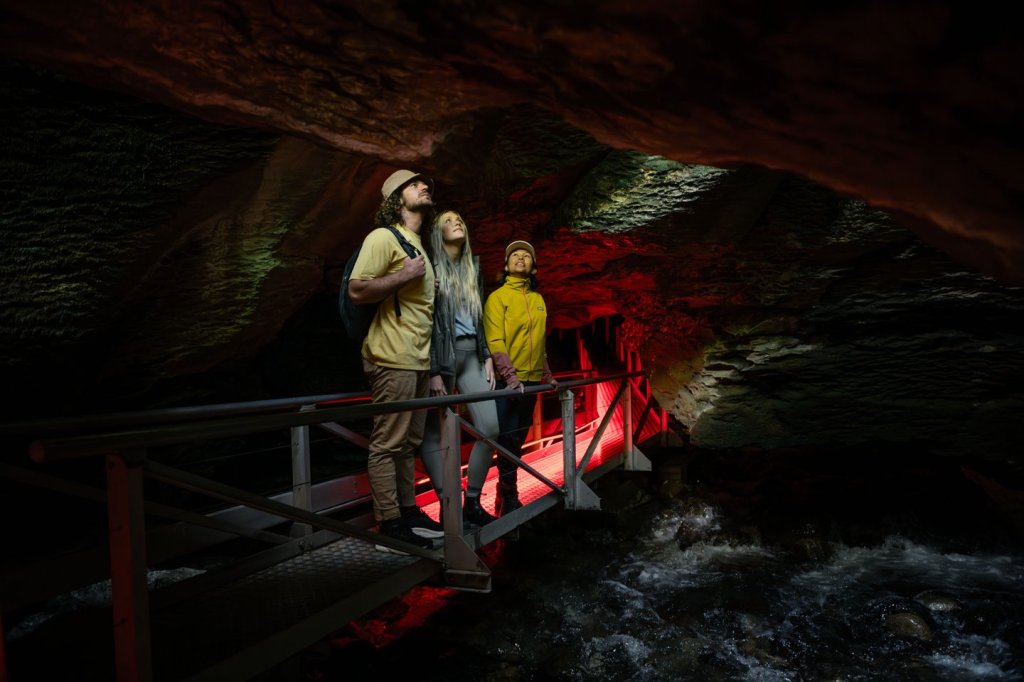
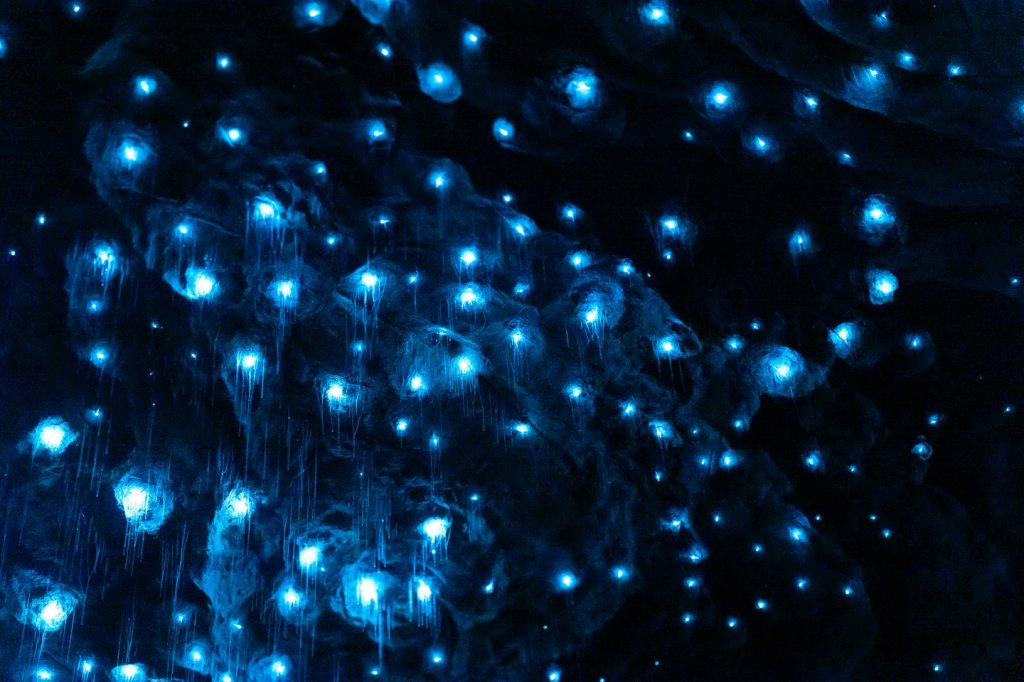
Our next outing was a trip to a Gloworm cave in Te Anau, a couple of hours from our Airbnb. Our adventure began with a scenic cruise across Lake Te Anau aboard a custom-built catamaran, taking us to the remote western shores.
We departed the boat at Cavern House, where we viewed displays that cover the caves’ geology and history before our adventure to the underground caves. These geologically young caves, just 12,000 years old, are still being shaped by the powerful river carving through them.
The last part of the tour was a guided journey into the enchanting Te Anau Glowworm Caves. In the dark we twisted through limestone passages, sculpted rock formations, swirling whirlpools, and an underground waterfall in a small boat.
It was a interesting and magical experience but unfortunately, we were not allowed to take any pictures. I was able to snag two photos from their website:
On our last day in Queenstown, we took a tour of Milford Sound. We decided to relax and take the coach bus and let the expert driver handle the winding roads.
Milford Sound is tucked deep within Fiordland National Park in New Zealand’s South Island, It’s renowned for its towering cliffs, cascading waterfalls, and serene, mirror-like waters. Located a few hours from Queenstown or Te Anau, this remote fiord is one of the most iconic and awe-inspiring destinations in New Zealand.
Our bus driver shared that Milford Sound is often referred to as the “8th Wonder of the World”, a title famously bestowed by author Rudyard Kipling. The dramatic landscapes sculpted by glaciers over thousands of years and mist-shrouded peaks like Mitre Peak rise nearly 1,700 meters straight from the water were breathtaking.
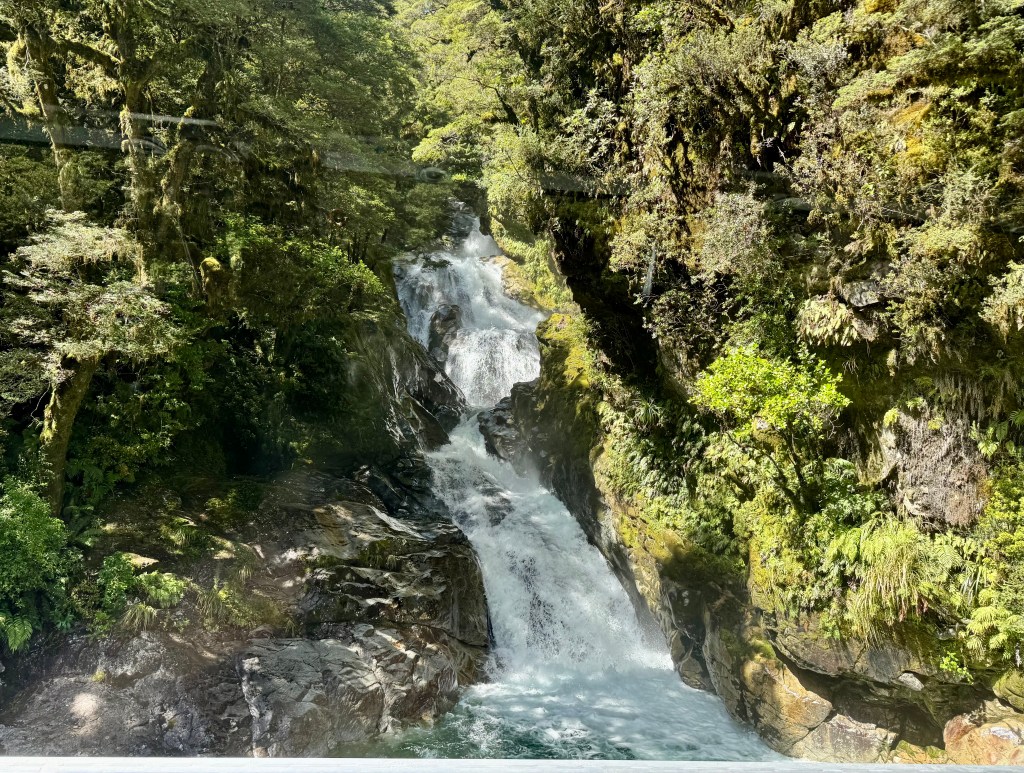
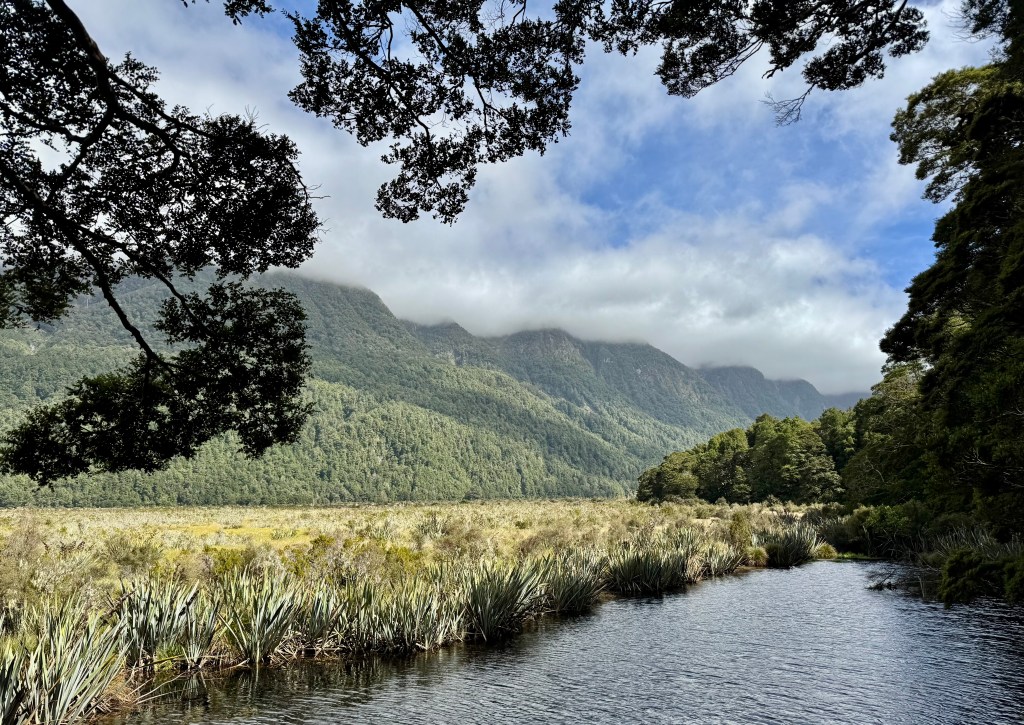
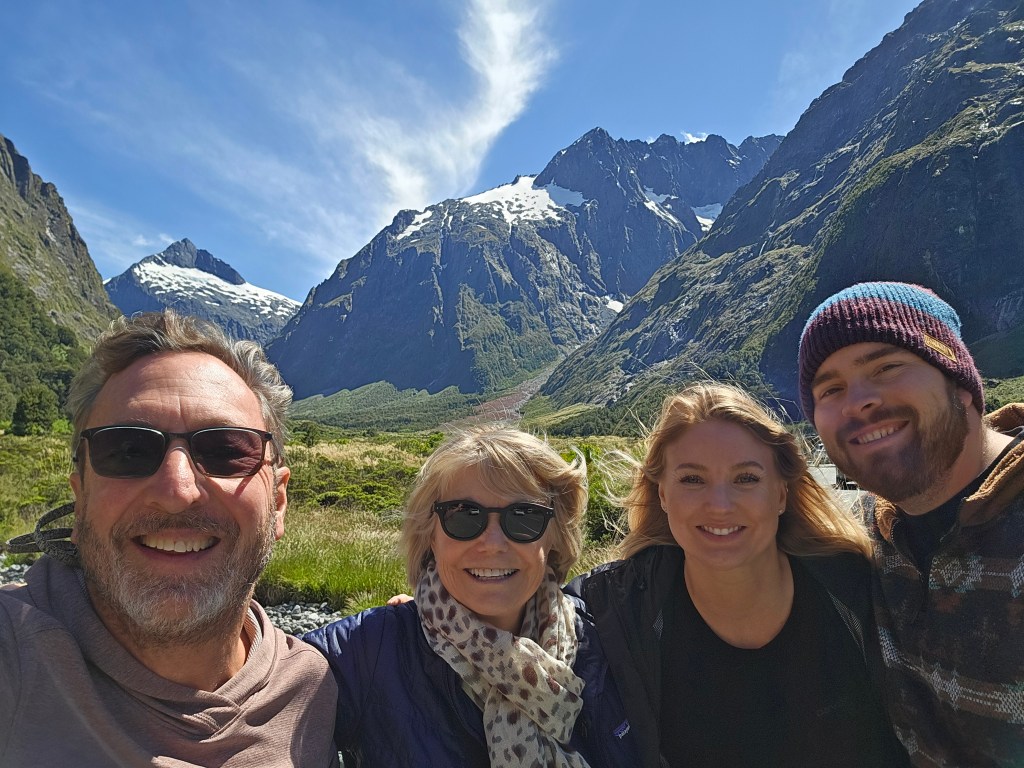
The pictures above are from Milford Sound and the drive there.
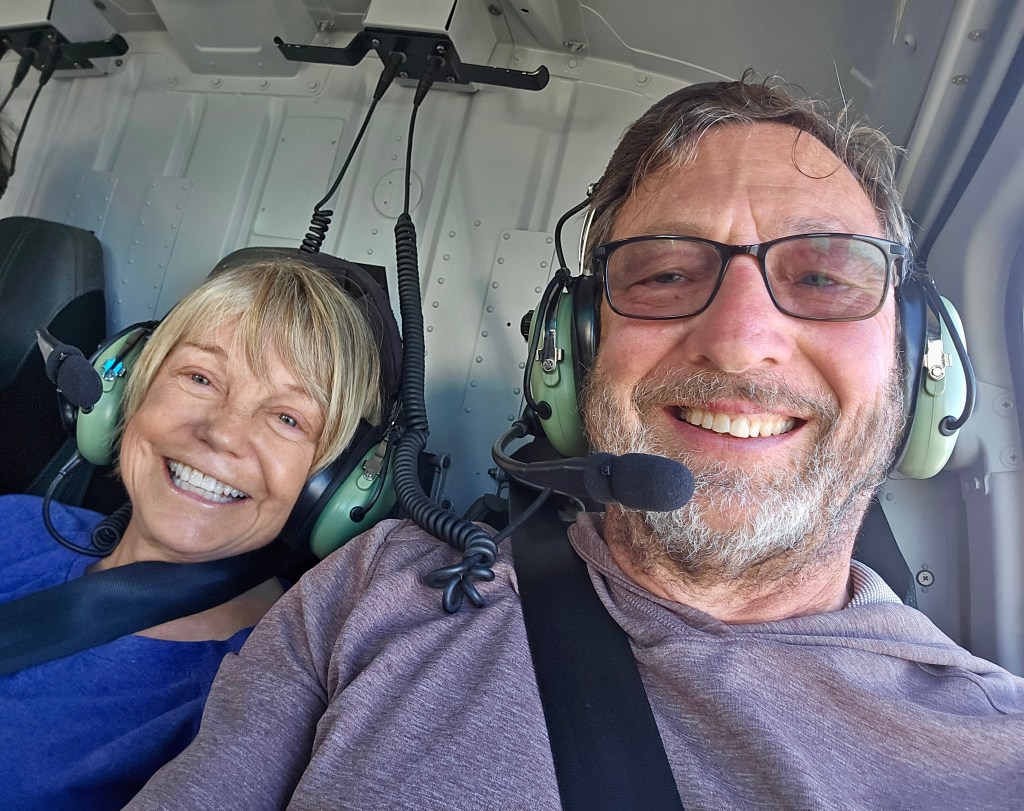
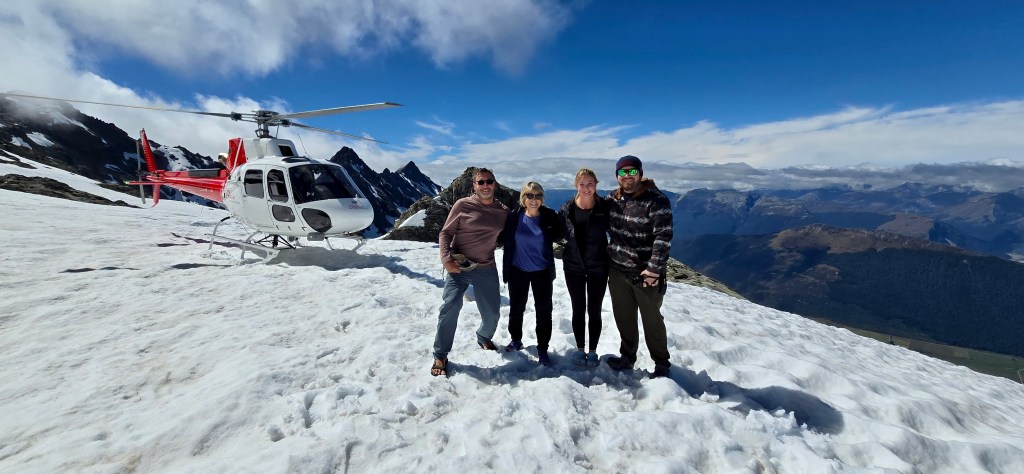
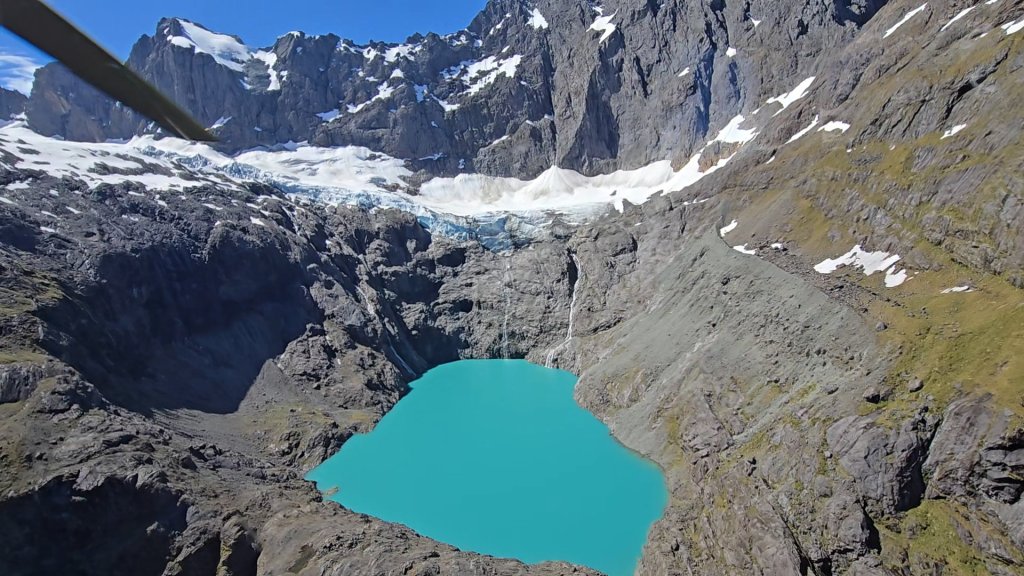
At the end of the tour, Tracy surprised us with a helicopter ride back to Queenstown. It turned out to be the highlight of the tour. It was a beautiful day, and our pilot Alfie was able to land on a glacier on one of the mountain tops where we were able to leave the helicopter and walk around a bit. It was truly an amazing day!
Captured a few photos from the helicopter and on the glacier.
We were sad to leave Queenstown but excited to get to our next stop: Dunedin.
We stopped on our drive to Dunedin to see the Roaring Meg Hydro scheme-a 10 meter hight dam. 3.6 kilometers up the Roaring Meg. It feeds two generating stations with a combined output of over 4,000 kilowatts.
We found Dunedin to be a sleepy town compared to Queenstown but has its own special charm. It was established in 1848 by the Lay Association of the Free Church of Scotland. A gold rush in the Otago province during the 1860s caused Dunedin’s population, and wealth, to increase dramatically. For several years it was New Zealand’s largest and most prosperous city. The University of Otago, New Zealand’s oldest, was founded in Dunedin in 1869, and since then students have made a major contribution to the city’s unique character.
Fun Facts & Highlights
World’s Steepest Street: Baldwin Street is famously known for its extreme slope, often featuring in local challenges.
Architecture: The Dunedin Railway Station is the most photographed building in New Zealand and a prime example of Flemish Renaissance style.
Wildlife: The Otago Peninsula is a world-renowned eco-tourism destination, hosting the only mainland breeding colony of Royal Albatross.
“Little Scotland”: The city celebrates its heritage with annual festivals, pipe bands, haggis, and a thriving student culture.
After checking into our lodging, we made our way into town and walked around looking for a place to have dinner. We discovered the ‘Octagon’ which is shaped like its title and has an array of restaurants, cafes and shops.
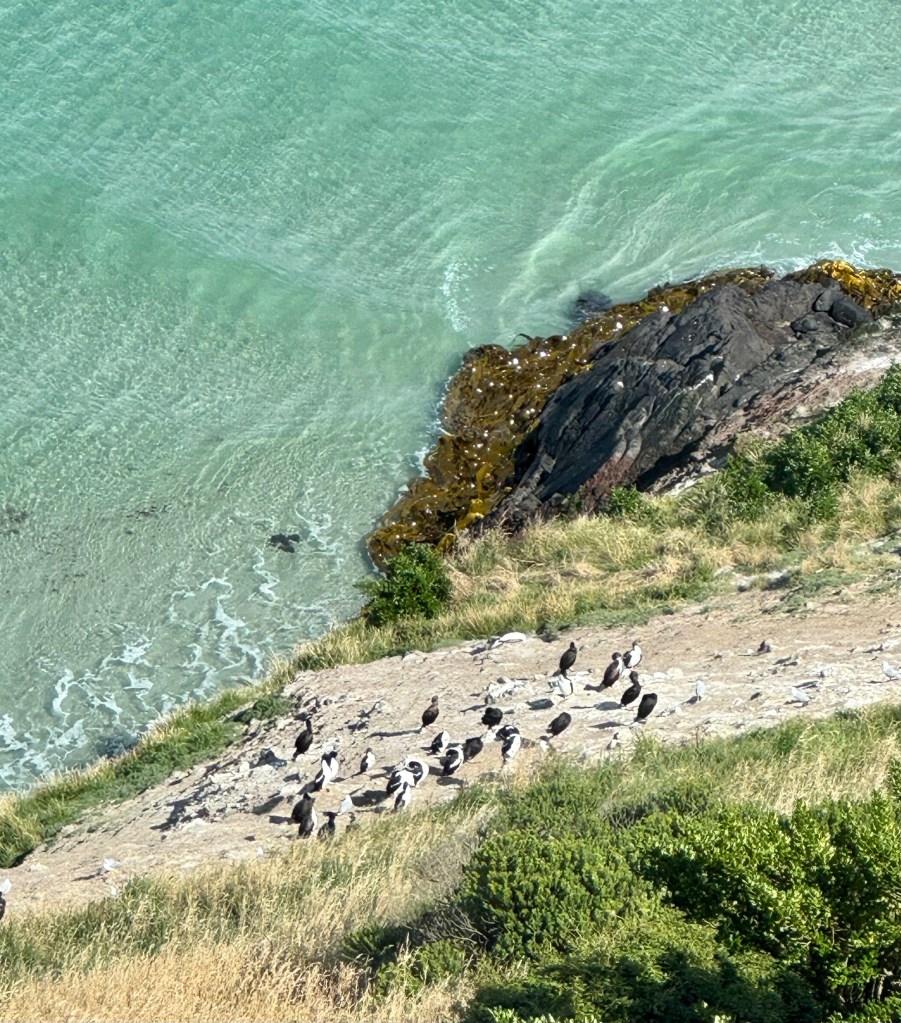
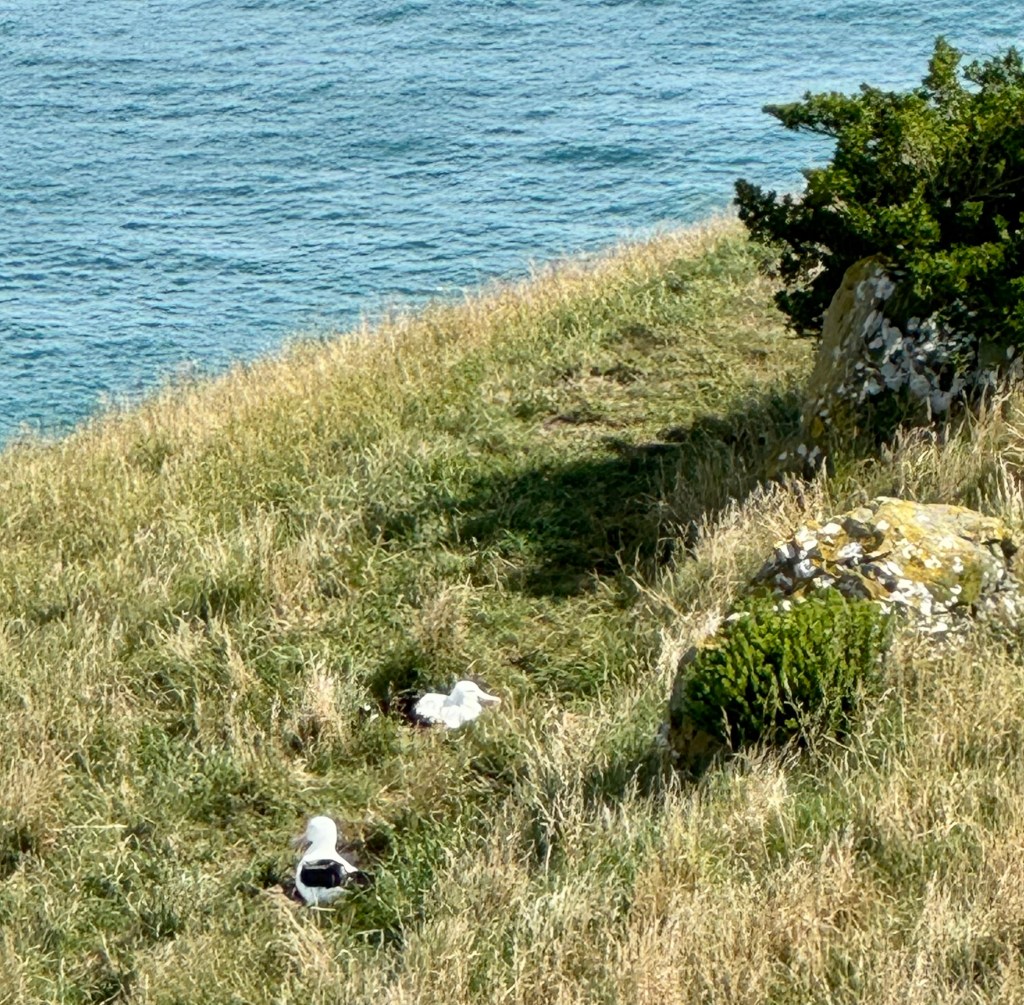
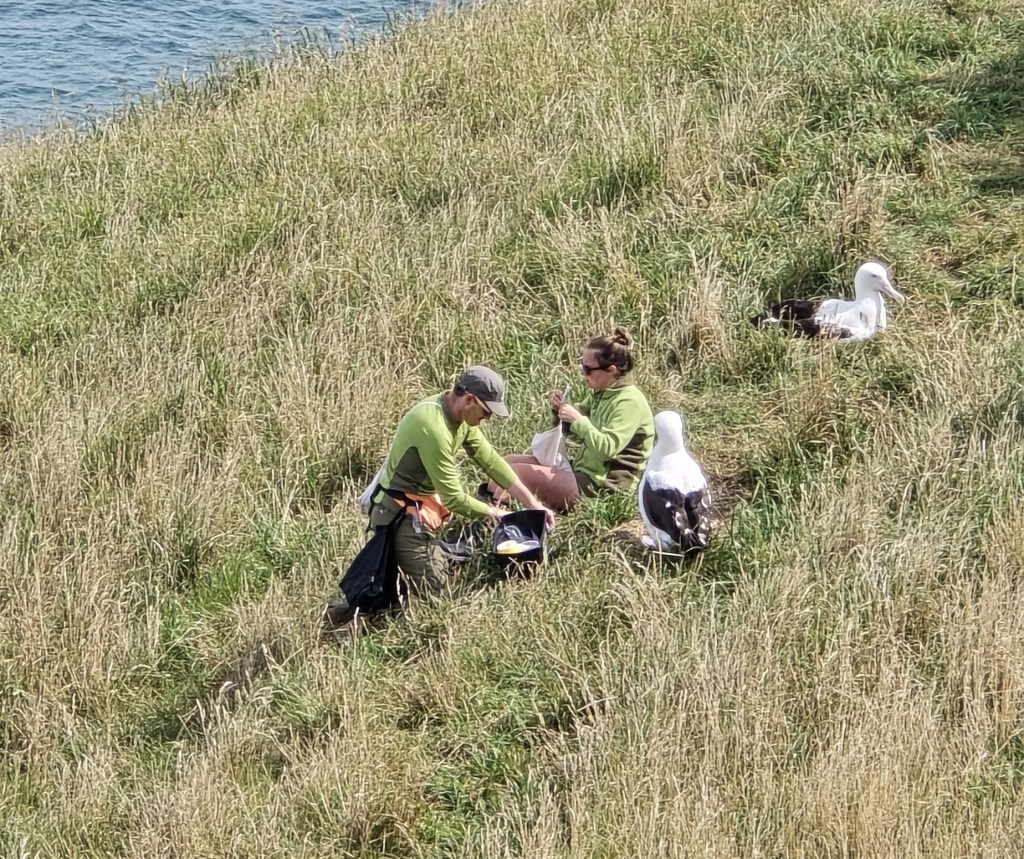
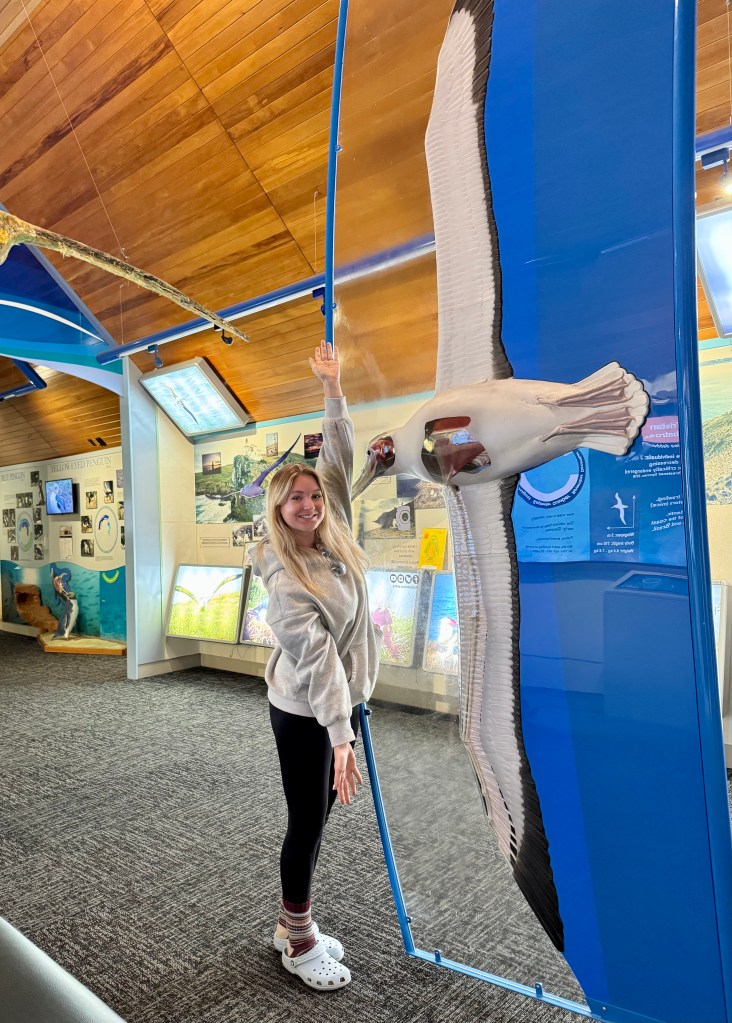
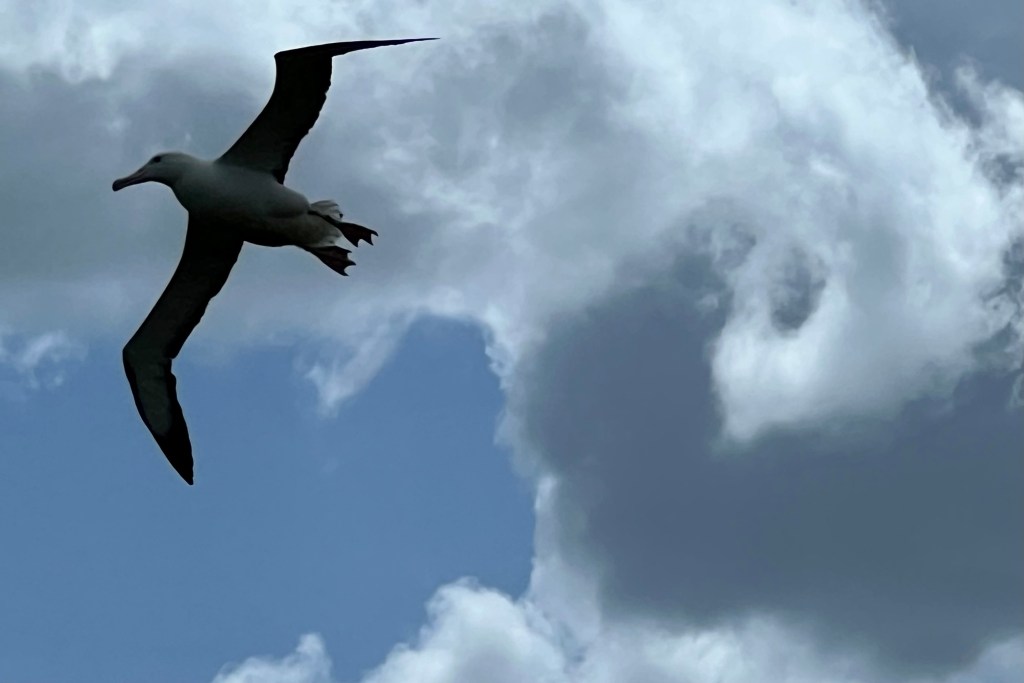
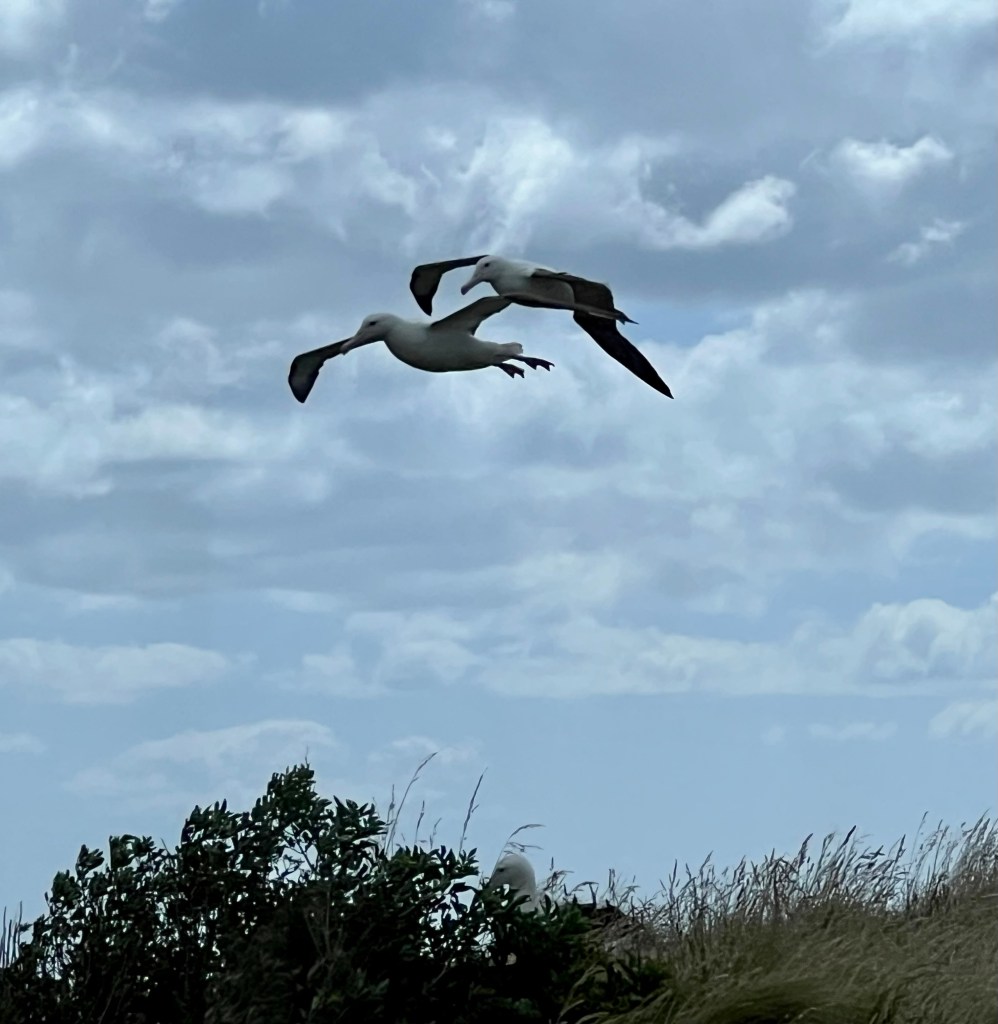
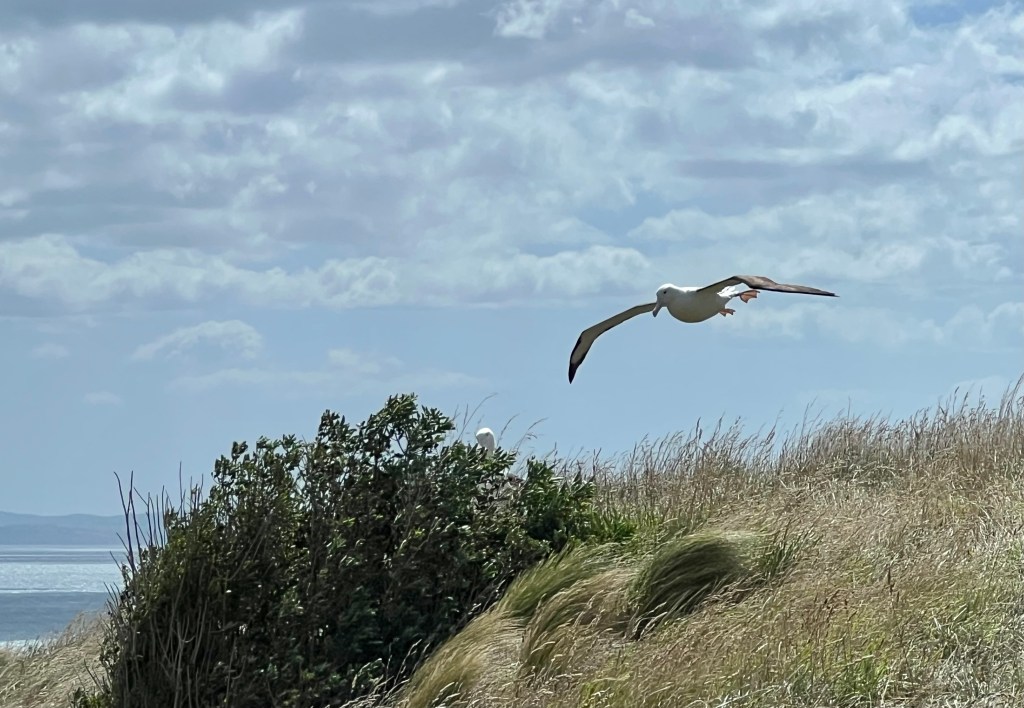
On our second day in Dunedin, we headed to our tours to view the albatross and penguins. Our first stop was the Albatross Center. Albatrosses are the world’s largest seabirds. They usually breed on remote offshore islands and spend at least 85% of their lives at sea, well away from land and humans. Dunedin’s Taiaroa Head is the only mainland Royal Albatross breeding colony in the world. These birds are also a taonga species to Māori, highlighting cultural significance and importance.
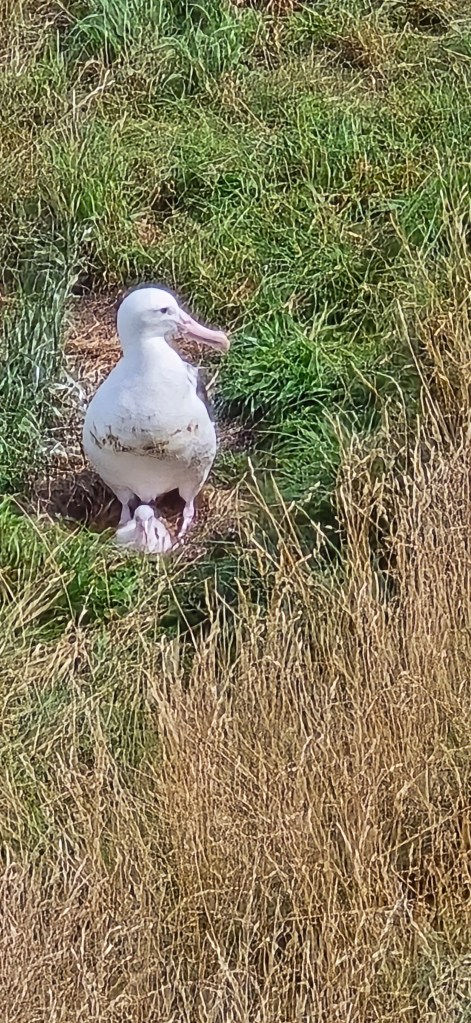
Fortunately for us this season, there were at least three albatross nesting on view from the glassed observatory during our tour. Our tour consisted of a 60 minute fully guided tour; starting with a presentation about the Northern Royals by our guide and a short film by Natural History NZ, followed by a short walk up the hill where we were able to view the albatross without intruding on them. We saw some of the parents sitting on their eggs, as well as a couple of babies.
We learned a lot about these birds during our tour:
Wingspan and Flight: They can glide for hours without flapping their wings, using a technique called dynamic soaring to travel thousands of kilometers.
Lifespan: They are among the longest-living birds, with some individuals living over 60–70 years.
Breeding and Lifelong Pairs: They mate for life, returning to the same nesting sites on remote islands to breed and performing intricate courtship dances. They typically lay only one egg, which both parents incubate.
Oldest Bird: A Laysan albatross named “Wisdom” is the oldest known wild bird, still breeding at over 70 years old.
Diet: They eat fish, squid, and krill, often following fishing boats for scraps. They can smell food from up to 12 miles (19 km) away.
Threats: Almost all 22 species are threatened with extinction, mainly due to longline fishing bycatch, plastic pollution, and introduced species like rats attacking nests.
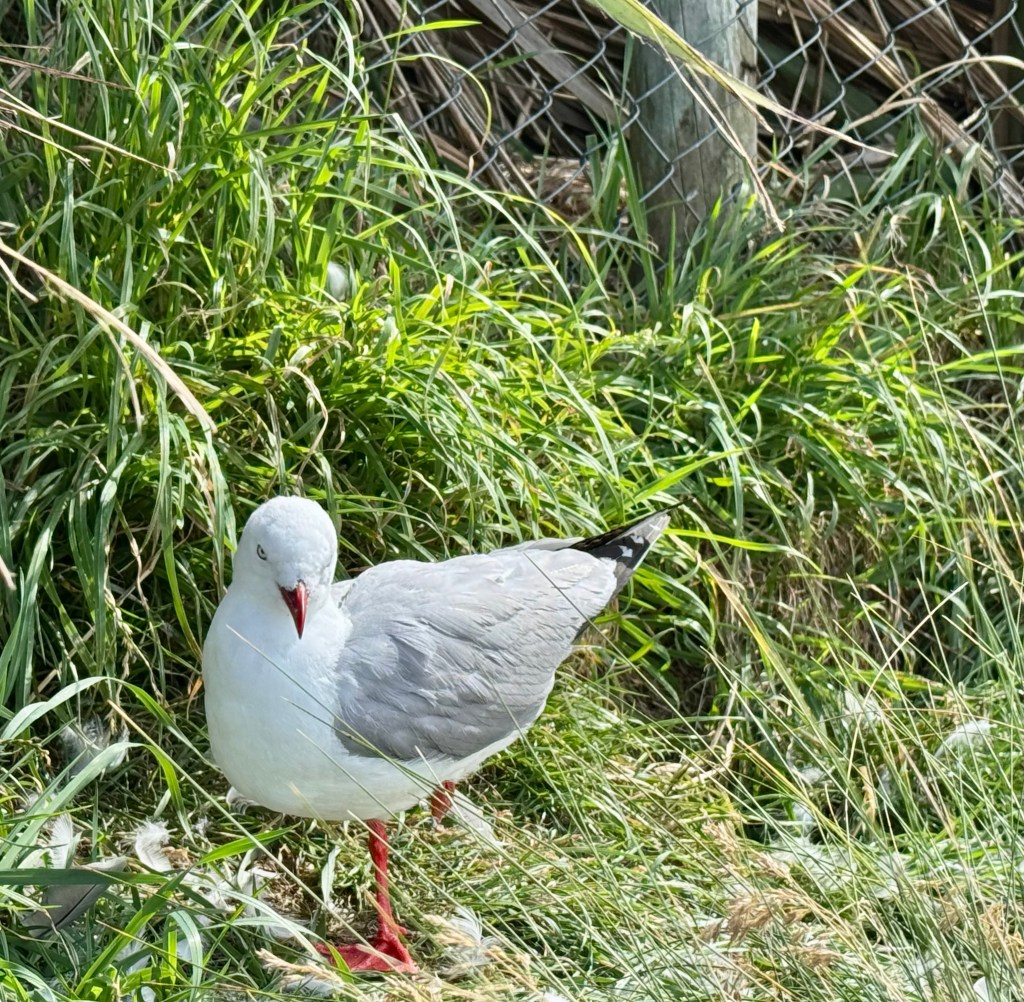
Baby albatross under it’s parent.Volunteers weighing a baby albatross. Gives some perspective on the size of these beautiful birds. Several pictures from the Albatross Center.
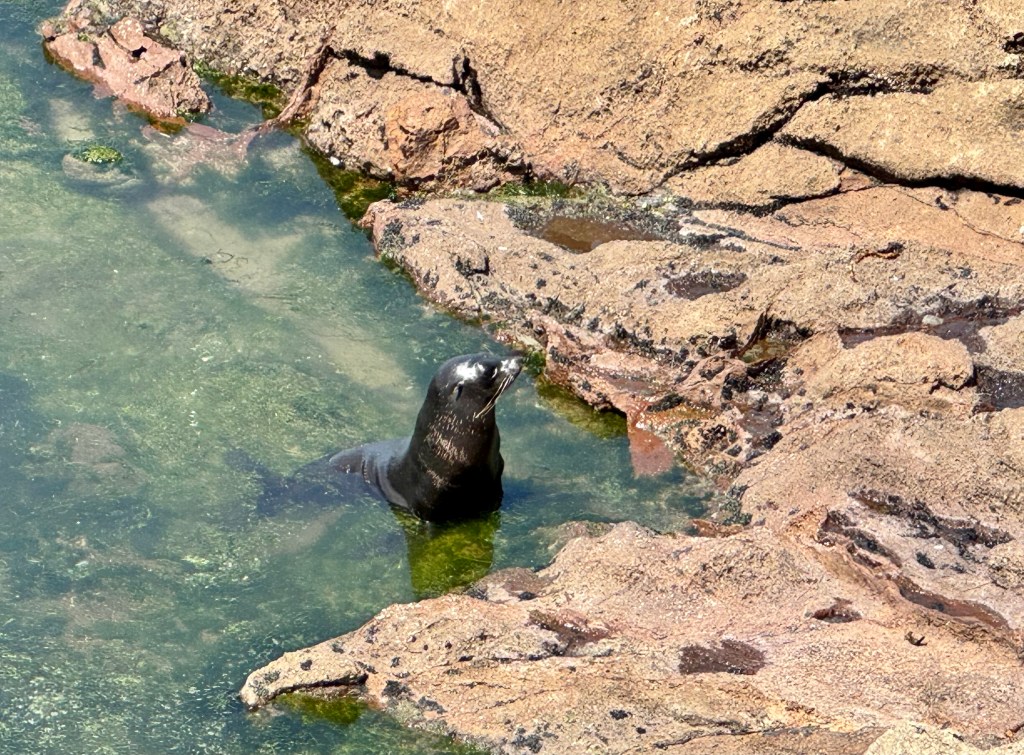
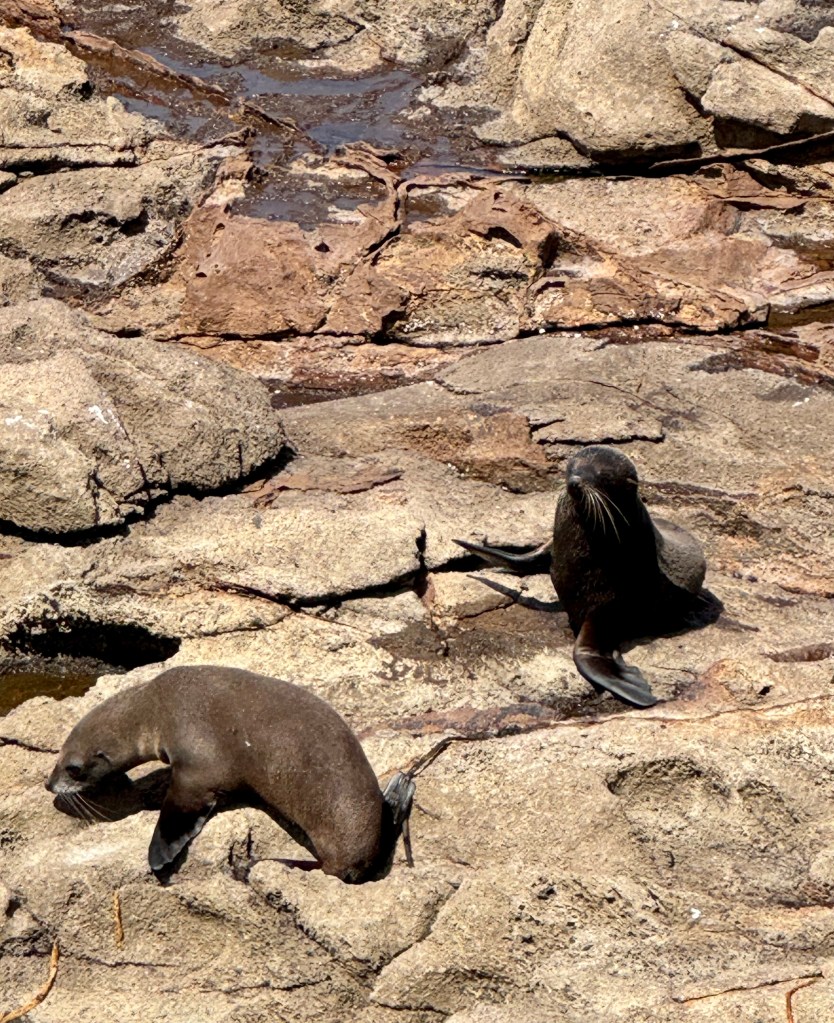
After the albatross visit we drove for about 5 minutes to our next tour at the OPERA (Otago Peninsula Eco Restoration Alliance). It is a private eco-reserve dedicated to conservation, rehabilitation, restoration and education of penguins, fur seals, sea lions and other natural wildlife.
Caring for penguins
On average the center cares for more than 250 penguins per year, with the average stay per bird being just over three weeks. During their time in rehab, they care for the needs of each of the penguins and work to get them up to a target weight and health level to then be released back into the wild. Their staff of trained professionals work diligently to keep the penguins as stress free as possible while in captivity, ensuring as little engagement with humans as is necessary.
Unfortunately, due to the challenges such as disease, climate change, fish shortages, habitat encroachment and other human caused elements, we are seeing some birds in the rehab more than once, with some coming through rehab three or more times.
The tour we enjoyed was called the Wildlife and Conservation tour and consists of three parts;
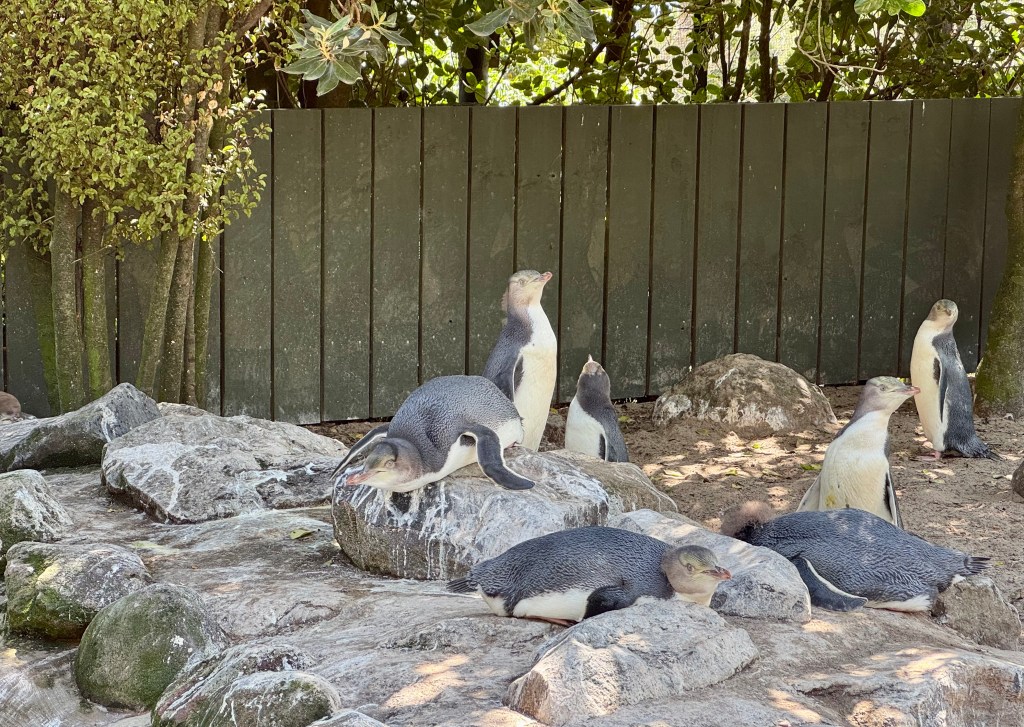
We started in their theatre space, where we heard the inspiring conservation story that began in 1985 with the endangered, yellow-eyed penguin (hoiho). This initiated a broader movement to protect native wildlife and restore balance to the ecosystems of the Otago Peninsula.
Next, we explored the reserve on a short bus ride, and a guided 1.25-mile nature walk. We discovered coastal and forest habitats while learning about OPERA’s predator control work, planting initiatives, and the many native species we monitor and protect—from penguins, fur seals, sea lions, to seabirds and lizards, invertebrates, and native flora.
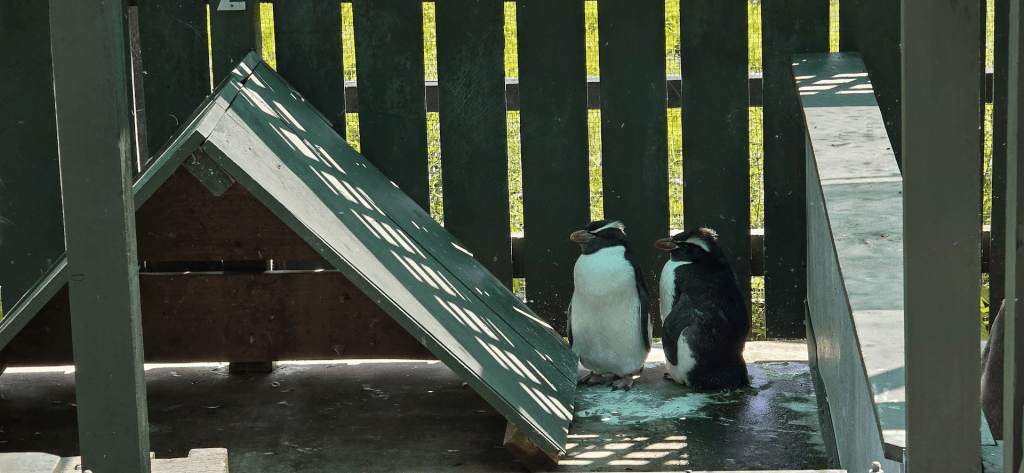
Last, we visited the rehabilitation center where we were able to observe about 50 penguins of different breeds. Our guide shared a few reasons as to why penguins are placed in rehab; their weight is too low, fix broken wings, and they had one experience where a penguin lost a foot and needed to heal and learn to walk again. Another was a teenager who kept trying to run away.
We highly recommend visiting both the Albatross and the OPERA centers. It’s a great way to learn about these birds and our tour payment goes back to the center to help fund their continued care.
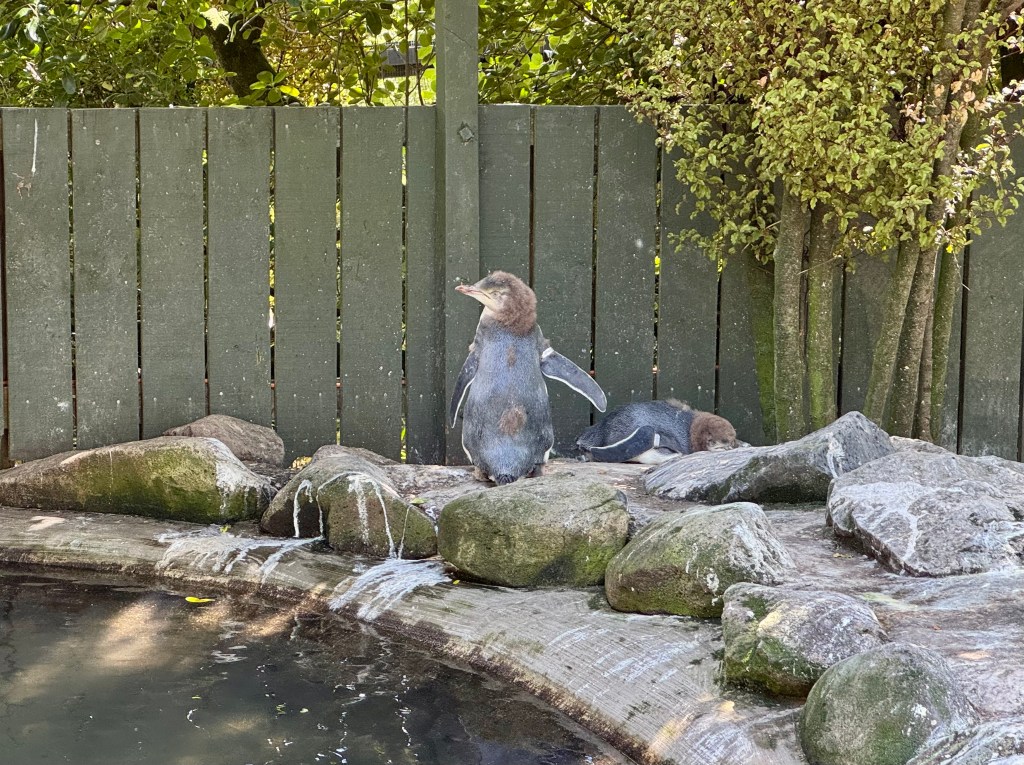
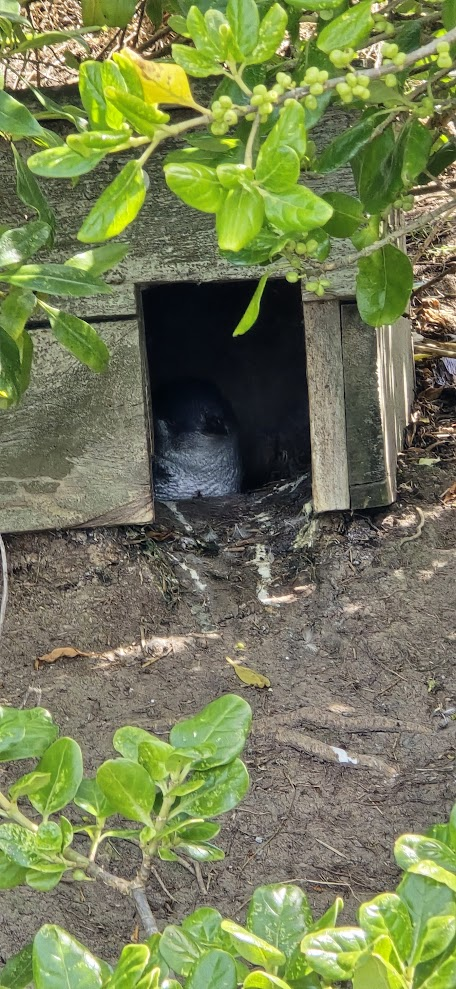
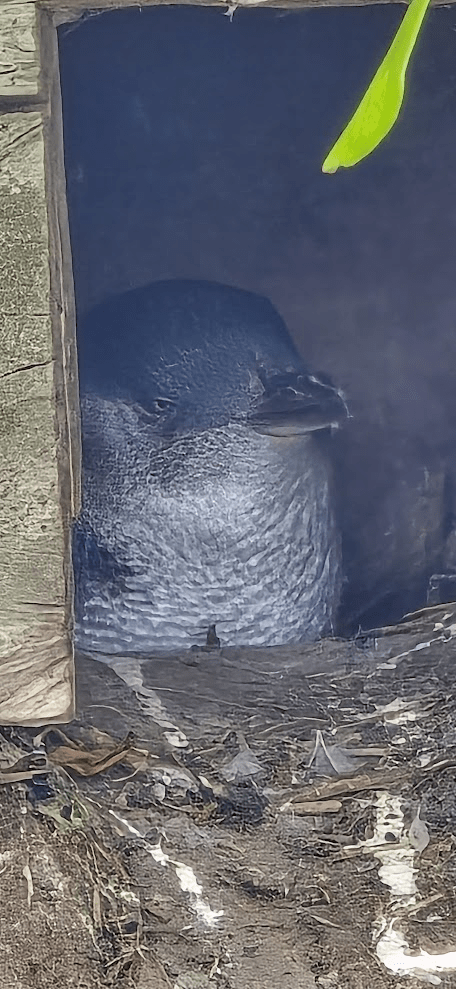
Pictures from the OPERA tour.Little Blue Penguin in it’s nesting boxClose up of the little blue penguin in it’s nesting box
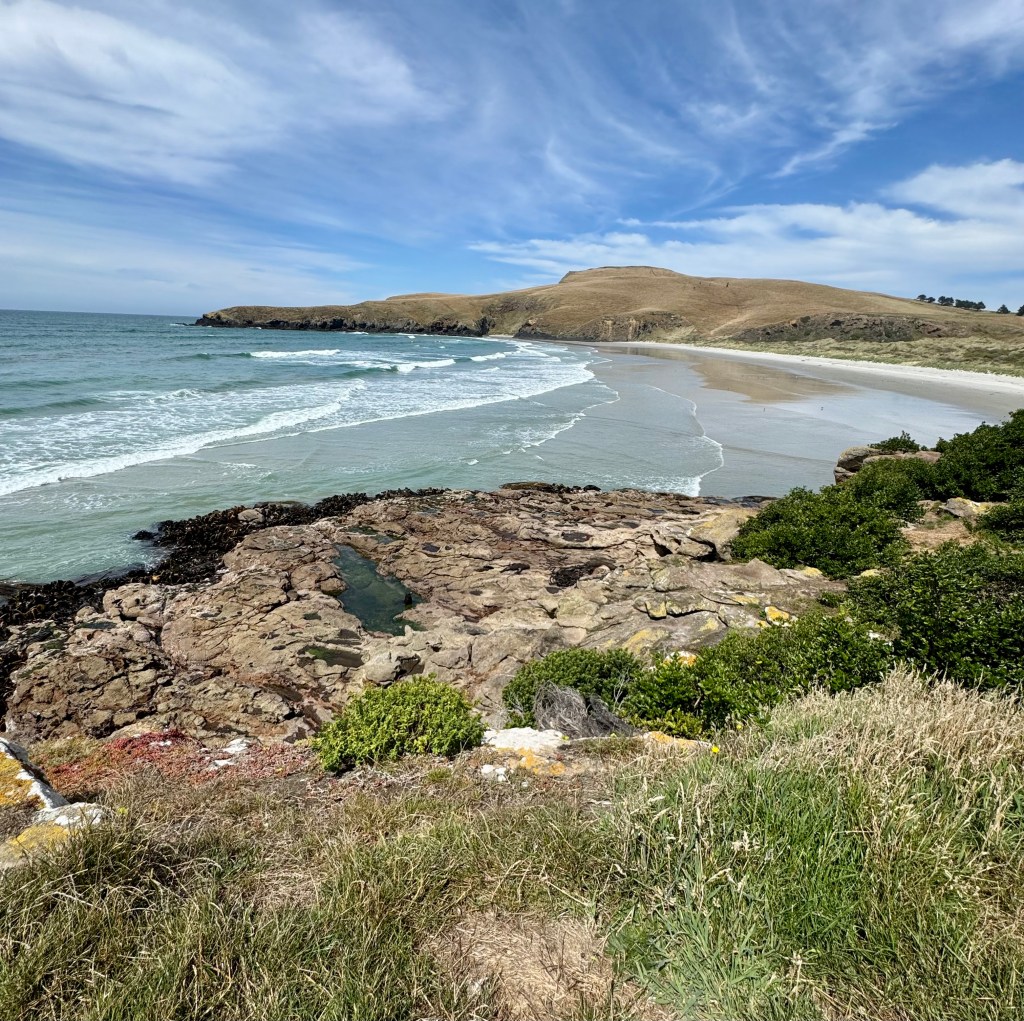
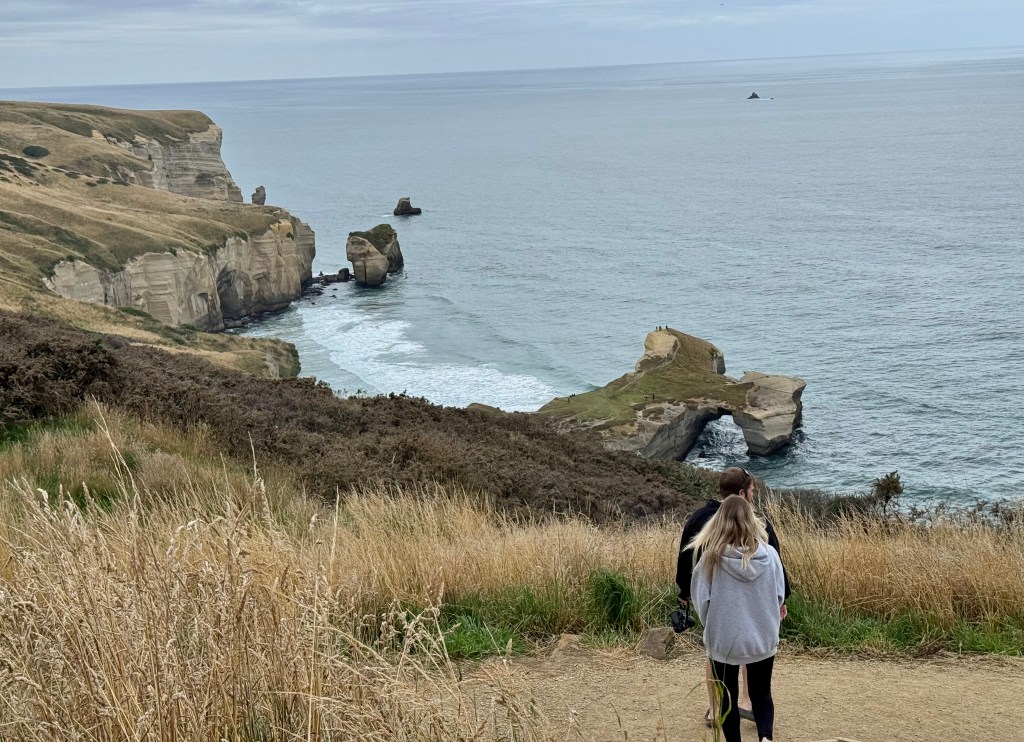
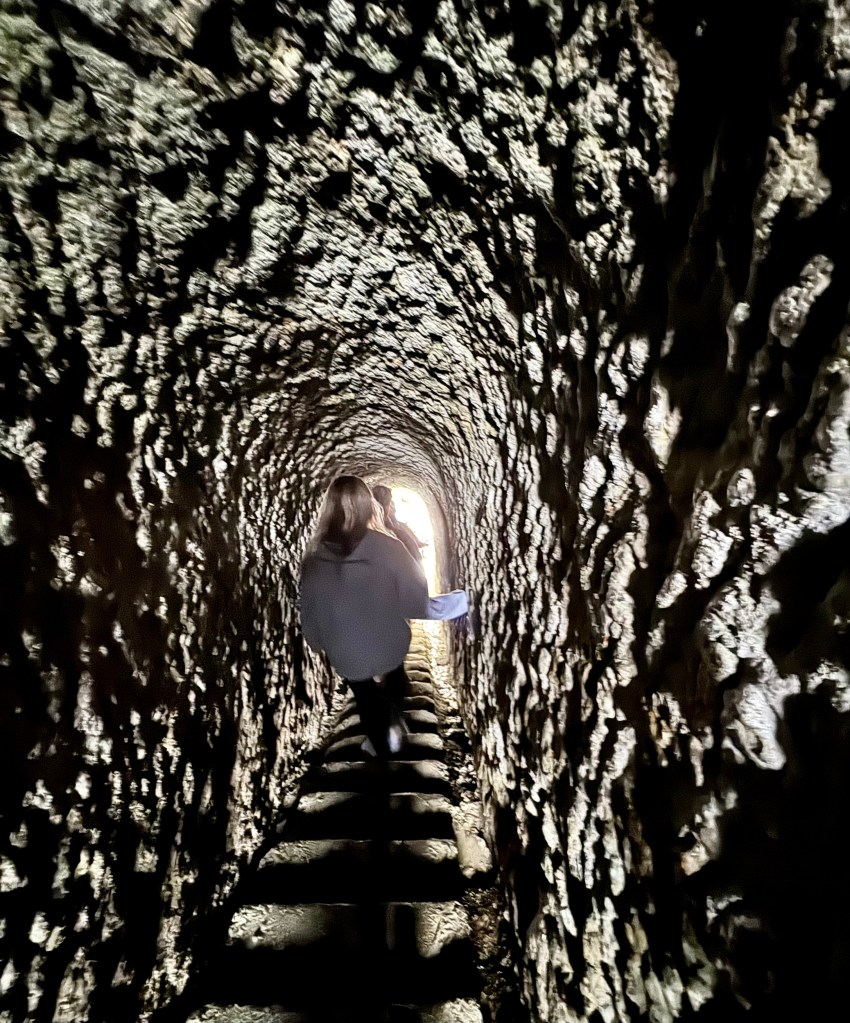
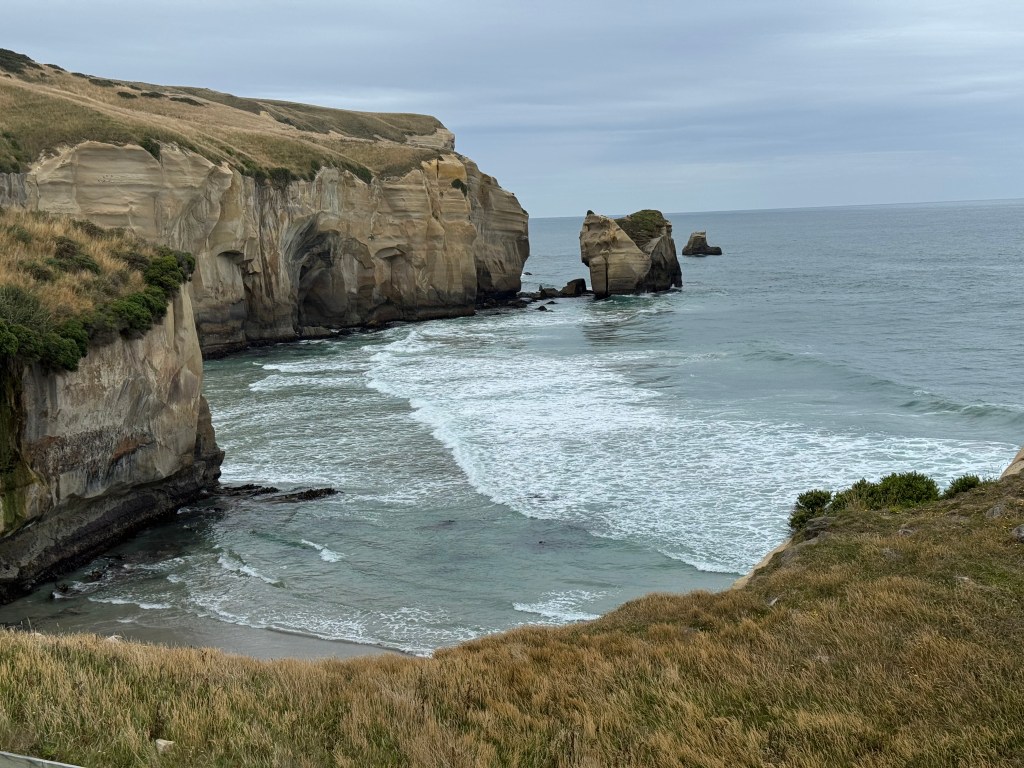
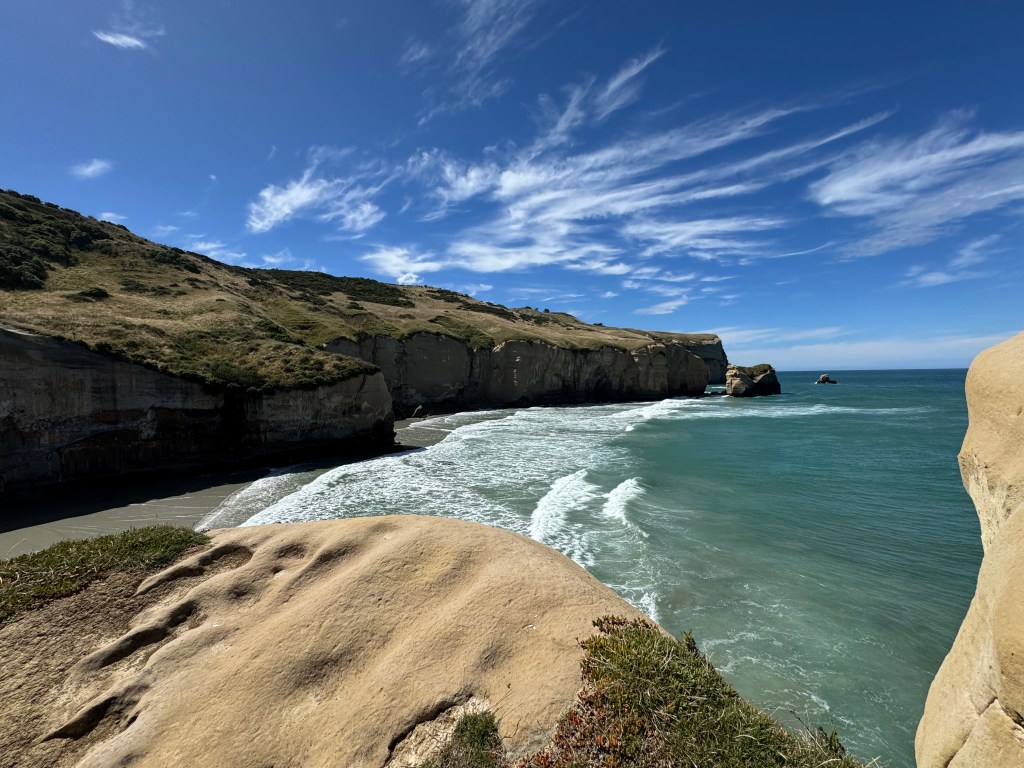
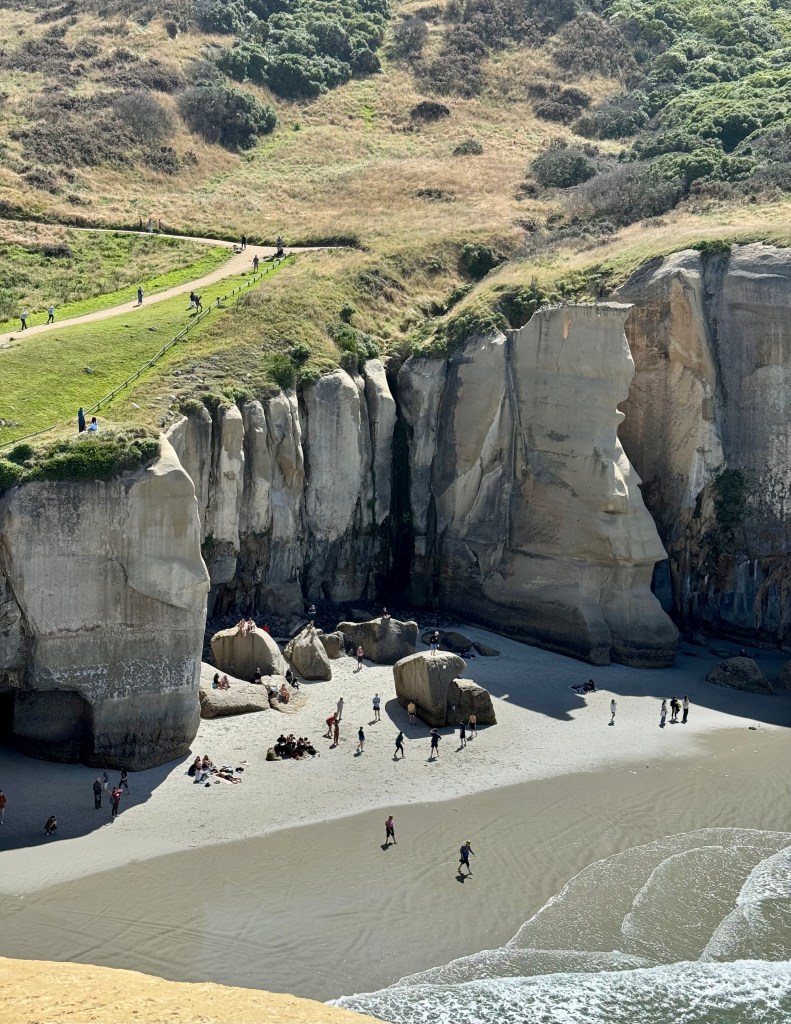
Our last day in Dunedin was spent driving to a few beach areas for hiking and sightseeing. Tunnel Beach was our favorite!
Enjoying Brighton Beach!Photos above are from stunning Tunnel Beach!
It was difficult to say good-bye to Marina and Dakota but we didn’t have too much time to be sad before more family joined us 5 days later. We met my sister and brother-in-law at the Auckland airport where we joined them on a flight to Christchurch also on the South Island. This was a new destination for us, and we were excited to discover the area.
Our Airbnb was right in the heart of the city which was very walkable. We spent most of our time on their hop-off/hop-on trolley car to explore the city. One of our many stops was a museum called Quake City.
Here we learned about the 2011 Christchurch earthquake. It was a 6.3 magnitude event that struck on February 22, 2011, at 12:51 p.m., causing widespread devastation and 185 fatalities. Occurring at shallow depth beneath the city, it triggered severe infrastructure damage, extensive liquefaction, and significant building collapses, including the CTV building, making it one of New Zealand’s darkest days.
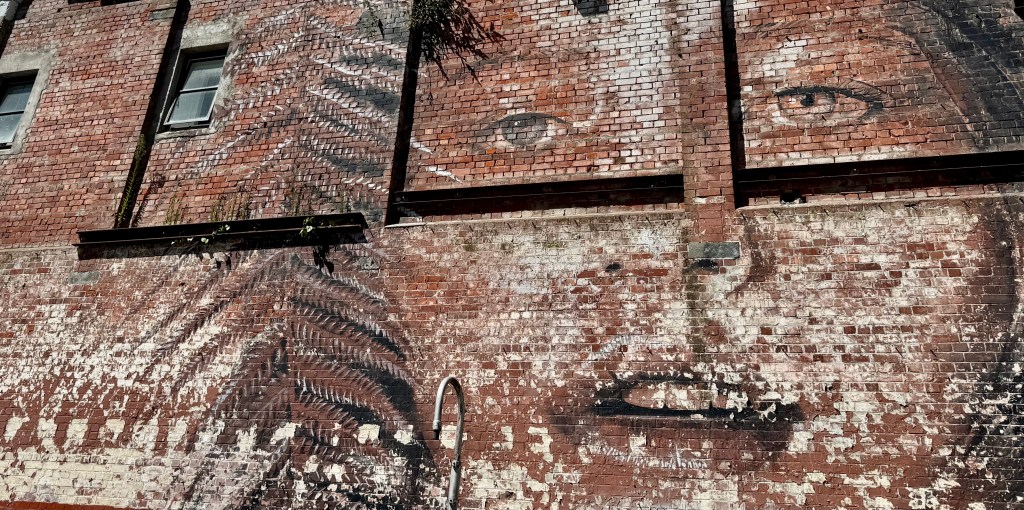
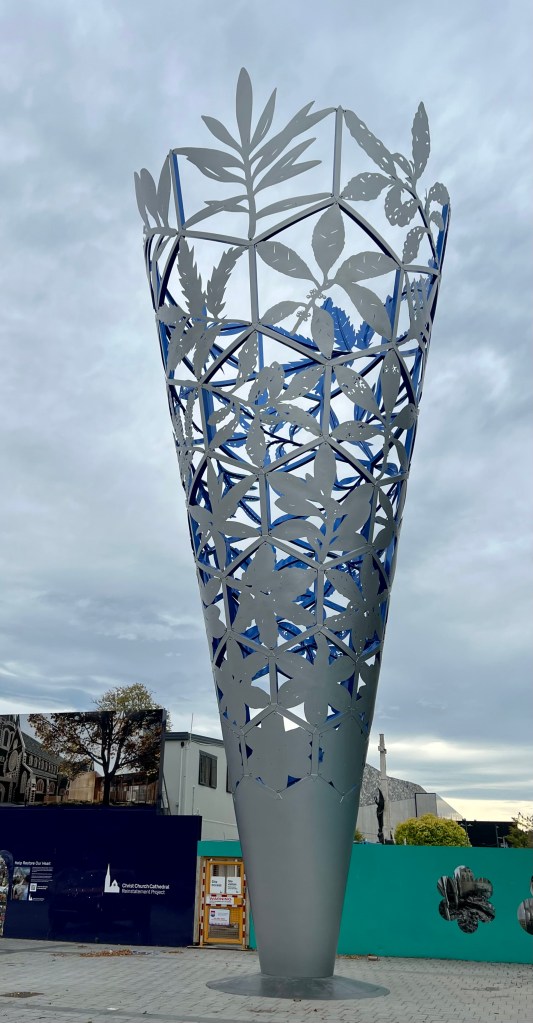
One of the museum’s staff shared that due to the devastating earthquake, the city had to rebuild much of the downtown area. It is now better than ever with earthquake-resistant buildings, beautiful architecture and incredible artwork throughout.
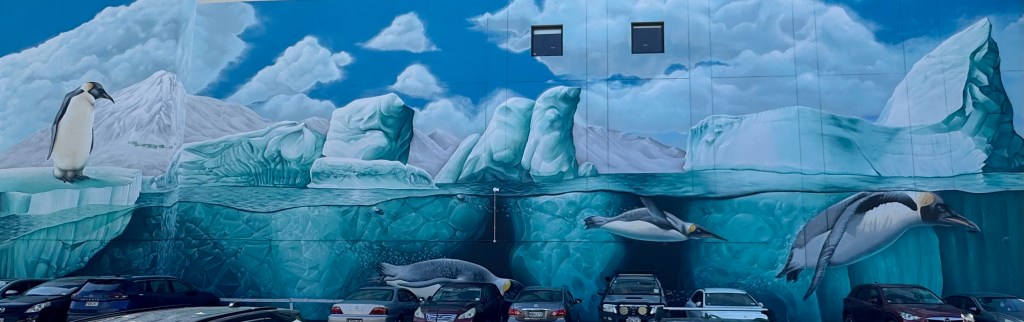
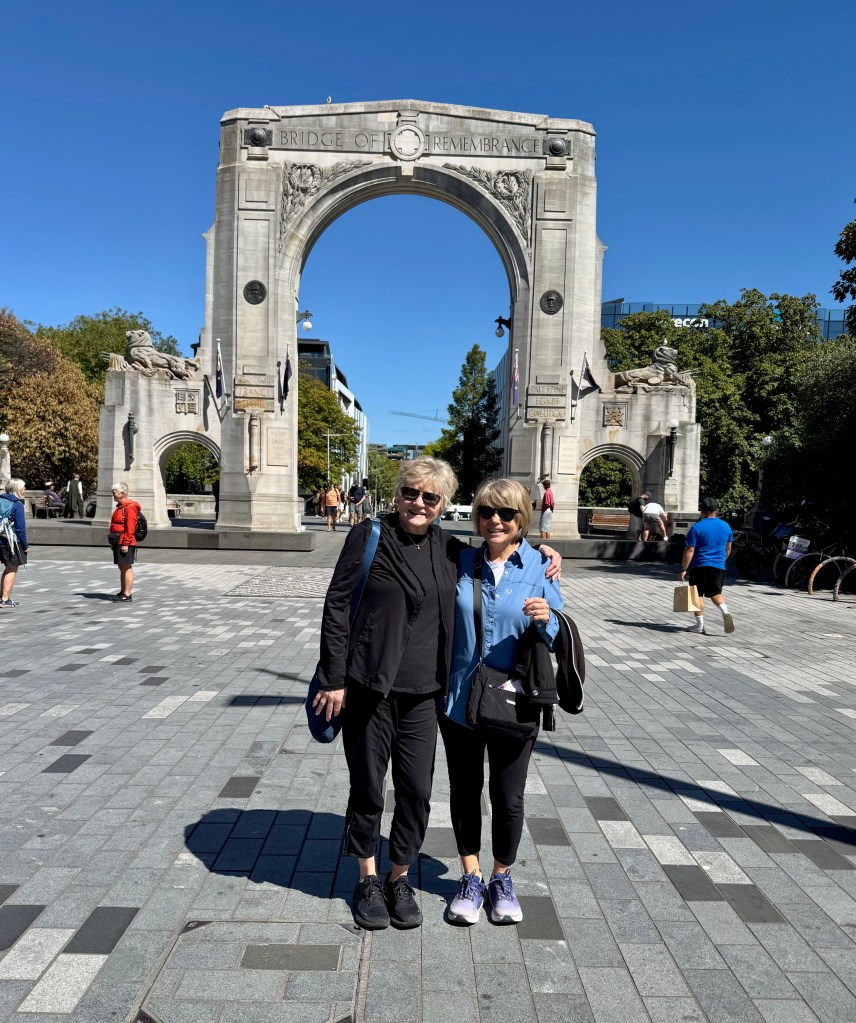
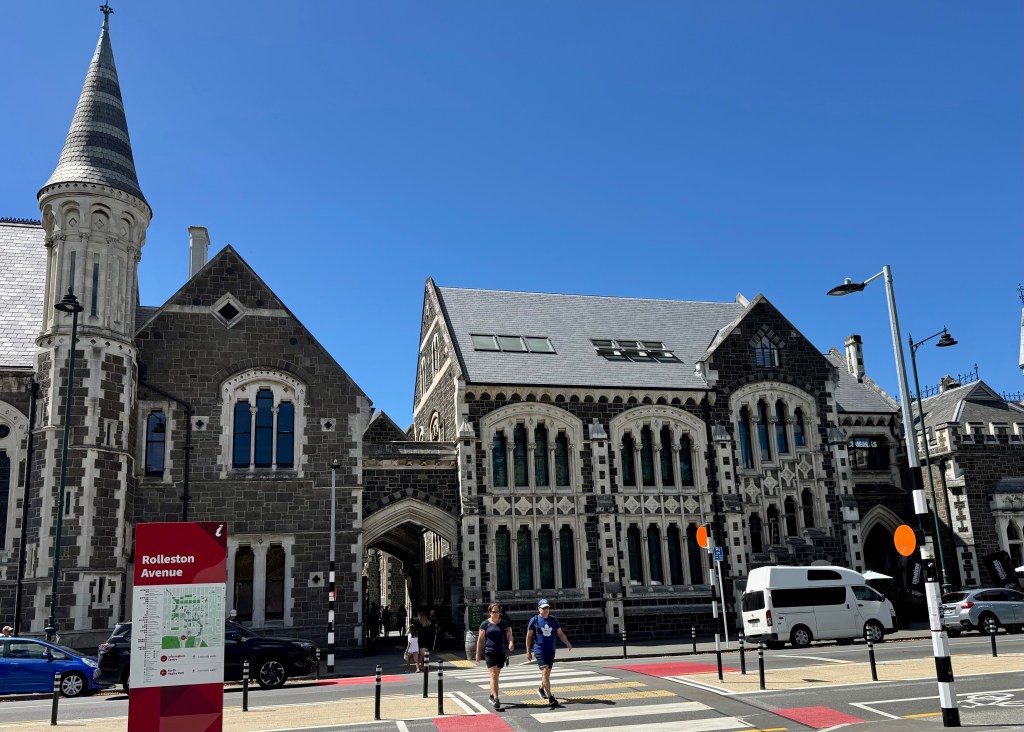
We loved the murals and art structures in Christchurch.The Bridge of Remembrance is a War Memorial dedicated to the people who died in World War I.Established in 1867, this landmark building houses vast collections covering Māori history, the settlement of Canterbury, and Antarctic exploration.
Next, we visited the International Antarctica Center. Christchurch is one of five cities in the world known as a ‘gateway to Antarctica.’ This is far more than an empty title. The garden city acts as a conduit to the icy continent, sharing and championing Antarctic geography, history and culture.
In 1990 Christchurch International Airport saw the need for a visitor center to Antarctica. The airport wanted a complex that could show people why the airport was so important to the Antarctic scientific programs, and why these programs and the continent were so important to the world.
Since opening in 1992, the International Antarctic Center has welcomed millions of visitors, steadily introduced exciting new exhibits and experiences and won plenty of awards and much recognition for work in tourism.
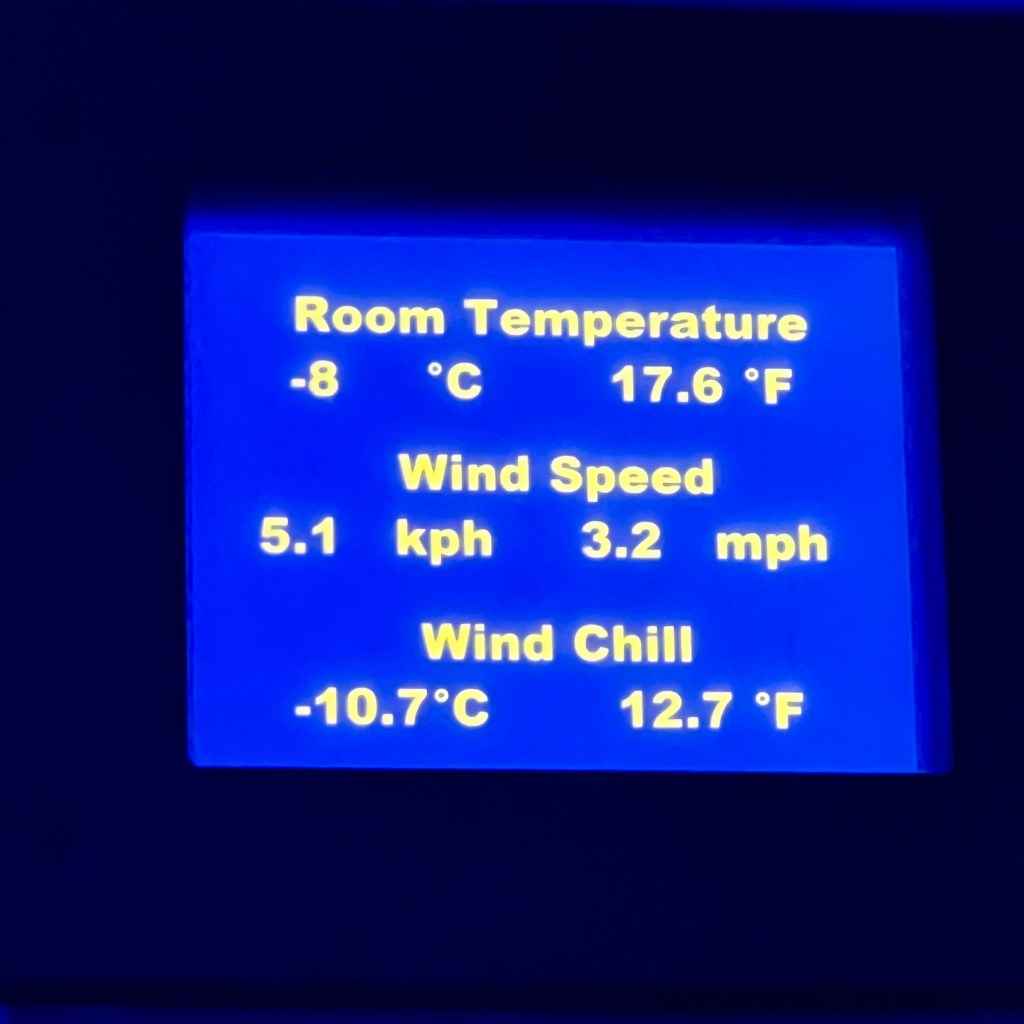
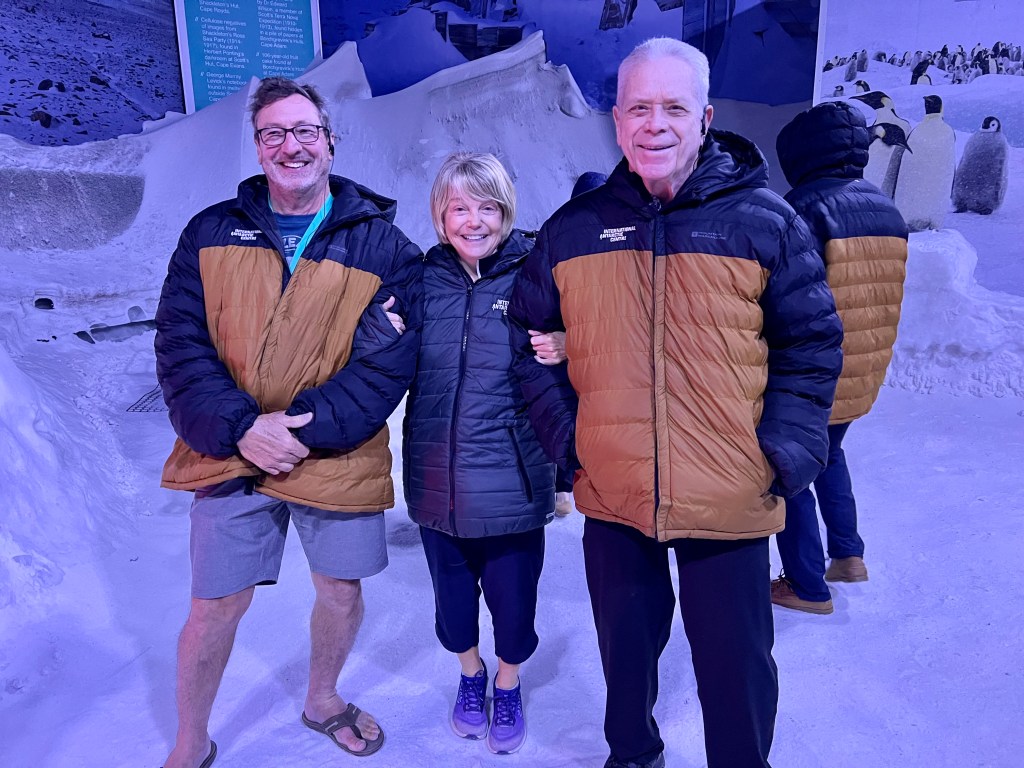
We enjoyed a two-hour fully guided experience with one of our Antarctic Guides. The highlight was experiencing the Antarctic Storm Room and feel the chill of a -8 C windstorm. While they did provide down jackets to wear in the room, it was still extremely cold. Brrrrr! In spite of the cold room, we highly recommend this tour if you are ever in Christchurch.
Photos from the Antarctic Storm Room.
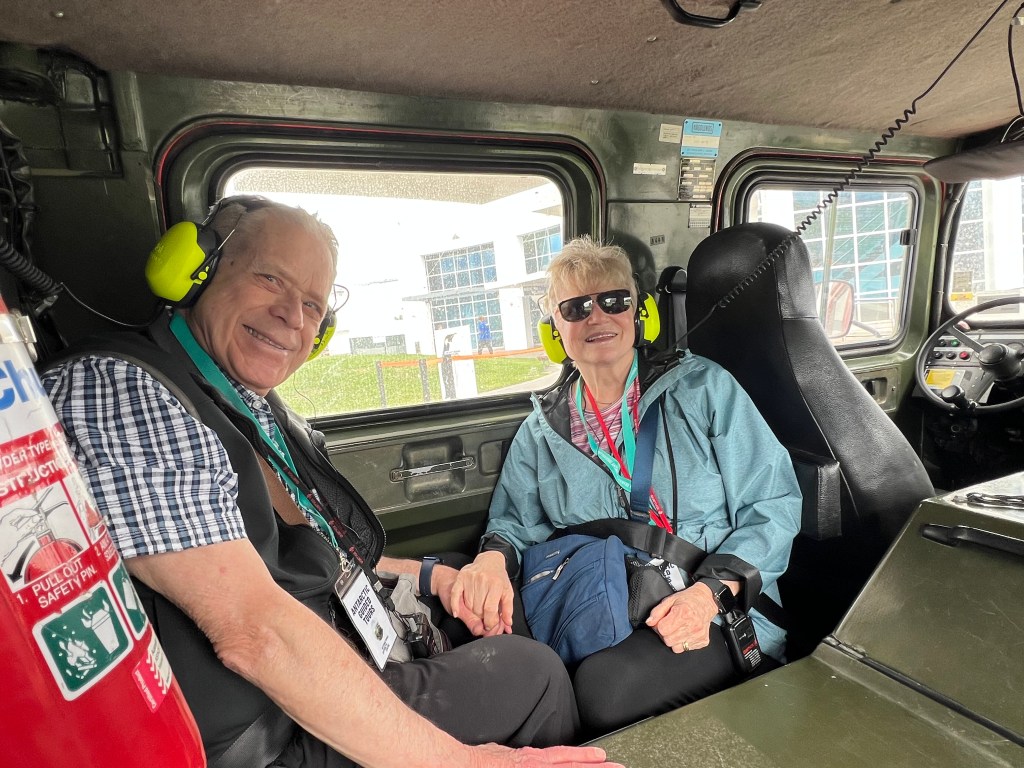
We were also able to experience a ride in a Hagglund which is an amphibious, all-terrain tracked vehicle used in Antarctica for transporting personnel and cargo over deep snow, ice, and frozen sea ice. We bounced around and tried to imagine what it would be like traveling in Antarctica. See photo below.
While we loved Christchurch, it was time to go. Our next visit included a return to Queenstown. We enjoyed a few scenic sites along the way.
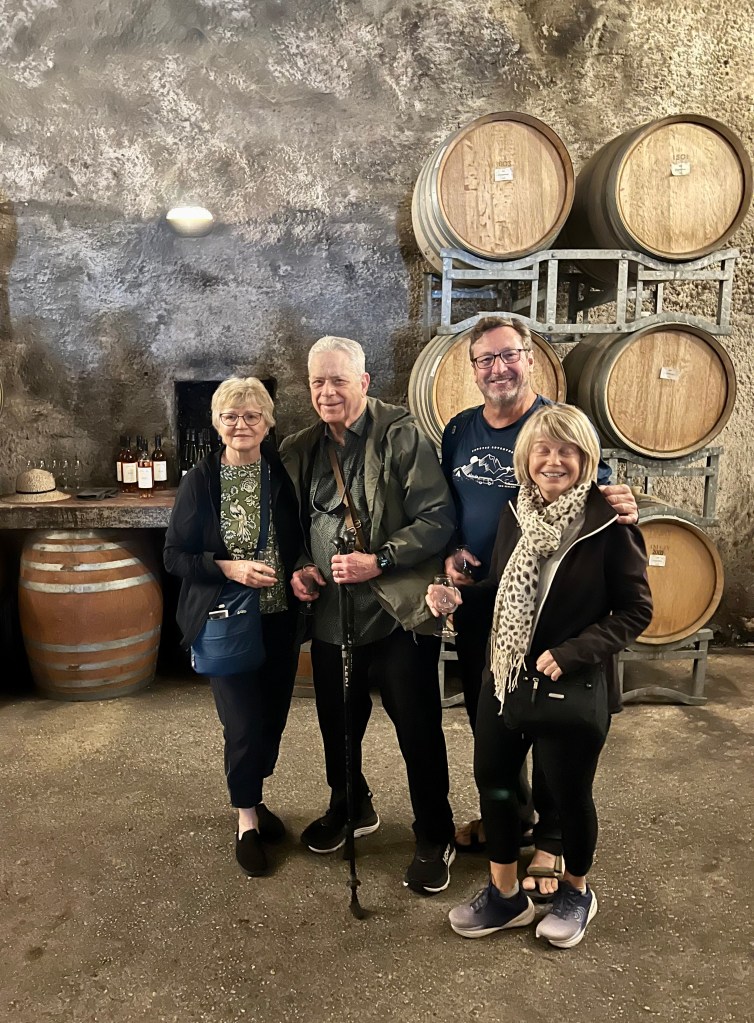
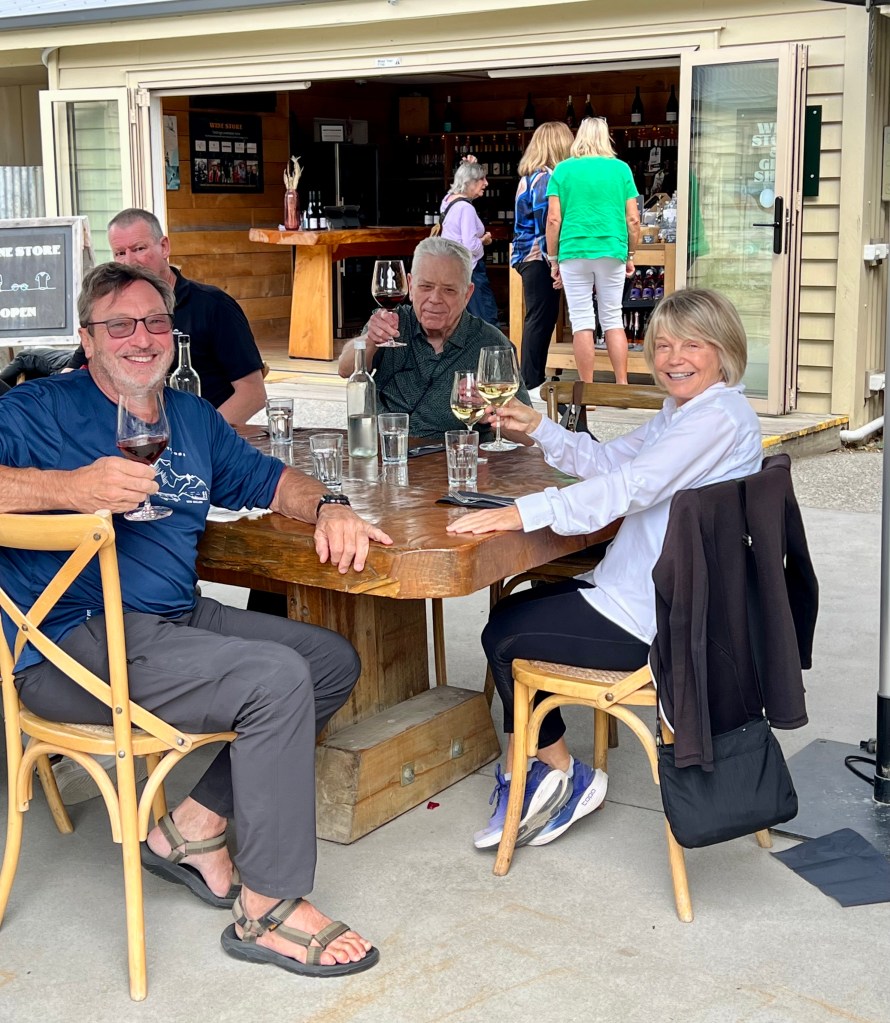
Our first full day in Queenstown, we enjoyed a winery tour in the Gibbston Valley region. We drove to our pick up point and started with Cellar Door for an underground tasting and education about their wines. Next, we went to Kinross Winery where they partnered with 4 other wineries in the region. Gibbston specializes in Pinot Noir wines, but they also had a limited offering Sauvignon Blanc and Rose. We all made a few purchases to appreciate later.
Last, we were treated to a wonderful lunch where they paired our wines with our meal selection. The food and the wine were delicious and overall, we had a great day! Back at the condo, we skipped dinner and went to bed early.
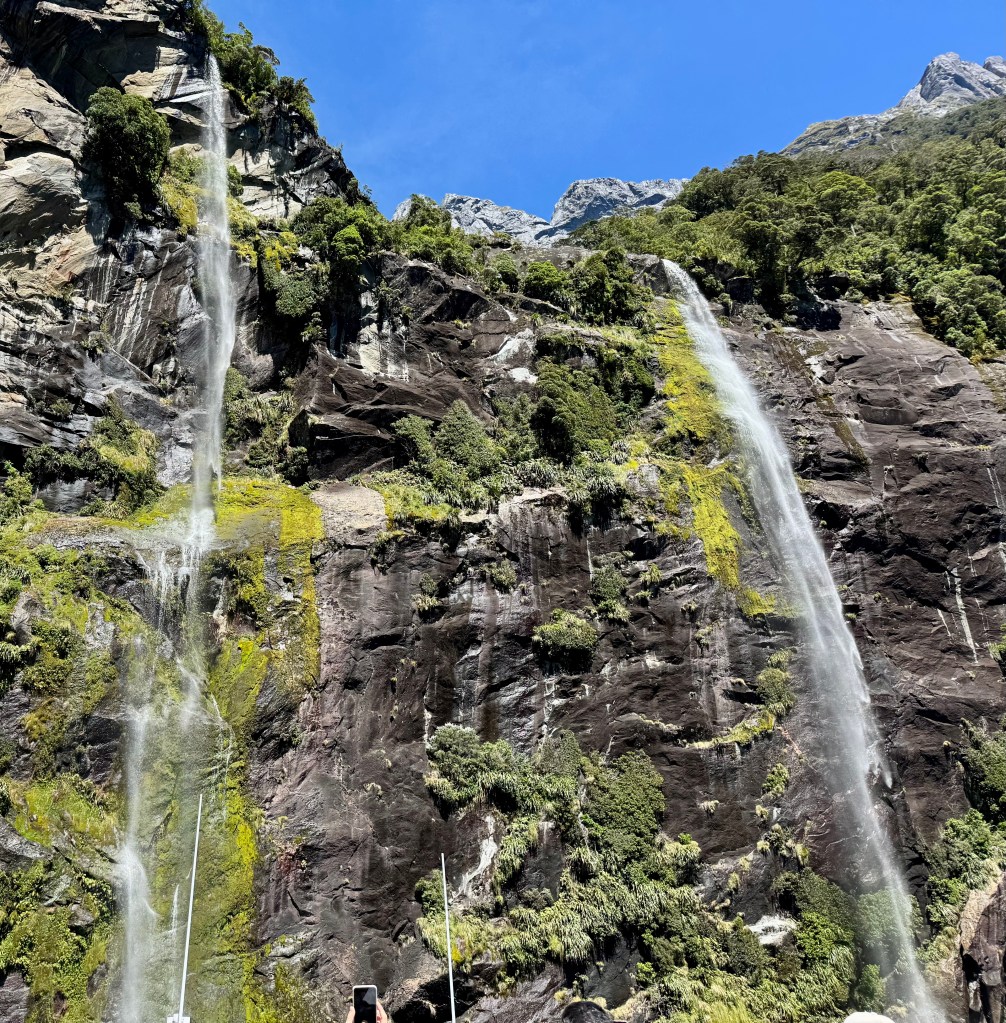
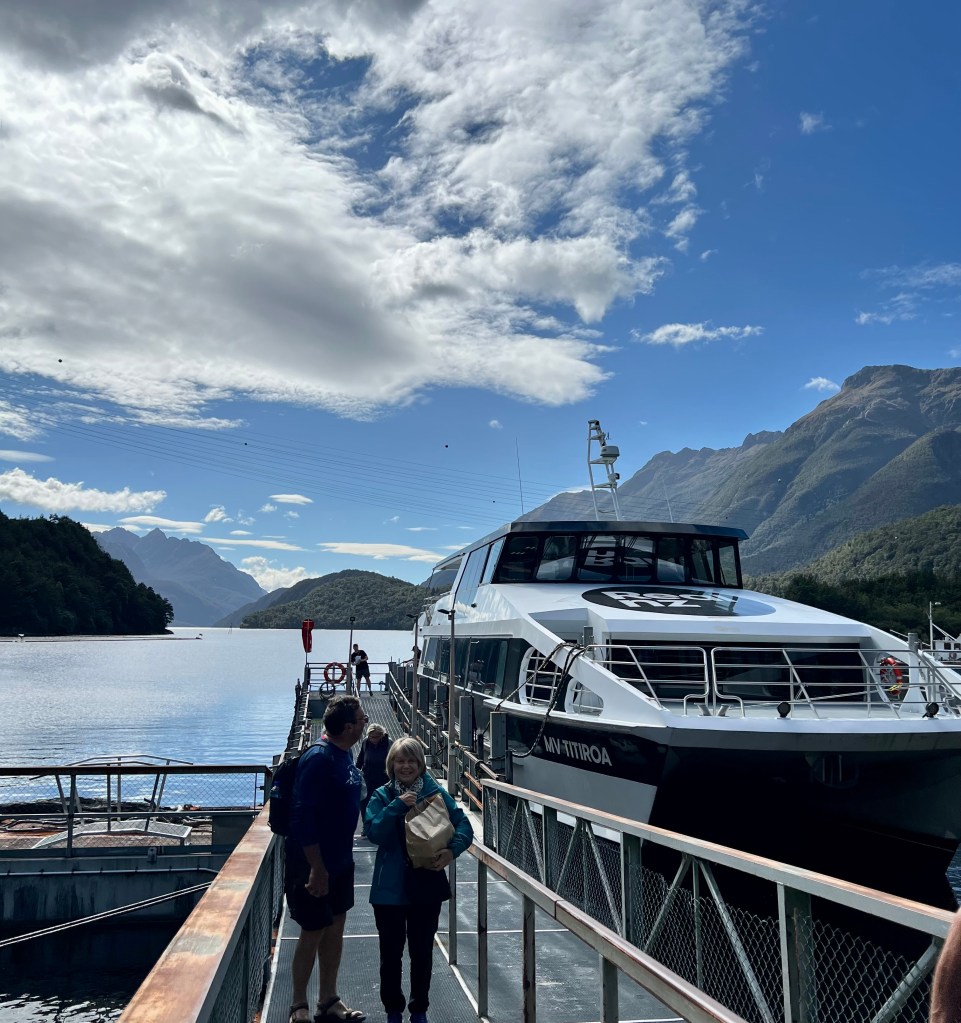
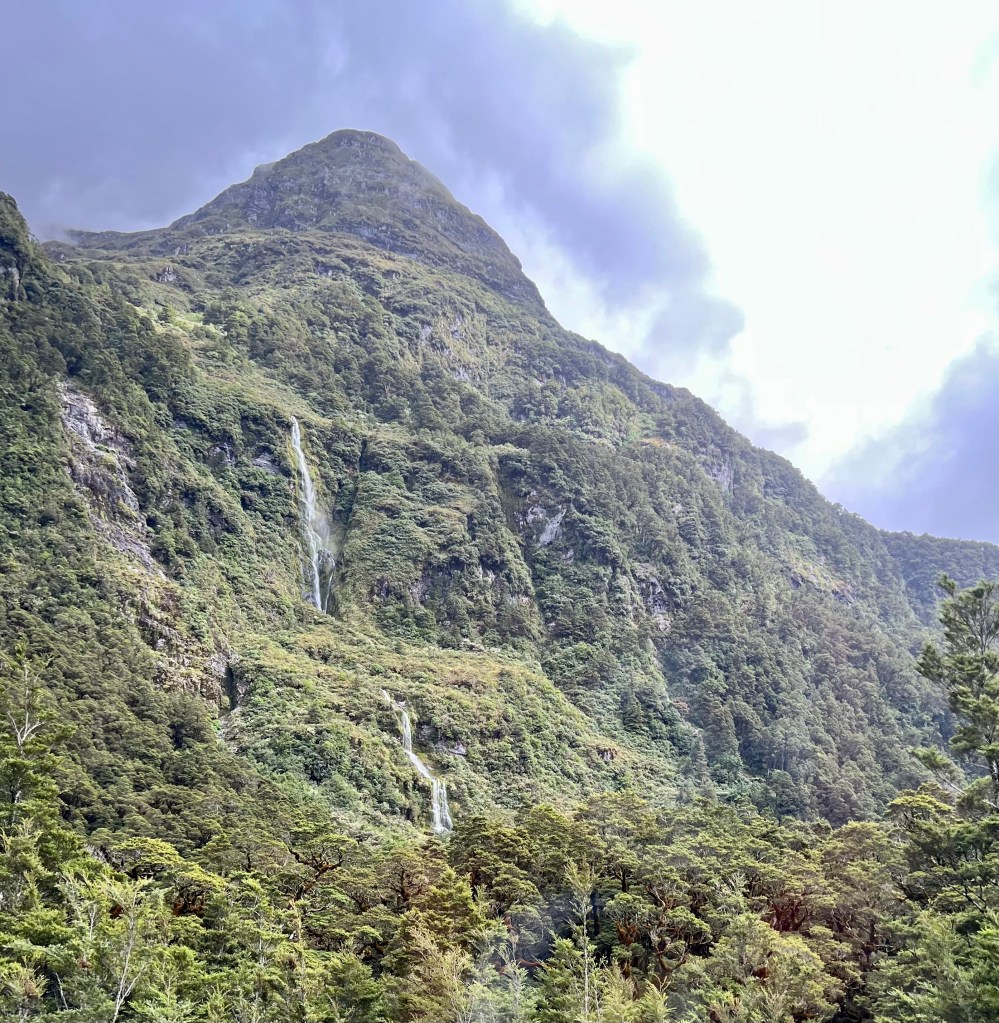
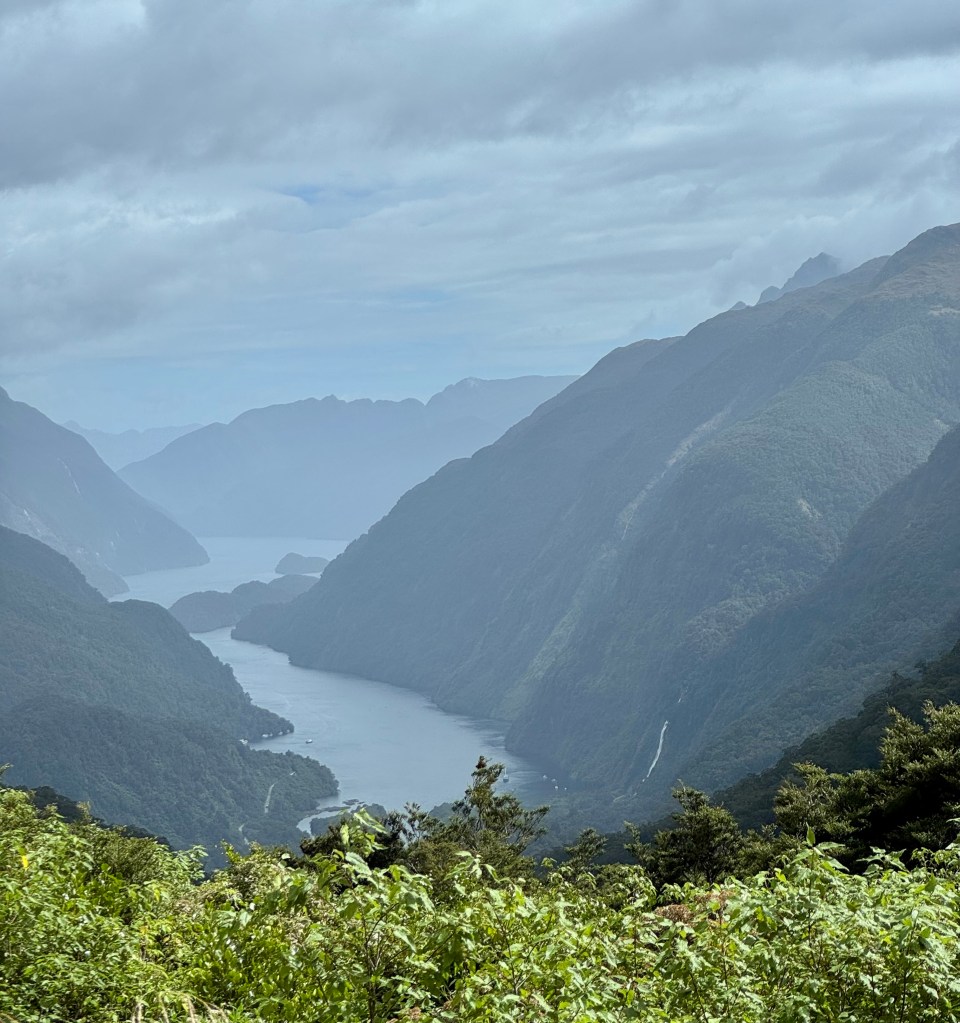
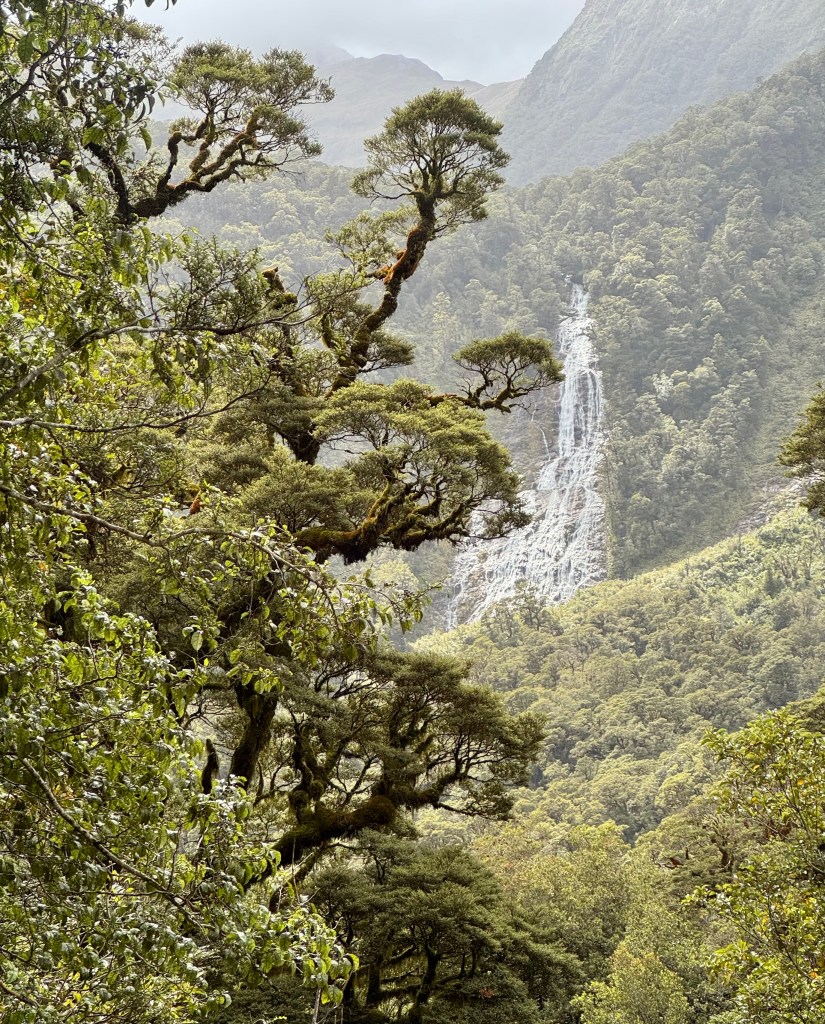
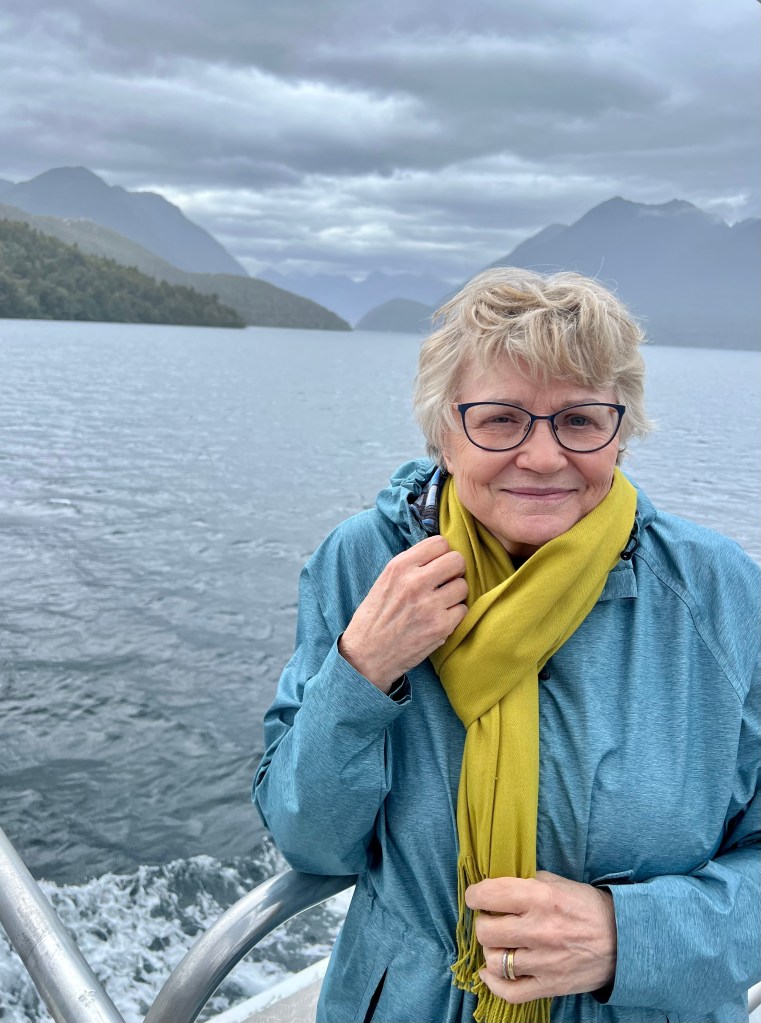
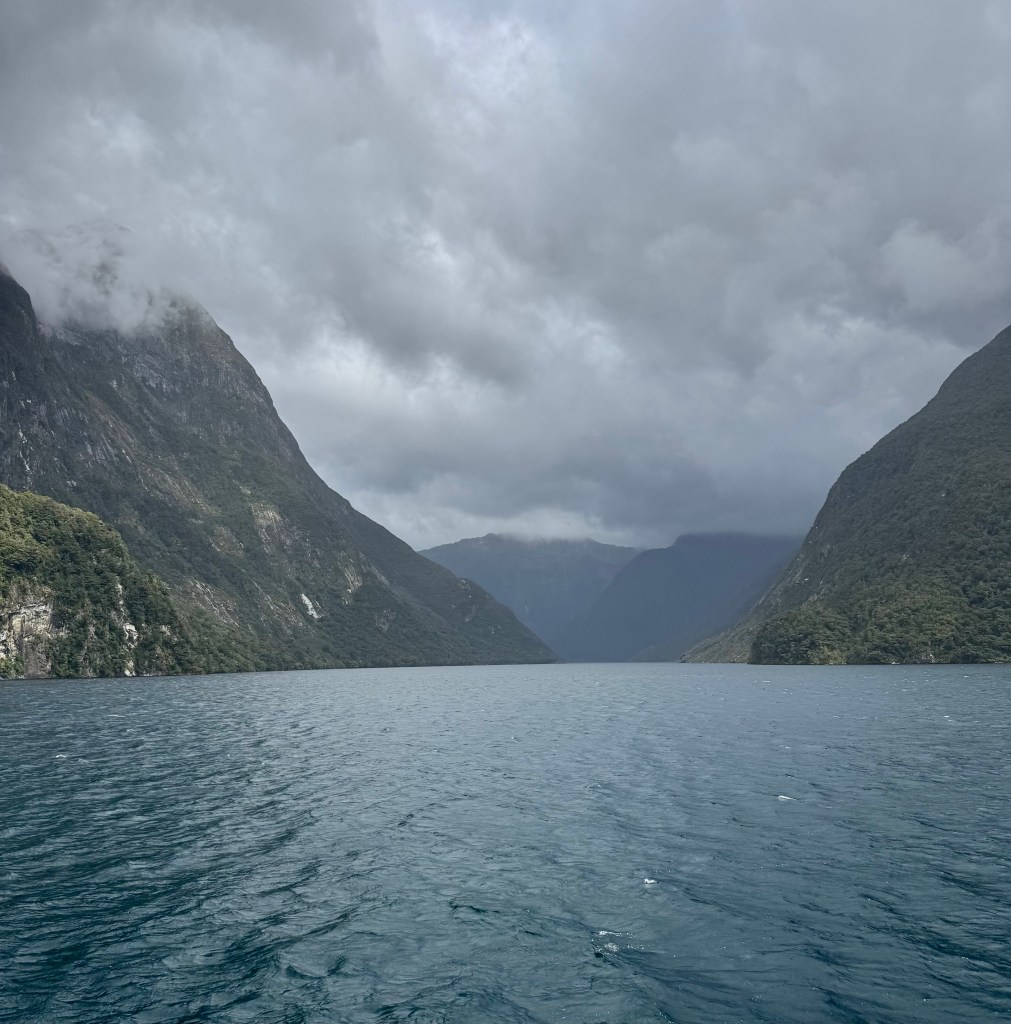
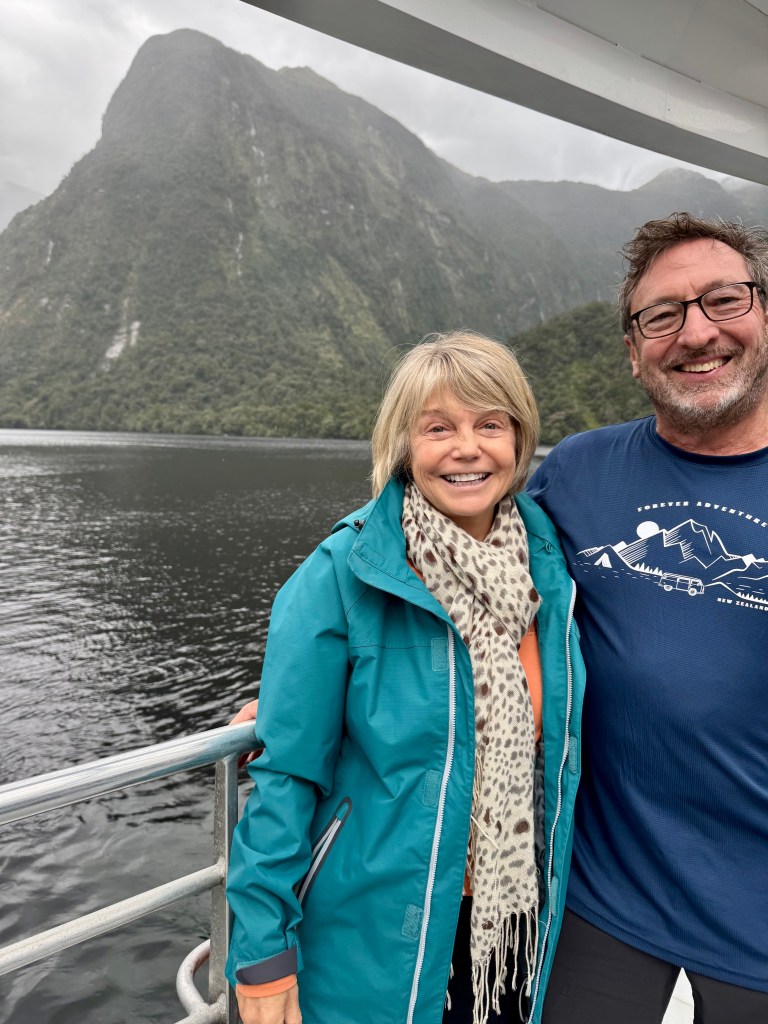
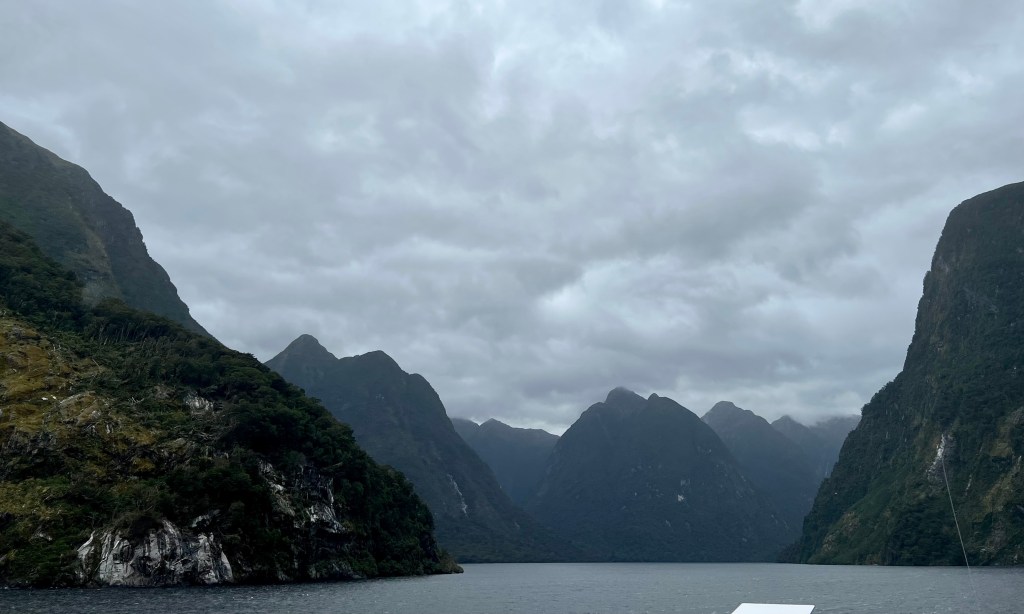
On our last day in Queenstown with Jim and Susan, we toured Doubtful Sound. It was forecasted to be a rainy and windy day but that was not all bad news. With rain, the waterfalls are flowing!
We traveled on multiple types of transportation. We started on a bus, then a boat across a lake, then another bus to get over the pass and then onto a large tour boat to explore Doubtful Sound. It was bigger compared to the Milford Sound, and because there was rainfall, the waterfalls were more visible. When we toured Milford Sound it was a beautiful sunny day and it was gray and rainy while viewing the Doubtful Sound. The sun can certainly change your perspective but having the opportunity to see both sun and rain, was a worthwhile experience.
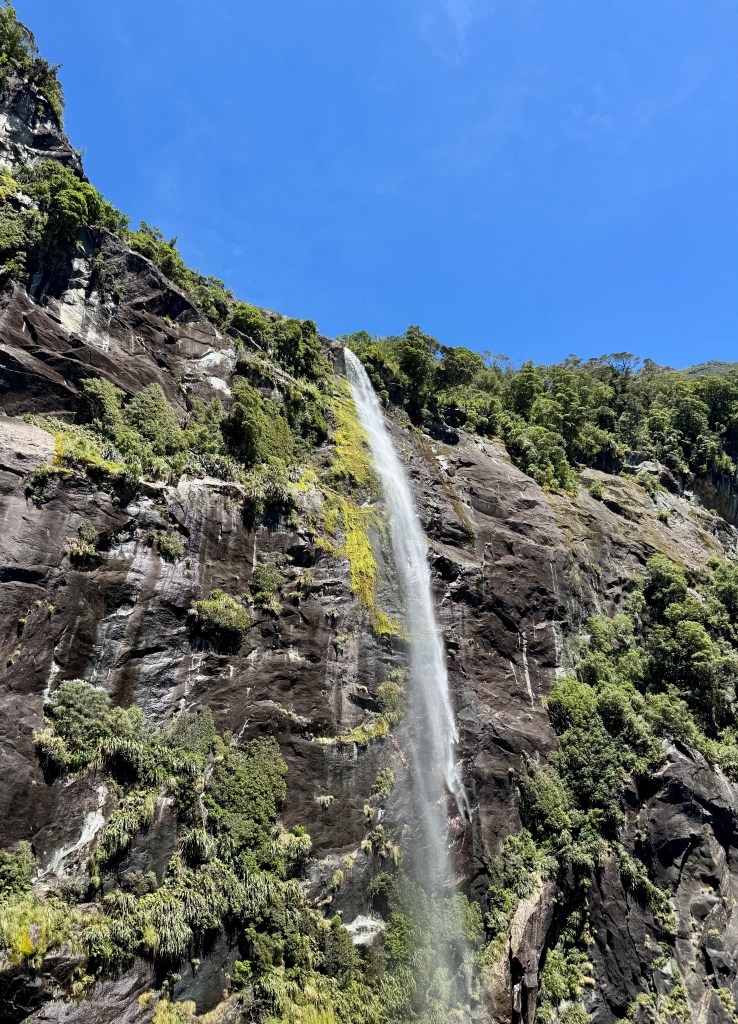
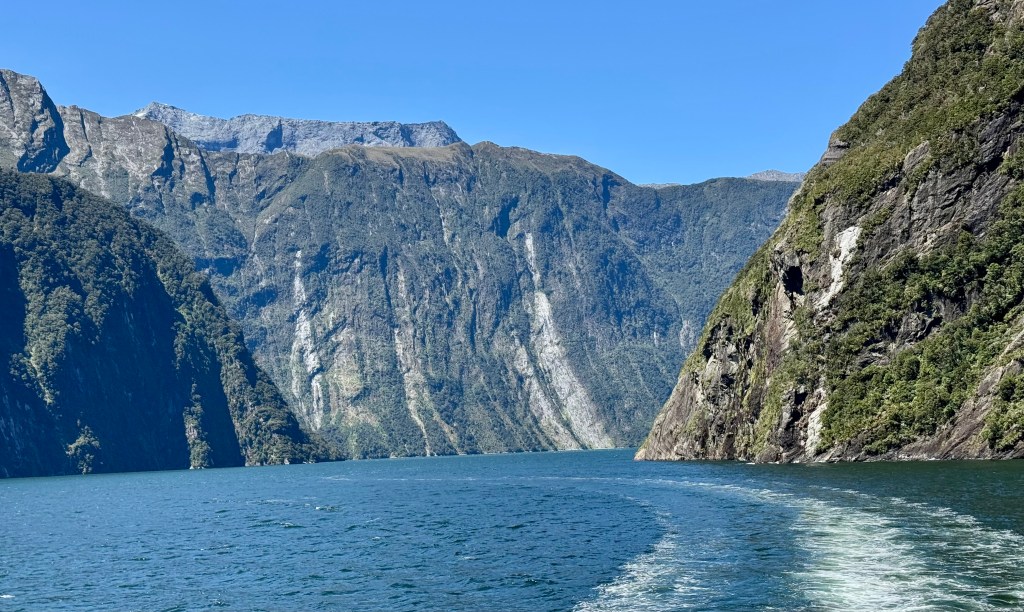
The pictures below are from our tour of Doubtful Sound.
Great day on Doubtful Sound!
We returned to Dunedin for our last stop with Susan and Jim. Are you seeing a theme here?? We stayed in a unique apartment with a bit of history. The Thomas Gregg Apartments on the Dunedin waterfront span nearly 150 years of history, transforming from a booming 19th-century coffee mill into a derelict warehouse, a legendary music hub, and finally boutique apartments. Our place was beautiful and location was great.
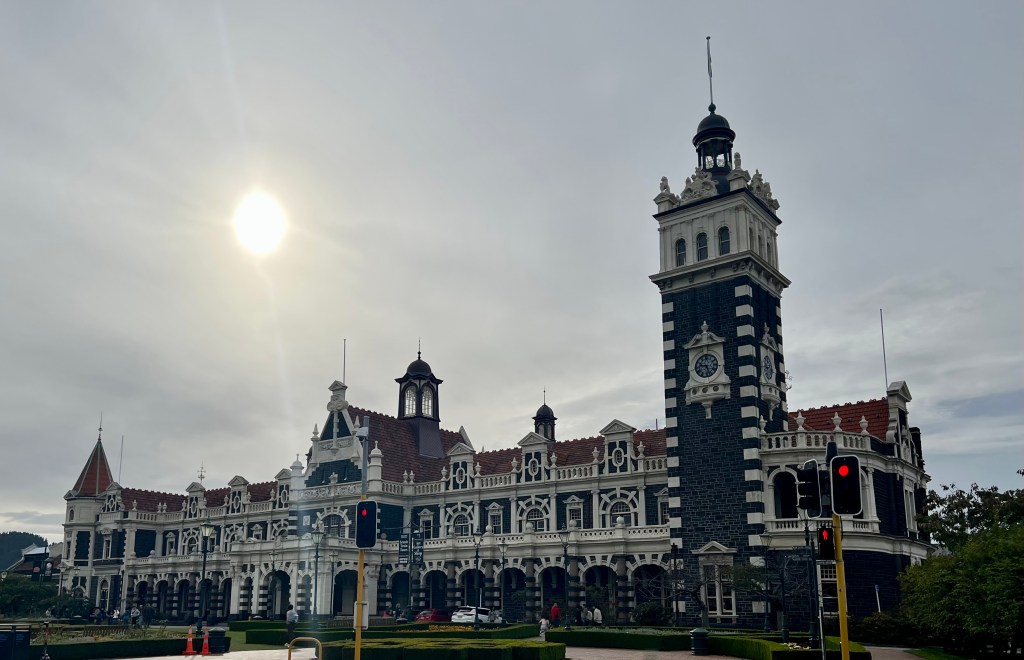
On our first night we went to a restaurant in the old train station called Cobb & Co. We enjoyed it and the robots delivering our food were interesting. Tracy and I experienced this for the first time at a restaurant in Pahia on the North Island. It’s not something we have seen in the US.
The Dunedin Railway Station is a stunning Flemish Renaissance-style landmark opened in 1906, famous for its “Gingerbread House” appearance, white Oamaru limestone, and black basalt rock construction. Located on Anzac Avenue, this iconic, ornate building houses a mosaic-tiled hall, the New Zealand Sports Hall of Fame, an art gallery, and the weekend Otago Farmers Market.
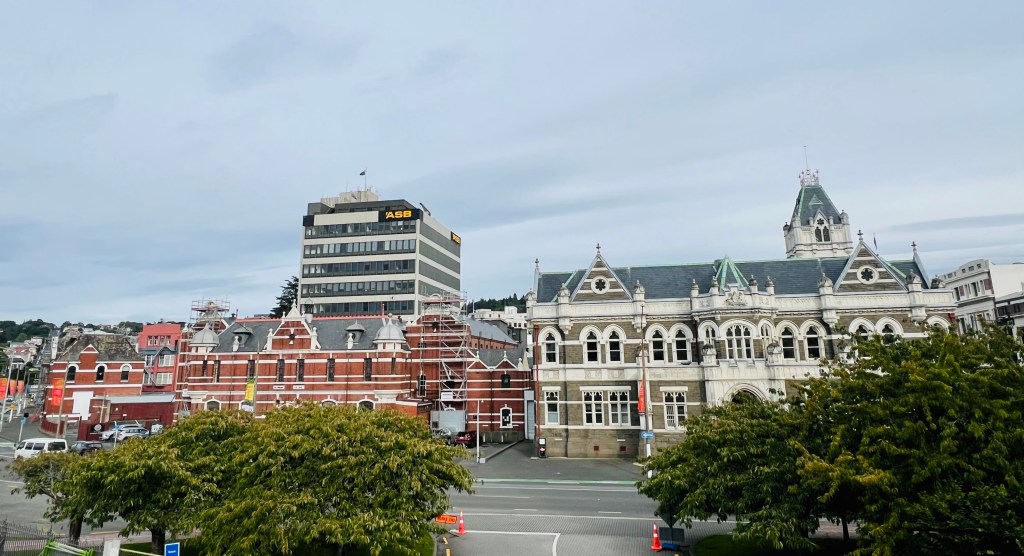
Railway Station where we had dinner.A view of downtown Dunedin,
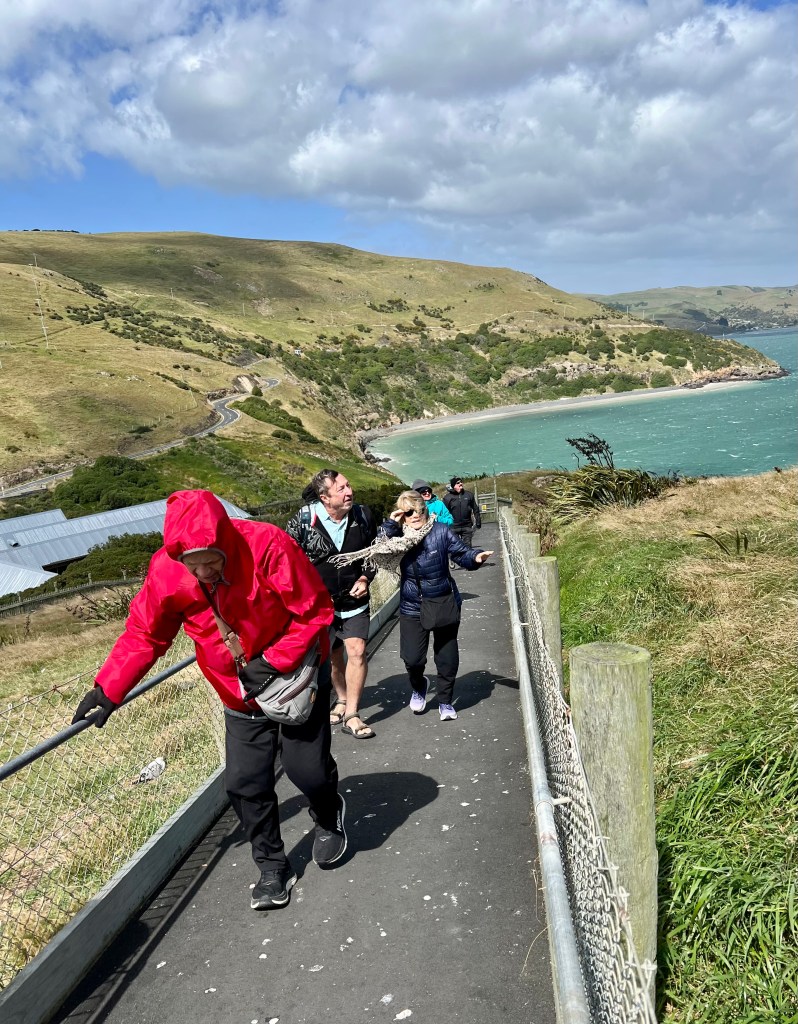
We also did the Albatross tour again and it was great fun. The day was very windy, blowing about 35 knots. You might ask how windy was it? It was so windy, the wind blew my sunglasses off my face!
The good news is the albatross love to fly in the wind. As a result, we were able to observe them flying near their nests. In some cases, they would have trouble landing and would take flight again and make another attempt at landing. It was quite a show.
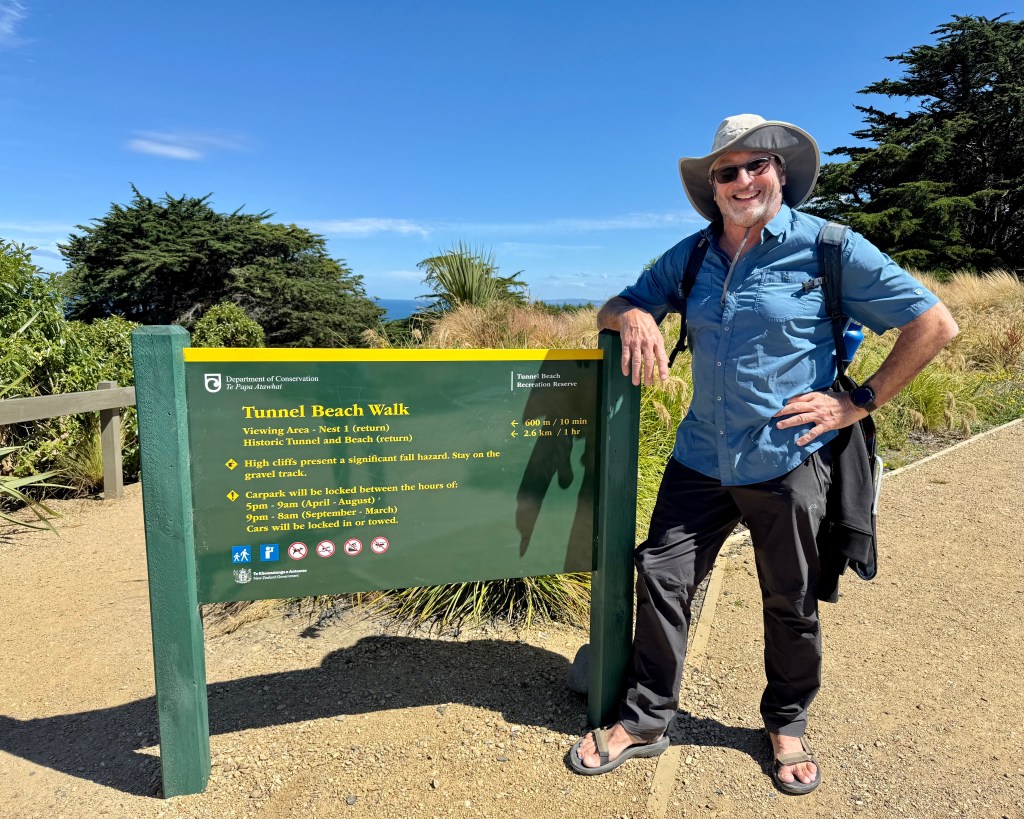
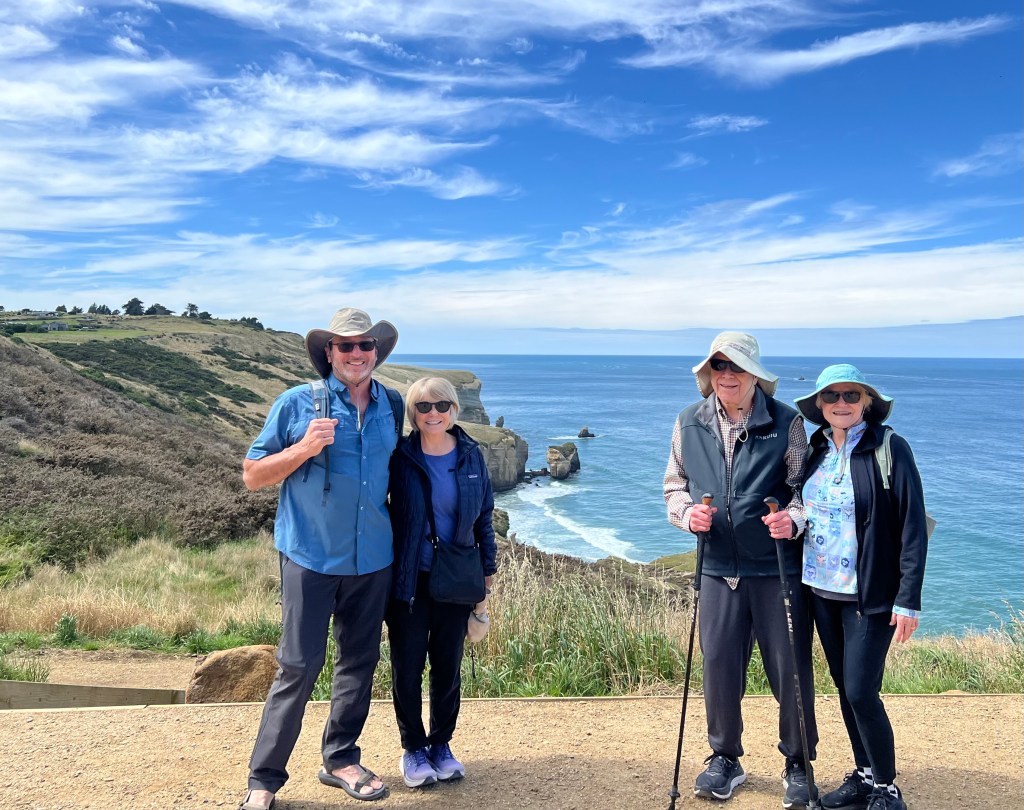
Our last day we visited Tunnel Beach. This was a return visit too but we enjoyed it just as much as the first. This time we hiked out to the point for even better views.
See below for more pictures.
Next day, we all left Dunedin together and flew back to Auckland.
Our next travel plans included meeting up with Tracy’s brother and sister-in-law, Brad and Elizabeth, in Rotorua. They arrived in Auckland February 20th and had been touring the North Island while we were still in the South Island. Susan and Jim had planned to spend their last few days in Rotorua as well and we drove together to meet up with Brad and Elizabeth.
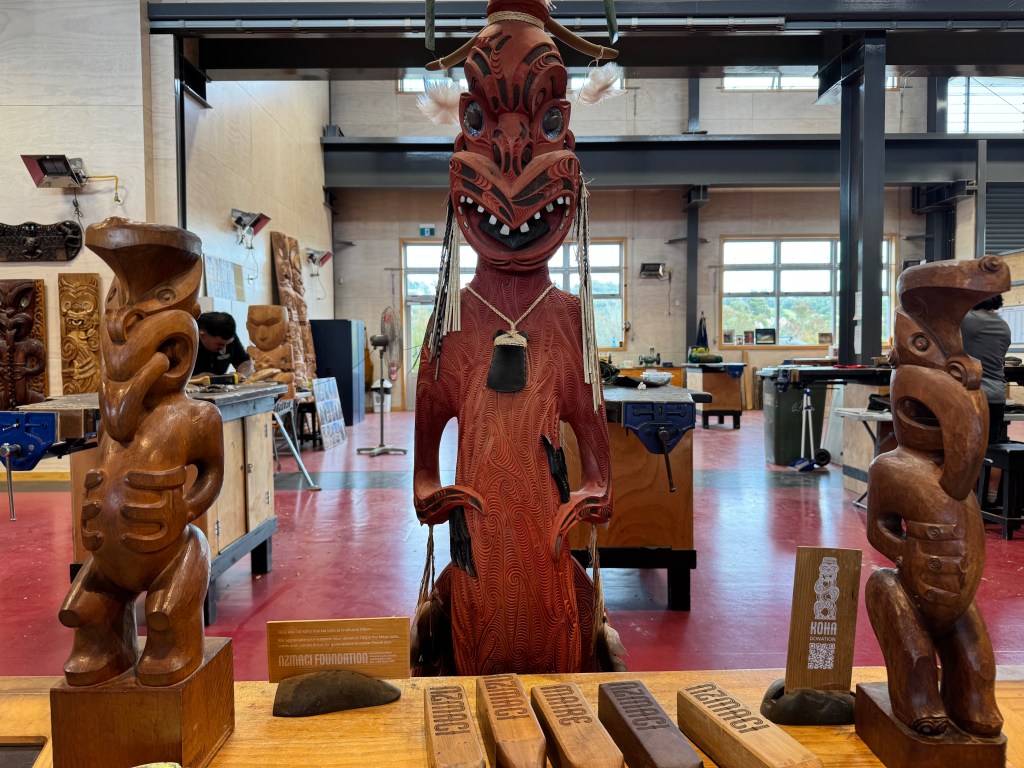
It was great to connect with Brad and Elizabeth and with no time to waste, the four of us went on a 90-minute guided tour through Te Puia’s Māori Arts and Crafts Institute where we watched skilled carvers and weavers demonstrate their expertise. We saw indigenous material culture on display through the lens of internationally recognized artists.
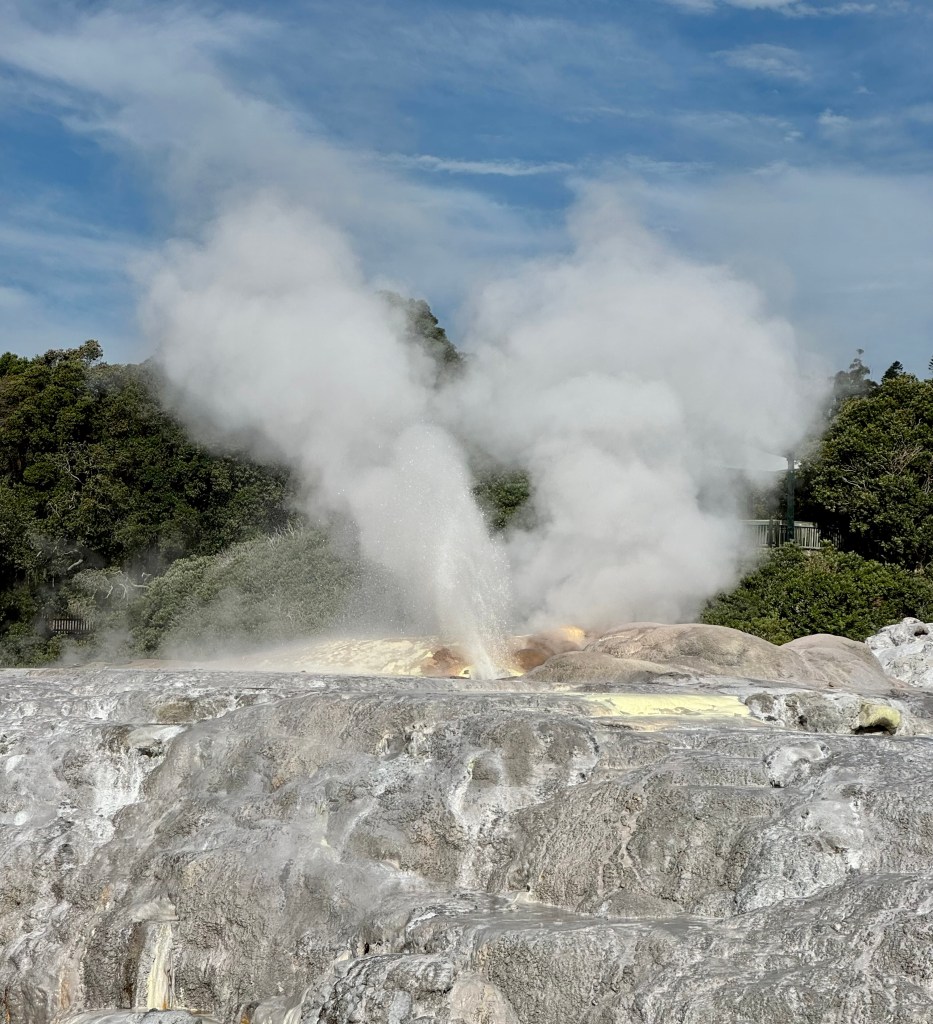
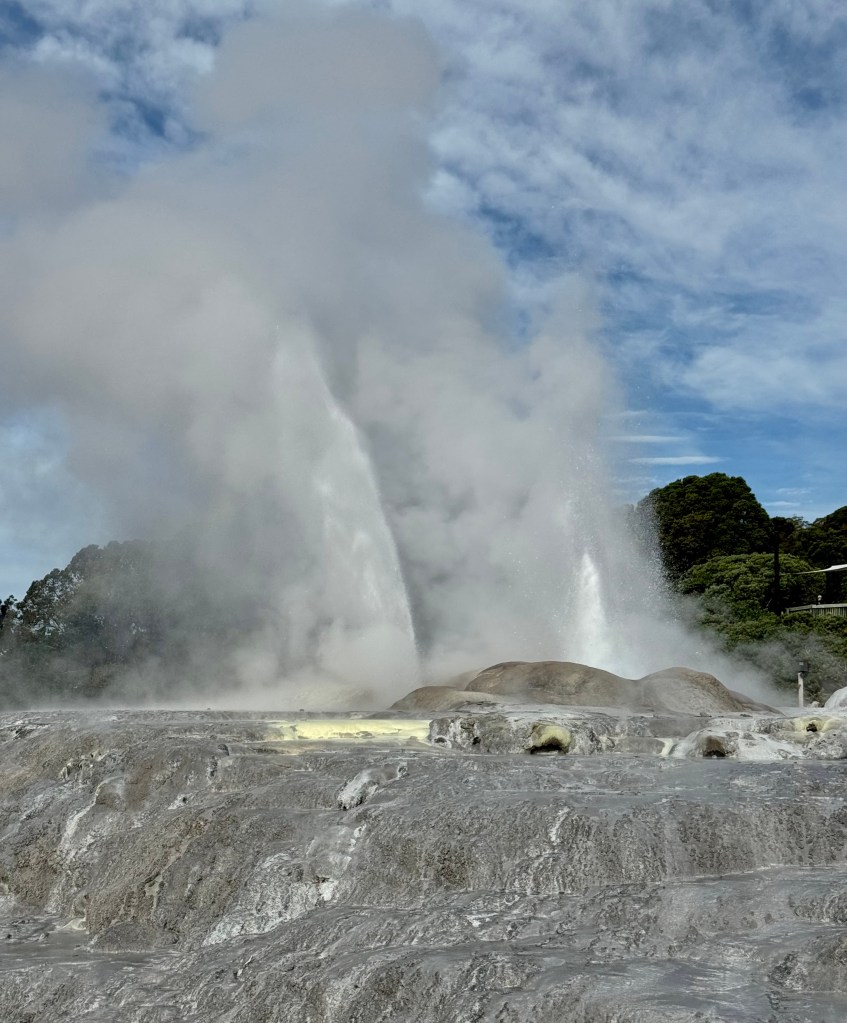
Next, we walked up to the Pohutu Geyser. We had missed this during our first visit to Rotorua much to Tracy’s disappointment. We were told this is the largest natural Geyser in the southern hemisphere and erupts skyward over 15 times a day. It is New Zealand’s most prolific geyser and fortunately our timing was great, and we were able to sit erupt for several minutes.
After the geyser tour we all went back to our hotel where we met back up with Susan & Jim for dinner. It was nice to introduce our siblings and partners while enjoying good conversation along with a nice dinner. Afterwards we said goodbye to Susan and Jim as they were heading back to the US the next day.
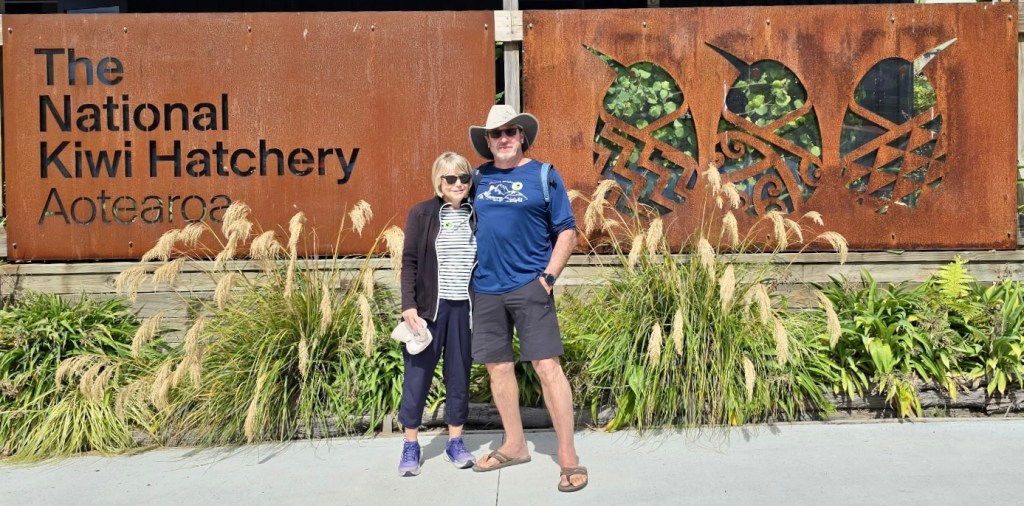
Elizabeth made reservations for us to visit the National Kiwi Hatchery in the morning. Kiwi’s are New Zealand’s most iconic bird. It is a bird, but it has featured more characteristic of a mammal. For example:
It has wings but cannot fly.
It has loose feathers that are more like fur and unlike other birds the feathers molt throughout the year.
It is the only bird in the world with nostrils at the end of its beak.
It uses sensory pits at the tip of the bill to find food.
It has no tail feathers but does have whiskers, like a cat.
Very unusual, females have two ovaries, most birds have only one.
Kiwis are mostly nocturnal which means that they come out of their burrows after nightfall to forage for insects, grubs, earthworms, fallen fruit and native plants. Other night birds are equipped with big powerful eyes so they can see at night.
Kiwis are different. They have a well-developed sense of smell with the part of the brain controlling this sense being much larger and more like a mammal’s structure than a bird. Kiwi have small eyes, do not see as well at night, instead, they feel smells and hears its way around.
Kiwi have one of the largest egg-to-body weight ratios of any bird. The egg averages 15% of the female’s body weight (compared to 2% for the ostrich).
Incubation is done by the male and can take anything from 74-90 days. When first hatched, the belly of the chick is swollen with yolk which will sustain them for their first few days. Female kiwis grow to be larger than males (up to 3.3 kg and 45 cm).
Stoats, ferrets and weasels are the biggest threat to the survival of Kiwi, closely followed by cats and dogs. Only 5% of all Kiwis hatched in the wild survive to adulthood.
We were able to see Kiwi’s walking around in their natural habitat that was darkened to make the birds think it was nighttime. They appeared faster and larger than expected. We also watched a video of a Kiwi hatching, and we saw a couple of baby birds being fed and weighed doing their checkups. The hatchery does a great job of educating the public and getting the Kiwi’s back into their natural habitat as soon as possible. Unfortunately, we were not allowed to take pictures inside the facitlity.
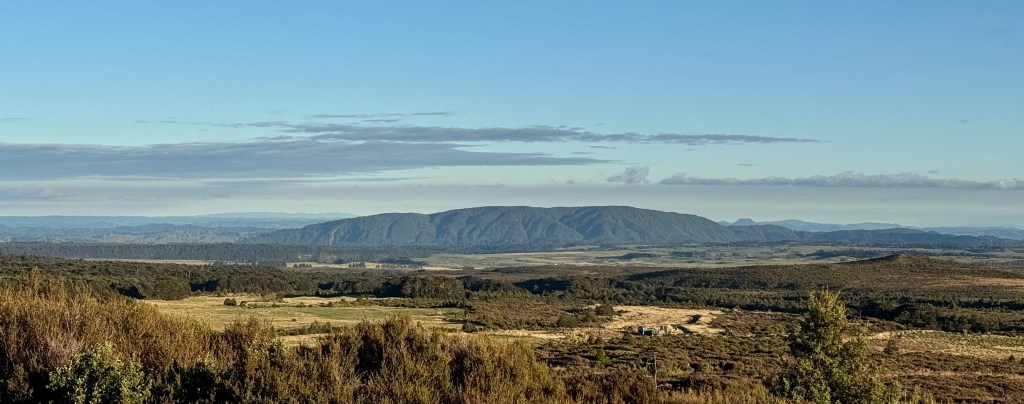
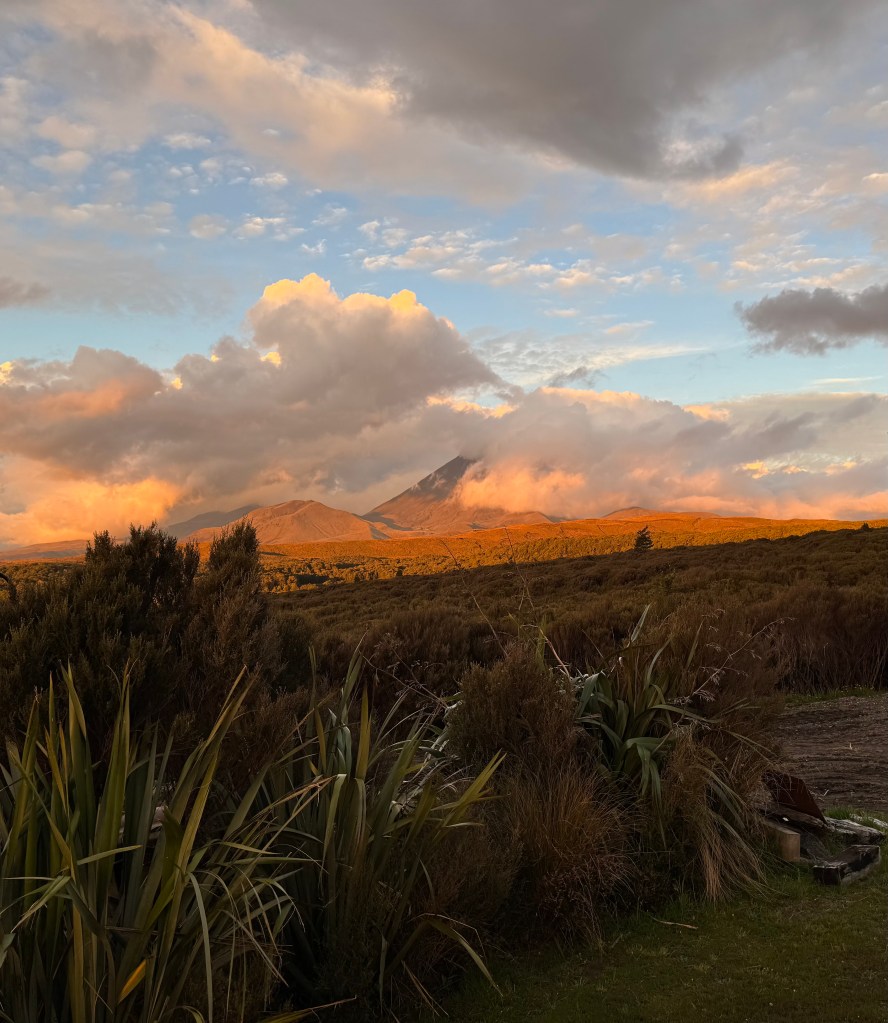
Next, we traveled to the heart of New Zealand’1s North Island and explored Tongariro National Park. We stayed in cabins as part of the Skotel Hotel which is situated in Whakapapa Village. From our front door, we had access to many hiking trails. Thanks to Brad and Elizabeth for finding this spot.
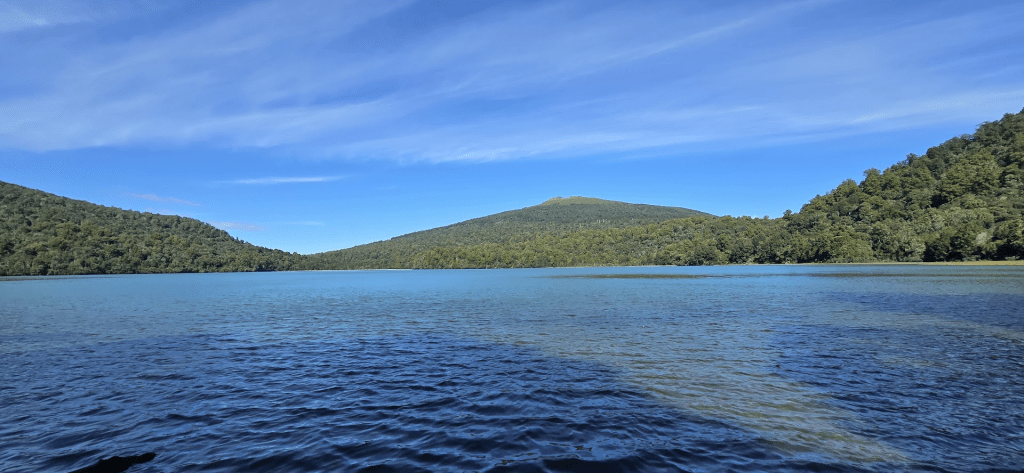
On the way to Tongariro National Park we stopped along the way and hiked the Rotopounamu track. It is a peaceful, 5 km loop hike that circles a stunning emerald-green, crater-formed lake in the Pihanga Scenic Reserve of Tongariro National Park. See photo below of the lake.
These are the places we hiked during our stay in the National Park.
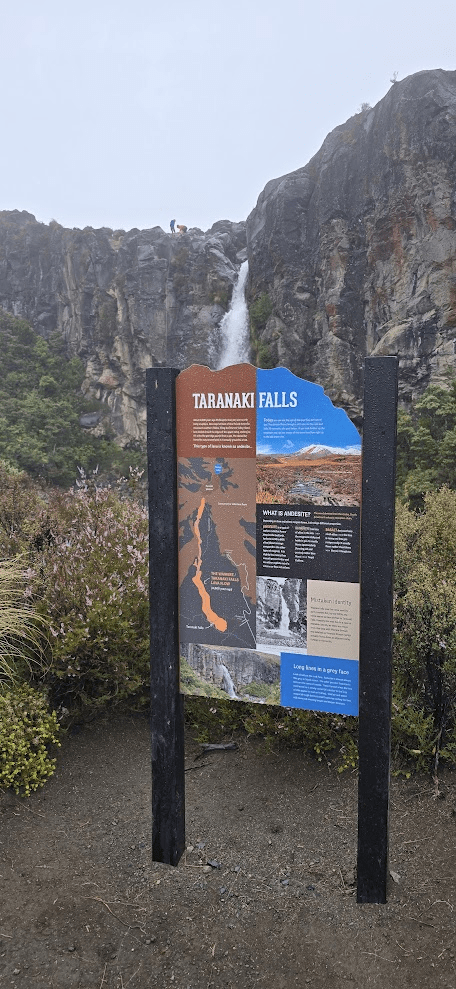
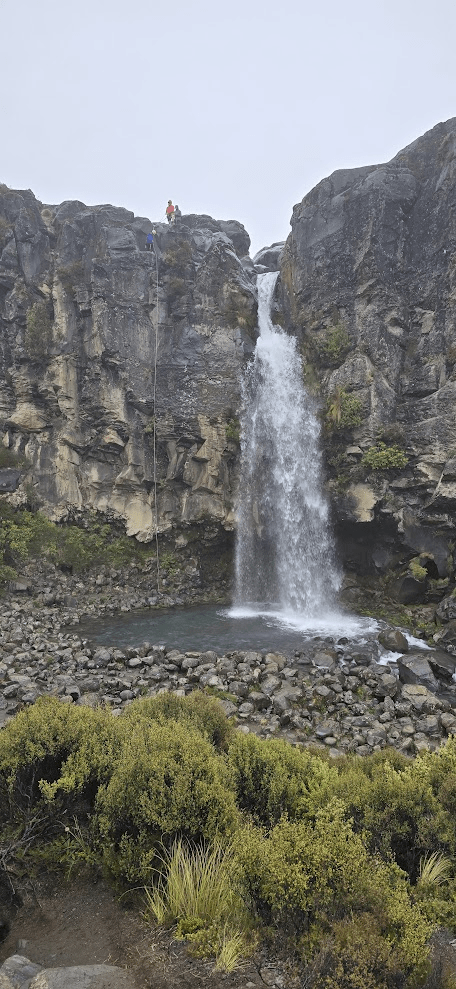
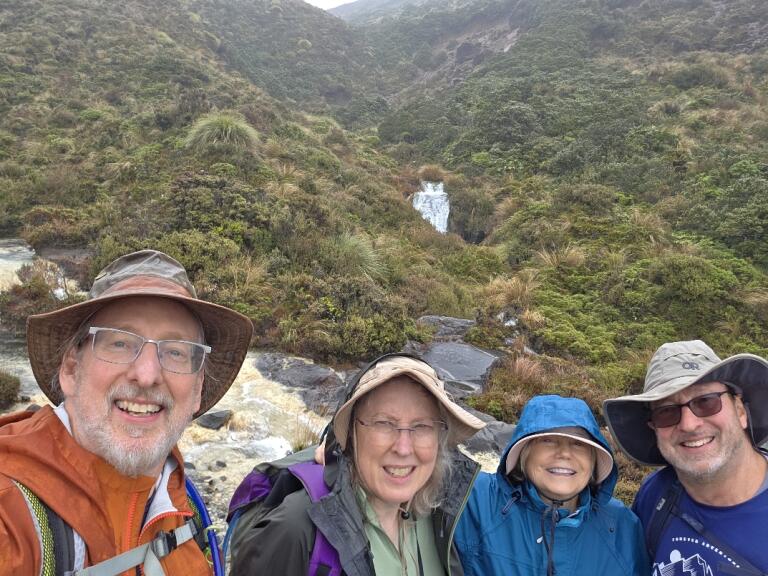
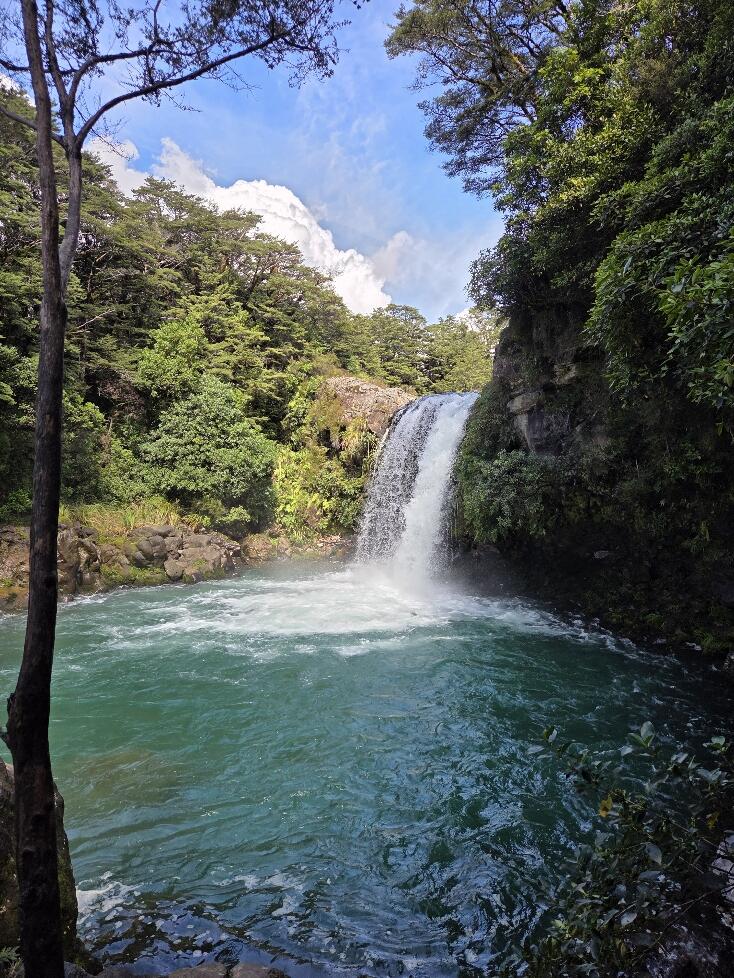
Taranaki Falls
This hike provided an excellent glimpse of the varied scenery and landscapes the Tongariro National Park is known for – taking in tussock, bush and ancient lava flows, as you hike to a stunning waterfall.
We encountered a youth group up from Auckland rappeling down the falls.
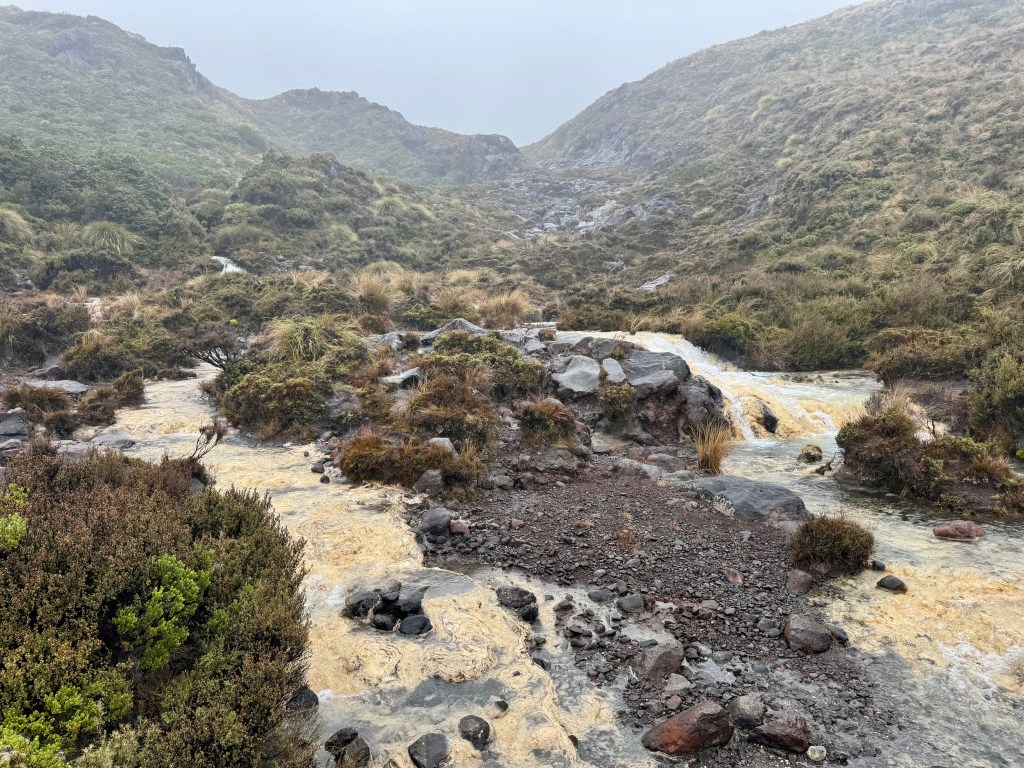
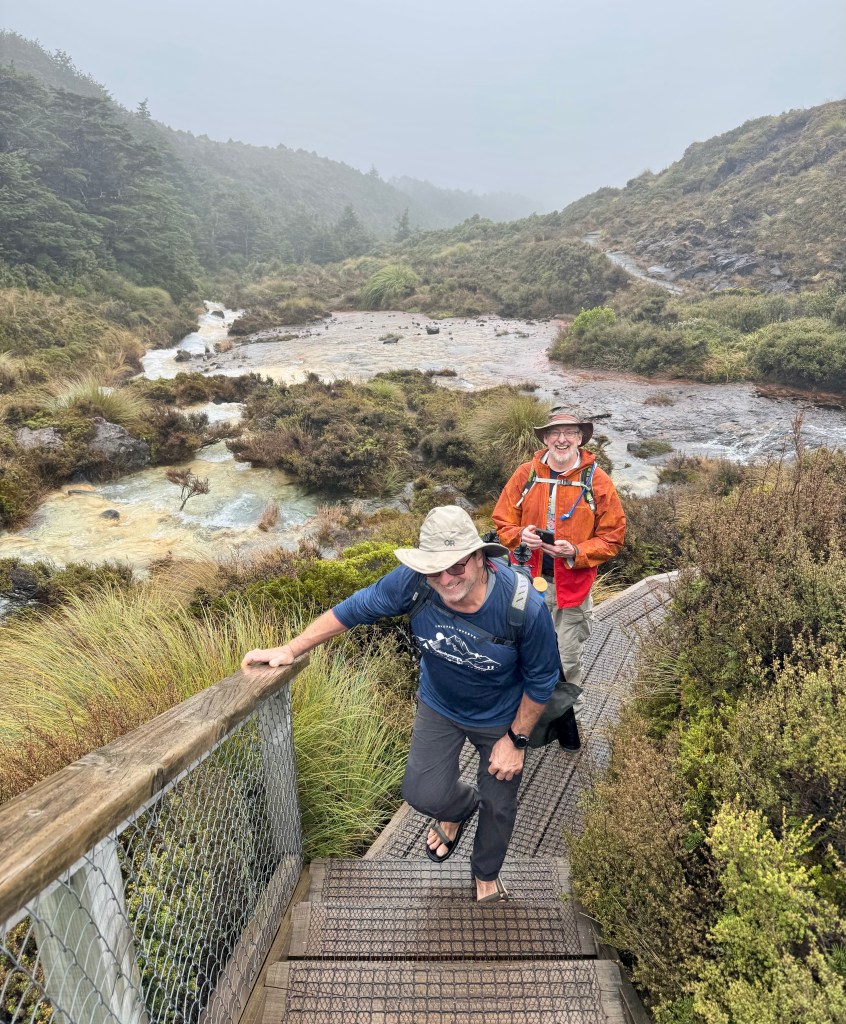
Silica Rapids
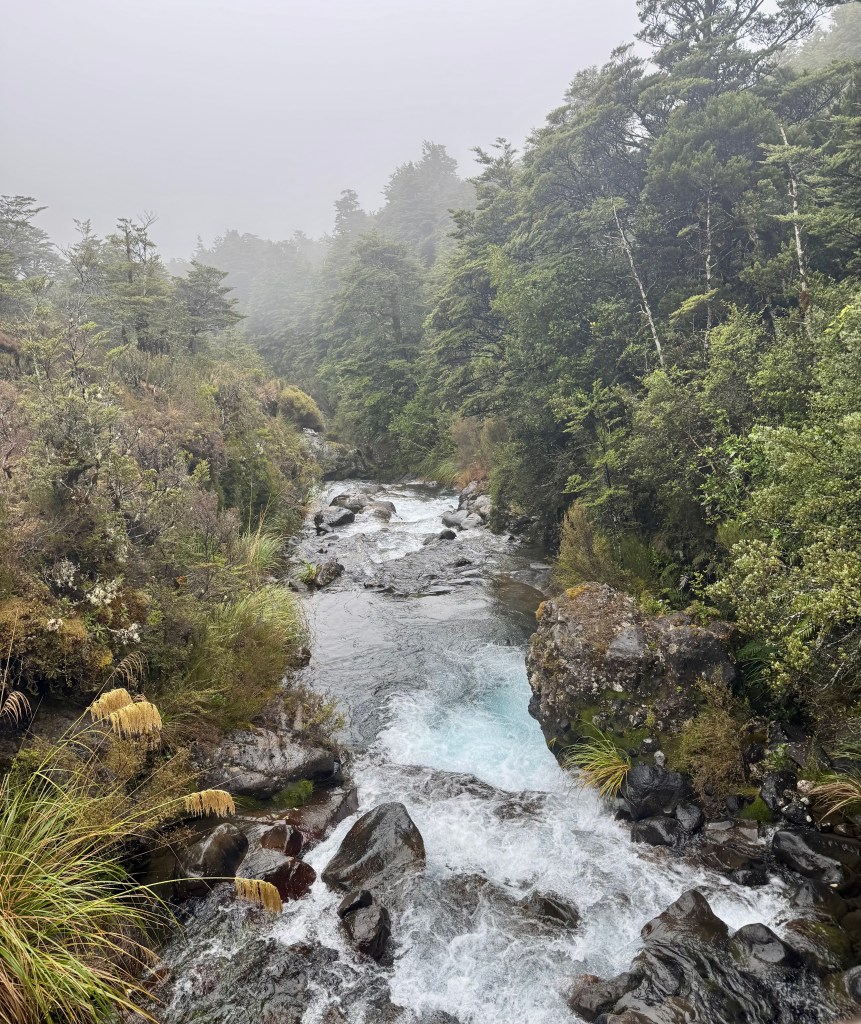
This hike lead us through a mountain beech forest alongside a cascading stream to arrive at the creamy-white terraces of the Silica Rapids. We saw a range of vegetation types around the track.
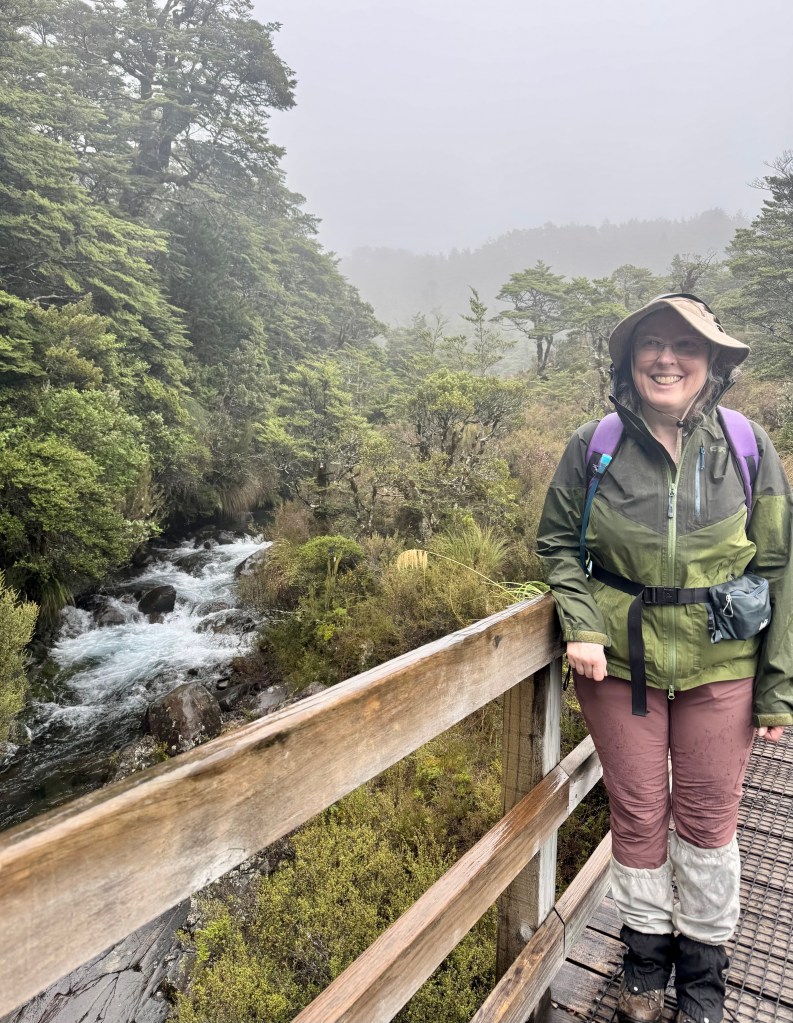
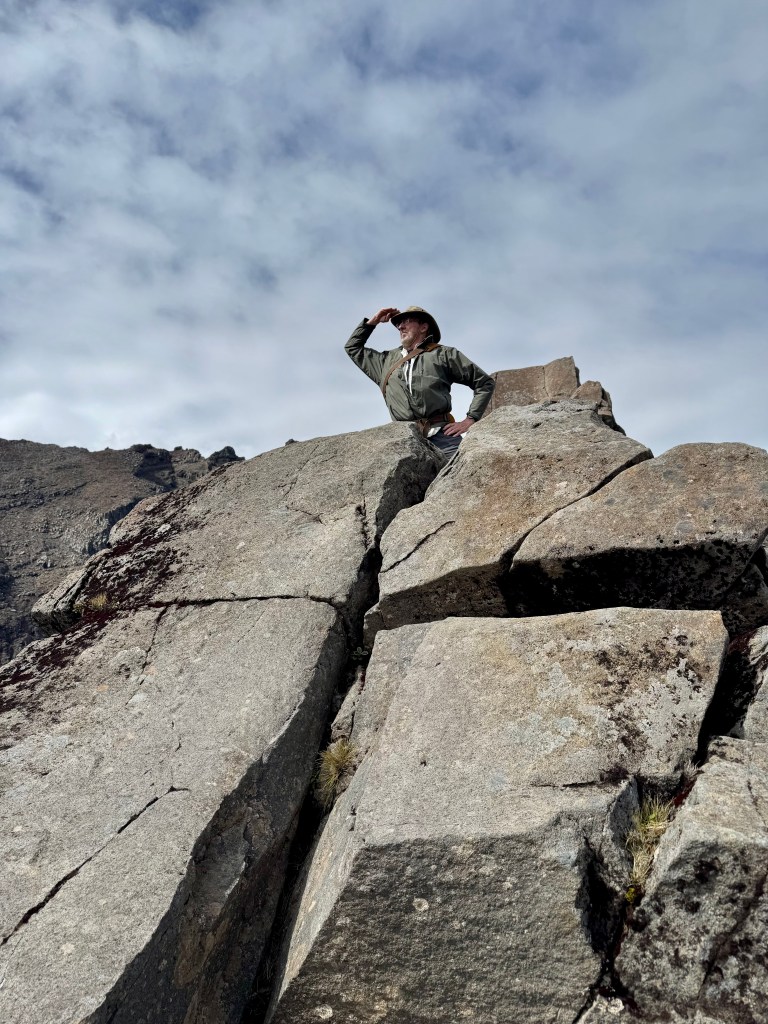
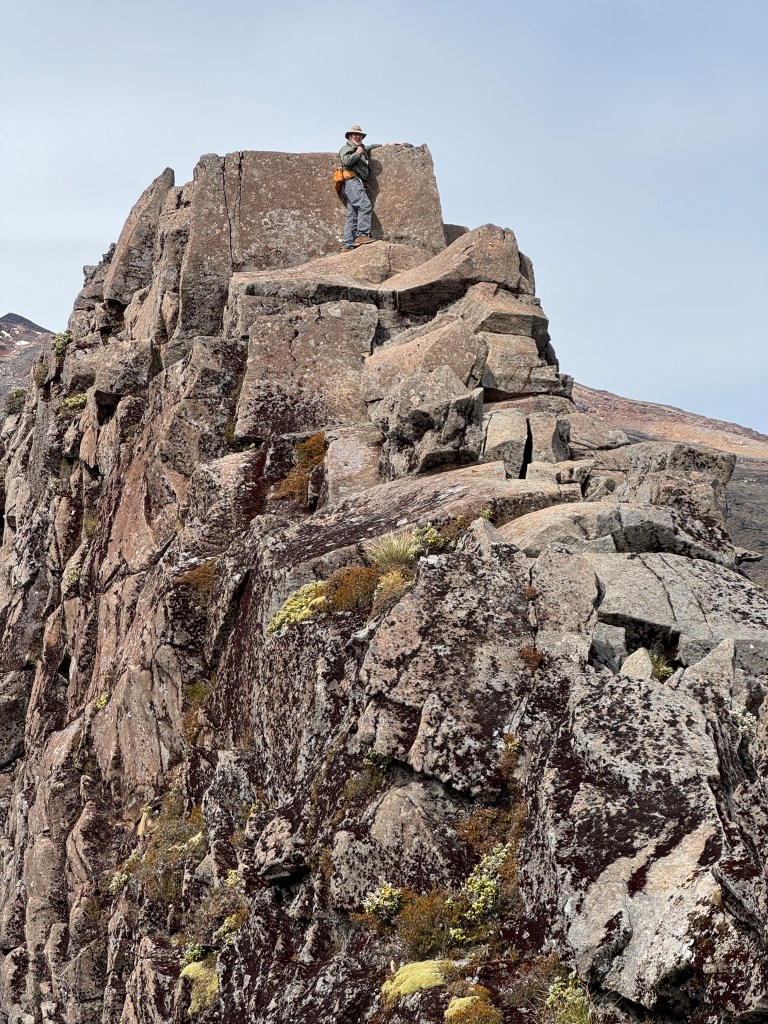
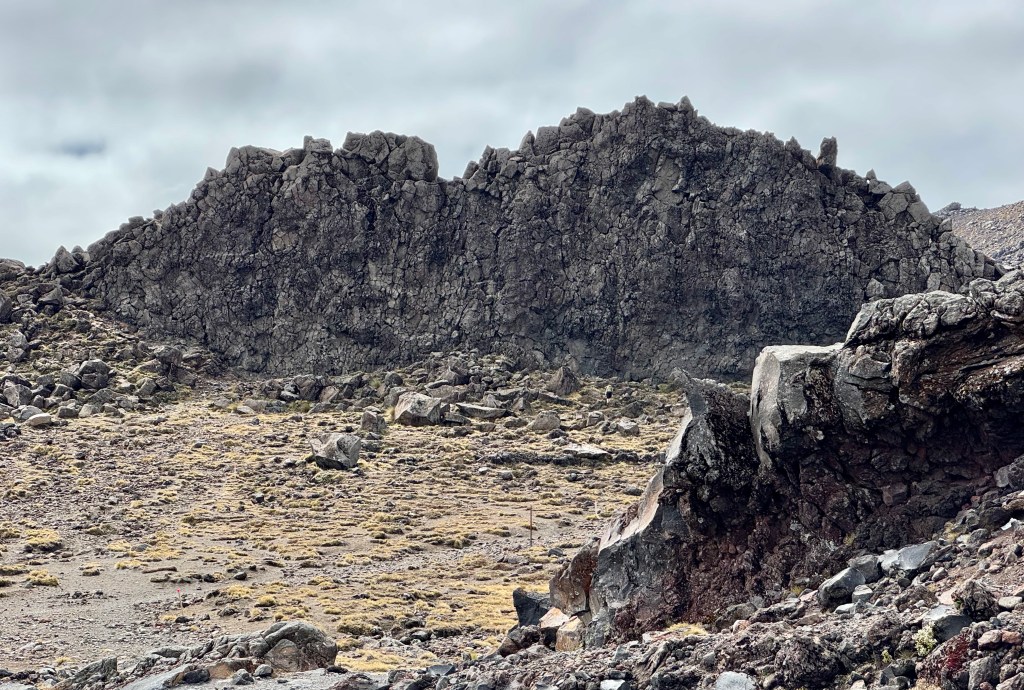
Meads Wall is an iconic filming location from The Lord of the Rings: The Two Towers. Standing atop this dramatic volcanic rock formation, we were rewarded with sweeping views of Mt Ruapehu and the rugged alpine landscape that brought Middle earth to life.
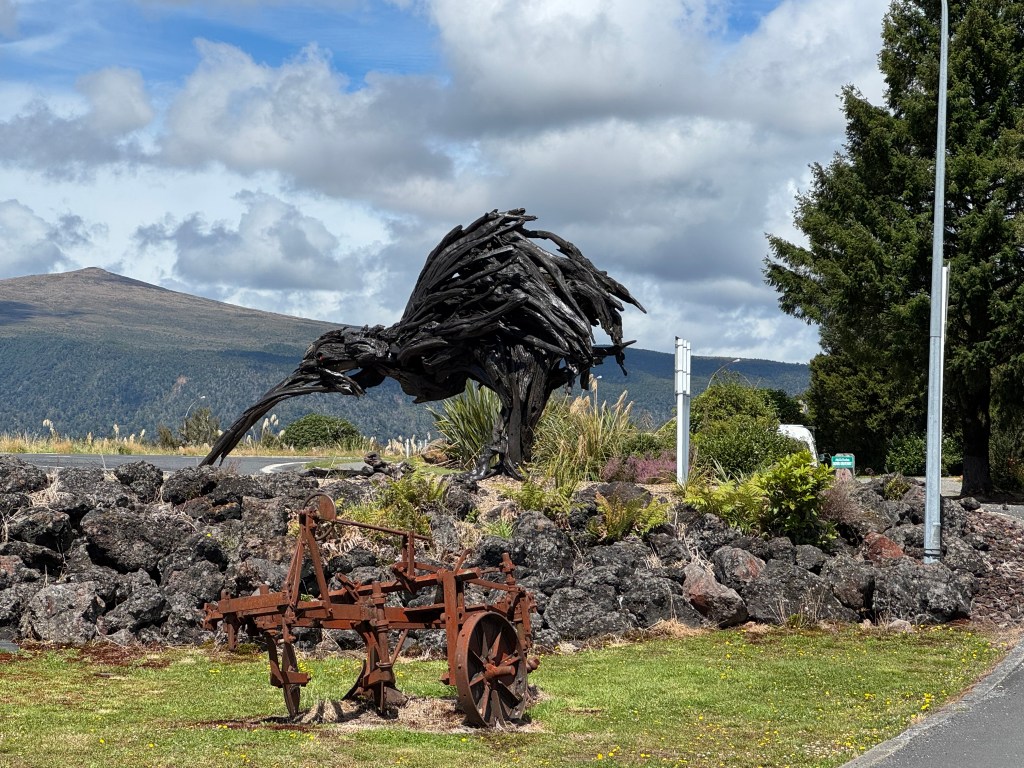
Mead’s Wall photosWe loved this sculpture of New Zealand’s Kiwi!
Gollum’s Pool
This short walk is an iconic waterfall in Tongariro National Park. It is a part of the set in Lord of the Rings as the forbidden pool in which Frodo and Faramir capture Gollum.
After 3 days in the Tongariro National Park we headed back to the Auckland Area while Brad and Elizabeth headed to Stewart Island for about a week. They returned to Auckland to spend their last couple of days before catching their flight home.
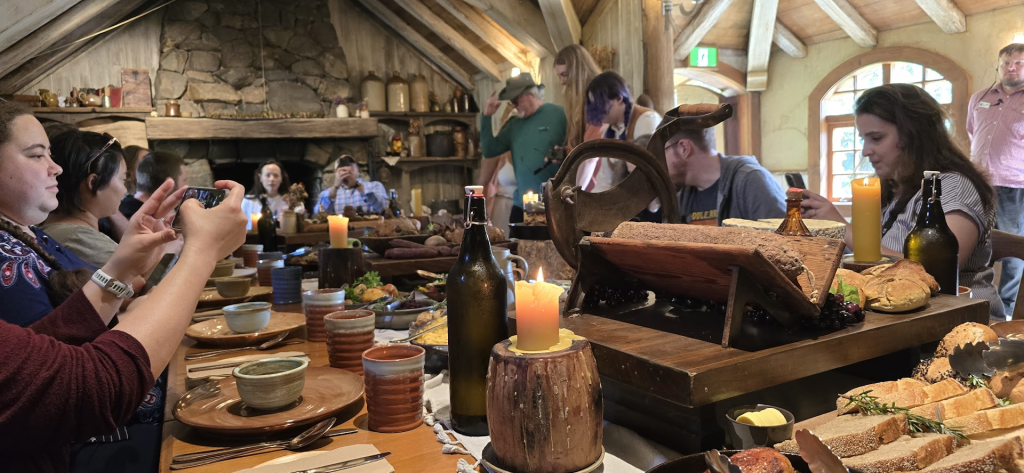
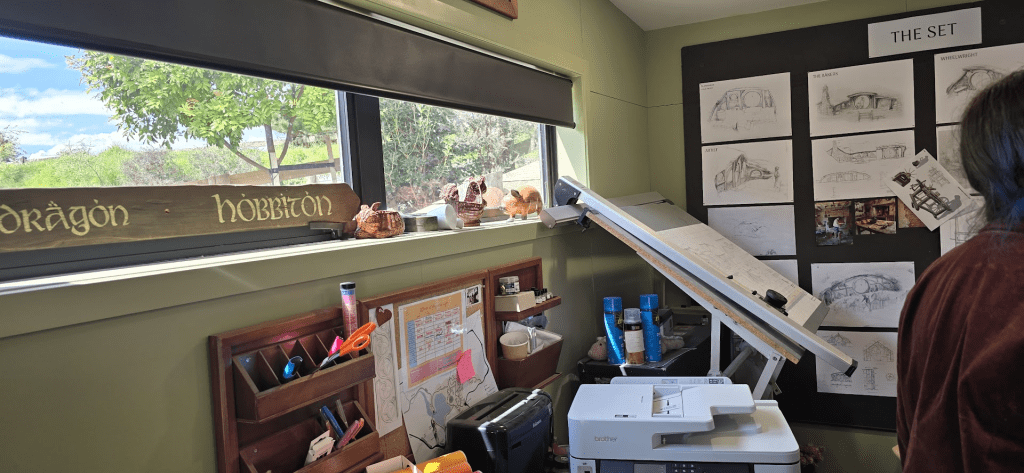
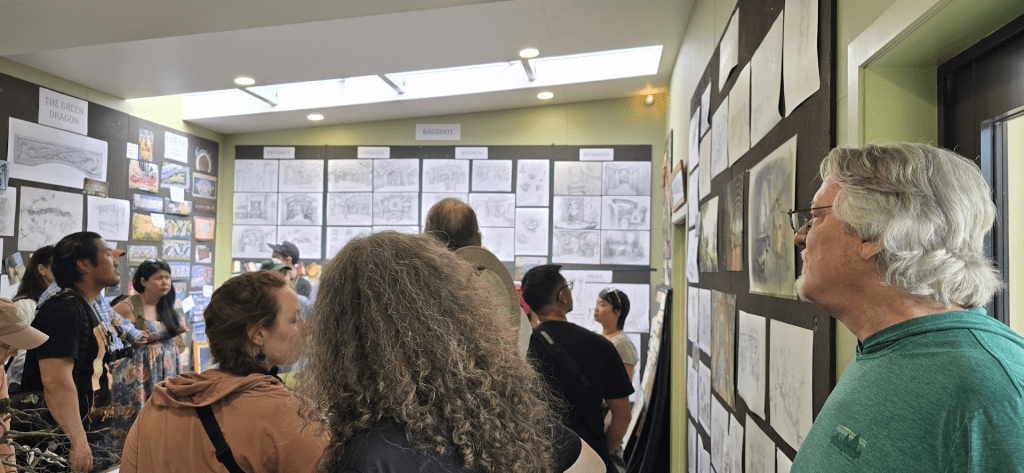
Of course they squeezed in another visit to the Hobbiton. This time tour included a ‘behind the scenes’ visit! It included a feast in the Green MIllhouse and tours of the workshops that included background on the shire concept and history as well as current support for the “shire”.
We met up for dinner on their last night in New Zealand and a few of our Kiwi friends were able to join us which made it a nice festive evening. It was sad to say good-bye to Brad and Elizabeth, but it helps that we will see them again in July!
Photos from the back deck of our cabin in Tongariro National Park.
These were our transition days as Cindy prepared to depart for Auckland and my crew started to arrive for the passage from Tonga to New Zealand.
The first to arrive was my cousin Tim whom I had just recently reconnected with back in Mexico. Tim and I had not talked for a few decades. No reason except time, distance, and simple failure to stay in touch. The years seemed to just melt away but there is a lot of lost time in between. A mistake we don’t intend to repeat!
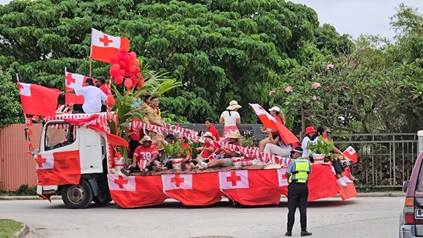
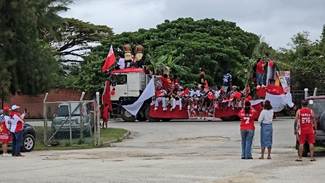
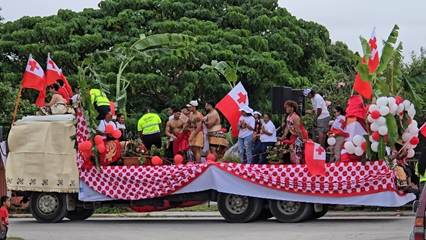
My next crew member, Peter, arrived on the 17th. Cindy left in the morning and Peter arrived in the late afternoon. Peter happened to arrive in the middle of a 3 hour parade as part of events supporting the Tonga national rugby league team. The team is associated with the phrase Mate Ma’a Tonga (English: Die for Tonga). The team was in Nuku’alofa for 3 days with a lot of celebrations. The Tongan’s are very enthusiastic about their rugby!
Here are a couple examples of Tongans demonstrating their support for their team.
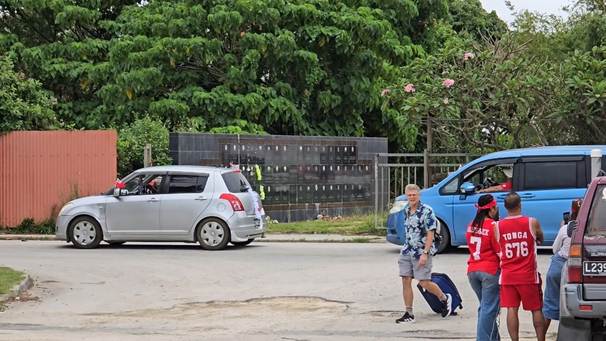
The parade ran down the main thoroughfare in Nuku’alofa but because it was so long, it was periodically interrupted for traffic to get through. It was during one of these interruptions that Peter arrived at the dock from the airport.
Peter arriving during the parade for the Toga national rugby league team
Saturday and Sunday, October 18th to October 19th
Peter, Tim, and I spent the next few days doing some sightseeing as well as provisioning the boat and planning for the passage from Tonga to New Zealand. Here’s a few pictures of our time in Tonga waiting for our departure window.
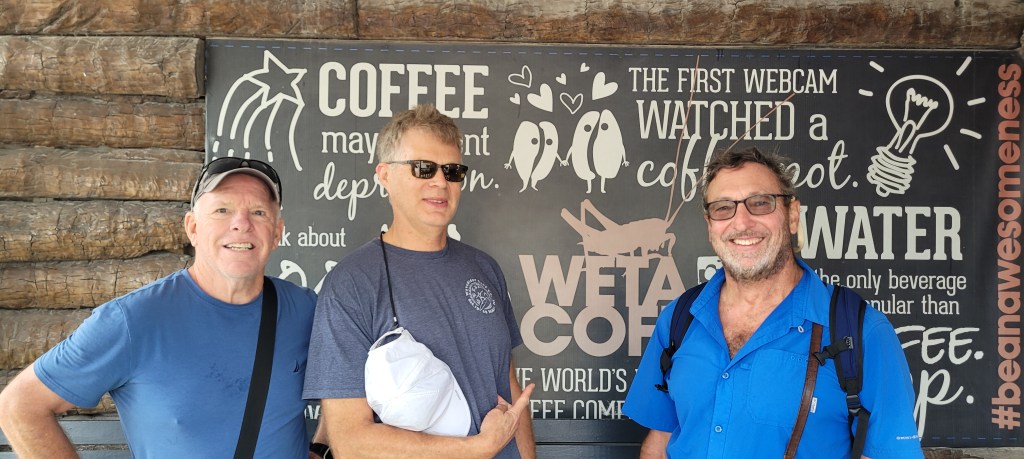
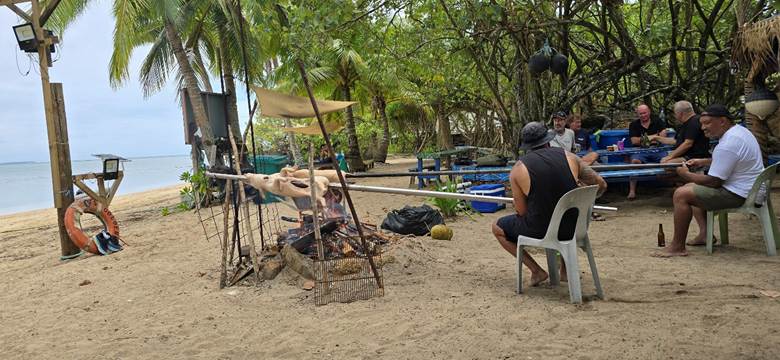
Me, Tim, and Peter, at a popular coffee shop.Tim and Peter with Simon and Robin from Kallisti. We’re waiting for our water taxi to take us back to Big Mama Yacht Club.Quid Sea at anchor off Big Mama Yacht ClubTim and I are loading the dinghy with provisions to bring back to Quid Sea.Beach in front of Big Mama Yacht Club. The club was severely damaged by the 2022 tsunami but they are still operating and are great hosts.Some locals that came over to Big Mama Yacht Club for a gathering of family and friends. They’re roasting pigs on spits over the open fire. A common menu item at special Togan events.
Preparing for departure:
Sailing from Tonga to New Zealand can be a challenging passage. It’s not a trip for the faint of heart and requires some good offshore experience. The optimal weather window is October and November so we are in that window. The passage is about 1,100 nautical miles and often takes 7 to 10 days, depending on weather conditions. The trip may involve a layover of a few days in Minerva Reef to wait for a good weather window to New Zealand. Minerva reef is only 250 nautical miles from Tonga and is still in the region of consistent trade winds. Further south into the Southern Pacific, weather becomes more dominated by systems moving from Australia to New Zealand across the Tasman Sea. These systems can be less stable and often require a wait in Minerva for the systems to the south to pass.
We are planning to make the trip with Kallisti who is another sailboat we have been cruising with and have become good friends of the owners. Robin and Simon are Kiwi’s, returning home after 10+ years of cruising! We are consulting with them and a Weather Router looking for the best time to leave. A Weather Router is a professional who recommends routes and departure times based on weather forecasts and the boats performance. Weather Routers are often experienced sailors, professional meteorologists, or both.
Our Weather Router, Bruce, has told us that we can probably make the passage from Tonga to New Zealand without a stop at Minerva Reef. This would get us to New Zealand in about 7 days rather than 10 which would include a stop in Minerva. We like the 7 day window because it also aligns better with Tim’s and Peter’s flights back home. They were both willing though to change their flights if weather made it necessary. That’s one of the challenges with sailing and schedules. Sailing is very dependent on weather. There’s a saying that a sailor’s worst enemy is a schedule!
Based on Bruce’s recommendation we are planning our departure from Tonga for the afternoon of October 20th. Our goal is to arrive in New Zealand as early as possible on Monday, October 27th to beat a cold front that is forming west of New Zealand and expected to arrive at the north end of New Zealand early Tuesday morning bringing heavy winds. If we can’t make good time or something changes, we should plan on stopping at Minerva to wait out the frontal system.
Because we may have to stop at Minerva, we are planning to provision for at least 2 weeks at sea. There is nothing in Minerva so we need to provision for a possible stay there.
Monday, October 20th
We spent the morning and early afternoon stowing gear and securing the boat for the passage to New Zealand. The past few days the wind had been blowing pretty strong, 20+ kts, but it was starting to reduce to more reasonable speeds, i.e. less than 20 kts. At 15:00 (3PM) we raised the anchor and set sail for New Zealand. Kallisti set sail about 1 hour after us.
Here we are leaving the anchorage in Tonga on our way to New Zealand.
We sailed through the Tongatapu Island group with the wind off our starboard quarter on a nice broad reach with just the Genoa. As we exited the island group, we raised the main but put in a 3rd reef. The reef reduces the sail area and is important because we expected strong winds through the evening and didn’t want to be reefing the sail in the dark.
We exited the lee of the Tongatapu Island group around 18:00(6pm). Exiting the lee means we entered open ocean where the islands weren’t protecting us from winds. The winds are blowing 20 to 25kts from the ESE which is right on our port beam. This means the wind and waves are hitting the boat from the side which translates to very rough conditions and very unhappy crew.
Tuesday, October 21st
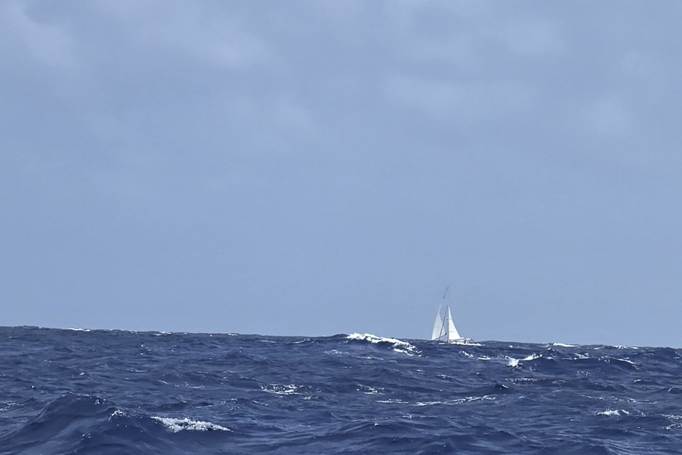
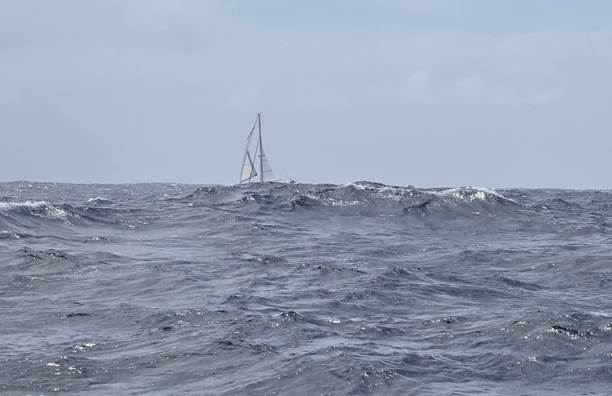
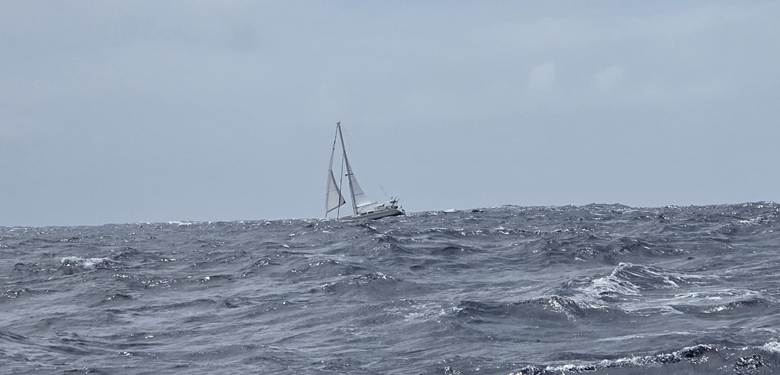
Same conditions continued into the late afternoon, beam seas at 20-25kts. We were still sailing with the main reefed. Here are some pictures of Kallisti sailing about a mile or so away from us. Kallisti is about the same size as Quid Sea so what you see Kallisti doing is the same thing we were doing. Sometimes the waves are high enough that you can’t see the hull and sometimes it looks like you are pointed down into the sea as you slide down a wave.
Kallisti sailing about 1nm away from us. Hull barely visible above the waves.Kallisti sailing about 1nm away from us a little later in the day. Hull still barely visible above the waves.Kallisti sailing about 1nm away from us pointed down at the bow like she is about to submerge.
As evening approached the wind dropped below 20kts and shifted more easterly. What that means is the wind and waves are more behind us and the boat is rolling a little less. Still a very rough ride and wearing on the crew and captain.
Wednesday, October 22nd
By morning the wind was down to 17kts and becoming more north easterly. Conditions continue to calm and crew is feeling better. We took the reef out of the main and sailed with full sails. It was a relatively good day of sailing.
Nice sailing conditions on Wednesday.
Thursday, October 23rd
Mid-morning the wind has shifted more NE and is down to 14-17kts. We are heading more southerly now as the wind has shifted. Our goal is to make more westing so as the wind shifts more north, we expect to have to gybe and go onto a starboard tack. What this means is we’ll turn more westerly and put the wind on our starboard (right) side instead of our port (left) side.
At 10:20 we crossed the International Date Line from the Western to the Eastern hemisphere!
About noon we started motor sailing to charge batteries and check for water in the fuel. Kallisti is about 6 nautical miles away and reported some water in their fuel tanks. They suspect the water came in through leaky fuel caps on deck where the fuel is put in when filling the tanks. That’s one of many things that can happen when taking waves over the boat. Since we had also been taking waves on deck, we thought it prudent to check also. Fortunately our tanks appeared to be free of water.
We shut off the motor about 17:30 (5:30pm) and sailed into the evening. We started talking about the cold front that is coming. Spirits continue to improve as wind and seas are more manageable but we know rougher weather is ahead.
Peter and Tim relaxing in the cockpit. Tim is on watch.Peter with a smile on his face. Can’t tell if Tim is smiling.
Friday, October 24th
A little after midnight, we gybed onto a starboard tack and starting heading more westerly as the wind had shifted more northerly. Overcast and light rain in the morning. Weather is changing as we approach a smaller frontal system. This is not the big system approaching northern New Zealand that we are worried about and trying to beat.
In the evening the winds started to shift from NNE to NW. It was a rough night trying to make more westing as we had to start sailing more into the wind on a close reach. Our goal was to make as much way west as possible before the next wind shifts to the SW. If we can’t get enough westward distance, we’d end up sailing into high winds on our final approach to New Zealand.
Saturday, October 25th
We continued on a close reach trying to make as much westing as we could. Sailing on a close reach means sailing into the wind and waves at an angle and is usually rougher sailing conditions. The wind continued to build so we had to put a reef in the main and Genoa. About 17:00 (5pm) we started passing through the cold front which brought squalls with wind gusts and heavy rains. The wind shifted to the SSW which made it difficult to find a good sail angle that would allow us to stay on schedule and beat the big front heading for the north end of New Zealand. We decided to start the engine and motor. We motored into the wind and seas through the night which made for a very rough ride.
Sunday, October 26th
The wind shifted more westerly by morning and we raised sails and motor sailed until about 10:30. We sailed on a more comfortable tack for most of the day and conditions were more comfortable. Here’s a glimpses of what conditions looked like.
Not bad sailing conditions on Sunday.Nice sunset on Sunday. Conditions are still pleasant.
Monday, October 27th
About midnight the wind finally backed more to the north, coming from the NW. This allowed us to sail on a comfortable broad reach with the wind behind us. We are now sailing SSW directly for Opua, New Zealand. By 08:00 the wind was blowing about 20kts and the boat is moving at about 8kts. Great sailing conditions but we know winds will be picking up soon as we get closer to the major cold front coming around the north end of New Zealand. At this time, we decided to put a 3rd reef in the main in anticipation of the higher winds.
Here’s a picture of the skipper checking things out, making sure we’re secure, before the big winds we expect later in the day.
Around noon the winds built to about 30kts. By 16:00 (4pm) we were in 35-40kt winds which officially are gale force winds. We clocked some gusts as high as 47kts which is 54mph. Not only were the winds high but the waves were 2-3 meters (about 6 to 10 feet). Waves that high are not necessarily bad except in this case their period was 6-8 seconds which means they are big and coming close together. We were in very rough conditions.
Rough conditions on our last day as we approach the Bay of Islands in New Zealand.
We entered the Bay of Islands about 19:00 (7pm). The wind was still blowing hard but the waves started to subside as we entered the protection of the bay. We dropped sails and started motoring to our destination, the Bay of Islands Marina in Opua. We arrived at the Q-Dock in Bay of Islands Marina at 20:45 (8:45pm). The Robin and Simon from Kallisti, who had arrived a few hours before us, were ready at the dock to help us tie up. Q-Dock is the quarantine dock where we are required to wait until we can be cleared by customs and immigration. We were relieved to have finally arrived and were able to crack a few beers with Robin and Simon. Cindy and some other boating friends cheered us on from the docks across the way but they could not be with us as we are “in quarantine”.
Tuesday, October 28th
We woke up to a beautiful morning on the Q-Dock.
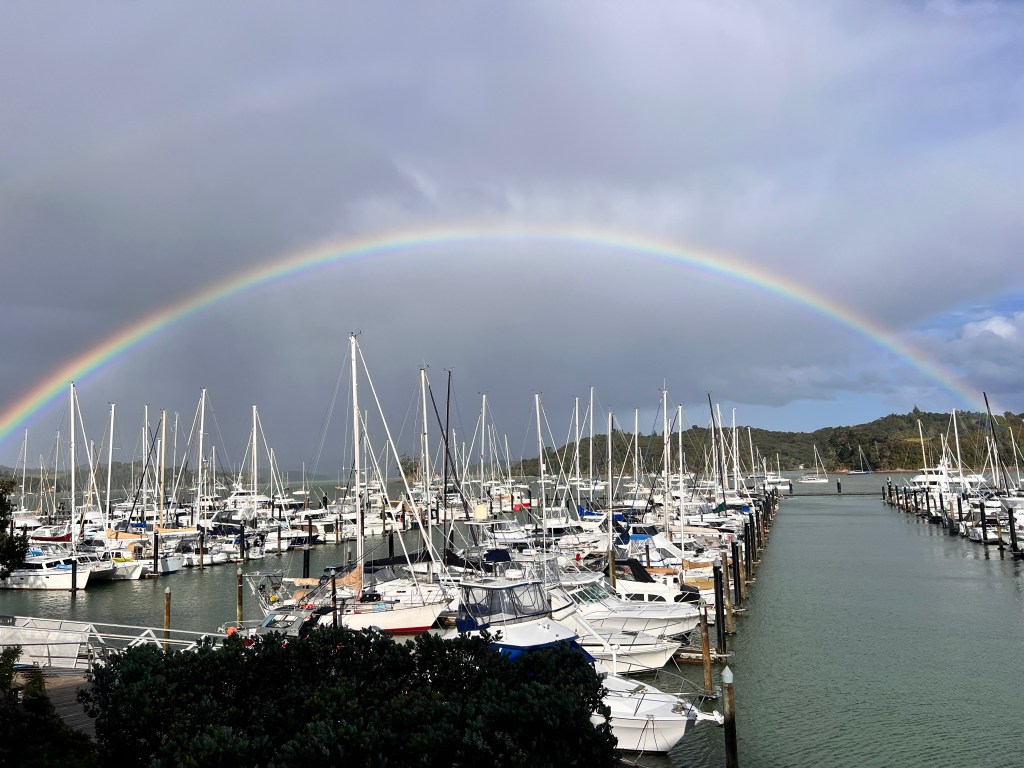
Here is Quid Sea with a beautiful rainbow welcoming us to New Zealand.
Customs and Immigration as well as a representative from Biofouling management came onboard around 10:00 to clear us. Customs and Immigration are checking for proper documentation and visas as well as declarations for items onboard. Biofouling management is making sure we are not bringing any pests or invasive species both inside the vessel and outside on the underwater part of the hull. We were cleared by all and were able to move to our slip in the marina. We tied up at our slip at 12:00 anxious to meet up with Cindy at the Airbnb where she was waiting for us. We are really looking forward to hot showers and I am really looking forward to hugging Cindy!
As we gathered later in the day on Tuesday for a get together with friends and fellow cruisers, our trip was described by many as “Epic”. Needless to say, Quid Sea’s performance was stellar, and the crew’s resilience from one day to the next made the trip one we’ll not soon forget.
Cindy left on July 17th for the long voyage by air back home where I’ll be joining her after I sail Quid Sea to Tonga. My plan is to leave Bora Bora in a few days when the weather window looks good. I’ve booked a flight from Tonga back home on August 7th so I need to be in Tonga a few days before that flight.
Cindy and I waiting for the ferry that will take her to the airport in Bora Bora.Cindy waving goodbye from the ferry on her way to the airport. I’m on my own now and preparing for my upcoming solo trip to Tonga.
Day 1 – July 19th – The solo adventure begins!
I left the Bora Bora mooring at 10:00 to start my longest solo voyage yet. It’s with mixed feelings I leave Bora Bora. Leaving a lot of good cruising friends who will be following after me by about a week. Cindy and I both would like to have stayed and explored Bora Bora more but alas, our 90-day visa for French Polynesia was expiring on July 21st. I am looking forward to the “challenge” of a solo sail. I expect the 1300nm trip to take between 9 to 12 days.
I am a little concerned about the weather. A cold front is approaching Tonga from the south that will bring some heavy rain and high winds during the last part of my trip. I am using a weather router to provide guidance as well as talking with other cruisers that are out here near me (near meaning within a few hundred miles) and cruisers that are leaving Bora Bora after me. A few days before, the weather forecasting tool I use showed winds in excess of 40kts near the cold front. More recent forecasts though show the winds to be in the 30kt range which is more manageable. Hopefully, the forecast continues to improve. Based on weather models and input from my weather router, I started out on a more northerly heading to avoid the higher winds to the south and take advantage of the Edeerasterly trade winds more north.
I spent the morning before leaving getting the boat dialed in and ready for 9-12 days at sea by myself. I prepared a couple of meals ahead of time, made water, charged the batteries, and secured everything on deck and below deck. I also prepared the storm jib on the inner forestay and setup for a 3rd deep reef in my mainsail should the high winds forecast later in the voyage develop.
I exited the pass from Bora Bora about 10:30, shut off the engine, and set sail! It’s a beautiful sailing day. Clear skies and following winds in the 10-15kt range. Perfect for sailing. I’m sailing almost directly downwind so I am only using the genoa. I use the Hydrovane autopilot during the day to save power on the batteries. She is doing very well holding my course.
The difference between the Hydrovane and the electronic autopilot is that the Hydrovane is purely mechanical. The Hydrovane has a wind vane and auxiliary rudder. The direction of the wind vane is adjusted until it is pointed in the direction of the apparent wind. When adjusted properly, the wind vane controls the auxiliary rudder and keeps the boat at a constant angle to the wind holding the vessel’s course unless the wind shifts. The electronic autopilot has a hydraulic ram that is connected to the main rudder and controlled by electronics. It has several modes of operation but essentially keeps the vessel on course through the electronics. The main advantage of the Hydrovane is to save on battery power. Another advantage is the auxiliary rudder that is part of the Hydrovane system can serve as an emergency backup rudder should the primary steering system fail.
Around 18:00 (6:30pm), after the sun set, I turned on the electronic autopilot and prepared to get some sleep. The Hydrovane requires some attention and occasional adjustment, especially if the wind direction changes. The electronic autopilot generally requires almost no attention once set. I feel safer sleeping with the electronic autopilot.
Sleeping when sailing solo is complicated. Where to sleep and for how long is a challenge. With more than 1 person onboard, someone can sleep comfortably while another keeps watch. When alone, you need to decide how long you can safely sleep without keeping a lookout or checking on sails and wind. The current conditions are steady 10-15kt winds, 3 to 5 foot seas, and no traffic. I have not seen another vessel since leaving Bora Bora. Even though I don’t see any other traffic and the wind and sea conditions are nice, I still decided to sleep in the cockpit my first night. I can quickly manage any adjustments to the autopilot. I also set my radar and AIS alarms to warn me of any vessels that appear.
Day 2 – July 20th
Conditions are pretty much unchanged in the morning. Started out mainly downwind but then the wind shifted a bit, so I was able to raise the mainsail. The weather is beautiful, good Easterly trades and clear skies. Sailing with both sails and starting to relax and enjoy the experience. The first 24 hours are usually tough on a passage whether alone or with crew. The time is spent getting the boat dialed in, establishing routine, and adjusting to being at sea again.
In the afternoon, the wind dropped to about 10kts and my SOG (Speed Over Ground) dropped to 3-4kts. I turned more southerly for the night.
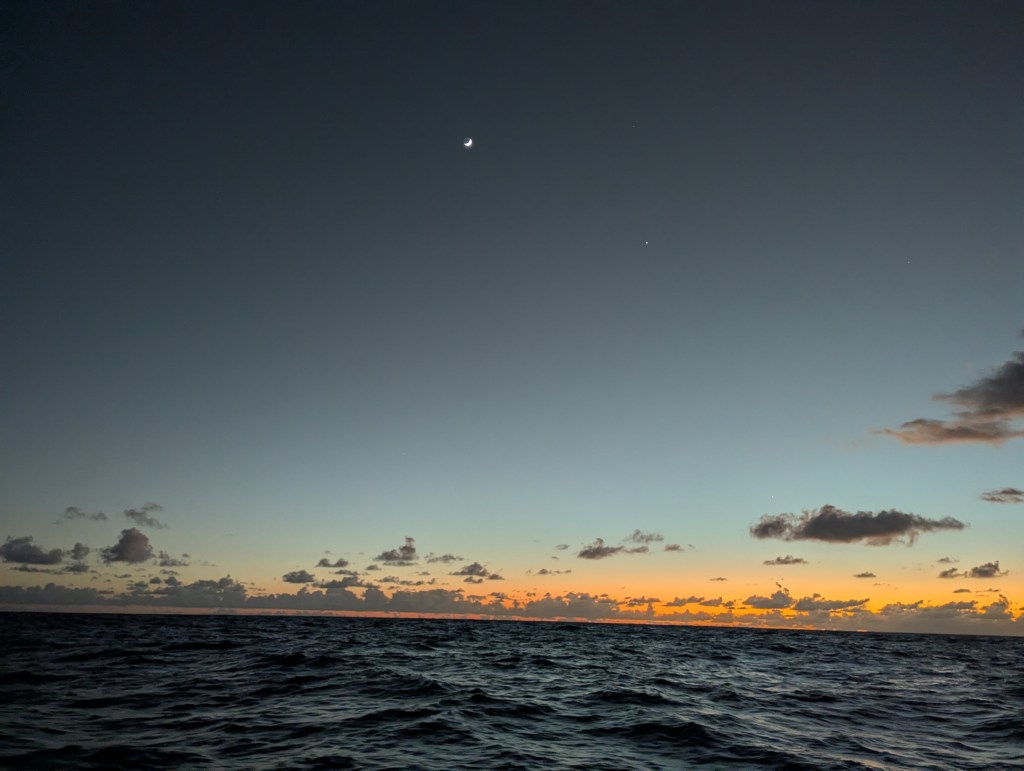
Sunset on my second day. Relatively calm seas and clear skies.
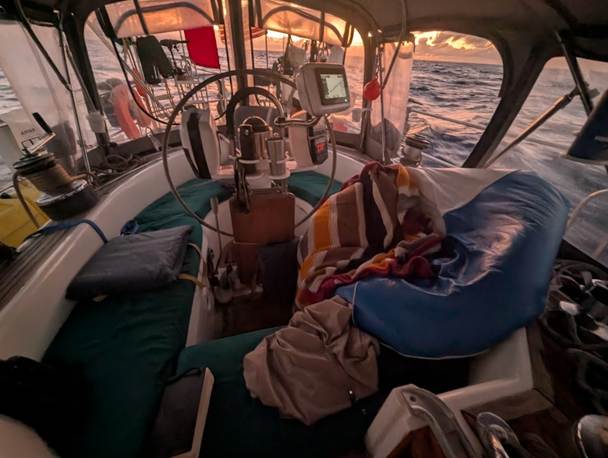
I’m still sleeping in the cockpit, but I’ve figured out how to make myself more comfortable with my beanbag chair, cushions, and a pillow.
A glimpse of life in the cockpit. The big blue and white bean bag helps me get comfortable.
Day 3 – July 21st
Continued on the same southwesterly tack. The winds had picked up a bit during the previous night to 10-15kts. Making better speed today, SOG averaging 5-6kts.
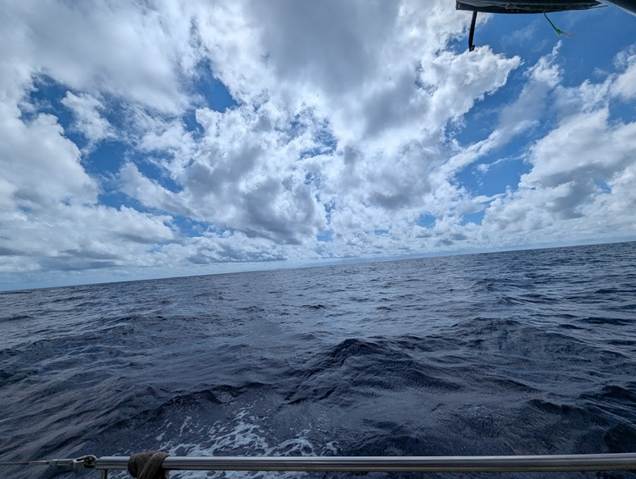
Clouds starting to build and some rain way off in the distance. Still great sailing conditions.
Passed through some rain squalls later in the day. No heavy winds or lightning in the squall and Quid Sea enjoyed the freshwater washdown.
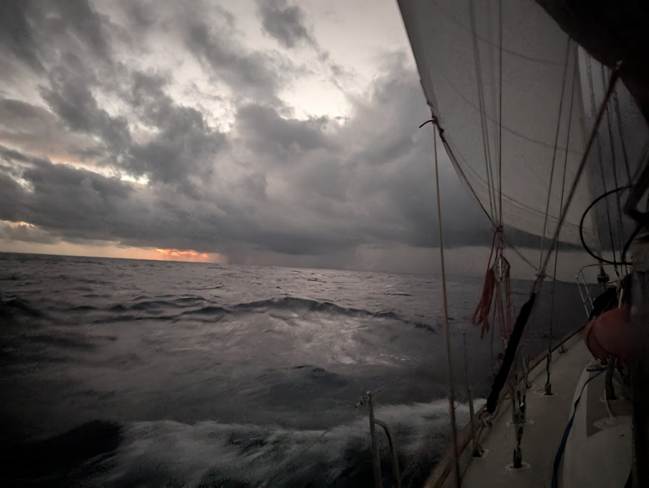
As evening settles, rain is getting closer and looking a little ominous.
Still sleeping in the cockpit. Not sure how much confidence I have to be below and sleep in the cabin.
Day 4 – July 22nd
The wind is still consistent at 10-15kts but shifting more northerly. It started out coming from the NE but through the night shifted to the N and then the NW. I’m starting to approach the zone where the weather is changing.
Slept in the cockpit again because of the shifting winds, the autopilot needed a lot of adjusting.
Day 5 – July 23rd
The wind dropped to about 7kts, and my speed was about 3kts. Winds are getting light and variable. At this point I started motor sailing. Motor sailing is using the engine as well as the sails to make headway. It also helps charge the batteries . While motor sailing, I was making about 6kts SOG. I motor sailed for a couple hours until sunset and then went back to just sailing. It’s quieter and more peaceful but slow in these light winds. I’m back to about 3kts SOG.
Sunset on Day 5. Relatively clear skies and calm seas. Very pleasant sailing.
Day 6 – July 24th
Wind dropped to less than 4kts during the early morning and the water is like glass. At this point I started motor sailing again.
Wind has died and seas are flat. Clouds and rain look to be building in the distance. This is literally the calm before the storm.
Although conditions are calm, I know the strong southerly winds are coming so I decided to put the 3rd reef in the mainsail while conditions are calm, and I have daylight. The sky is clear but there are some darker clouds on the horizon.
About 9:30PM, I was hit by the first squall. Winds picked up to about 17kts, but Quid Sea is performing solidly with the 3rd reef in the main and the genoa fully deployed, no reef.
Wind is picking up now with more clouds developing and rain very visible in the distance.
Day 7 – July 25th
By morning the winds are now coming from the SSE at about 20kts and waves are about 10ft. That is combined wind waves and swell. It’s also overcast skies now. Sailing now with 3rd reef in the main and 2nd reef in the genoa. The wind was gusting to 25kts which is why I reefed the genoa. SOG is now about 7kts. Quid Sea is doing great under these conditions. We’re heeled over about 5 degrees and rolling an additional 5-10 degrees but occasionally the waves and swell align causing us to roll 35-40 degrees. It’s getting difficult to move around a lot below deck because of these rolls. Lunch and dinner is now just sandwiches. These are the conditions that start to wear me down physically and emotionally.
Day 8 – July 26th
Wind has built to 20-25kts and seas are now 15ft. Skies are still overcast. Quid Sea is still doing well although we are taking the occasional wave over the port side. The Hydrovane is performing great even in these rough conditions.
Day 9 – July 27th/July 28th
I decided to change the ships clocks to Tonga time today which is UTC+13. I am currently on French Polynesia time which is UTC-10. What that means is I will cross the international date line and change clocks one hour earlier and one day ahead. So, 09:00am on Sunday, July 27th, changes to 08:00am on Monday, July 28th. Confusing, right?
Winds built to over 30kts today. I trimmed the genoa more to take strain off the rigging and adjusted the heading to a wind angle that keeps the wind further abeam to reduce stress on the rigging.
The AIS alarm went off about 05:00 meaning another vessel is close. A trimaran, S/V Oceans Tribute, overtook me. She passed within about 1 mile but I never did get a visual sighting. Still, it was nice to know there was another boat out here. The only one I’ve seen since leaving Bora Bora.
About 09:30, the wind dropped back down to about 20kts and the sun came out. That really helped lift spirits. The heavier seas along with overcast skies definitely wears on a person.
Day 10– July 29th
Winds built overnight and are ESE at about 25kts. I’m doing about 7.5kts SOG with a DTG (Distance To Go) of about 240nm. If I maintain this speed, I’ll arrive in Tonga around 18:00 tomorrow, July 30th. It’ll be just before sunset. I’d prefer to enter a new place in daylight, especially since the dock I must go to in Tonga for customs check-in is tricky. If I can get some more speed, I’ll try for arrival tomorrow.
Day 11– July 30th
Winds are still blowing about 25kts but have shifted more Northerly and are coming from the ENE. It’s forcing me to gybe so that I am not sailing directly downwind. Gybing is changing course when the wind is from behind so that the wind direction changes from one side of the boat to the other and the boom swings from one side to the other. In heavy winds, a gybe can be dangerous if not well controlled. If the boom swings too quickly and not well controlled it can damage rigging and gear. I gybed to a starboard tack for a while. I noticed on my gybe that the viewport on the genoa was blown out. The viewport is a circular “window” in the sail about 8 inches in diameter that lets you see the telltales on the leeward side of the sail. Not sure how it blew out but now I have an 8 inch hole in the sail. I’m a little concerned a tear could start so I gybed back to a port tack and kept the sail furled enough that the view port is not exposed.
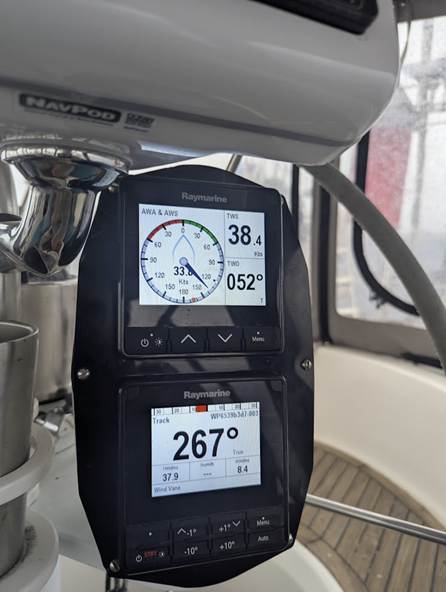
My navigation displays showing TWS (True Wind Speed) of 38.4kts on the upper display and Boat Speed of 8.4kts on the lower display.
By the afternoon the winds had built to over 30kts, gusting to 40kts. I furled the genoa completely and now I am just sailing with the mainsail, and it is still on the 3rd reef point. I’m lucky all this wind is behind me.
Looking through the aft cockpit windows in 30-40kt winds. Conditions like this, I really appreciate the fully enclosed cockpit. I am well protected from the wind and sea spray.
As I came around to the leeward side of Vava’u Island, the wind dropped to 25kts but still gusting over 30kts. At about 19:00, I approached Faihava Passage which is the entrance to Vava’u Island. At this point the wind is blowing 25kts, it’s pouring rain, it’s dark, and I have limited visibility. On top of that, a Tsunami alert was issued for the Pacific Ocean which included Tonga. Tonga itself had not issued an alert and the bay I am heading to is well protected and really not at risk. Still, with the weather, darkness, and now a tsunami alert, I decided to stay at sea and sail around until morning to enter. Forecasts are showing the rain and winds should reduce my morning.
Day 12– July 31st
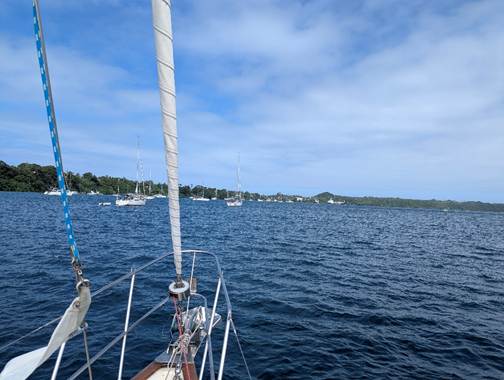
By 07:00, the winds had dropped, the rain had cleared, and the sun was up. After a long night of sailing back and forth in 15-20kt winds and 10ft seas, it seemed like heaven as I entered Faihava Passage and came into the shelter of the island and bays. I had a very uneventful sail into Neiafu and tied up at the customs dock to clear customs. It took about an hour to clear customs. By this time the wind had picked up and Quid Sea was being pushed up against the dock. With the help of several other boaters, I got Quid Sea safely off the customs dock and picked up a moorage. By 14:15 I was comfortably moored and finally able to relax and enjoy a well-deserved cocktail!
Calmer seas and skies starting to clear as I enter Faihava Passage coming into Tonga.I’ve cleared customs and am motoring over to the mooring field in Neiafu to moor and relax after my trip.
August 1st to August 7th
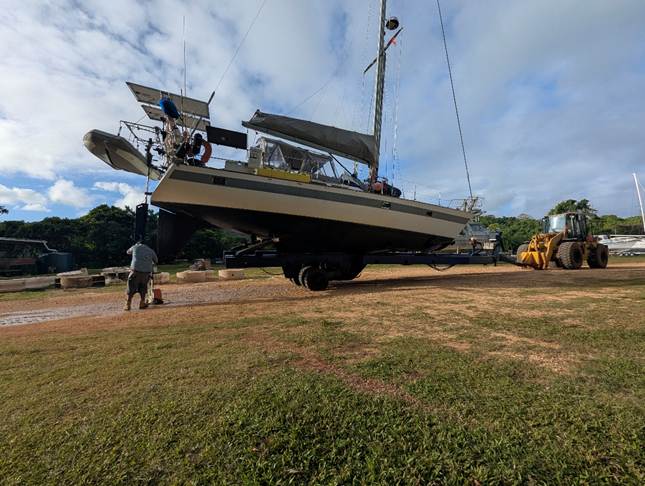
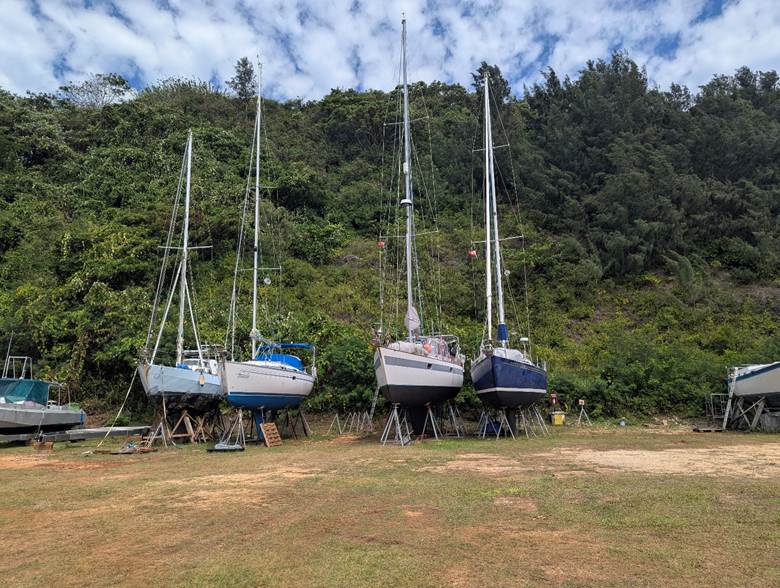
The next several days involved getting Quid Sea “hauled out” and put “on the hard”. This means pulling her out of the water and storing her on land while I prepare to head home to join Cindy.
Quid Sea moored over by the Vava’u Boatyard waiting to get hauled out.
I arranged to have Quid Sea hauled out at the Fava’u BoatYard. It’s one of only a few places in Tonga where this can be done. They Fava’u BoatYard has a large hydraulic lift trailer for boat haulout. Unlike travel lifts which lift the boats out by straps, this hydraulic lift trailer is placed under the boat while in the water and listed up with underwater straps and hydraulic arms and then pulled out of the water with a tractor.
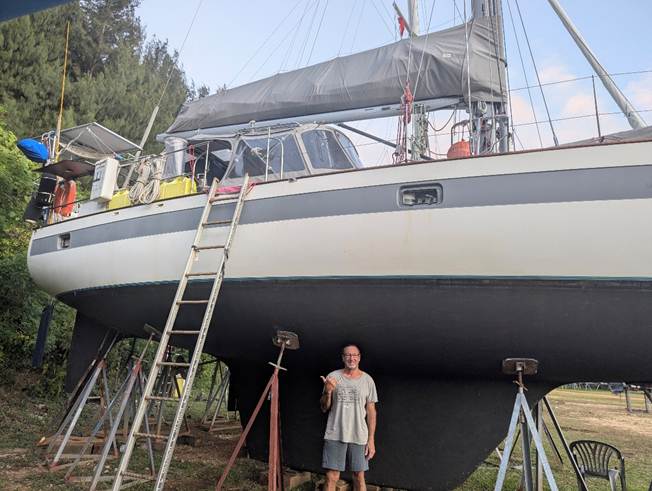
Quid Sea hauled out by the hydraulic trailer in the boatyard.Quid Sea off the trailer and secure on stands. Her resting place for the next 6 to 8 weeks. Me standing by Quid Sea on her stands. I stayed on Quid Sea for the 4 days between haulout and my flight home.
Quid Sea is safely tucked away on land. I left for home for a 6-8 week break to visit family and friends and take care of business items. Cindy and I will return to Quid Sea and Tonga in late September.
We hope you enjoy following our adventures on Quid Sea. We are new to blogging so please come back to visit as we get more experienced and have more experiences!