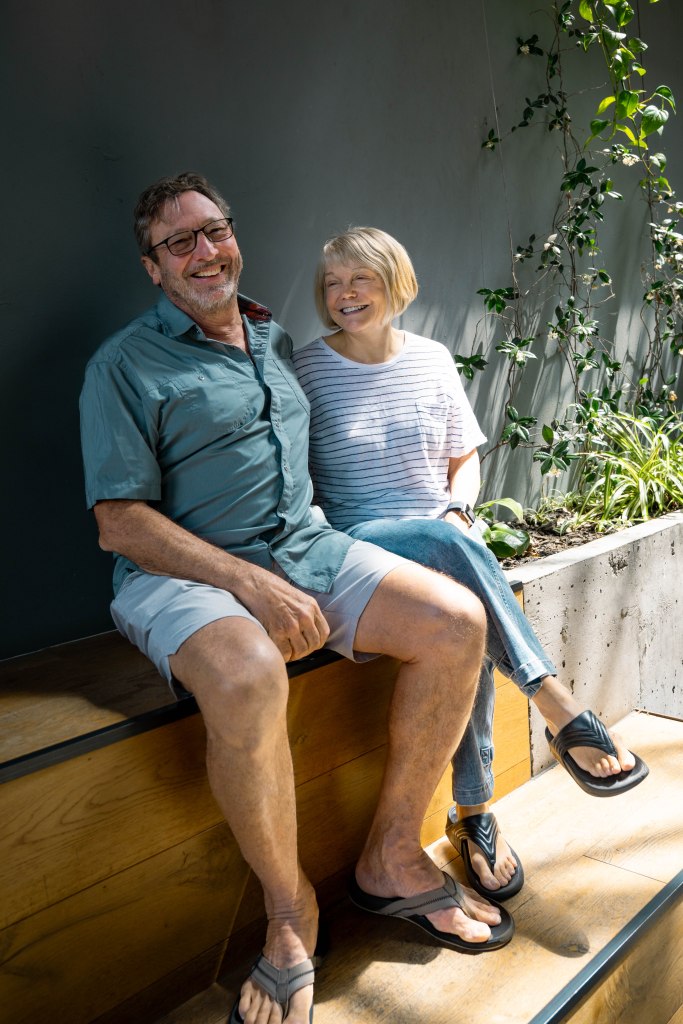
My daughter Madeleine arrived on December 16th for a 2 week visit over Christmas holiday. We are thrilled she came to visit and I planned a whirlwind trip so she could see a good amount of the central North Island in New Zealand. We haven’t done any traveling in this area either and will be discovering it together.
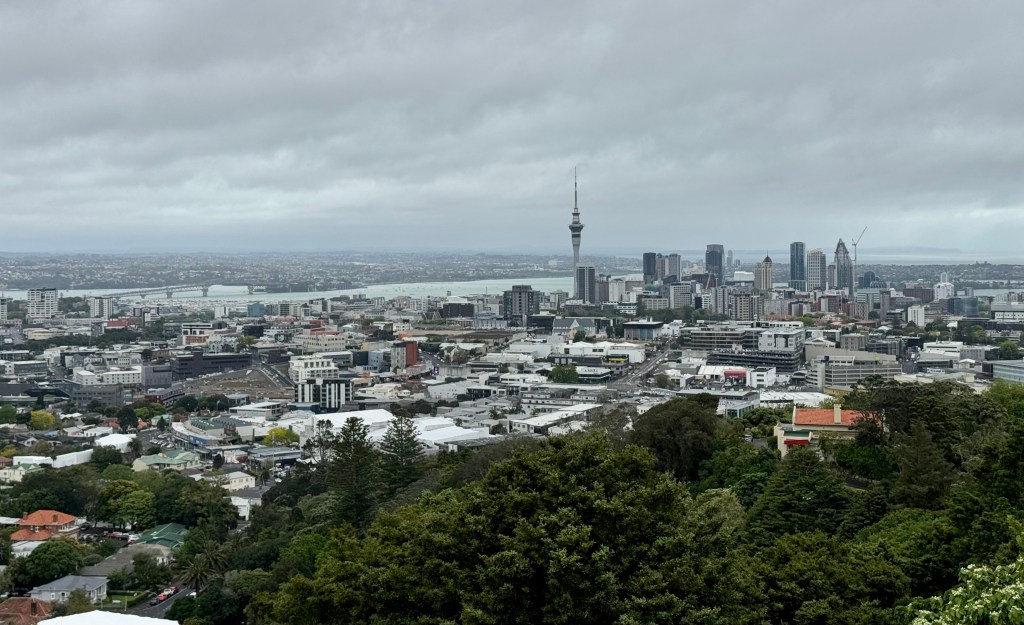
We spent a day in Parnell, Auckland, to have time to relax from her long flight. As I’ve mentioned before, Parnell is very walkable and we enjoyed a couple of leisurely walks and great eating spots over her 24-hour stay.
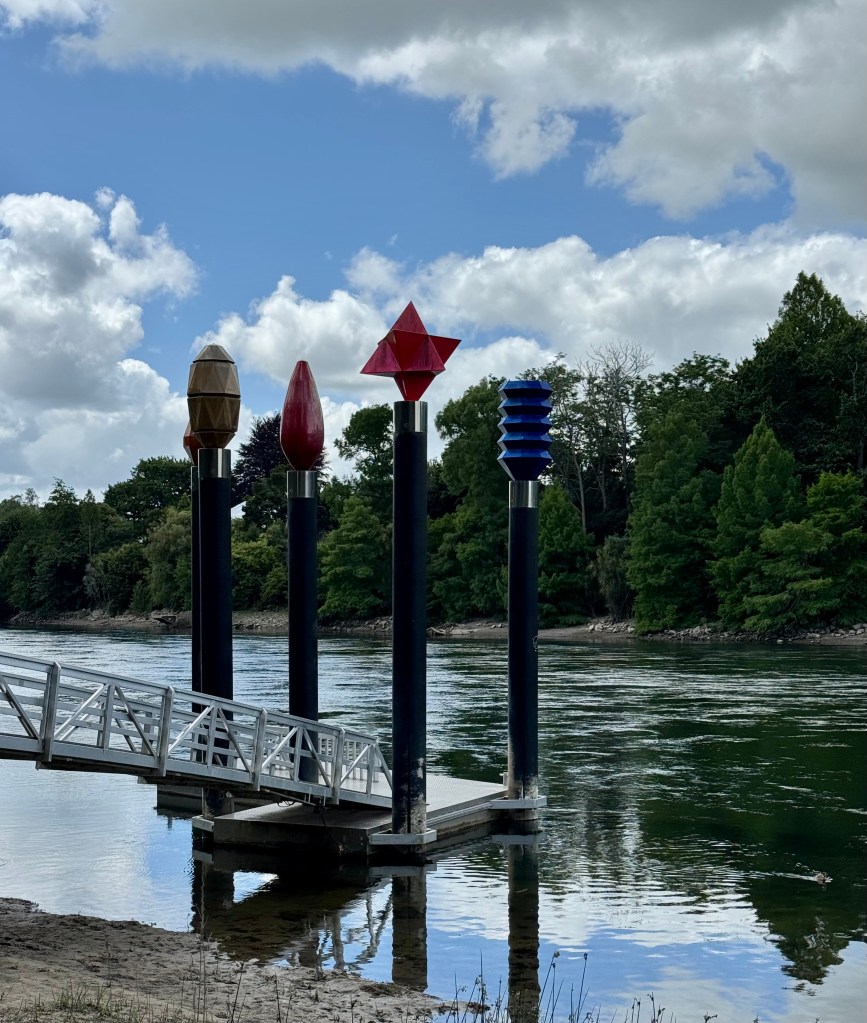
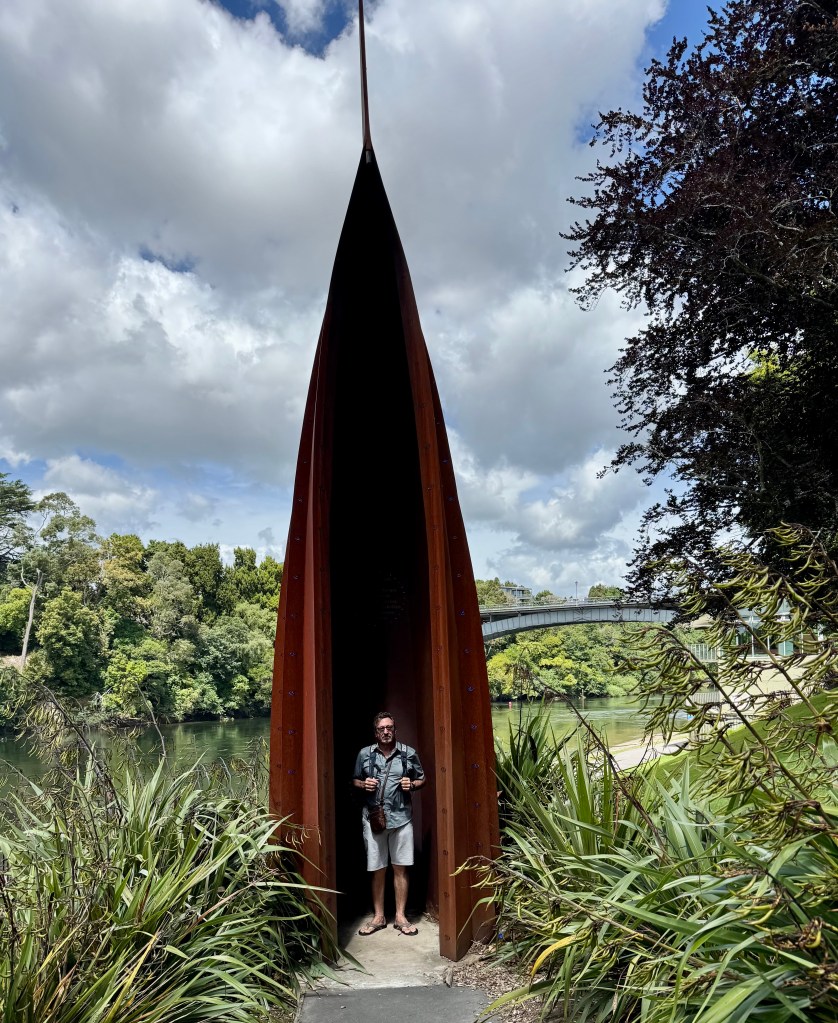
Our first stop was Hamilton on our way to Rotorua. Hamilton, also known as Kirikiriroa is New Zealand’s fourth-largest city, located in the North Island’s Waikato region famous for its Hamilton Gardens, Waikato River, and vibrant blend of nature, culture, and city life, offering attractions from Maori heritage at the Waikato Museum to outdoor adventures and a lively food scene, serving as a hub for the surrounding region.
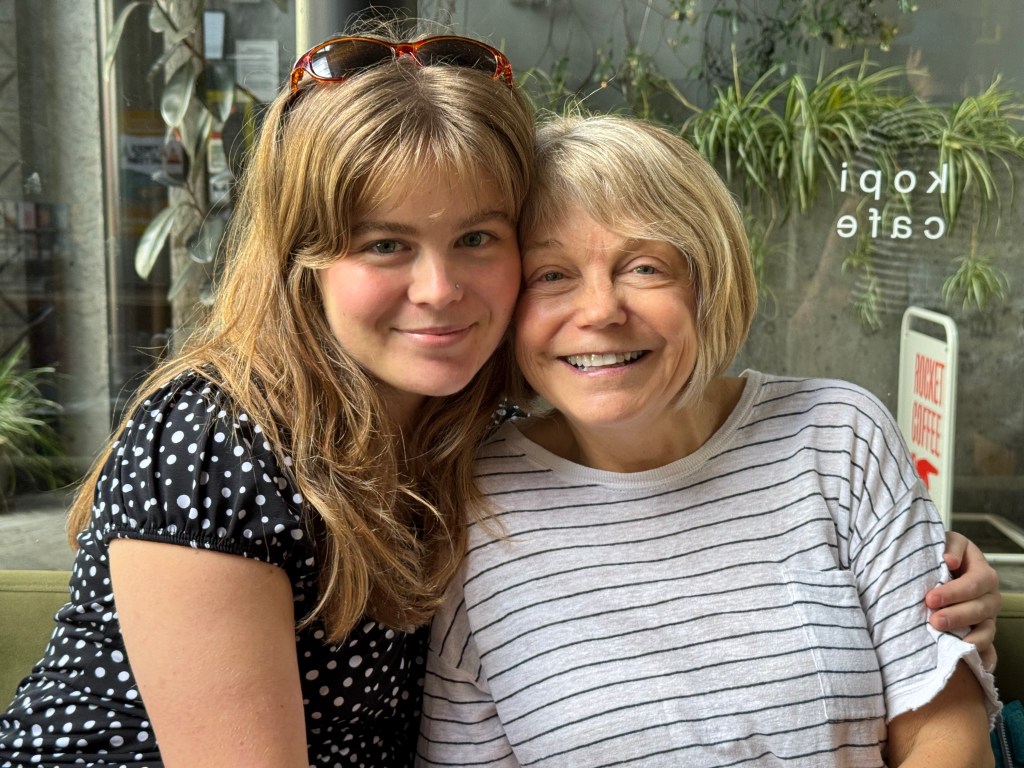
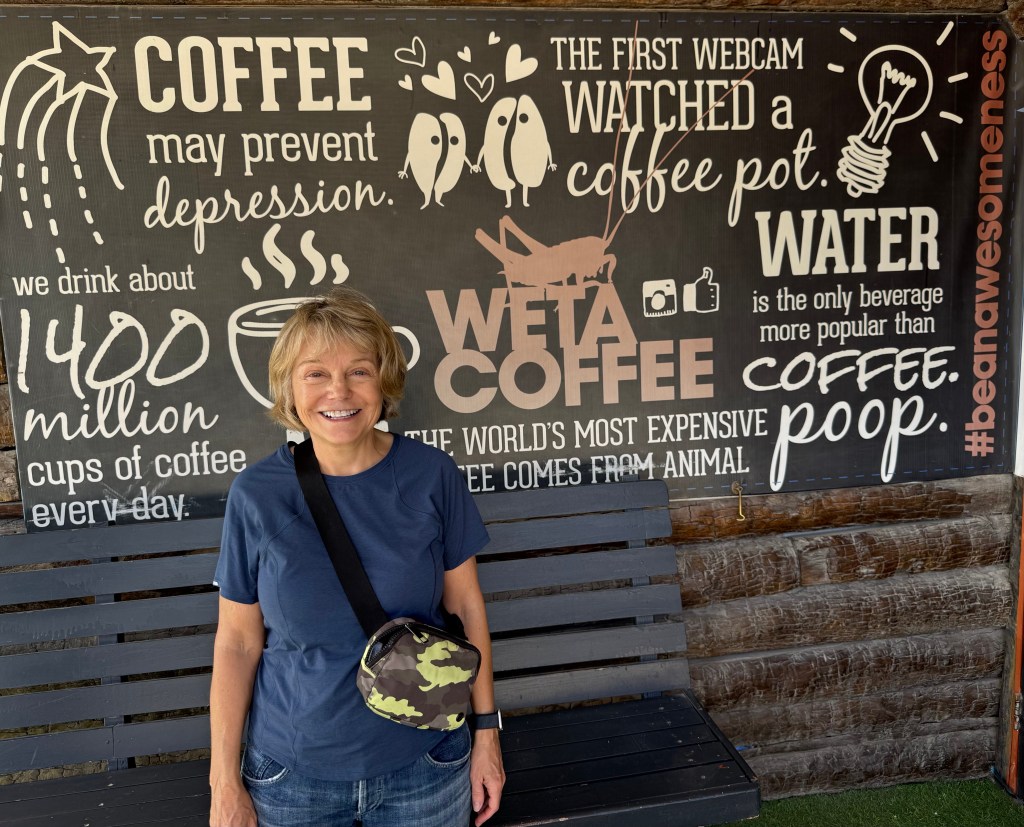
We enjoyed the riverwalk, the restaurants and a very friendly coffee shop. The staff/owner was very welcoming and they made a point to say hi and chat with us the multiple times we visited. One of the staff thought Madeleine looked like Mindy from the late 70’s TV show Mork & Mindy. 🙂
Key Highlights:
- Hamilton Gardens: A world-renowned destination with themed gardens, including Japanese, Italian Renaissance, and Maori styles.
- Waikato River: The longest river in New Zealand flows through the city, offering river walks, cruises, and scenic views.
- Culture & Heritage: Home to the Waikato Museum, which showcases Maori art and artifacts, ArtsPost gallery for local art.
- Vibrant City Life: Features diverse restaurants, cafes, bars, and shopping, especially along Victoria Street.
- Education & Innovation: Home to the University of Waikato and known for its youthful, innovative population.
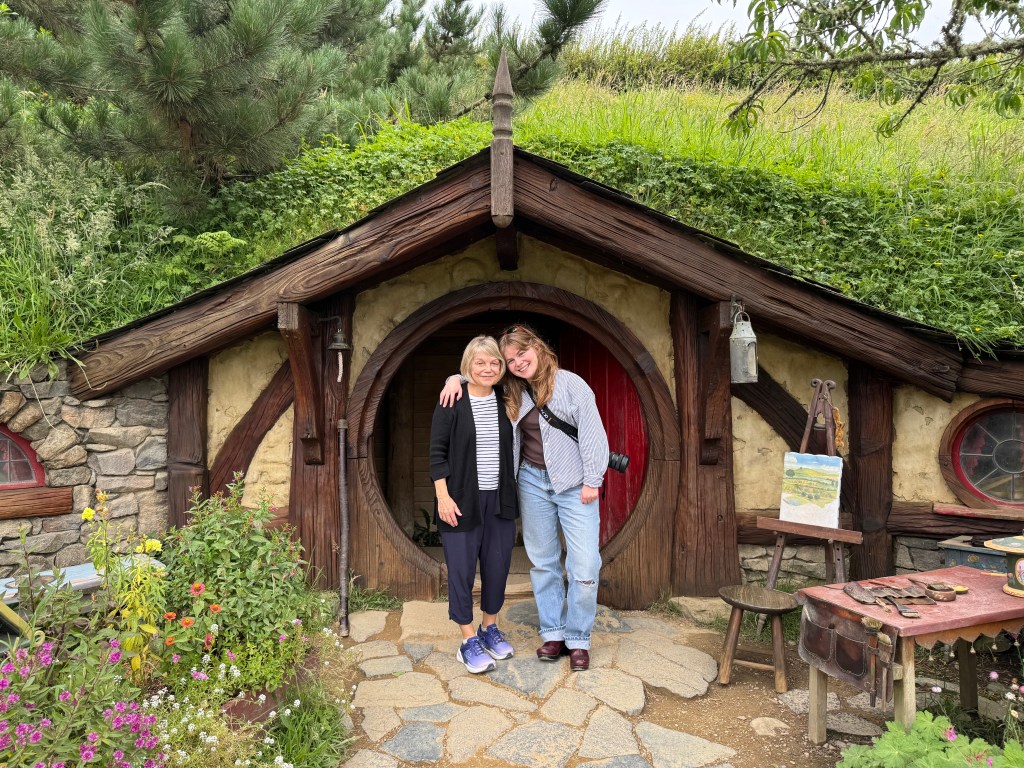
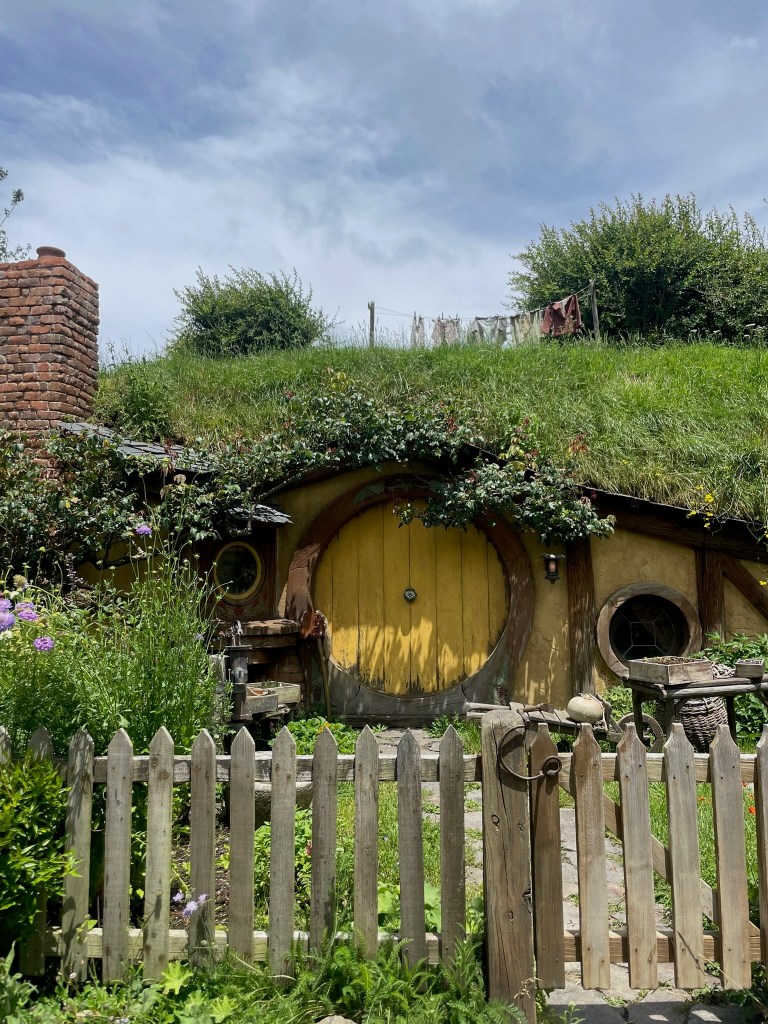
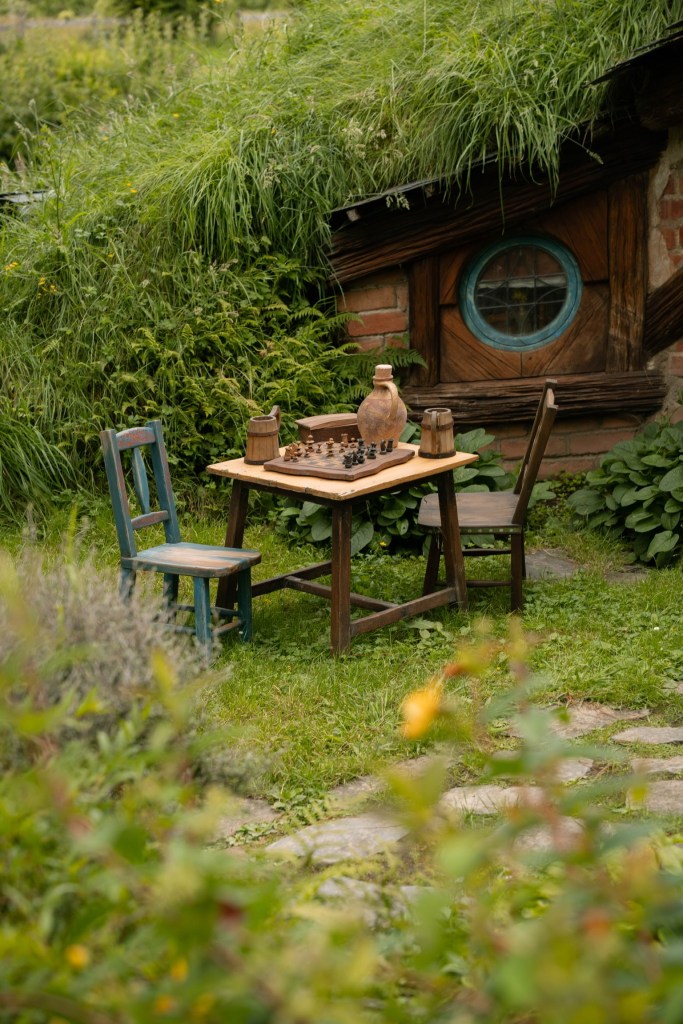
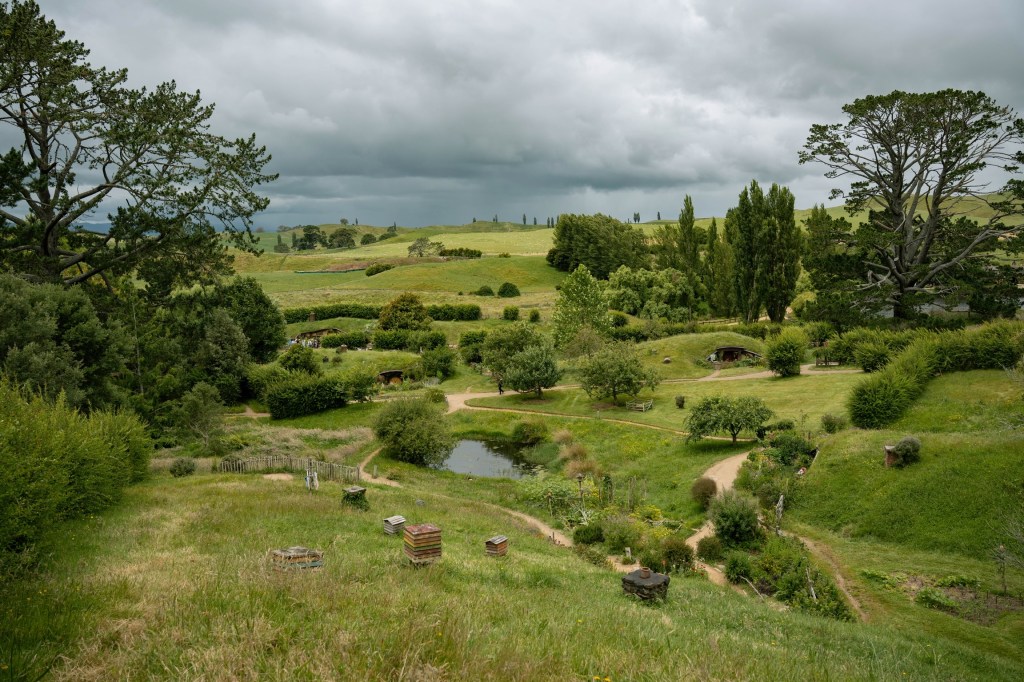
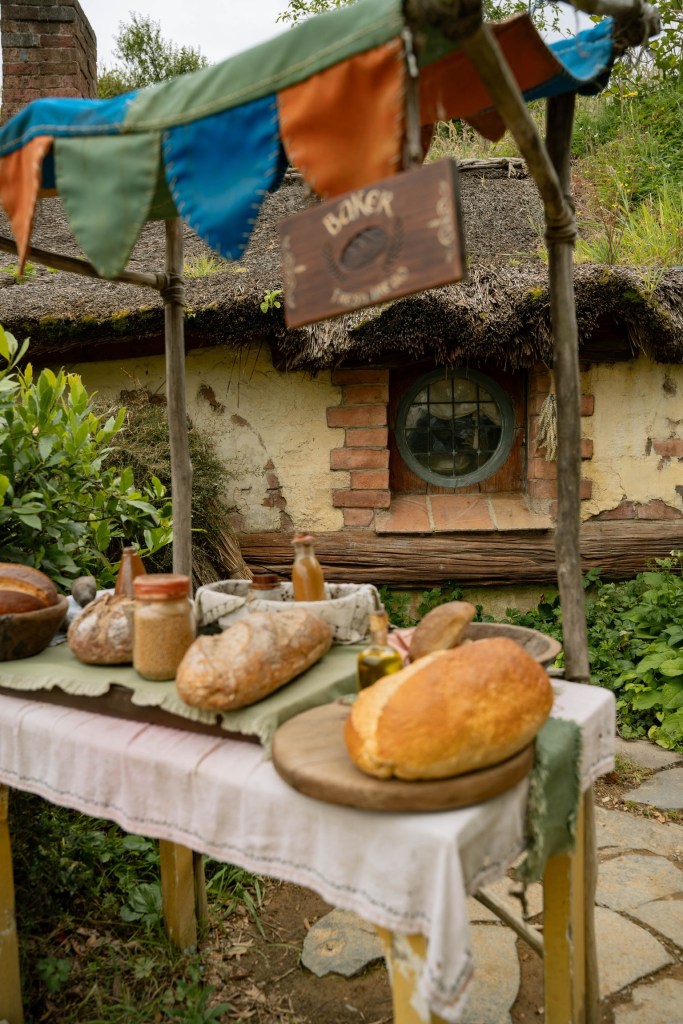
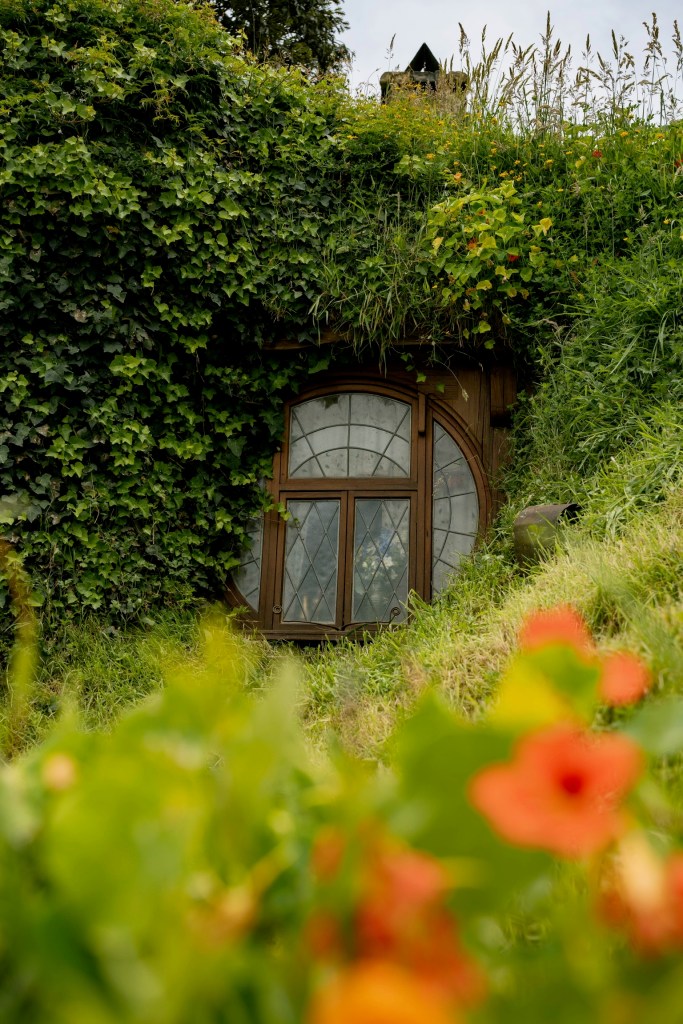
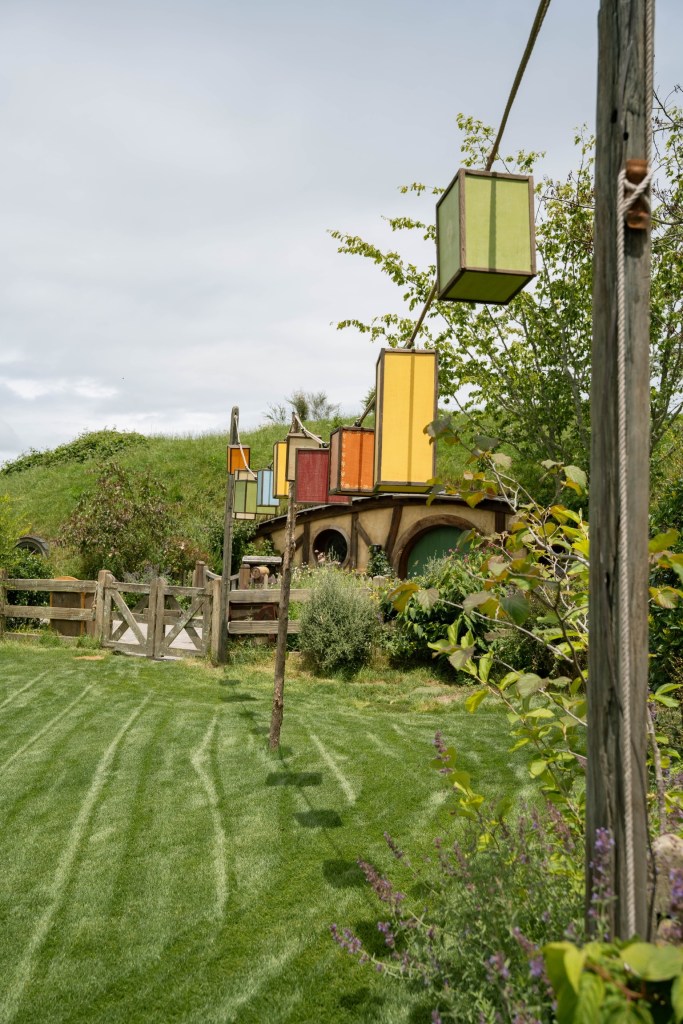
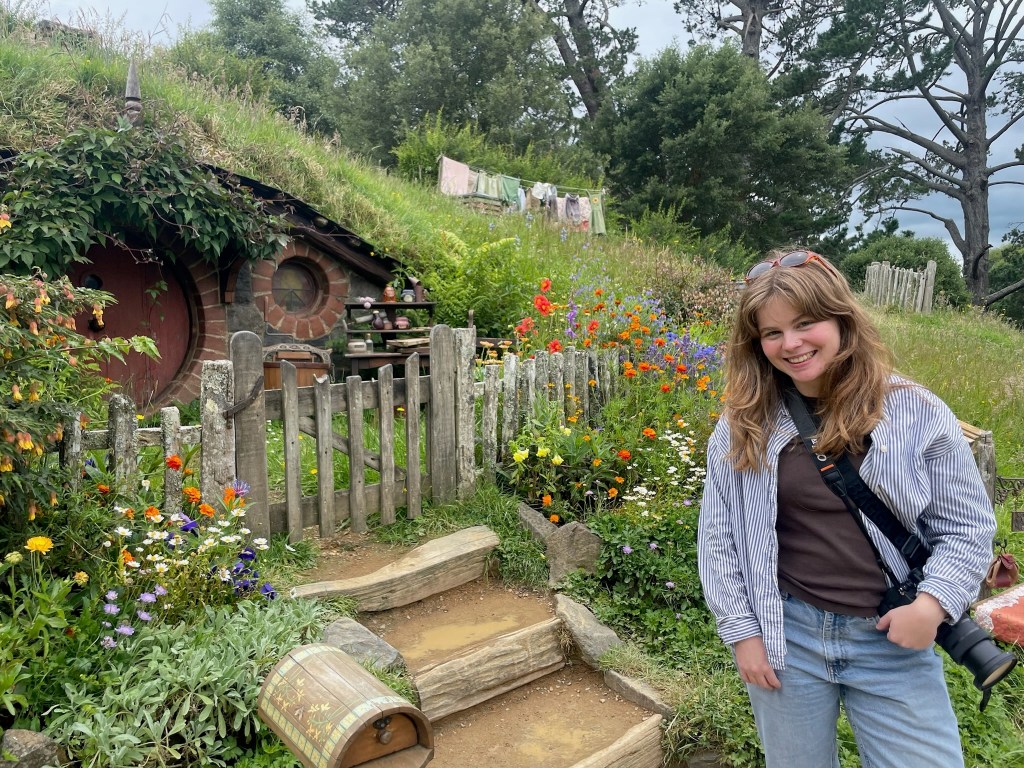
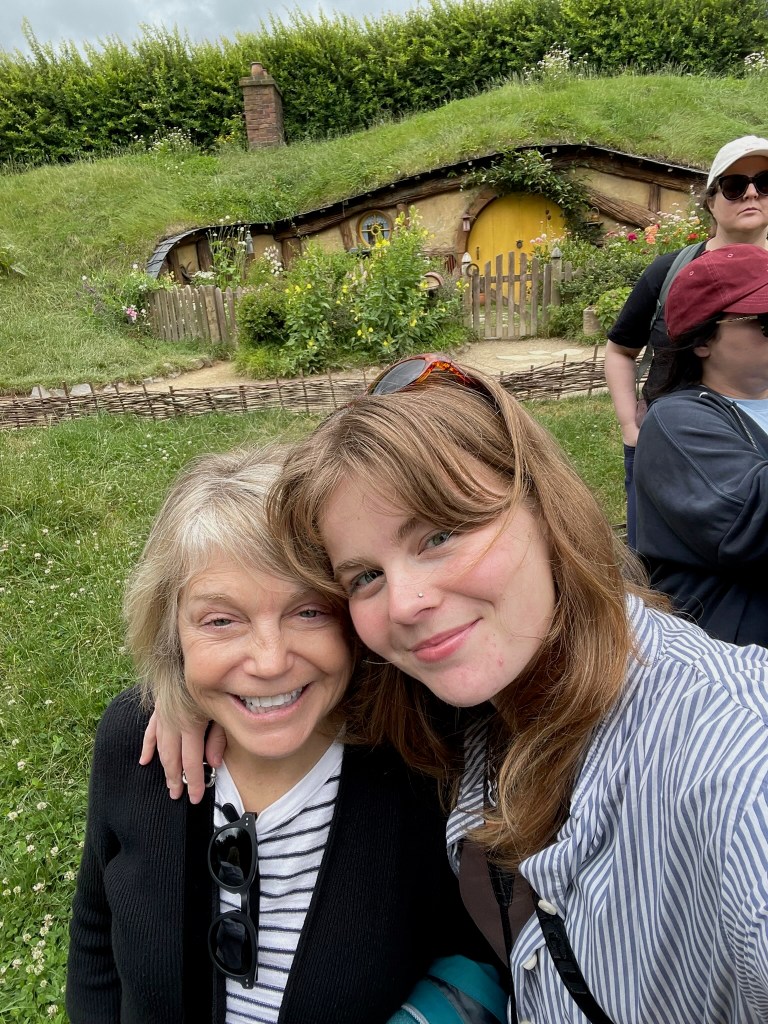
Located between Hamilton and Rotorua is the Shire, Home of the Hobbiton Movie Set where The Lord of the Rings and The Hobbit Trilogies were filmed, our first formal tour. Madeleine and I went on our own as Tracy plans to go when his brother and sister-in-law come to visit. In full disclosure Madeleine and I have not seen the movies or read the books but wanted to go anyhow because that’s just what you do in New Zealand.
We were told by our guide that when location scouts found the Alexanders’ spectacular 1250-acre sheep and beef farm, it was clear this would be the perfect setting for Sir Peter Jackson’s adaptation of these classic works by J.R.R. Tolkien.
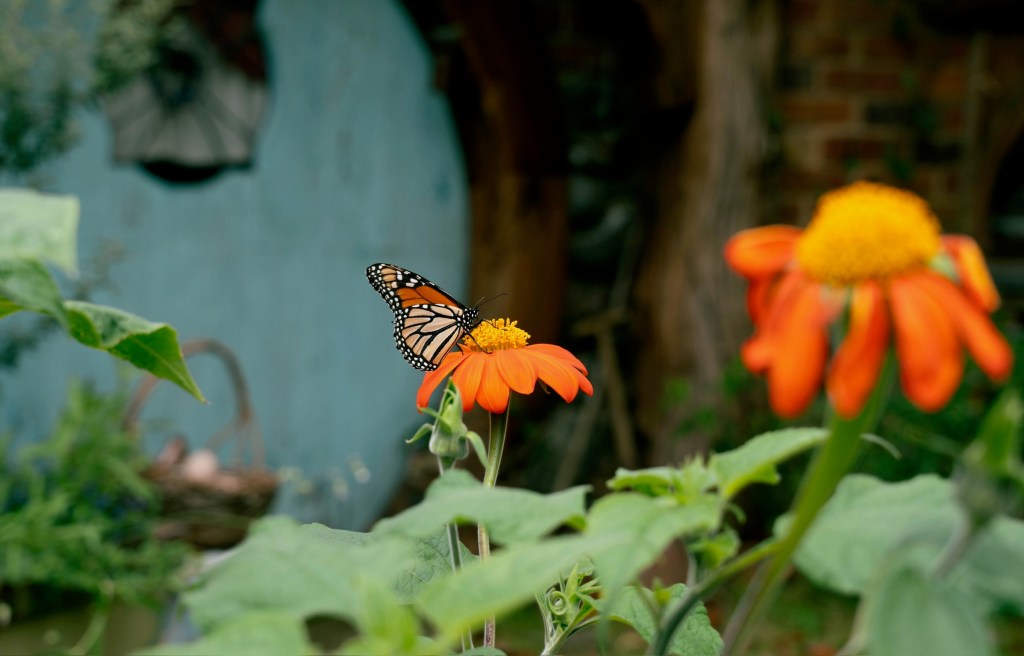
We were not disappointed! It was a great tour and very picturesque. We learned a lot, but we might have been able to answer questions and understand more of the jokes if we were more informed going in. 🙂
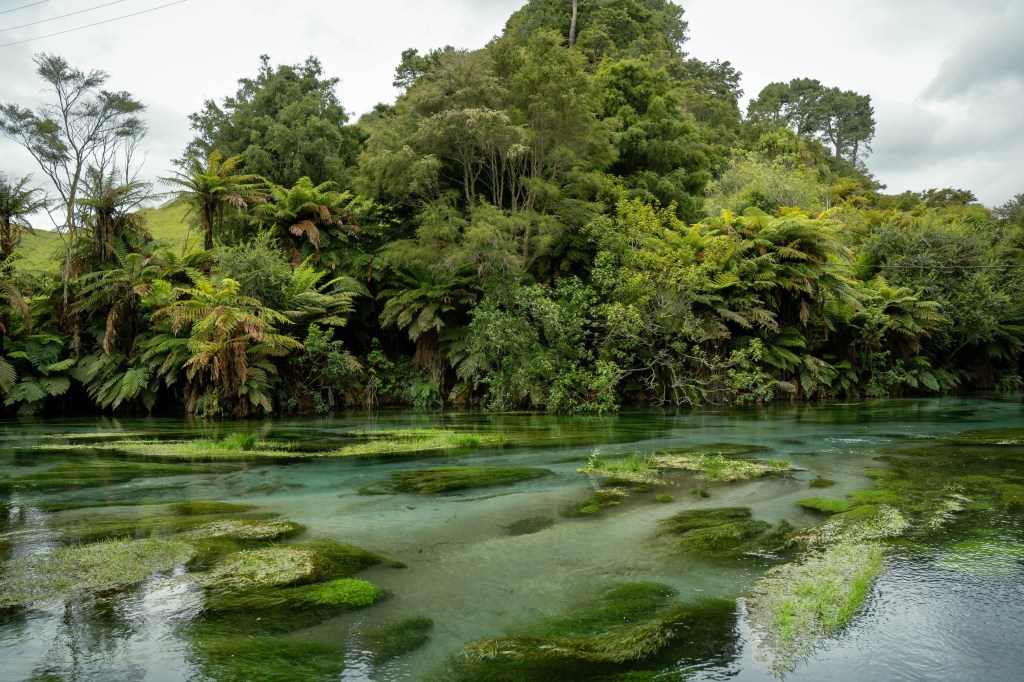
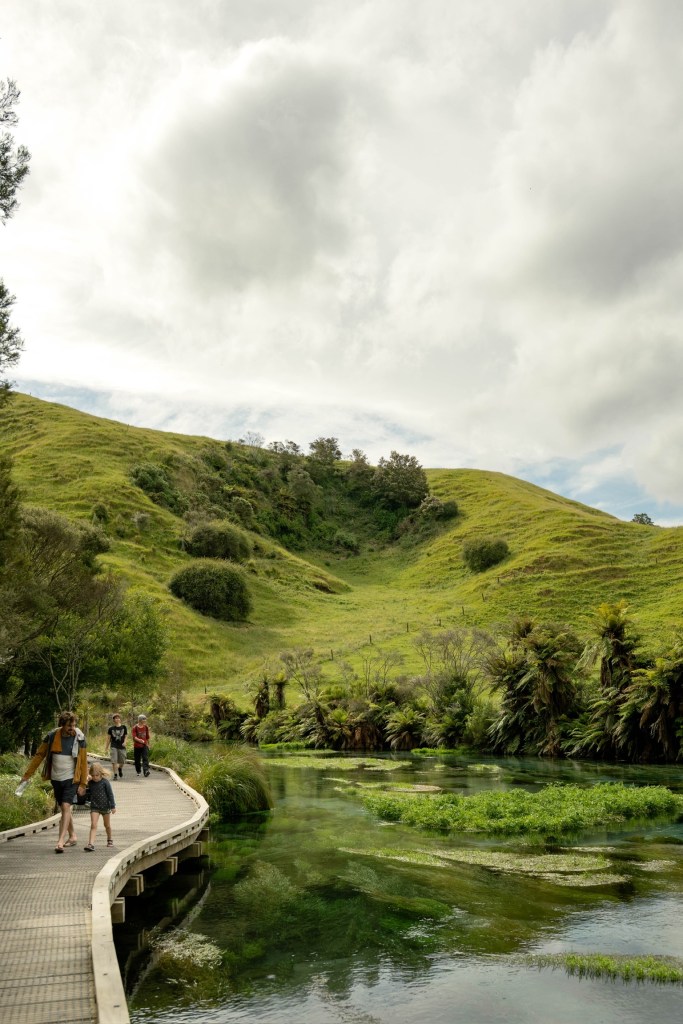
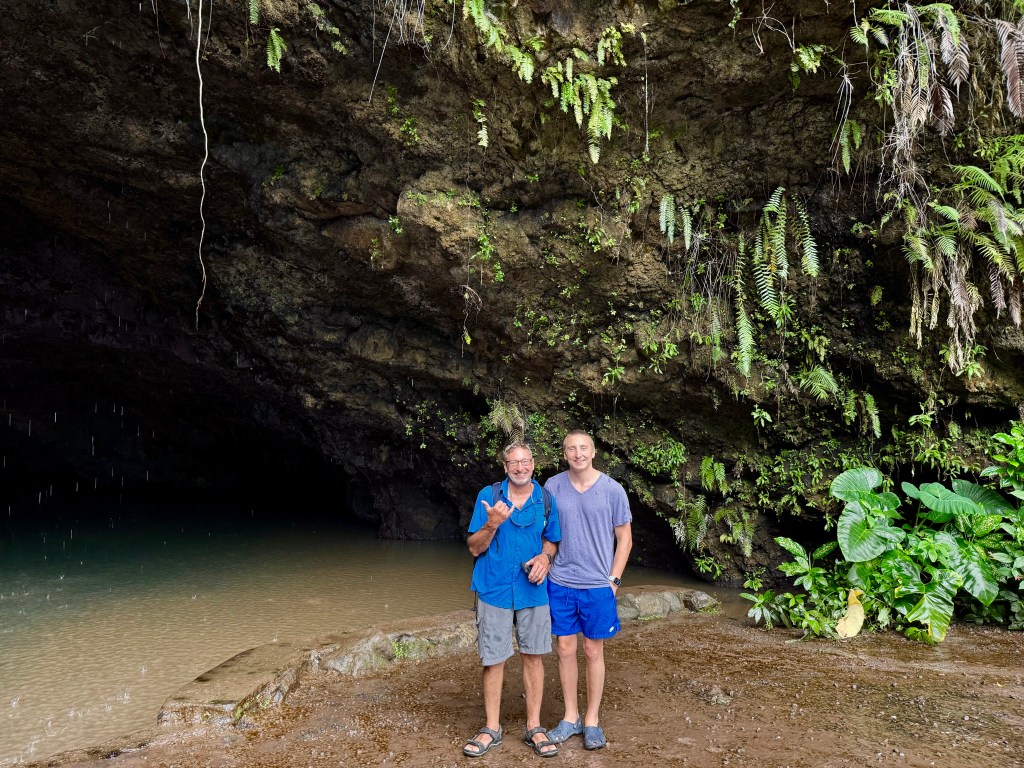
After Hobbiton, Madeleine found a great stop on the way to Rotorua called Putaruru Blue Spring. We followed the Te Waihou walkway to the famous Blue Spring, one of the purest water sources in the world. We were told it supplies 70 percent of New Zealand’s bottled water.
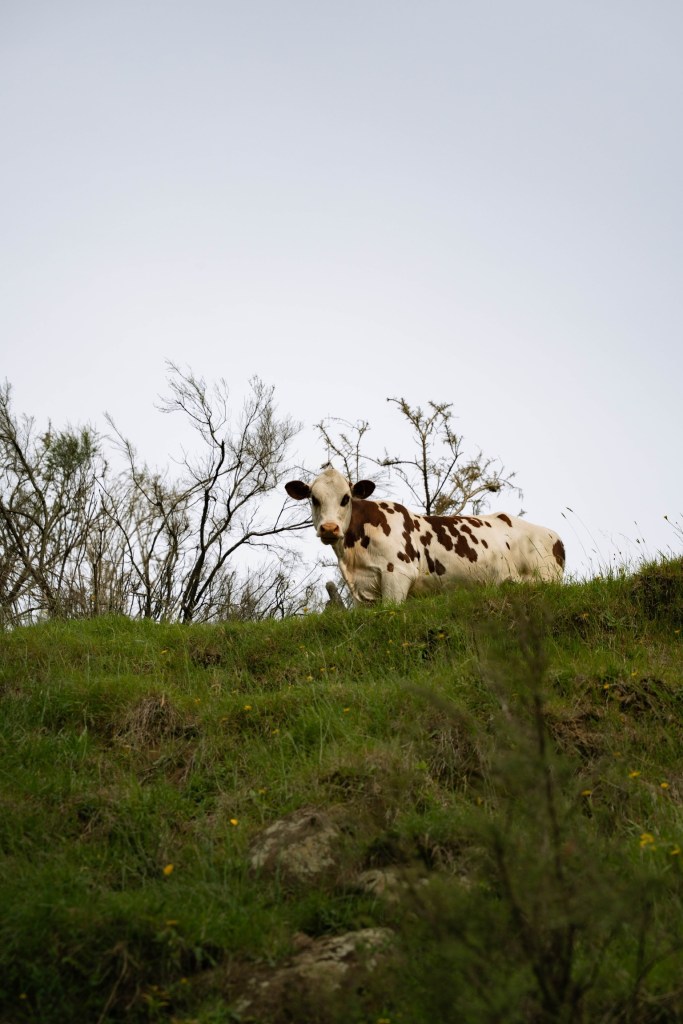
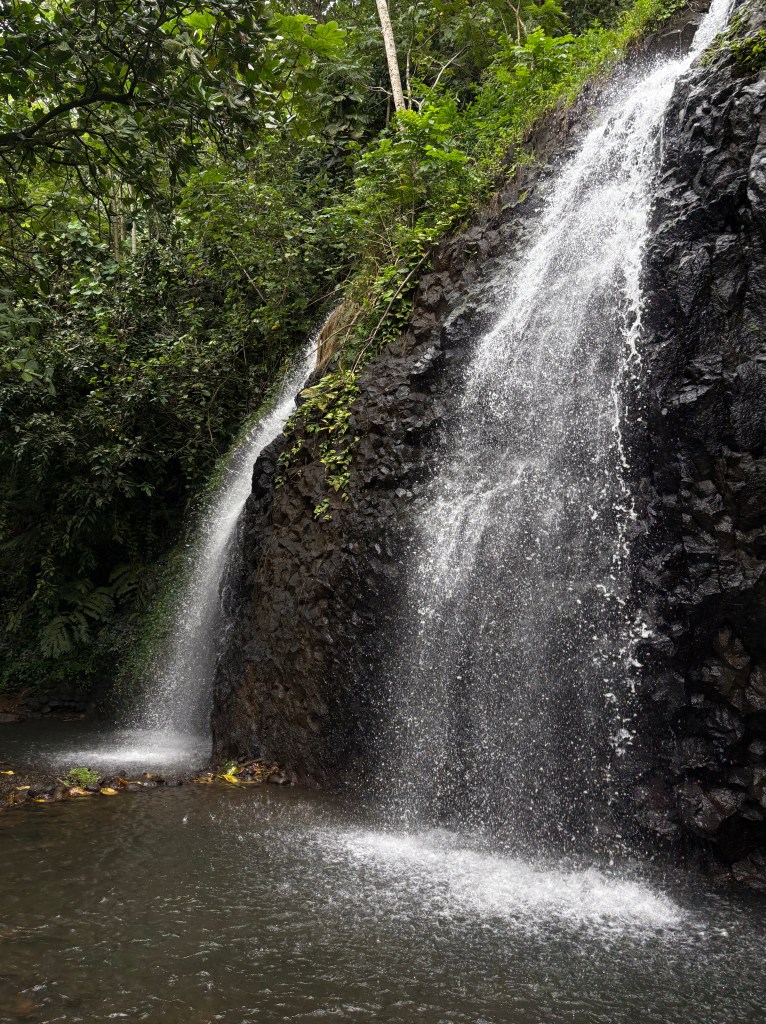
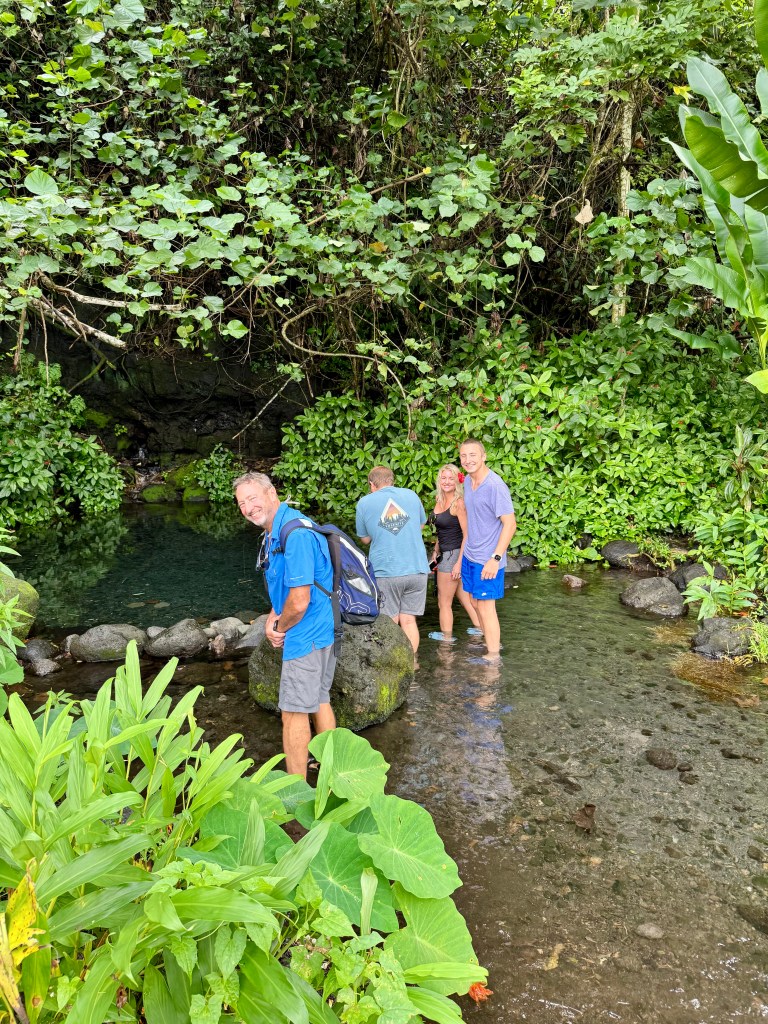
The track travels alongside the Waihou River, winding through wetlands, across rolling pastures with grazing cows and past small waterfalls to the turquoise water of the spring.
Flowing at a rate of 42 cubic meters per minute (9240 gallons per minute), The Blue Spring could fill a six-lane, 25-metre swimming pool in just over 12 minutes. It maintains a constant 11°C in every season.
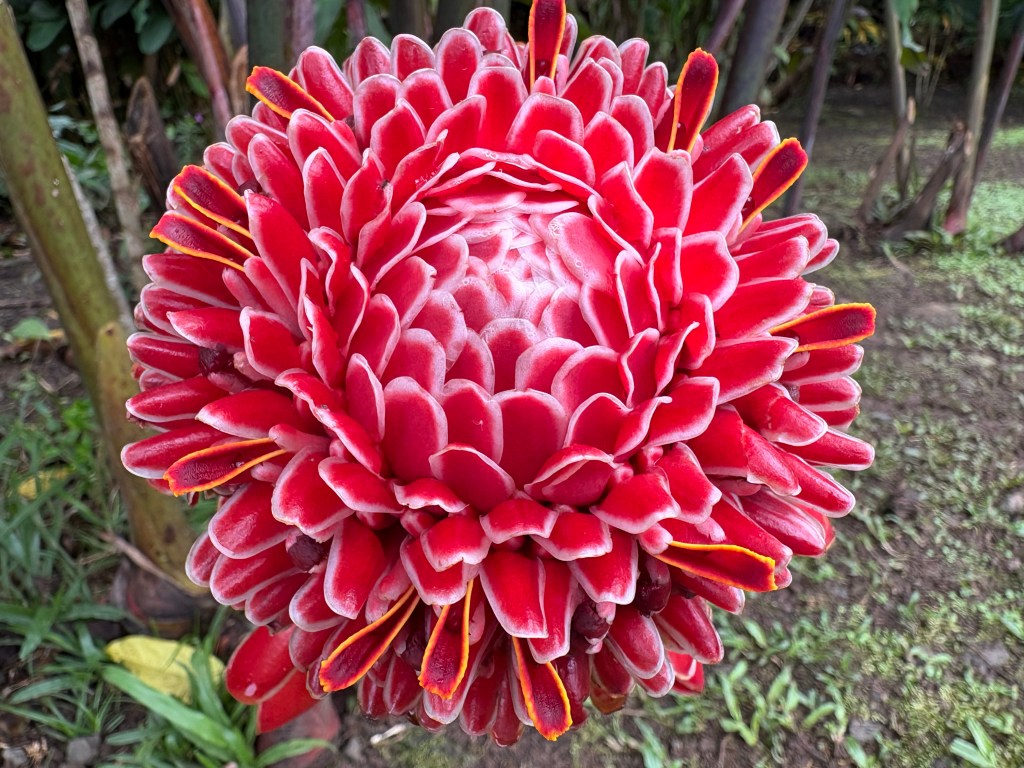
We spent a couple of hours here and our photos say it all!
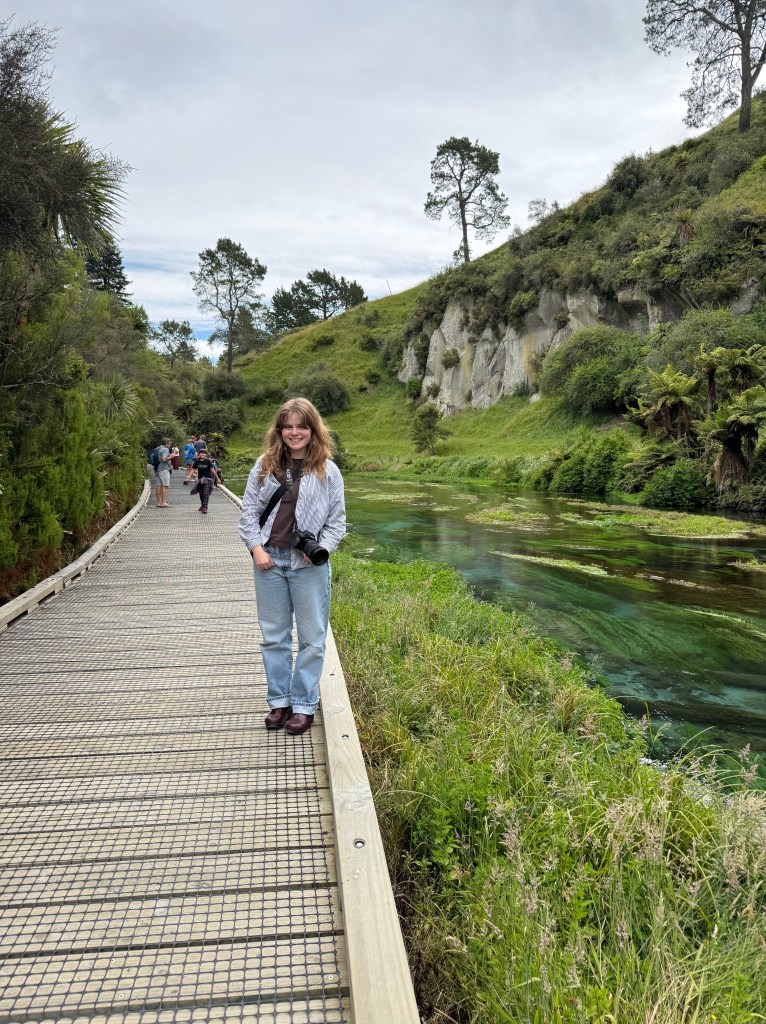
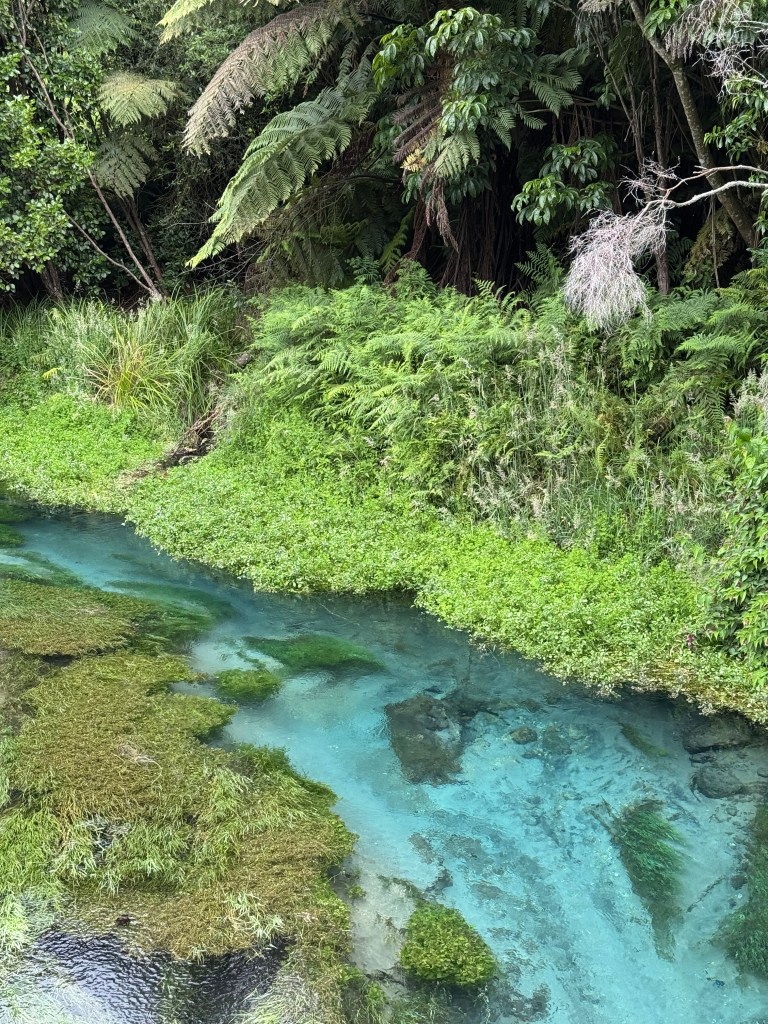
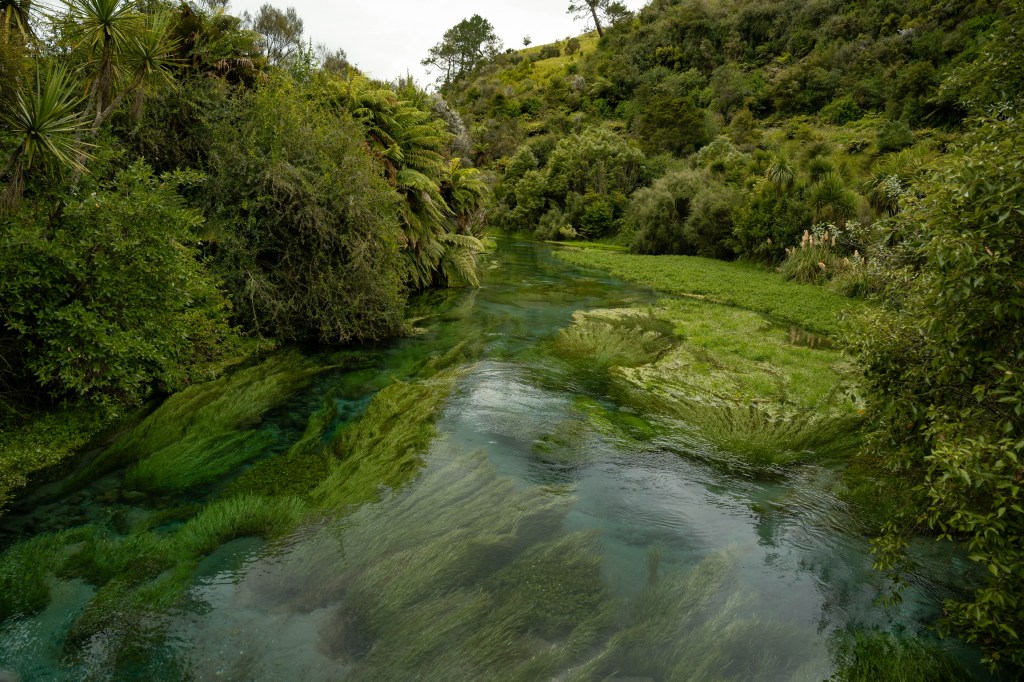
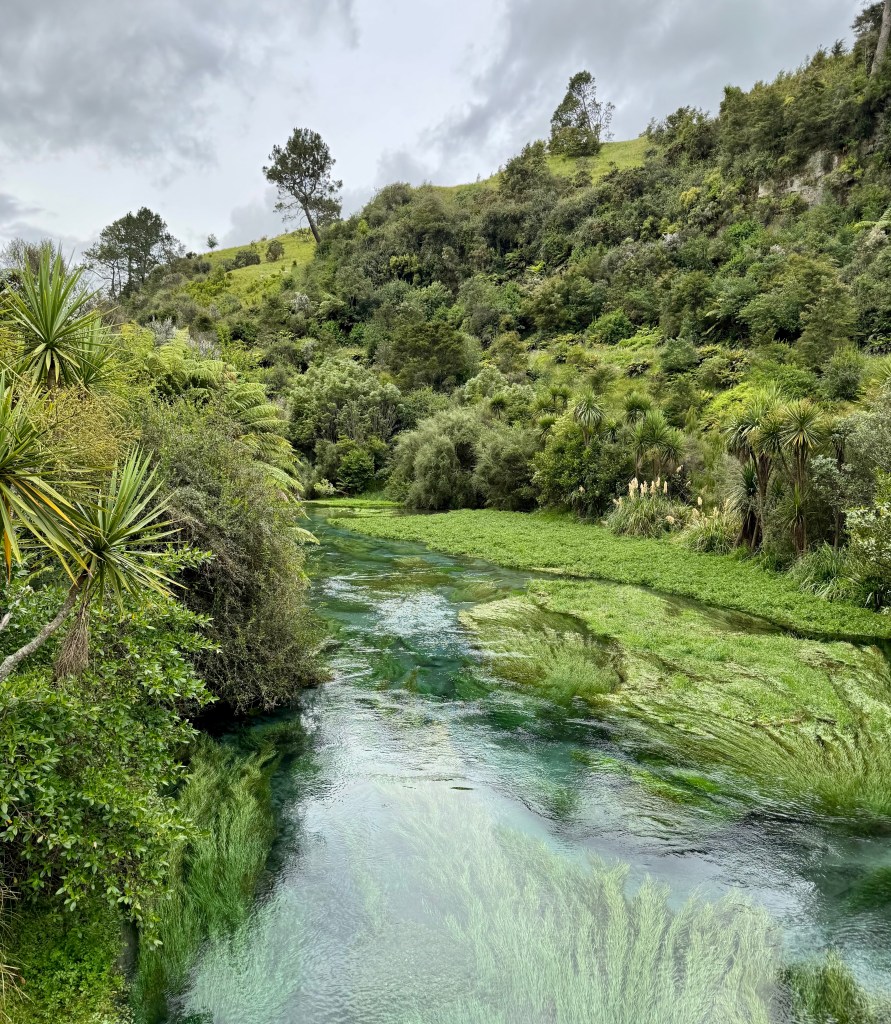
Next stop was Rotorua renowned for its rich Māori culture, world-class spa and wellness experiences, and otherworldly geothermal landscapes.
A common nickname for Rotorua is “Sulphur City” due to the hydrogen sulphide emissions, which gives the city a smell like “rotten eggs”, as well as “Rotten-rua” combining its legitimate name and the rotten smell prevalent.
The city of Rotorua and the adjacent Lake Rotorua are located within the Rotorua Caldera that was formed in a major volcanic eruption approximately 240,000 years ago. The caldera is the source of the geothermal activity that is a key feature of the city and surrounding region.
Fortunately for us, we didn’t notice the smell in the central area of Rotorua. However, it was more pronounced during our spa and wellness experience and our geothermal trek.
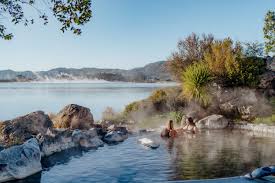
Our first day, we enjoyed a relaxing soak in the Polynesian Spa. The package we purchased included soaks in 4 alkaline pools from the Rachel Spring, known for softening and nourishing the skin and one acidic mineral pool from the Priest Spring, easing muscle tension and joint discomfort. We ended with a cold plunge to enhance circulation and boost energy.
I’m not sure that we felt all the promising benefits, but it was a very relaxing treat for all of us and we felt refreshed at the end of it.
Unfortunately, we didn’t have our phones with us for pictures, but I found a couple from their website.
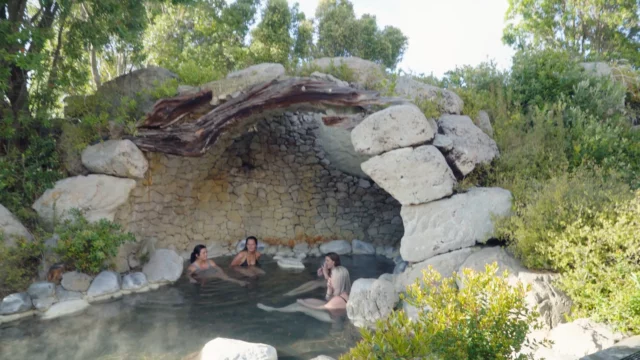
I found the photos above and below on the website to give you an idea the Polynesia spa.
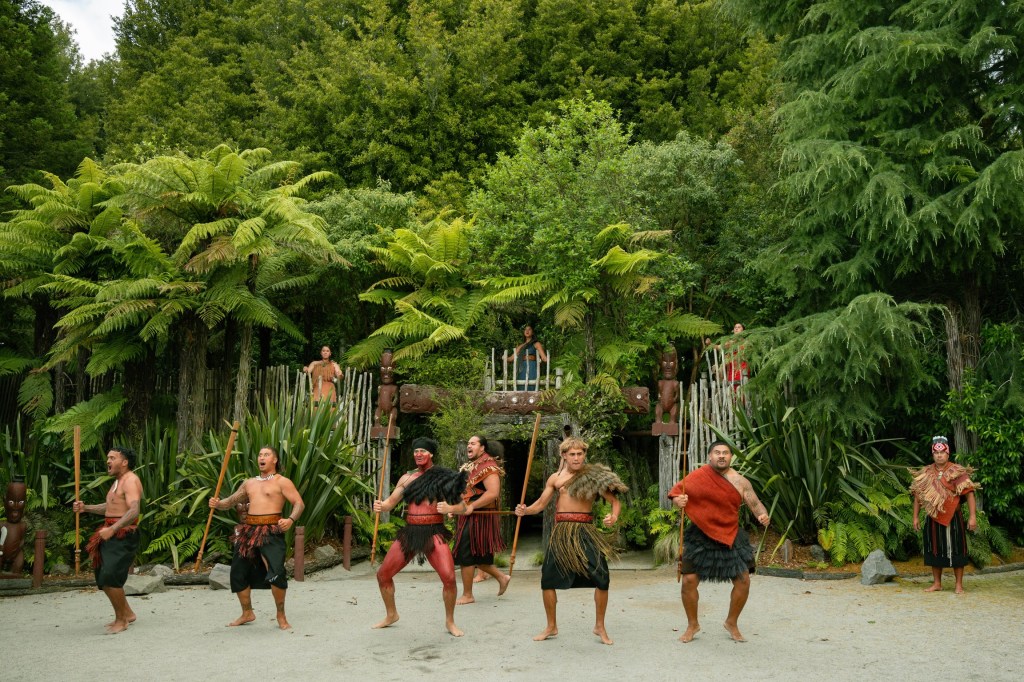
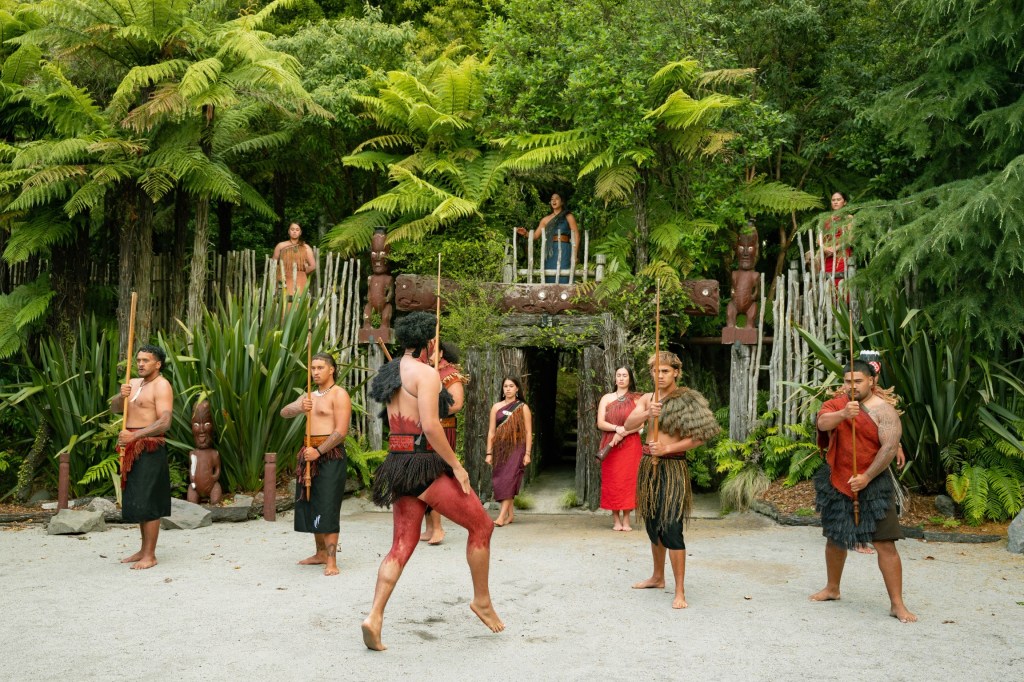
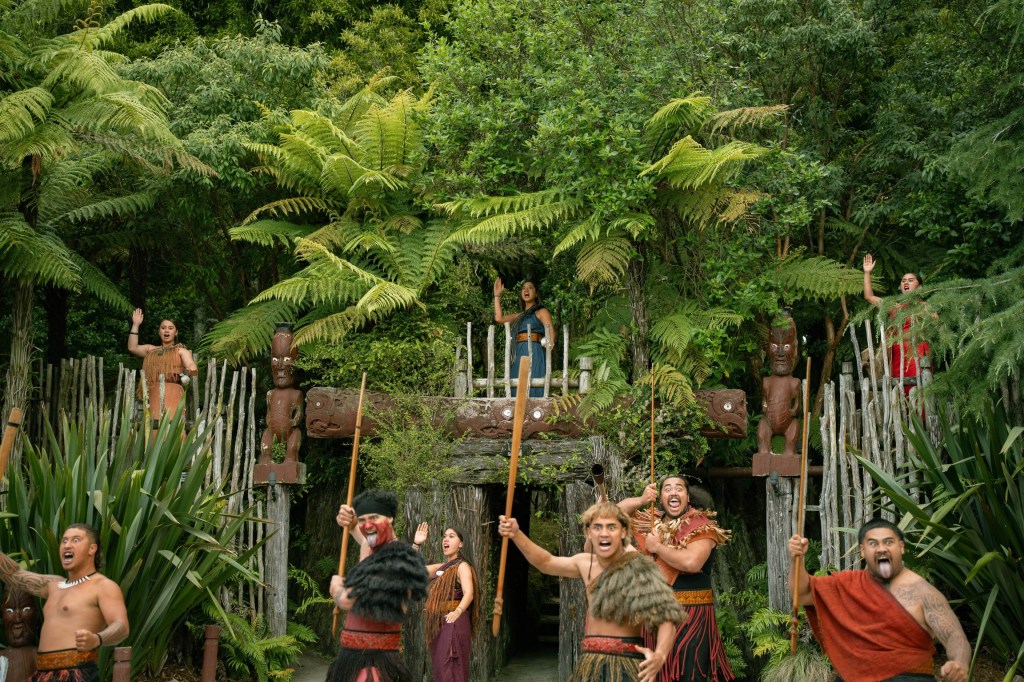
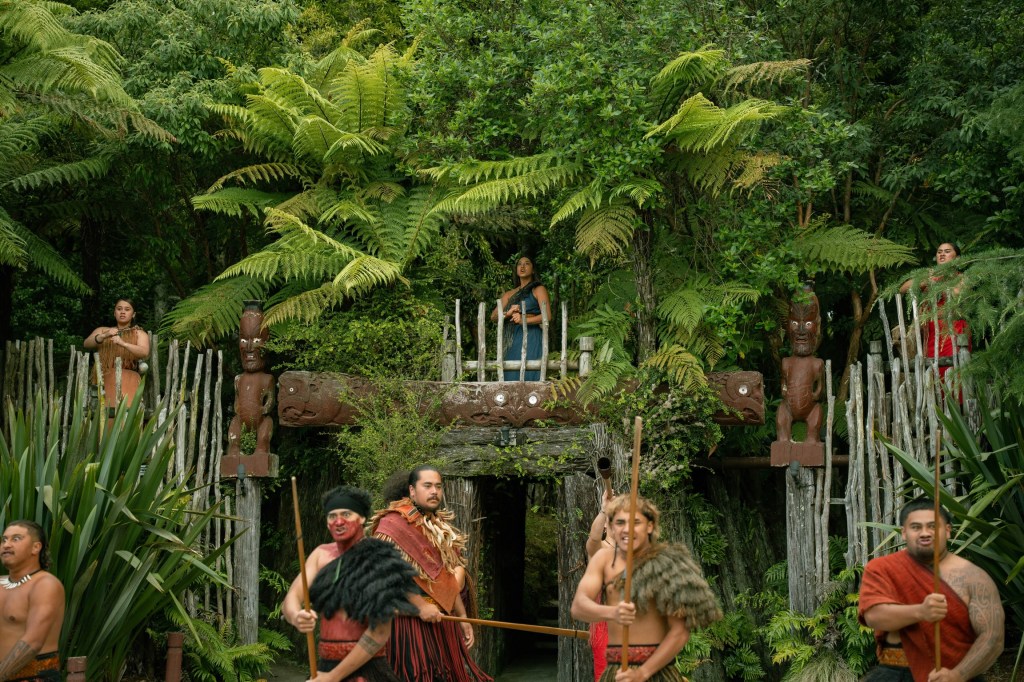
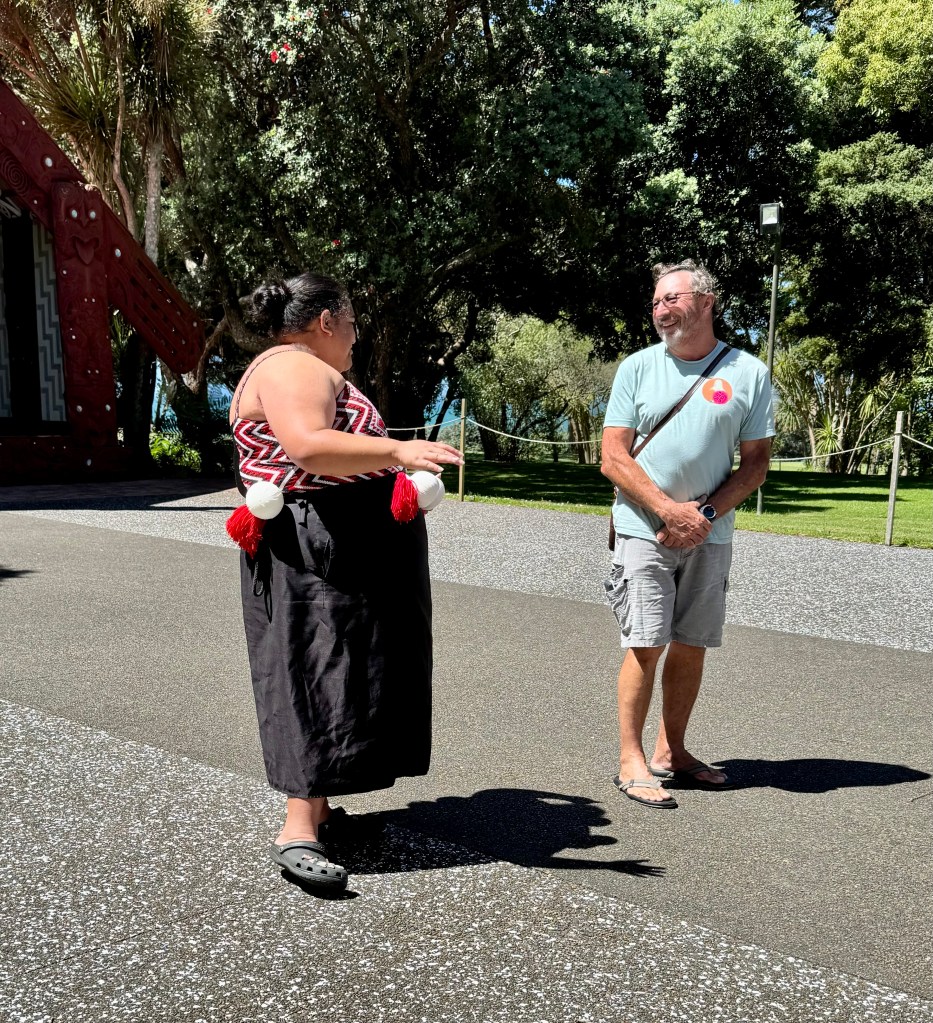
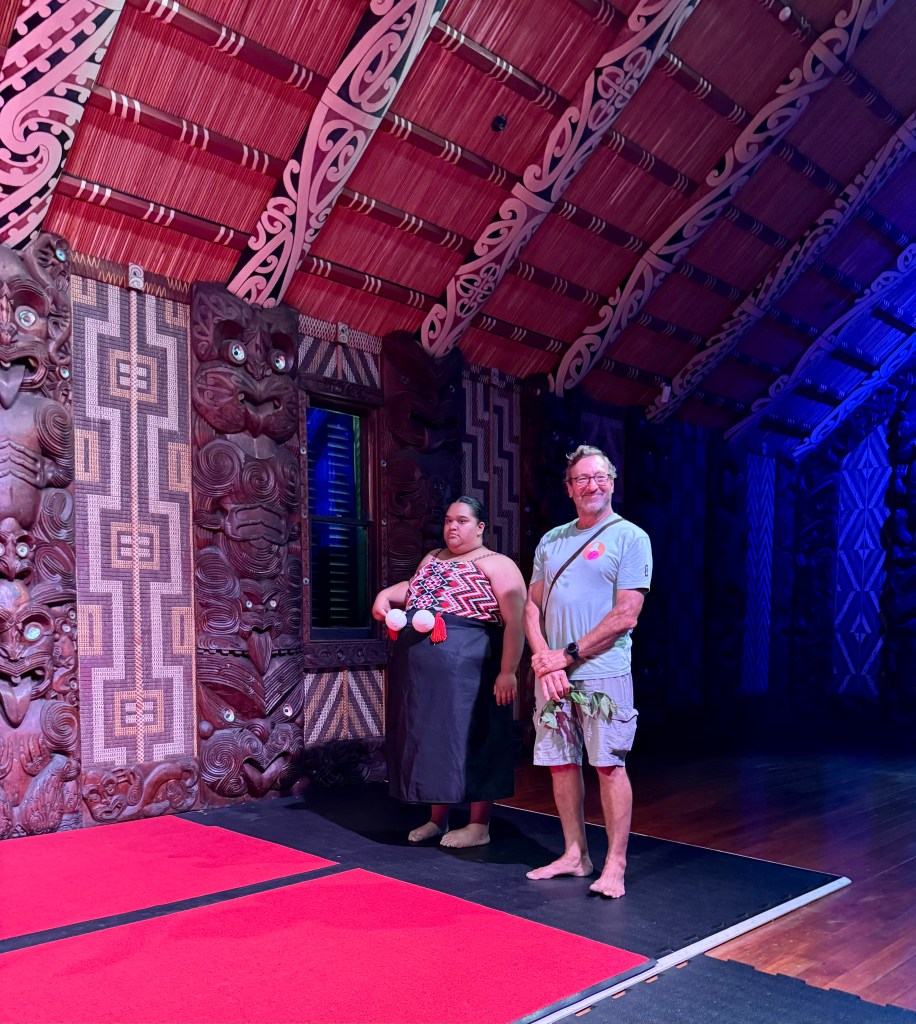
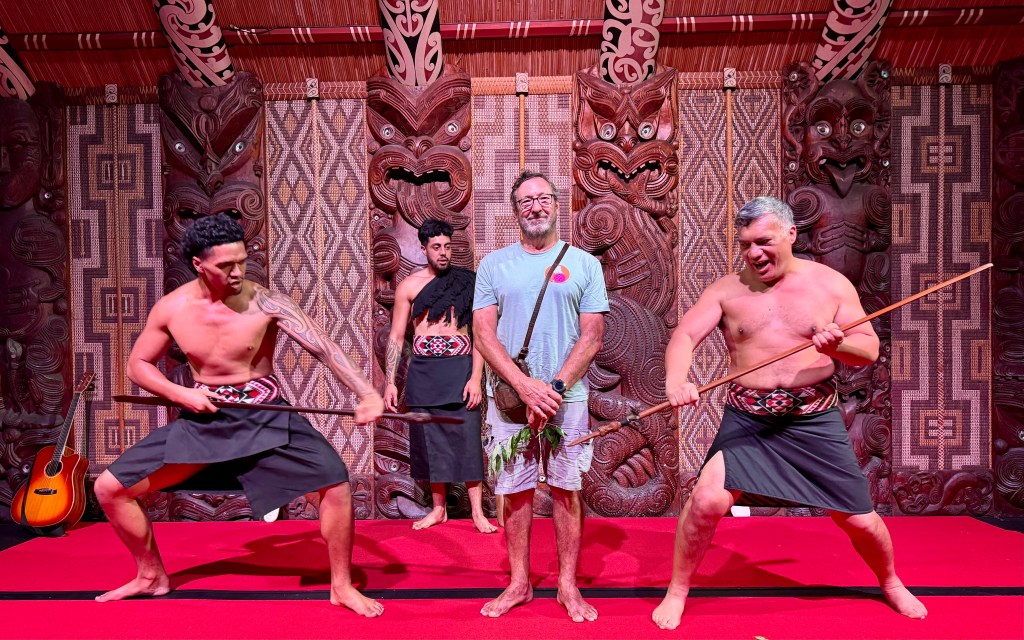
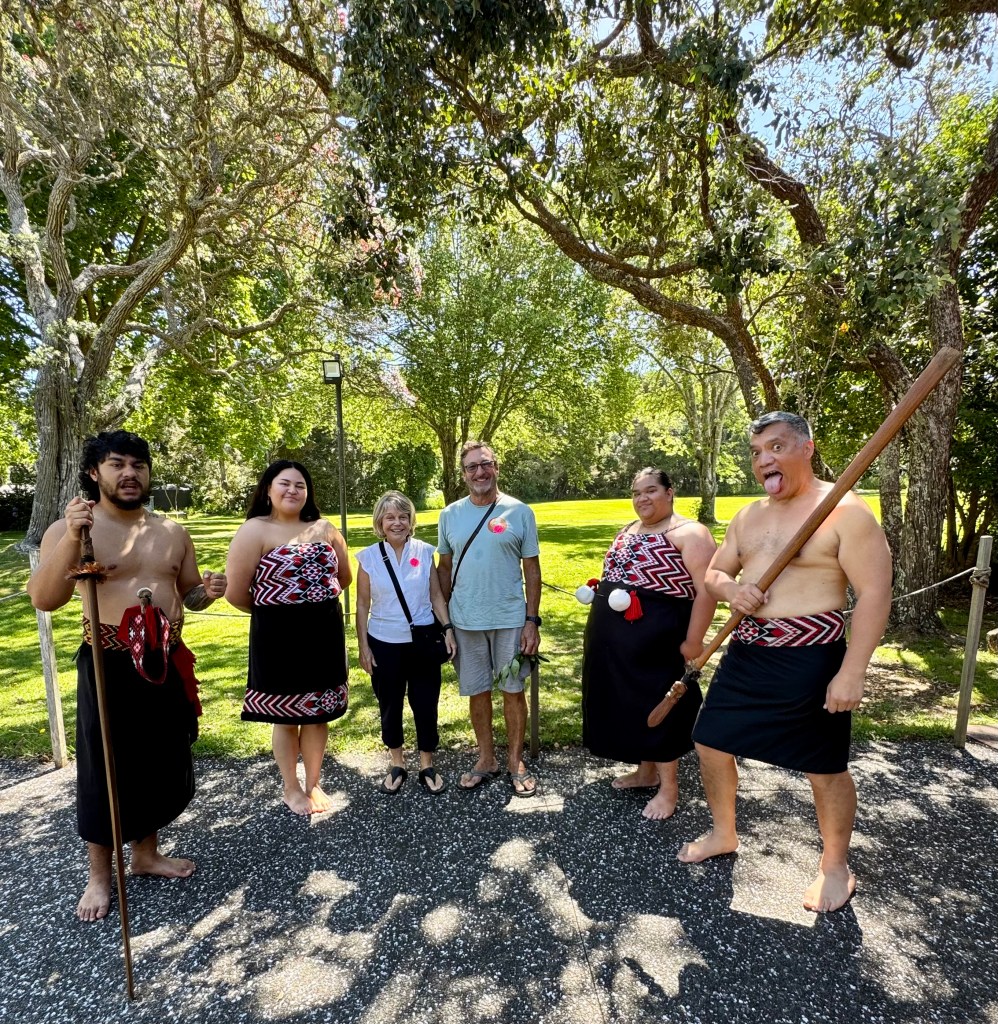
Our second event in Rotorua was a Māori tour called Te Pa Tu, a cultural experience with dinner. From our guide, we learned Pa sits at the epicenter of their communities. They were places of physical refuge in times of war, and they remain sanctuaries for the mind and spirit. It’s where they meet to discuss critical issues, celebrate occasions of significance and where they strengthen their understanding of who they are. Te PA Tu brings together these important occasions and presents culture and kai (cuisine) events, sharing Māori history, traditions, and future aspirations across four hours of celebration and feasting.
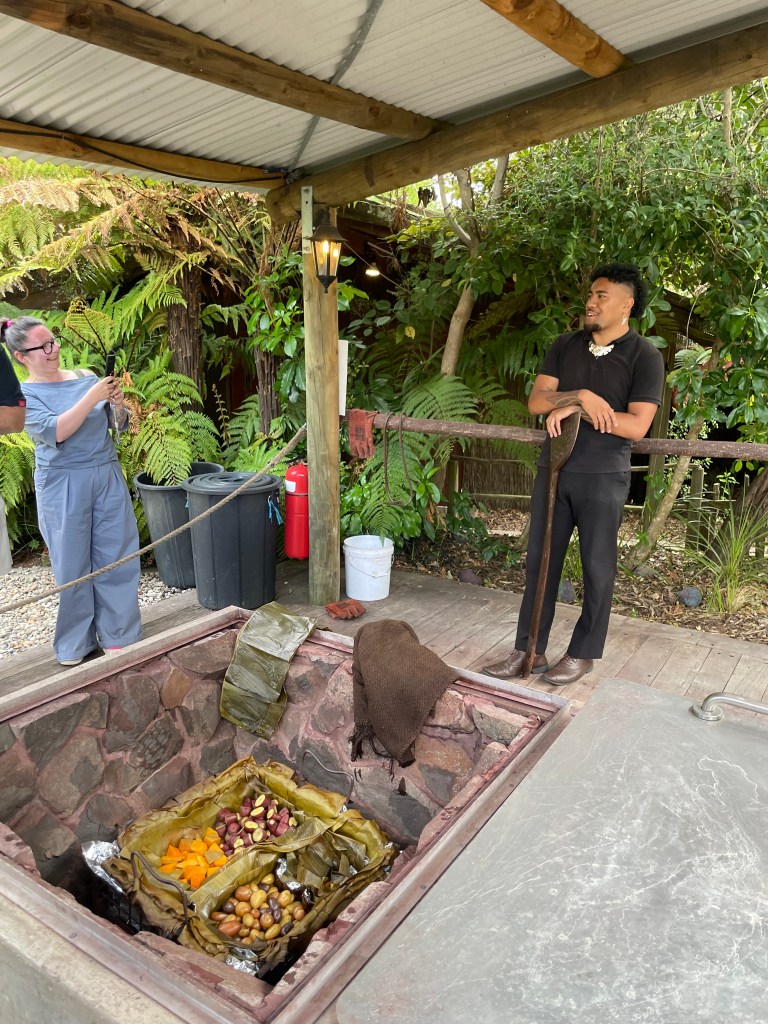
This was an excellent tour where we spent time strolling through a traditional Māori village, heard Māori songs and learned about traditions aligned to and changing with the Māori lunar calendar. While immersed in the towering Tawa trees and blazing bonfires, we watched a cultural performance and learned local indigenous customs. We were treated with forest canapes of grilled tuna, roasted kawa, (think sweet potatoes), taro and mushrooms.
After this experience we went into their main lodge where a four-course dinner was served with an evening of performances and dance. The show was amazing and the food was excellent. A memorable part of their musical performance is when they asked what countries the audience was from. I believe there were about 12 or 13 countries represented and they proceeded to sing a song from each country. I was impressed that the performers could sing each song in the country’s native language. Soon the crowd was interacting with the performers, making it very entertaining.
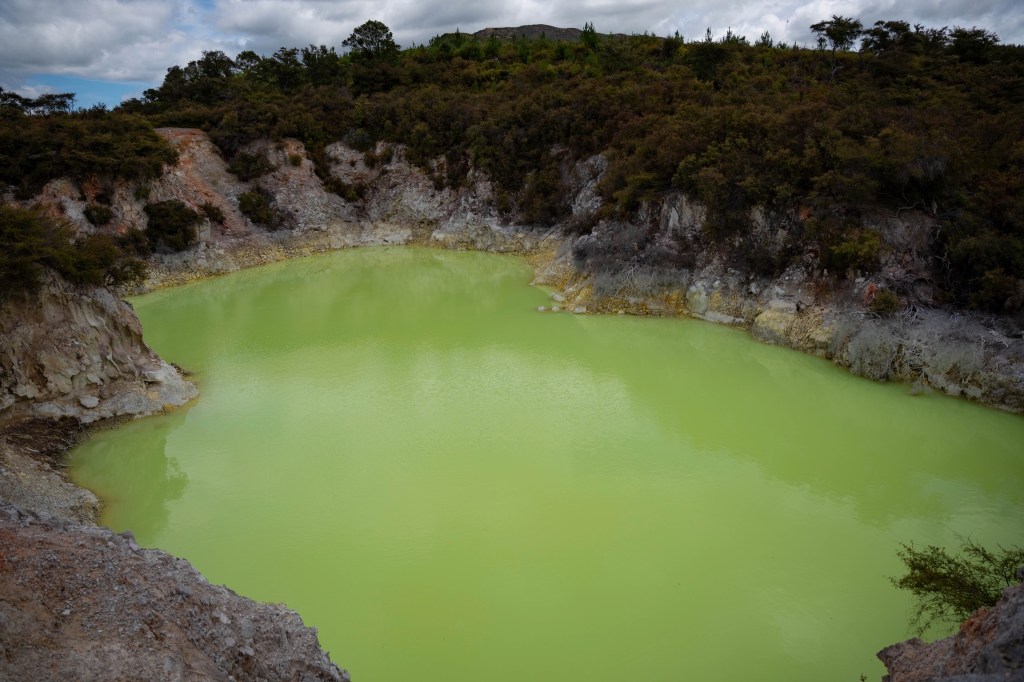
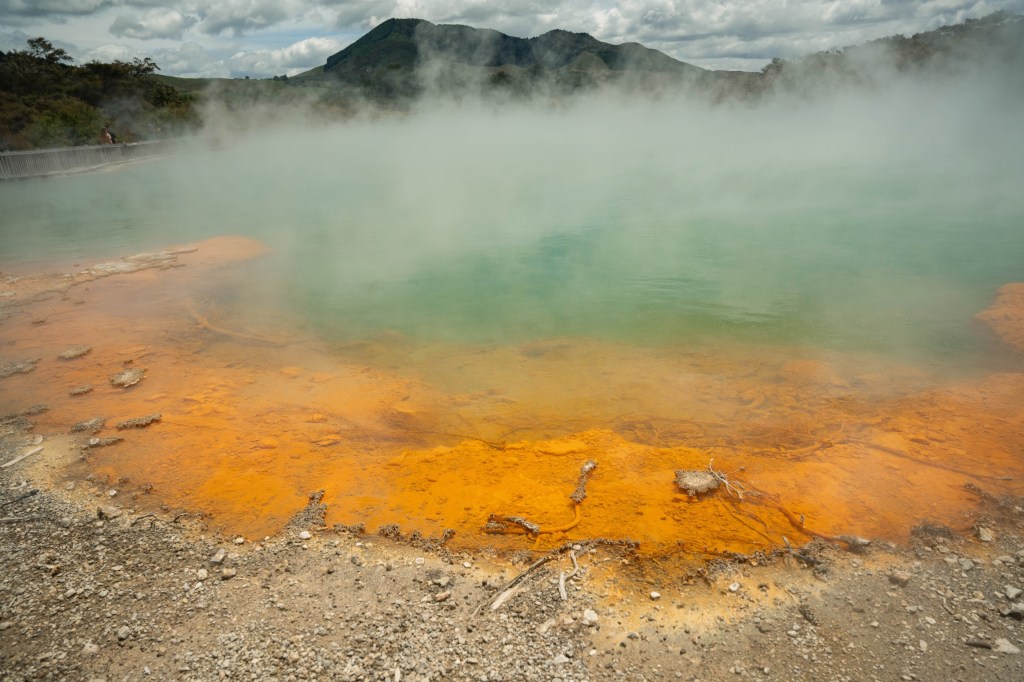
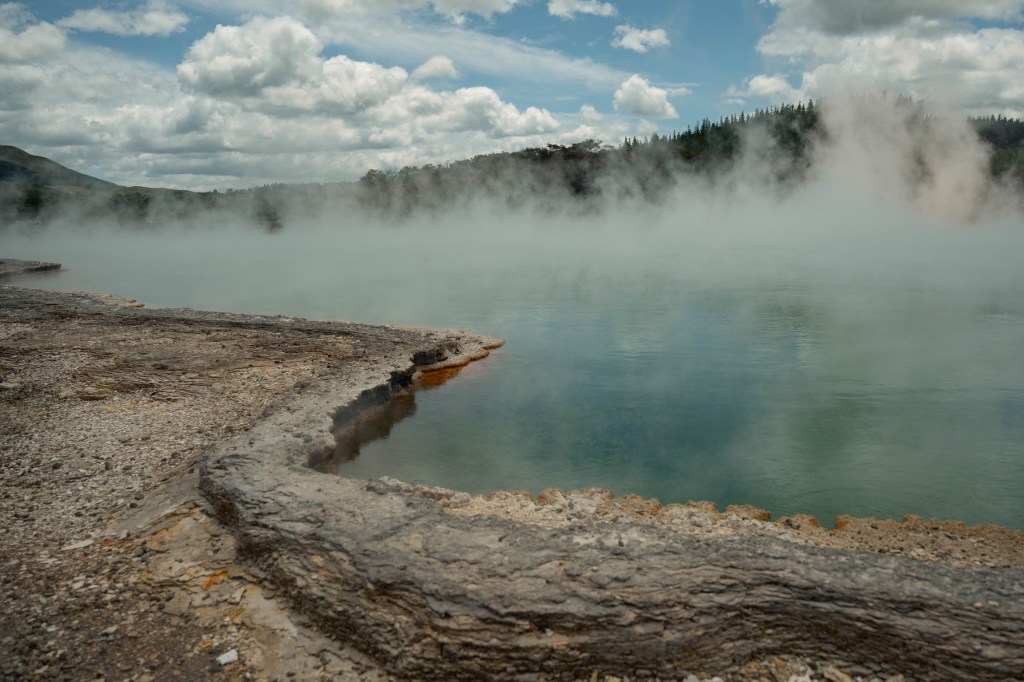
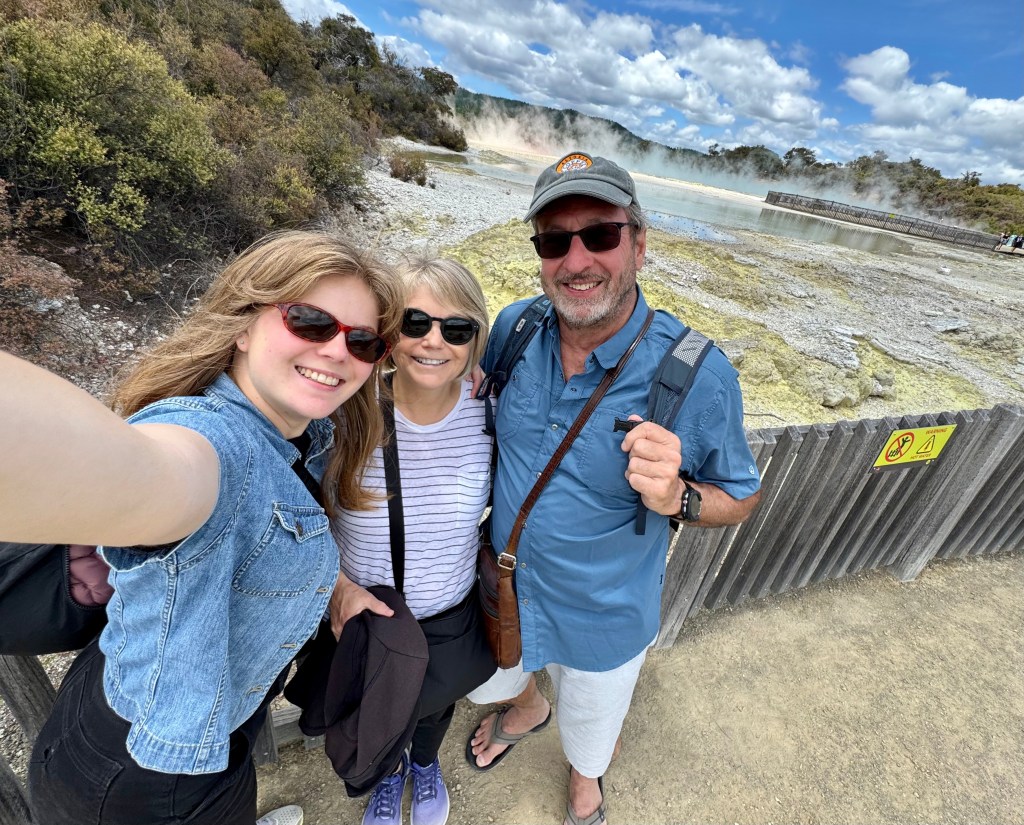
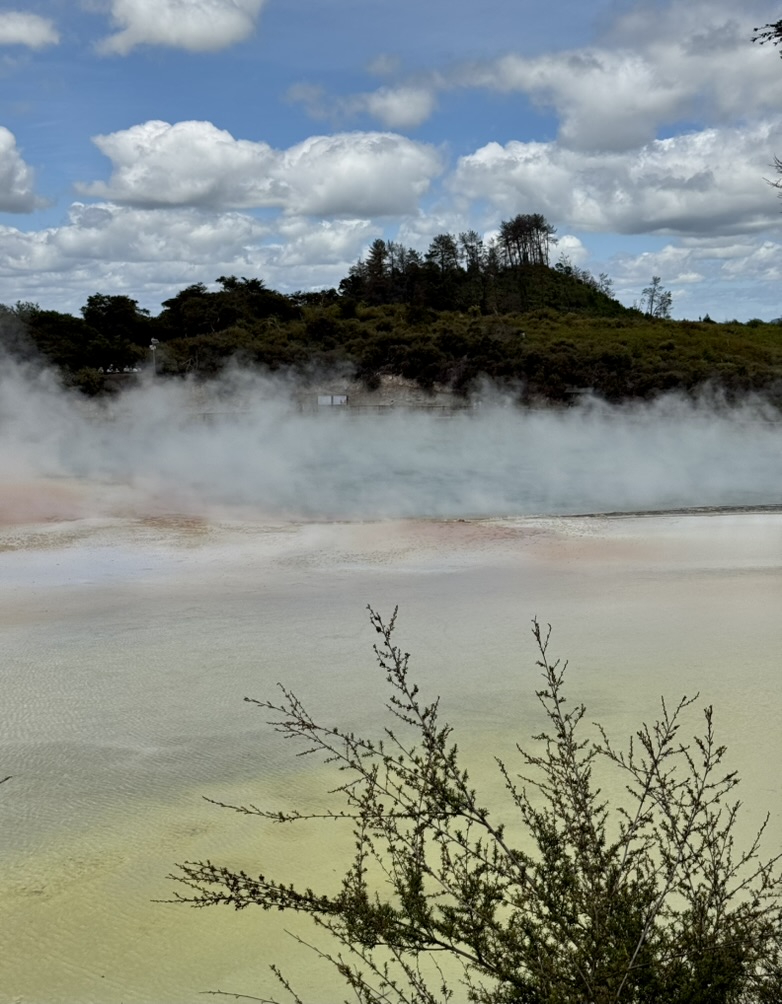
Leaving Rotorua, we made one more stop at one of their geothermal parks called Waiotapu Thermal Wonderland.
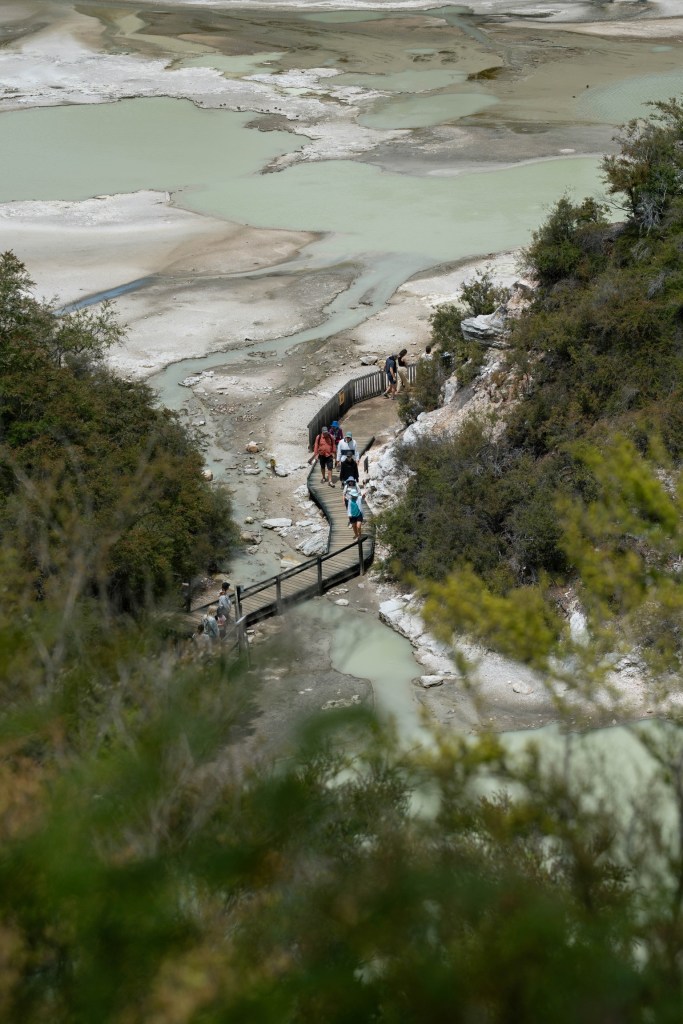
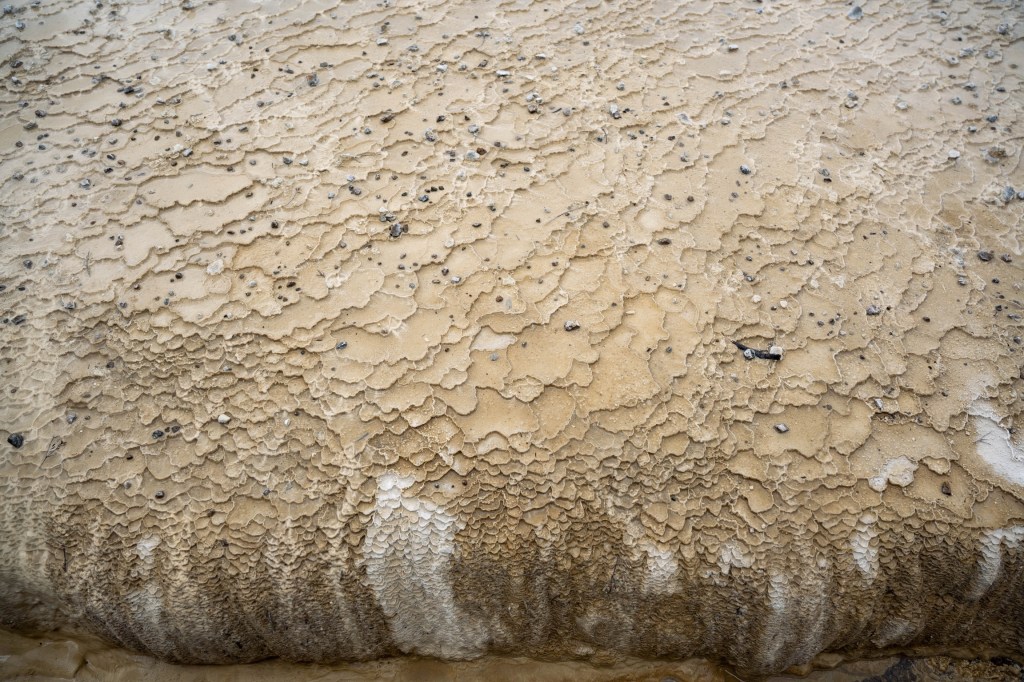
Sculptured out of volcanic activity and thousands of years in the making, Waiotapu Thermal Wonderland is considered to be New Zealand’s most colorful and diverse geothermal sightseeing attraction. We saw a uniquely different natural landscape in one of the most extensive geothermal systems in New Zealand, extending over 18-sq. km.
The sulphur smell was strong but became less noticeable as we were distracted by the beautiful and unusual landscape. This was a great experience and I highly recommend it if ever in the area.
Whitianga
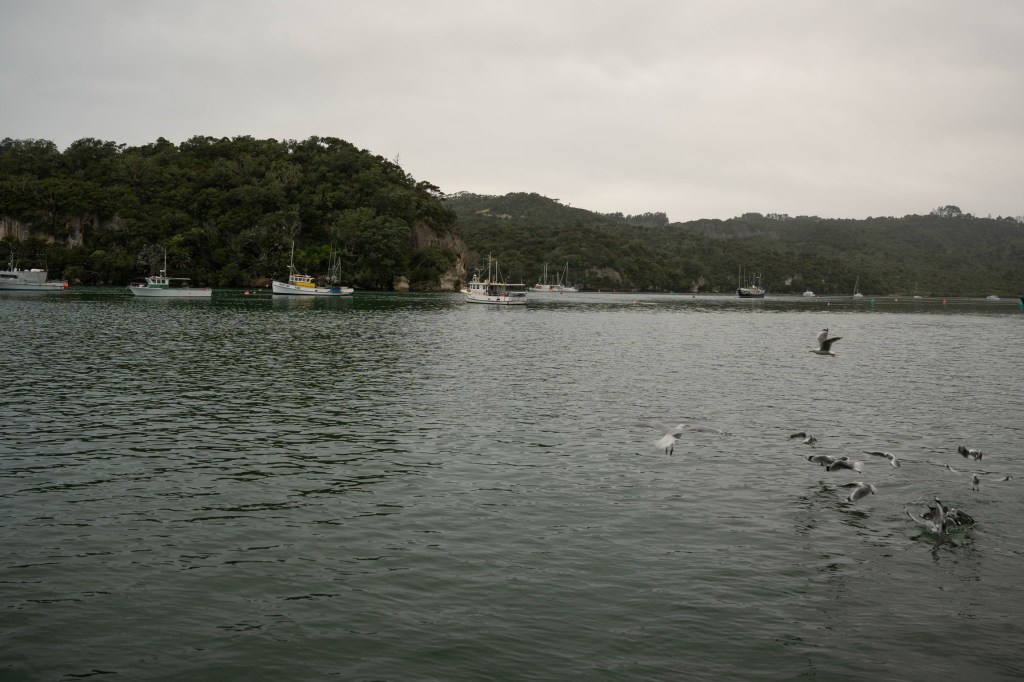
Our next stop was on the east side of the Coromandel Peninsula in a coastal town called Whitianga. It’s known for its Mercury Bay (named by Lt. James Cook in 1769 to observe the transit of Mercury) and associated marine activities like fishing and kayaking, and swimming. We enjoyed walking along the bay and the charming cafes and shops. It was a special place to take in the scenery, run on the beach and walk about town. Madeleine even went for a quick swim in the ocean! Without any tours scheduled there was no place we had to be, and it was just what we needed.
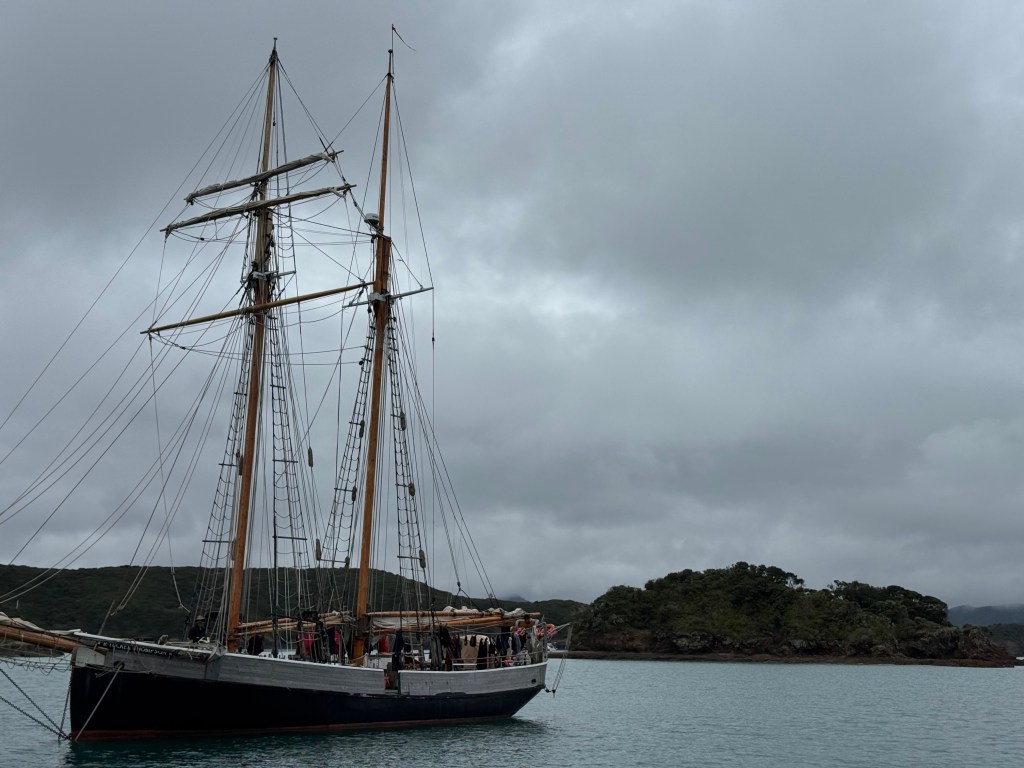
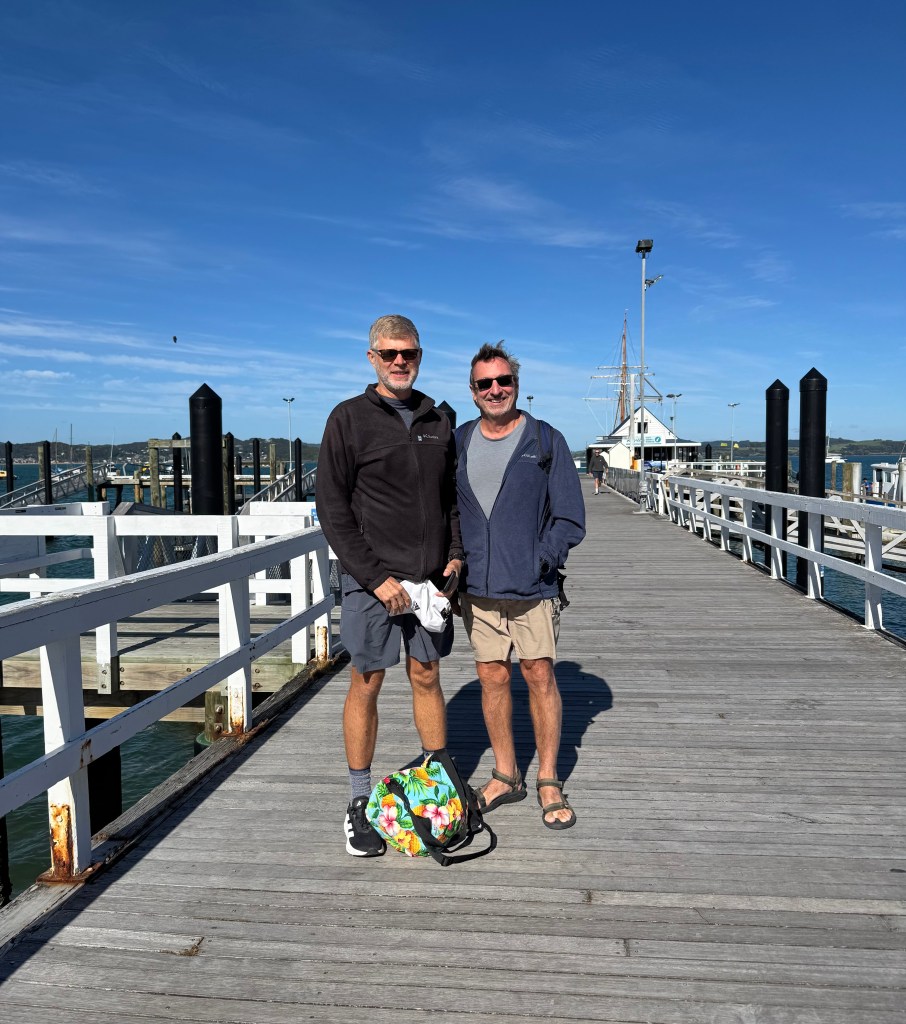
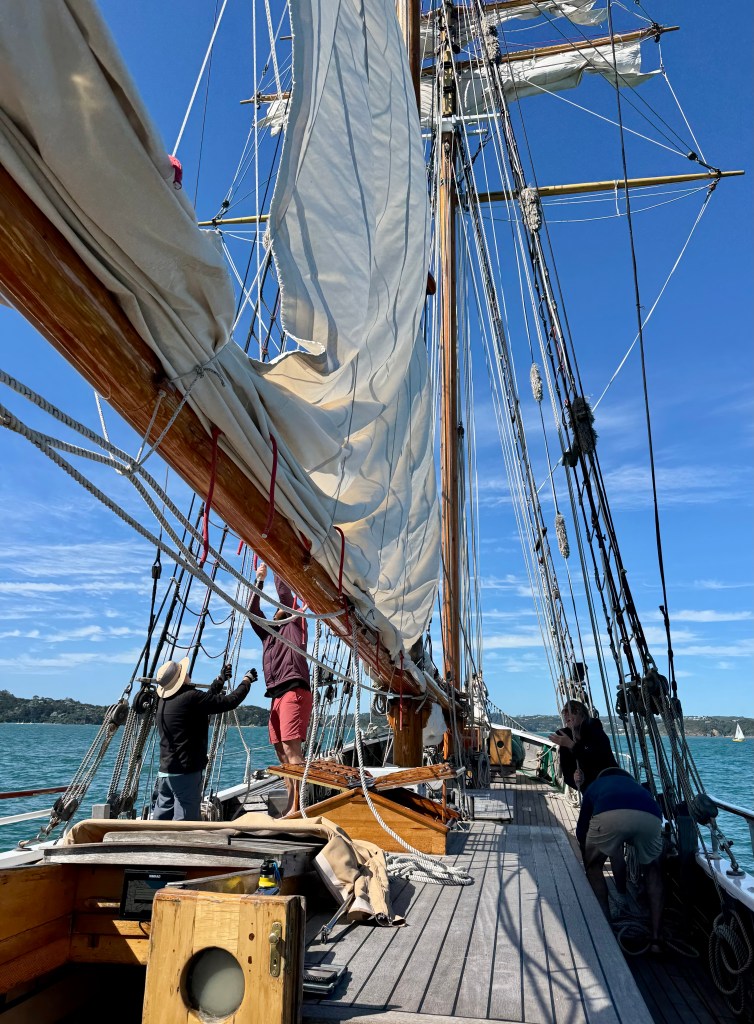
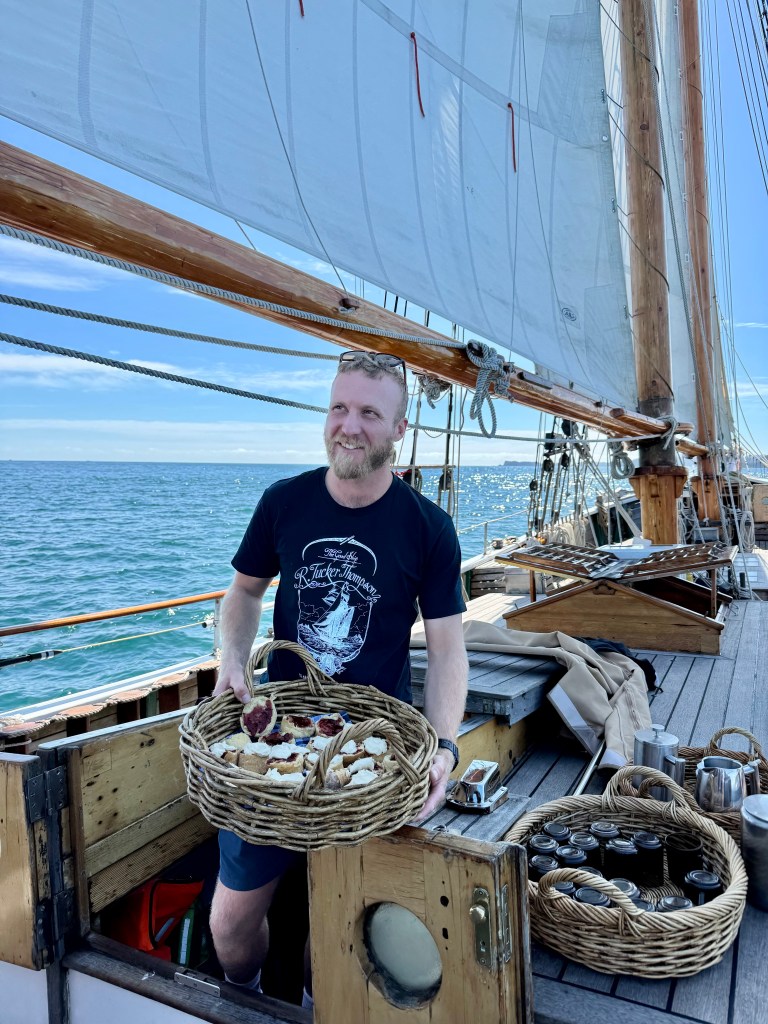
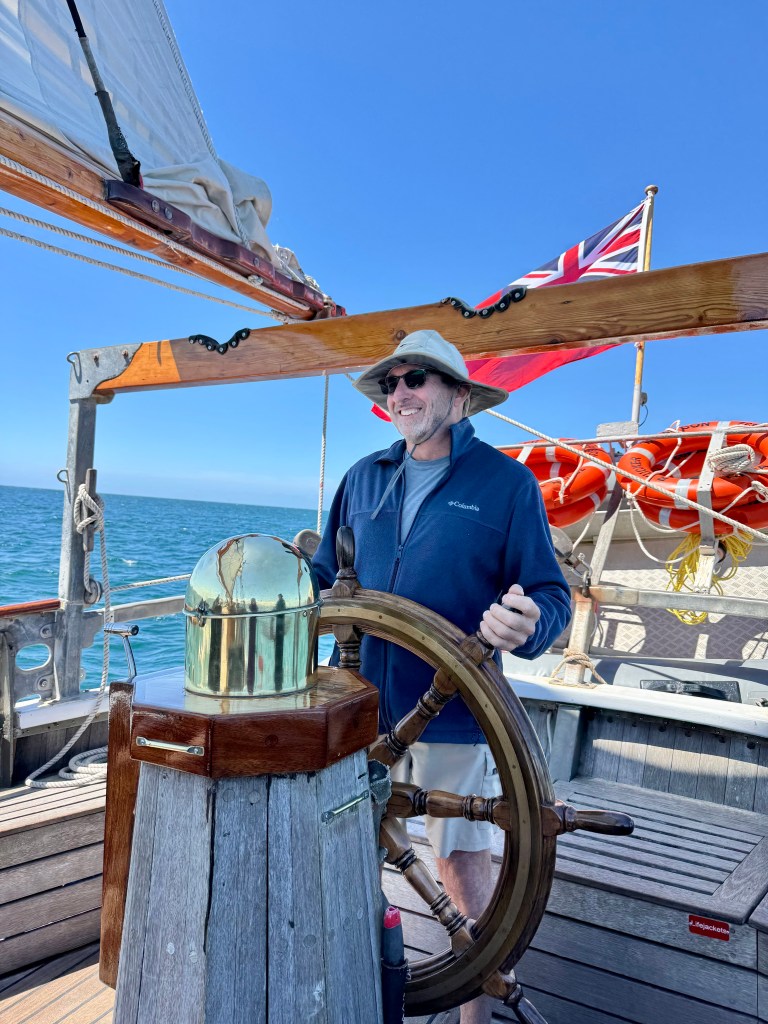
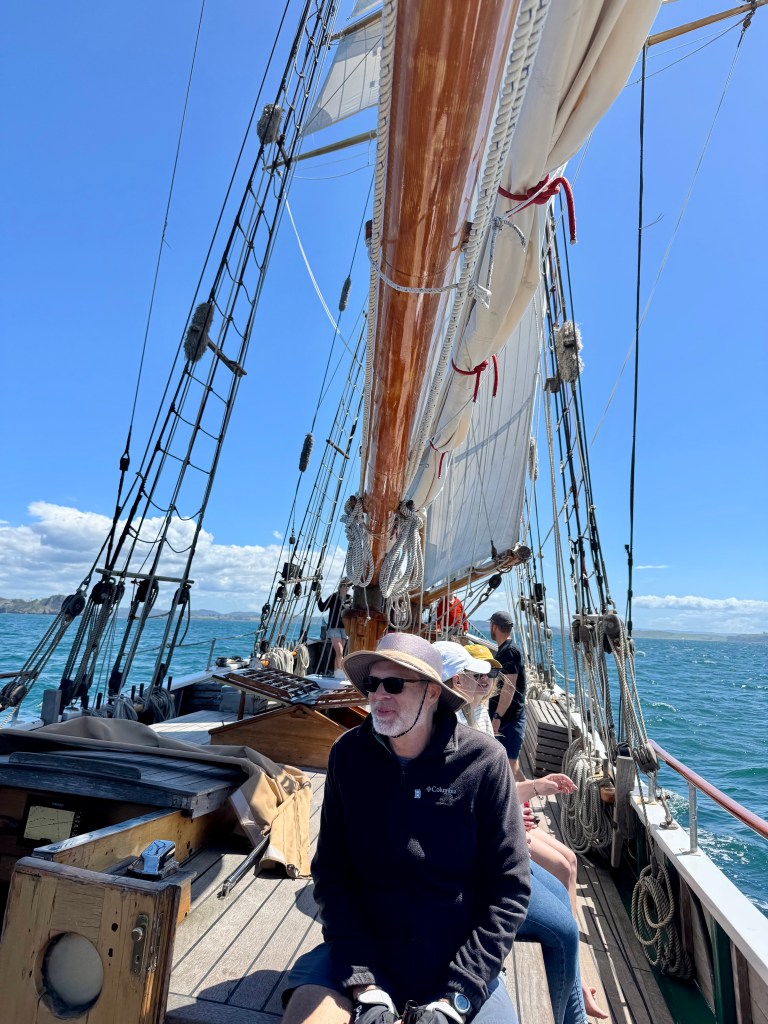
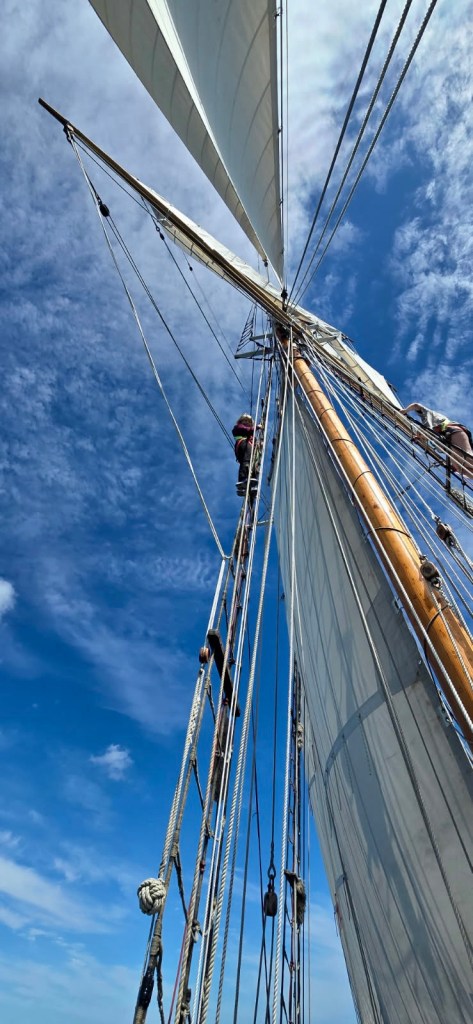
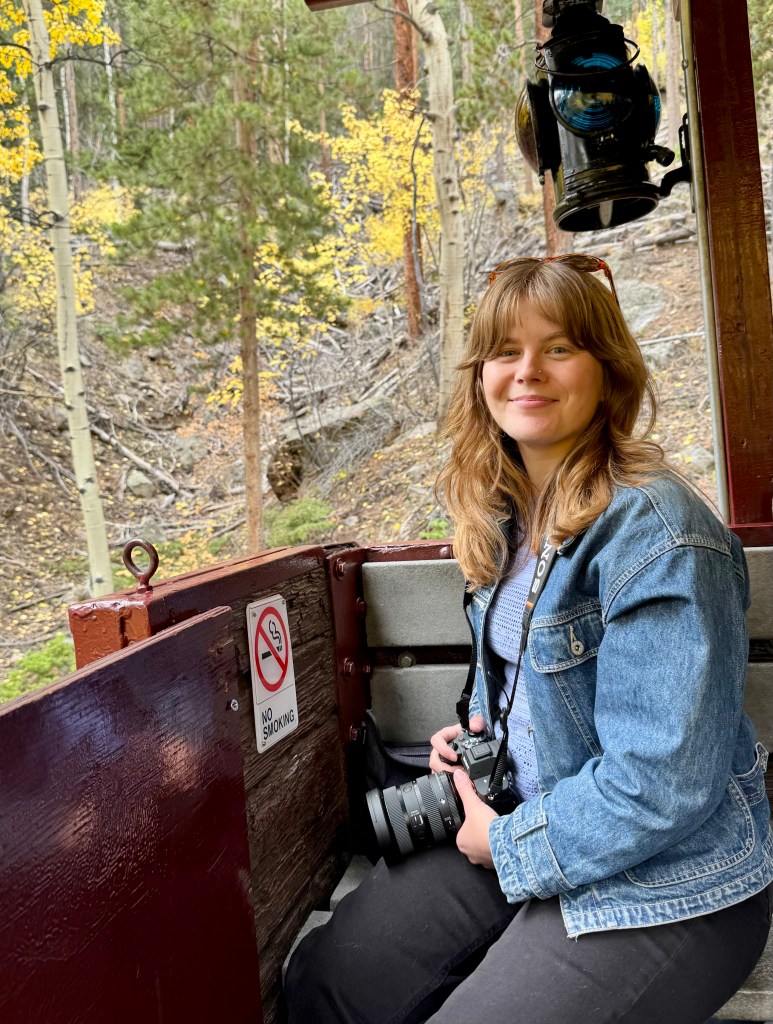
Before we left the Coromandel Peninsula we stopped in the town of Coromandel for lunch and to ride the Driving Creek Railway train. I heard about the train from a fellow traveler that we met on the R. Tucker Thompson tall ship tour. During out tour and from reading their handout, we learned Barry Brickell started this inspiring project in 1973, eventually building 3 kilometers of torturous narrow gauge railway track over a 54-acre area of hilly scrub covered land. Building the Railway from scratch required the daunting task of surveying a route through very rough country. Trial surveys were made with a hand slasher and home-made surveying instruments. This process having to be repeated until a suitably graded route could be found. Much of the track work we see today was done by hand and local contractors were called into help with major earthworks. Bridges/viaducts, three short tunnels, two spirals and five reversing points are required to gain elevation to the EyeFull Tower. The Driving Creek Railway opened to the public in 1990.
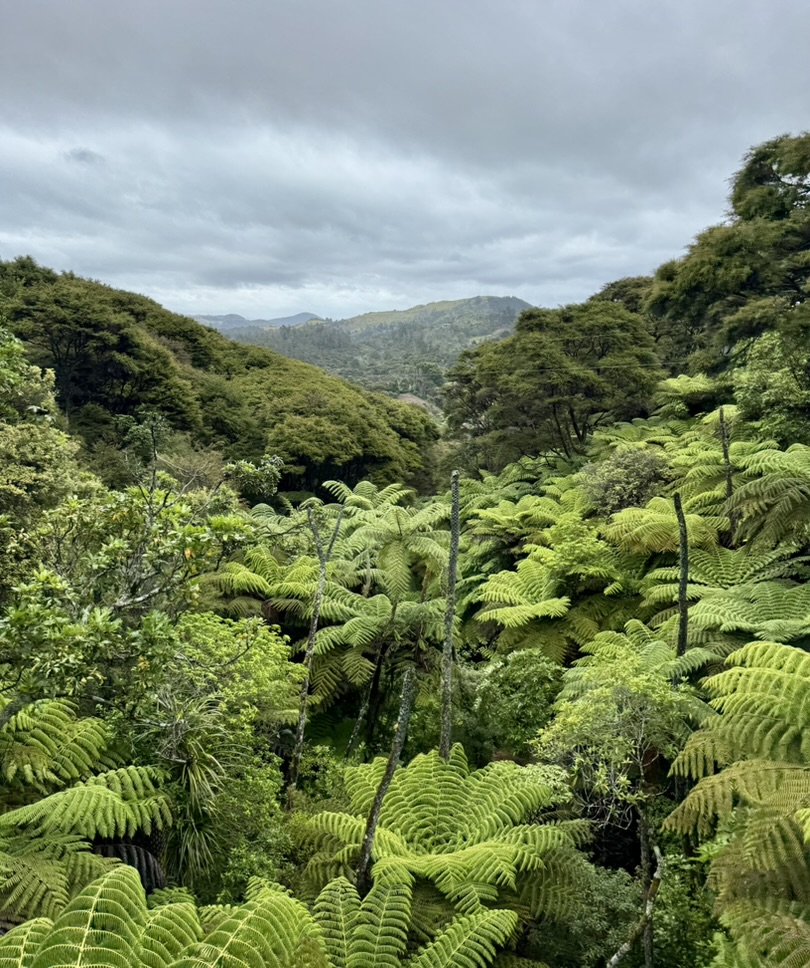
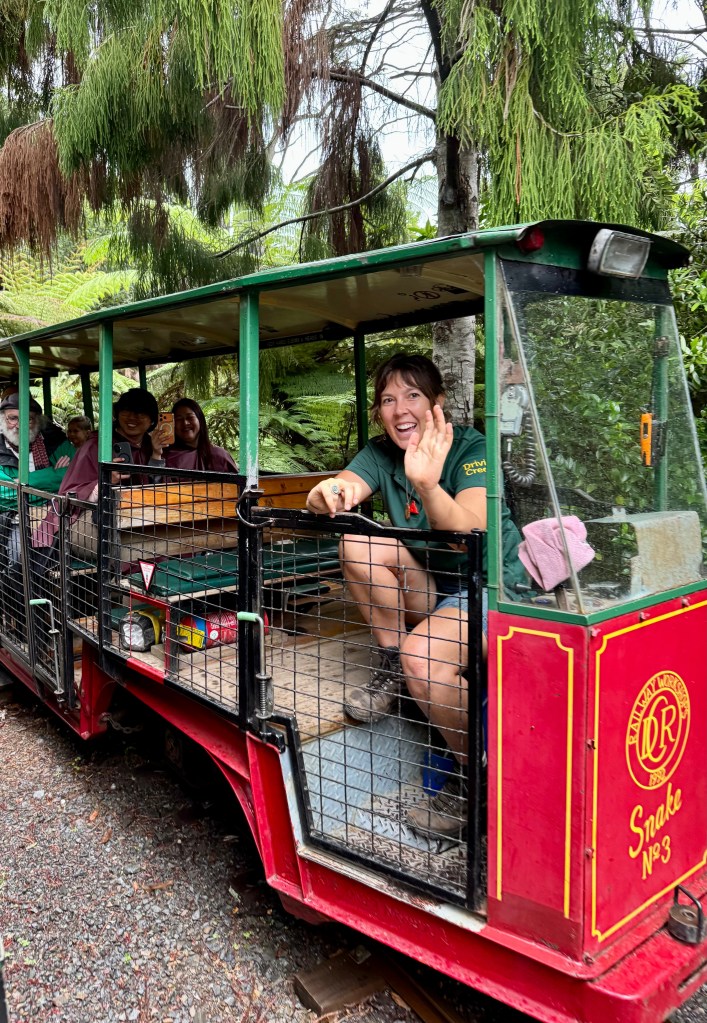
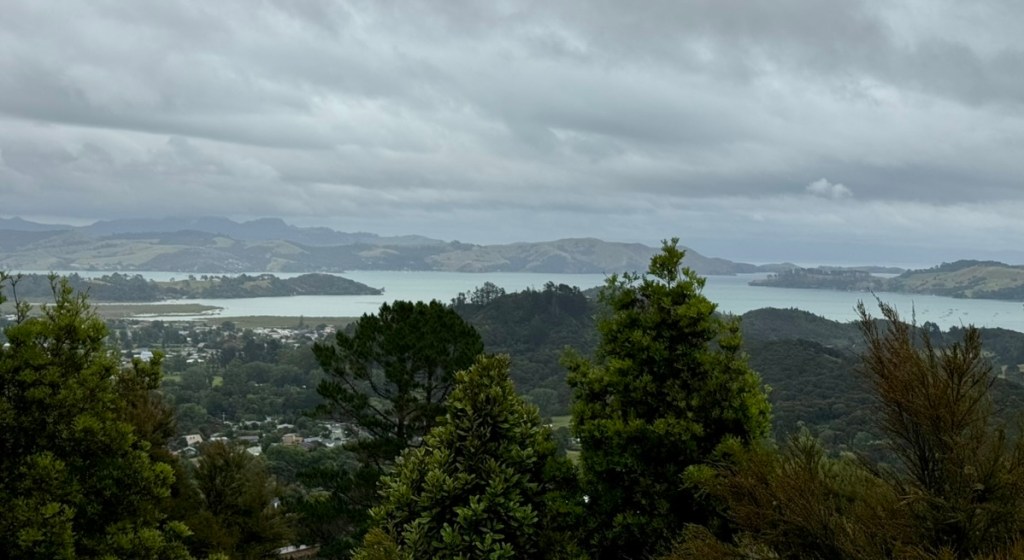
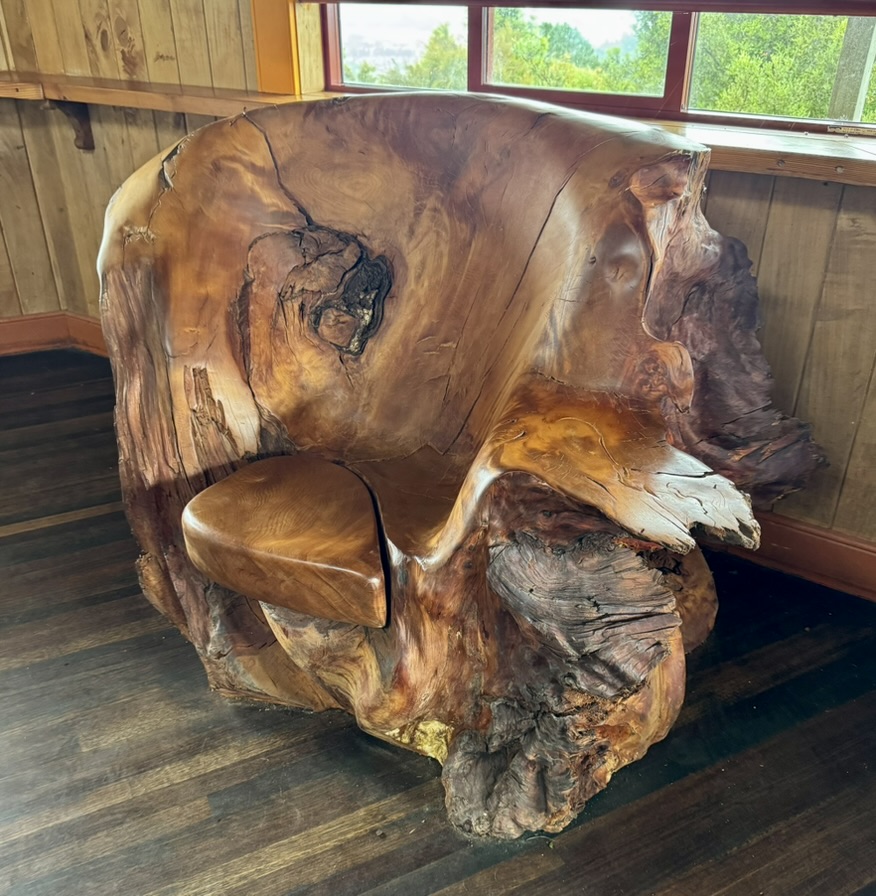
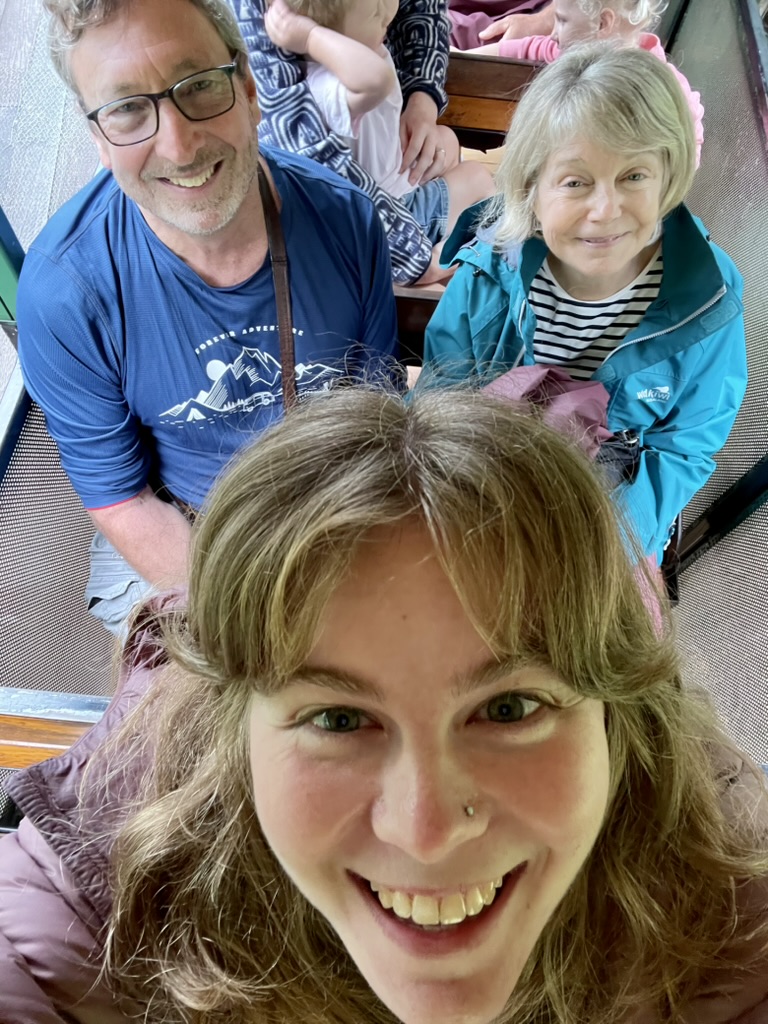
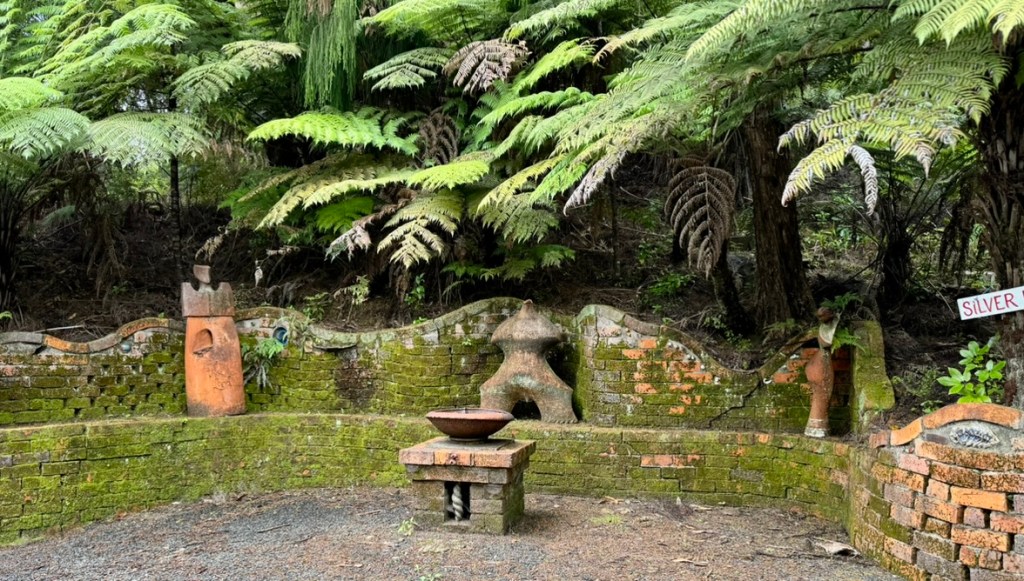
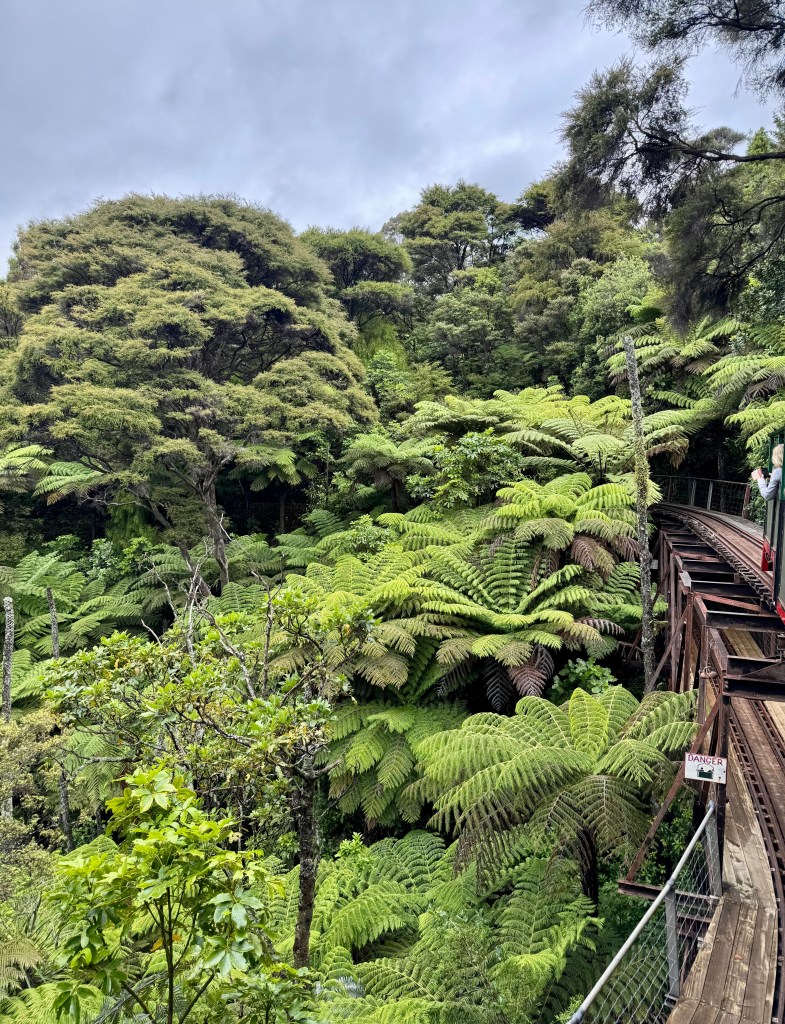
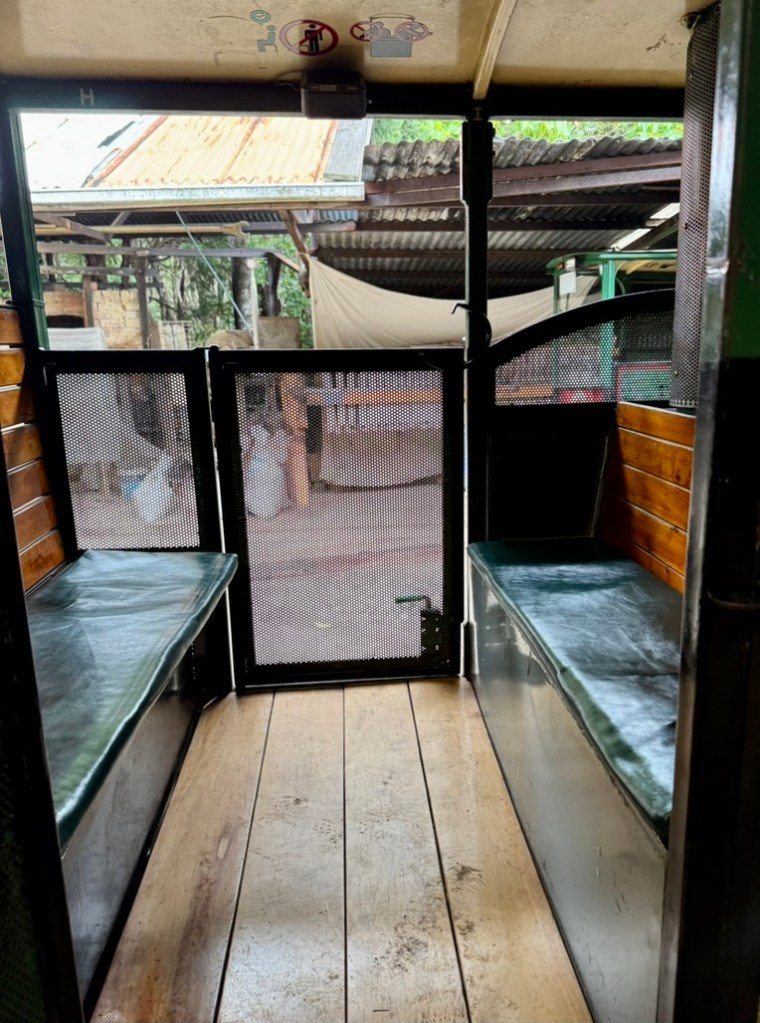
To gain the 200 meters in altitude, the train had five reversing points (where the train actually reverses direction in a zig-zag fashion, effectively switch-backing up the mountain). Each time this happened the caboose would become the engine and we manually had to change our seats so they were facing the new direction. We simply lifted up the seat and it became our seat back as the seat back became our seat. This was a new experience and kept us busy.
Gulf Island – Tiritiri Tour
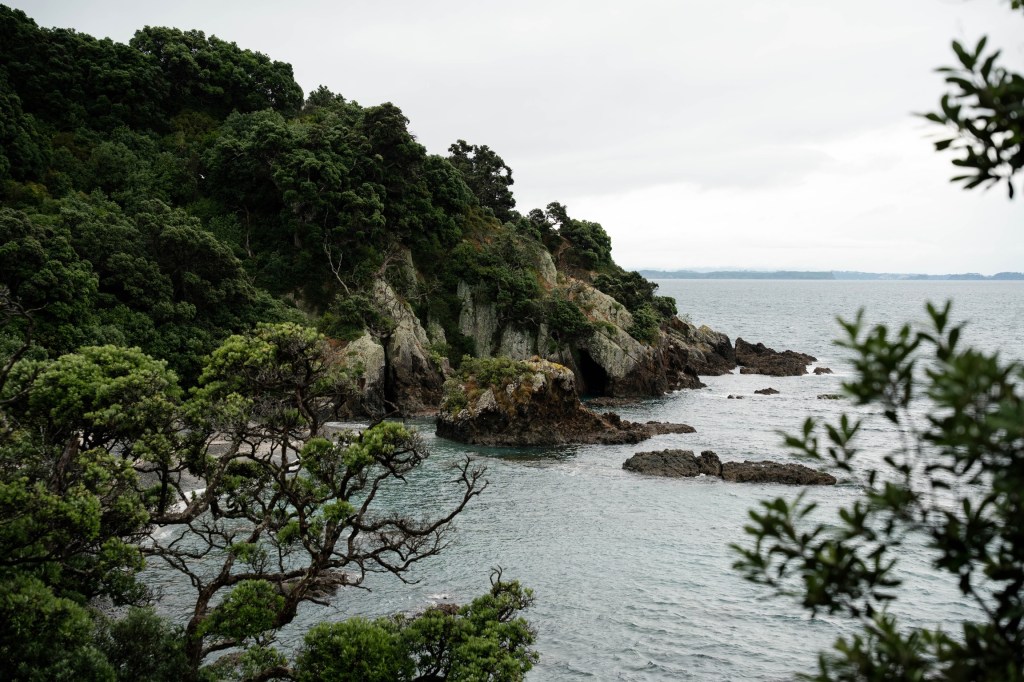
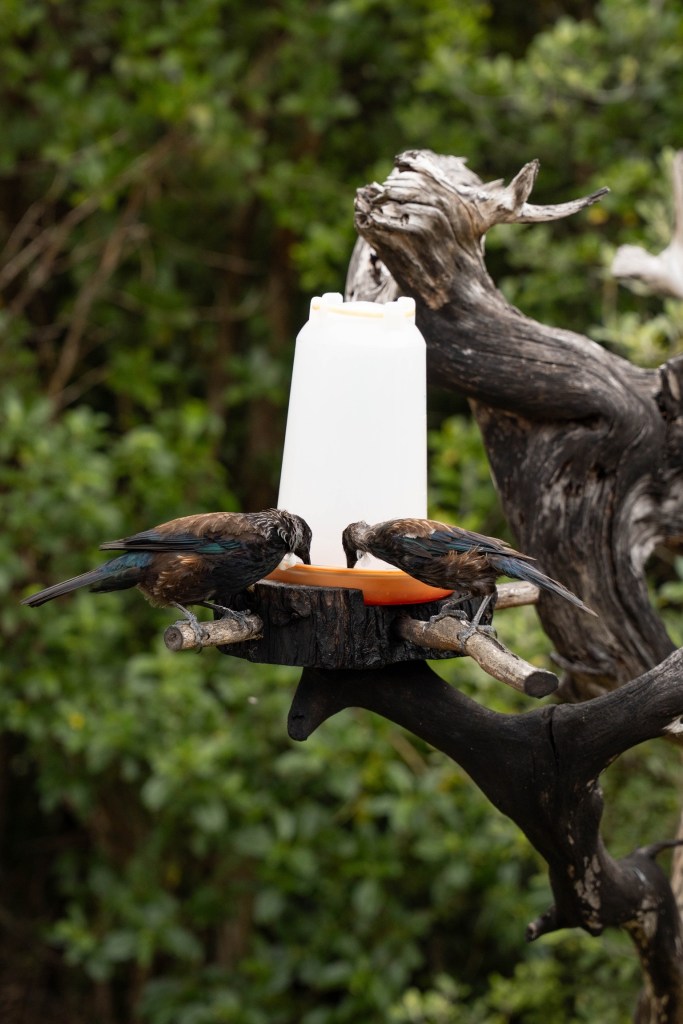
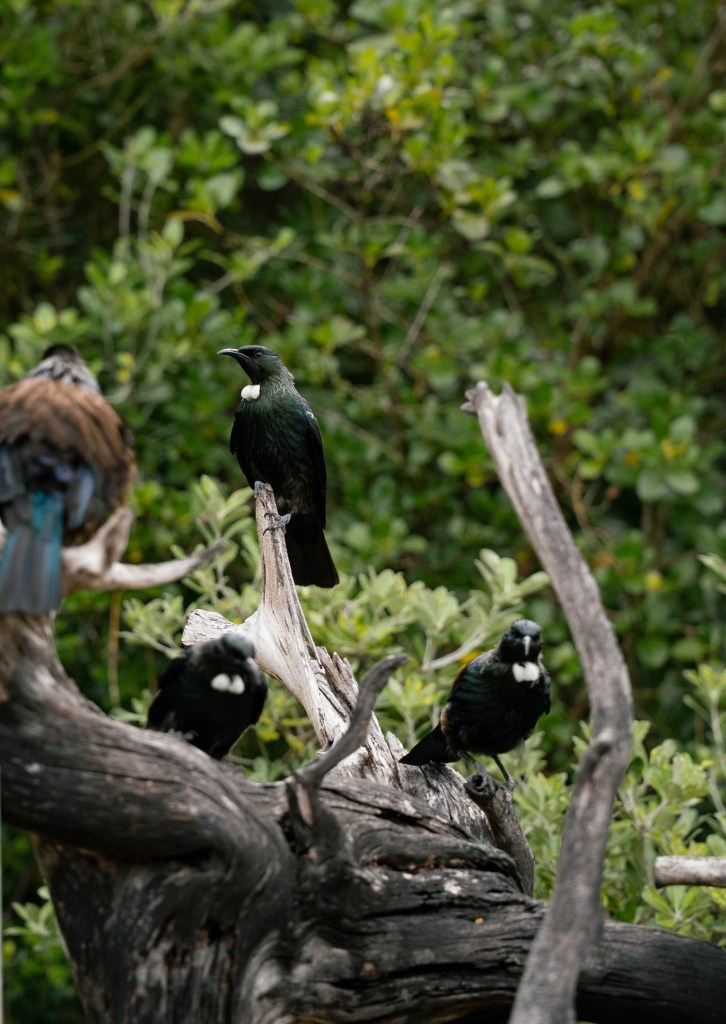
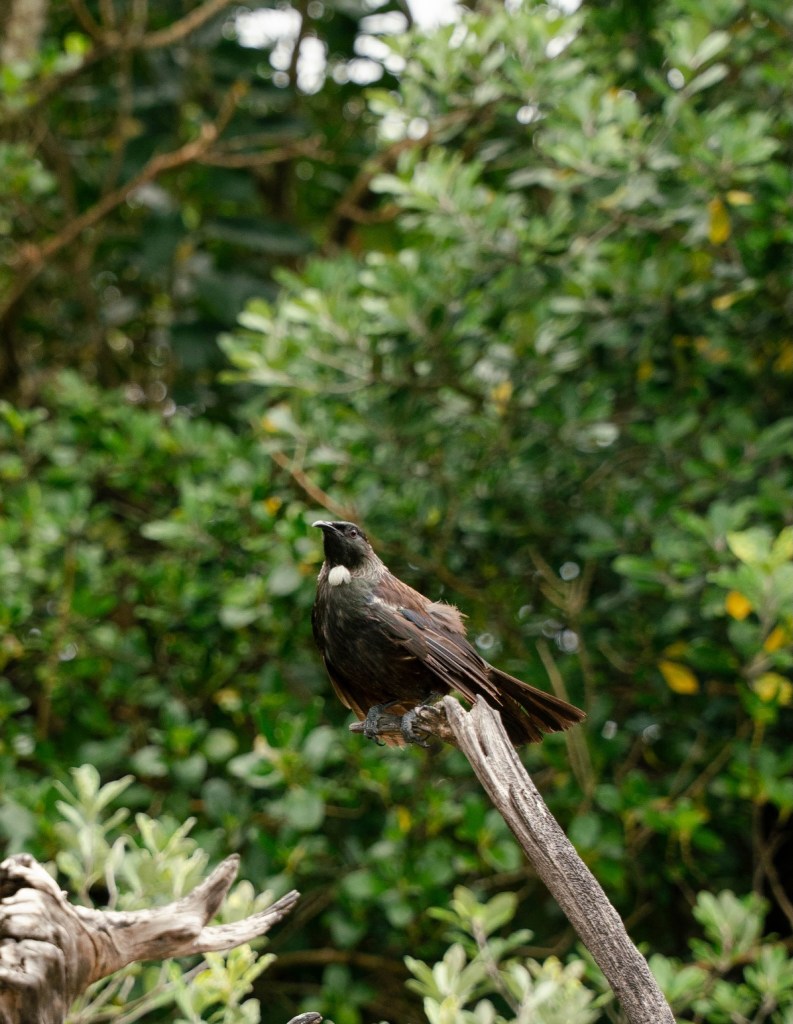
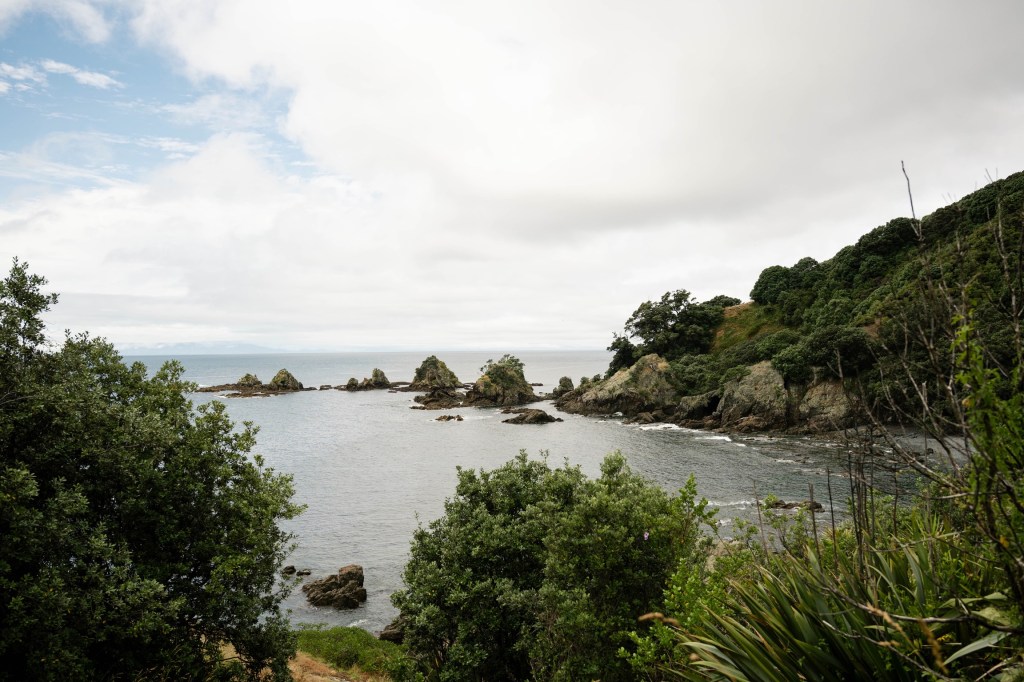
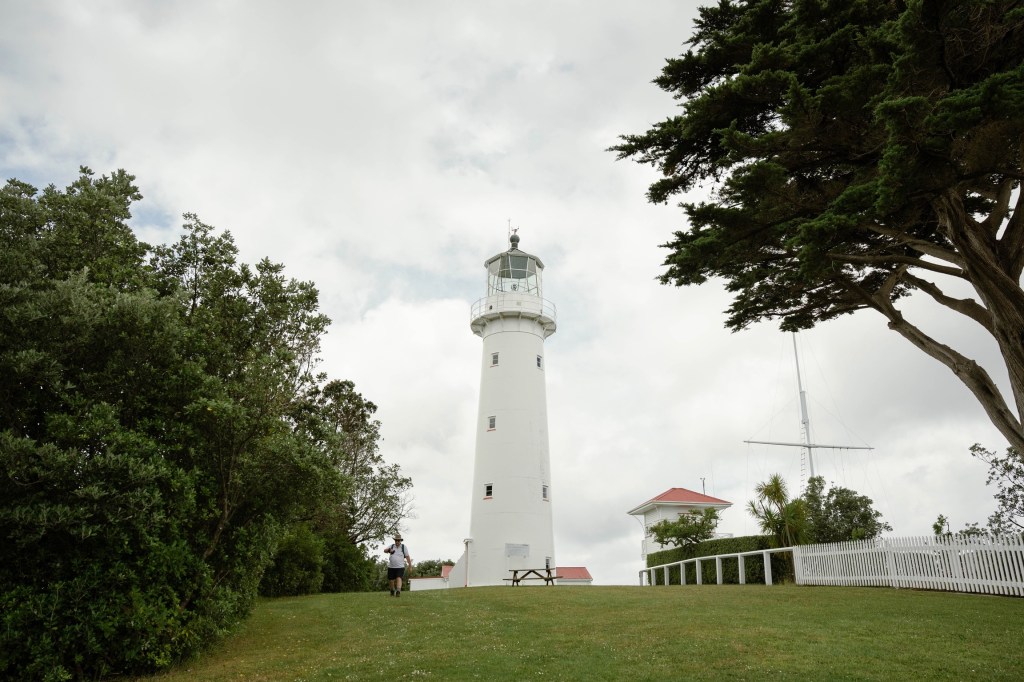
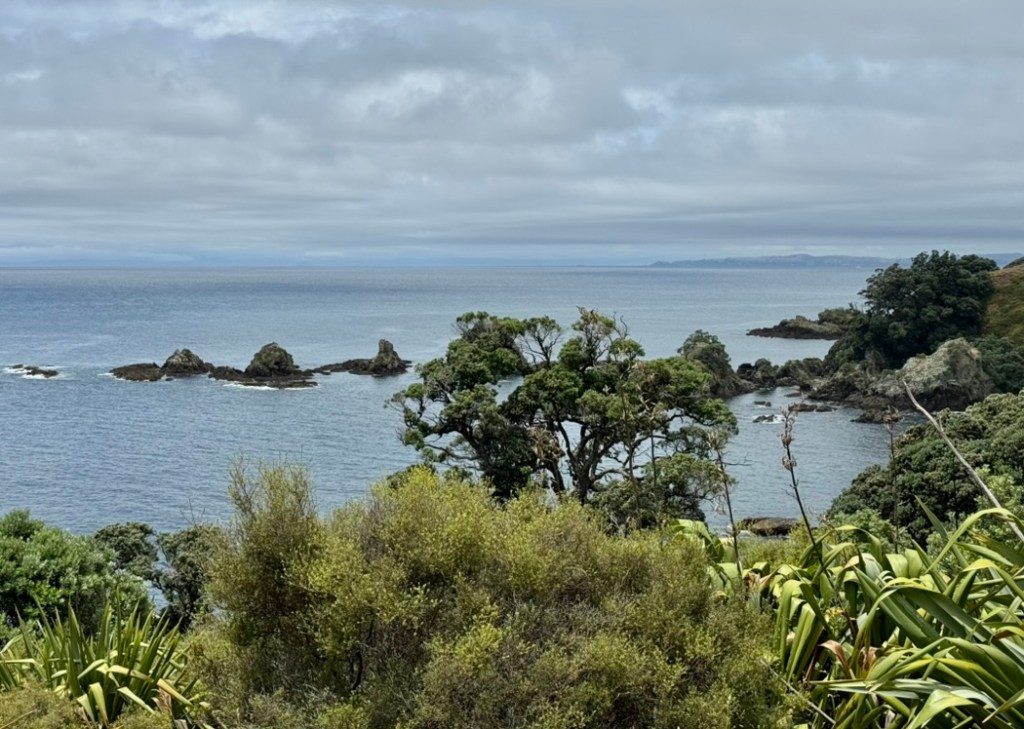
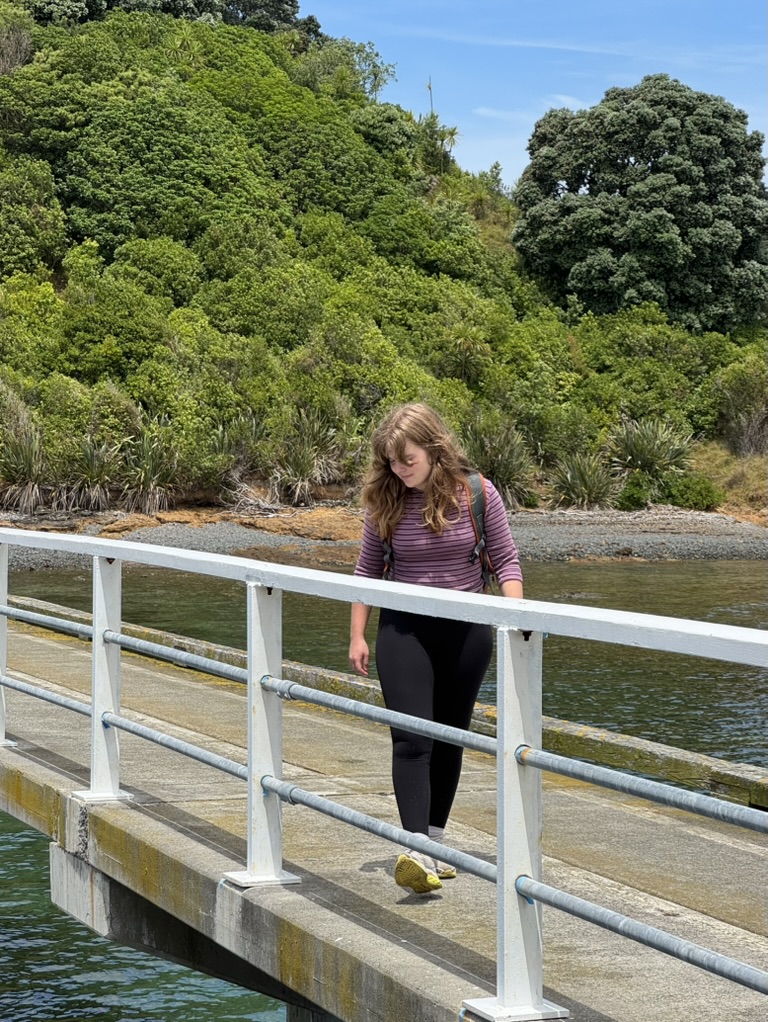
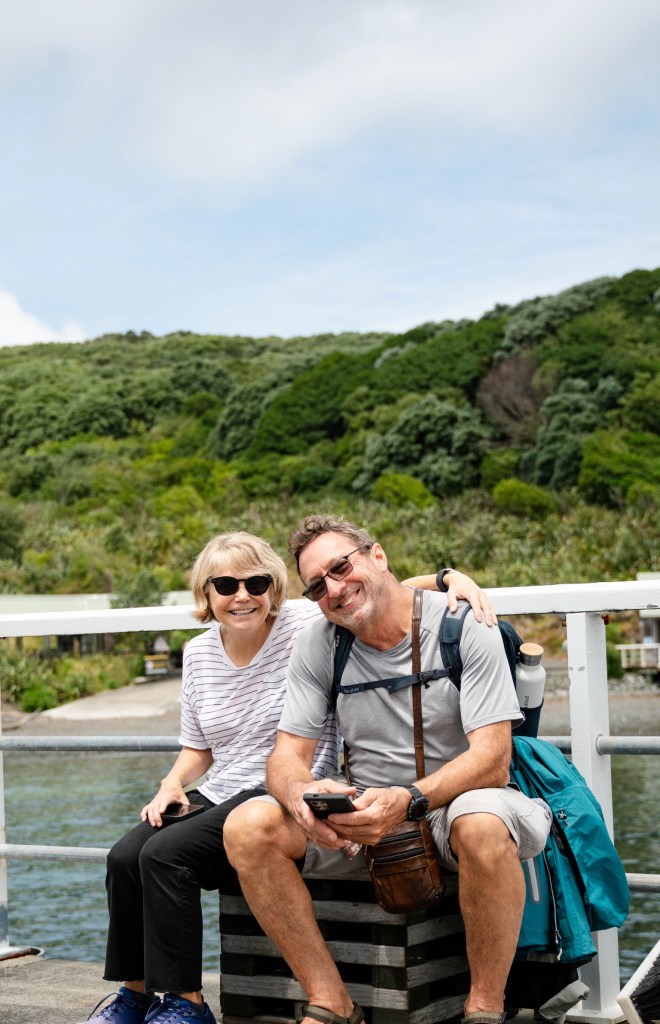
We reserved a place in Gulf Harbor on December 24th, where we caught a ferry to explore TiriTiri Matangi Island. Tiritiri Matangi means “looking to the wind’ or ‘wind tossing about”. The island is officially called Tiritiri Matangi Scientific Reserve and is one of the most successful conservation projects in the world. Unwanted predators have been eradicated and rare native birds such as the Kokako and the Takahe (once thought to be extinct), survive and thrive in restored habitats within regenerating native forest. Eighty-seven species of birds have been observed on or near the island. Eleven native species have been translocated to the island as part of the ongoing restoration project.
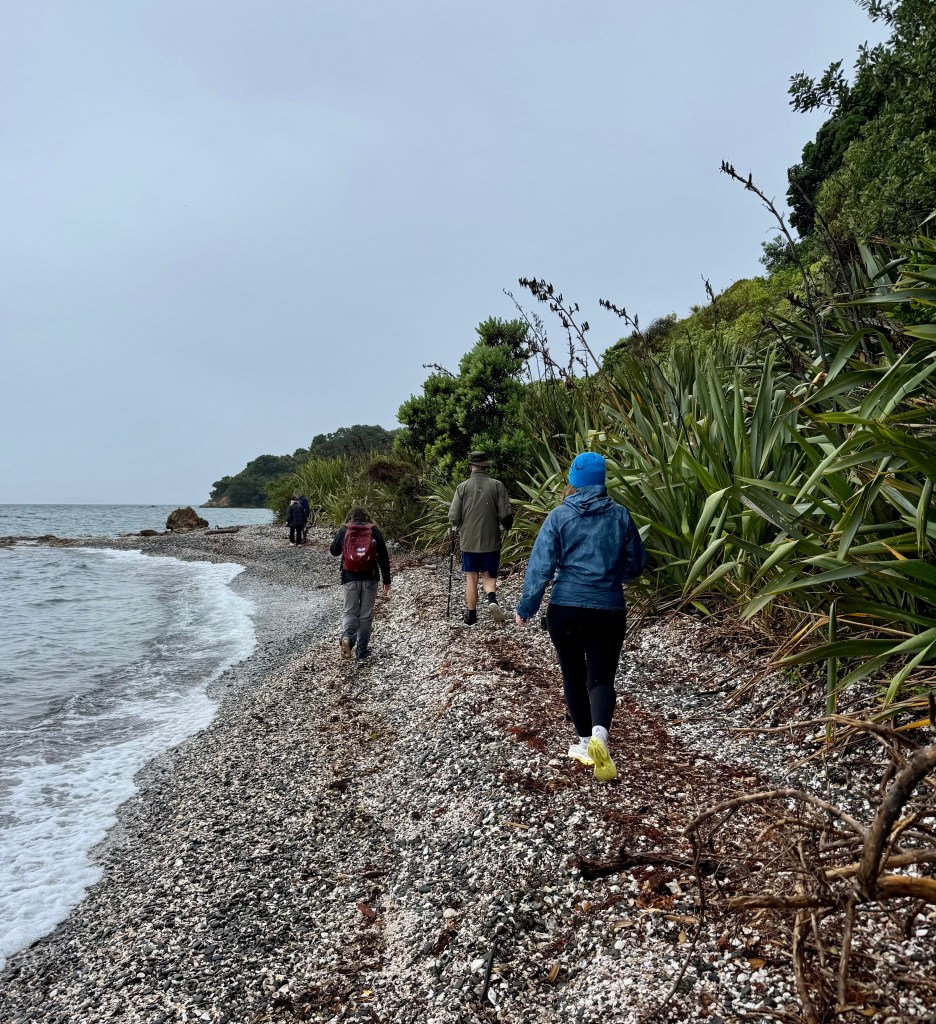
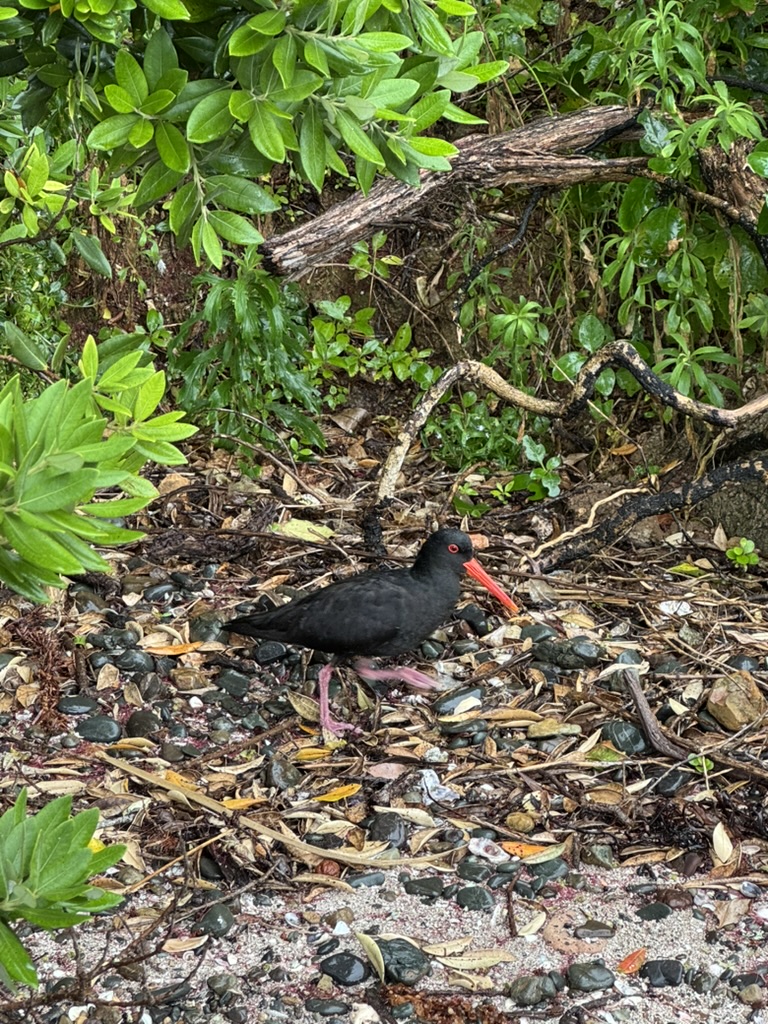
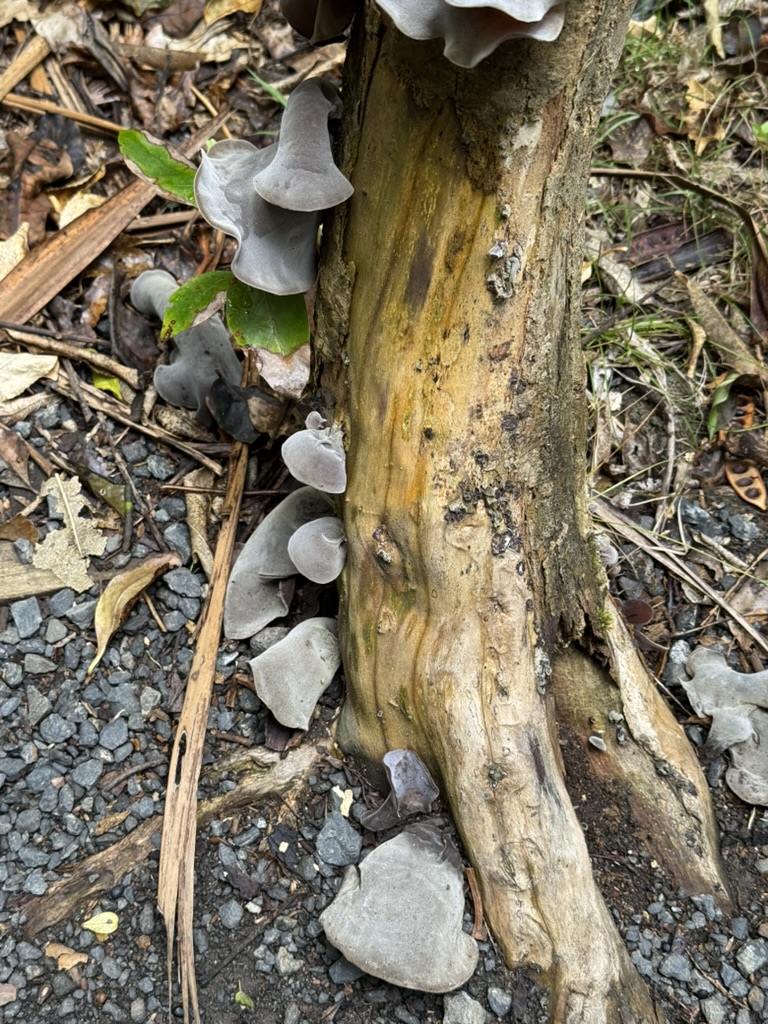
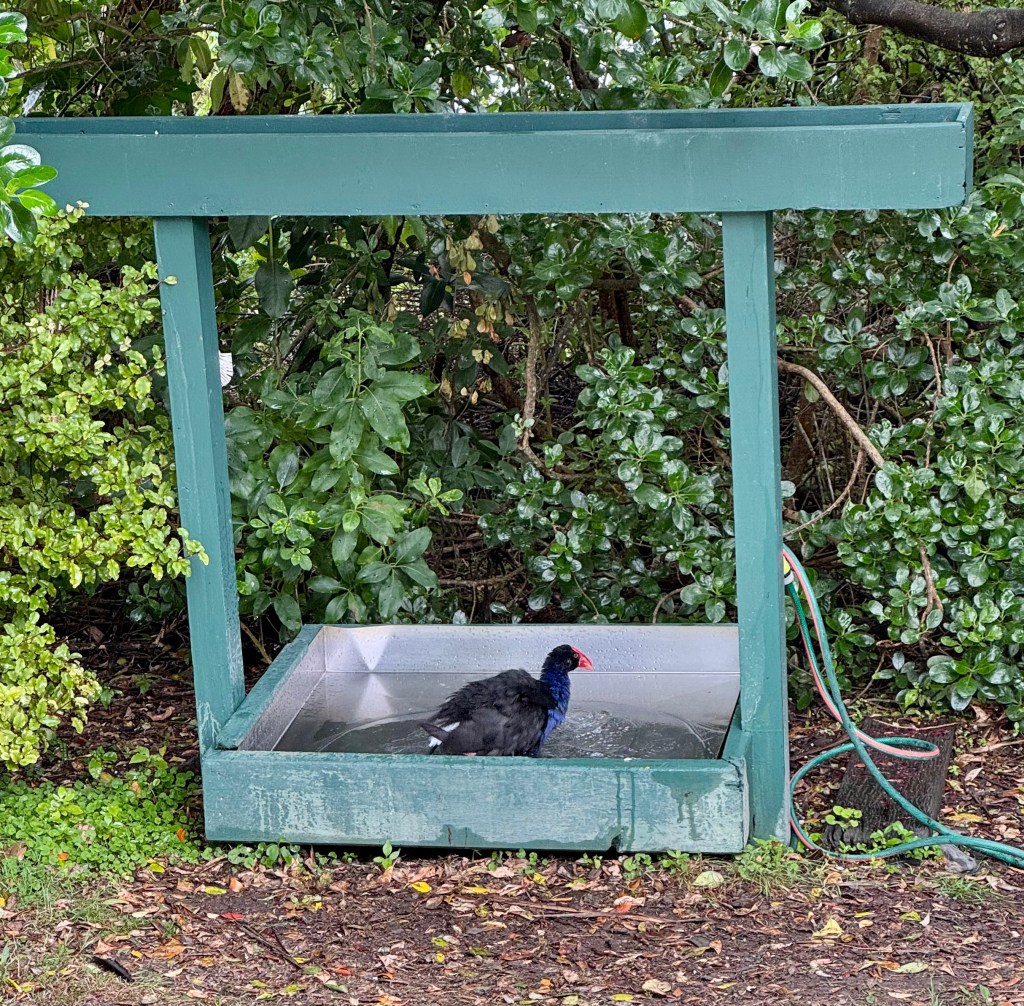
Unfortunately, we woke up to a very wet morning. It was raining quite hard and we had to get to the ferry that would take us to Tiritiri. For a moment we thought about not going but we charged ahead despite the rain. We decided to skip the guided walk and hike the 5-mile, Tiritiri Matangi Perimeter Loop instead. It stopped raining after about a mile and the rest of the day was quite pleasant. It was a good hike with some elevation and wildlife. We saw Tui’s, a brown quail called Kuera, Oyster Catchers, a Bell bird, a Red-crowned parakeet, a Pukeko also known as the purple swamphen and a Kereru also called New Zealand pigeon.
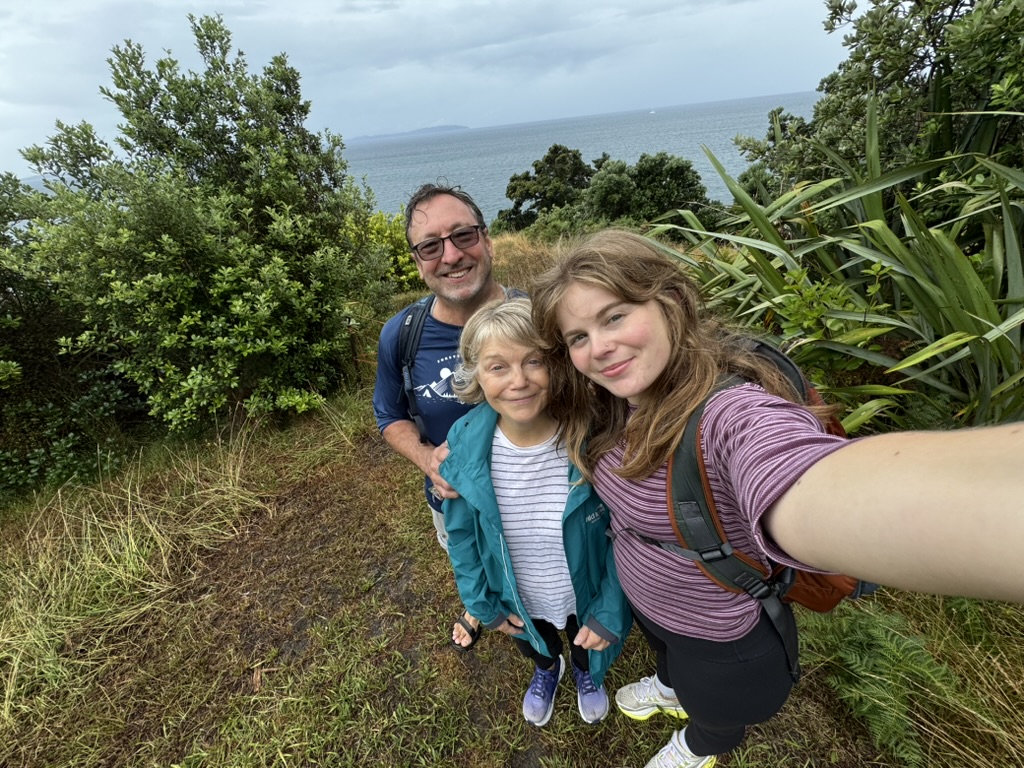
After exploring Tiritiri and Gulf Harbor we headed back to Auckland as Madeleine’s trip was coming to an end. It was also Christmas day. We were told that most restaurants and grocery stores would be closed for the holiday, so we bought food for Christmas dinner on the 23rd and stored it in our Airbnb refrigerator.
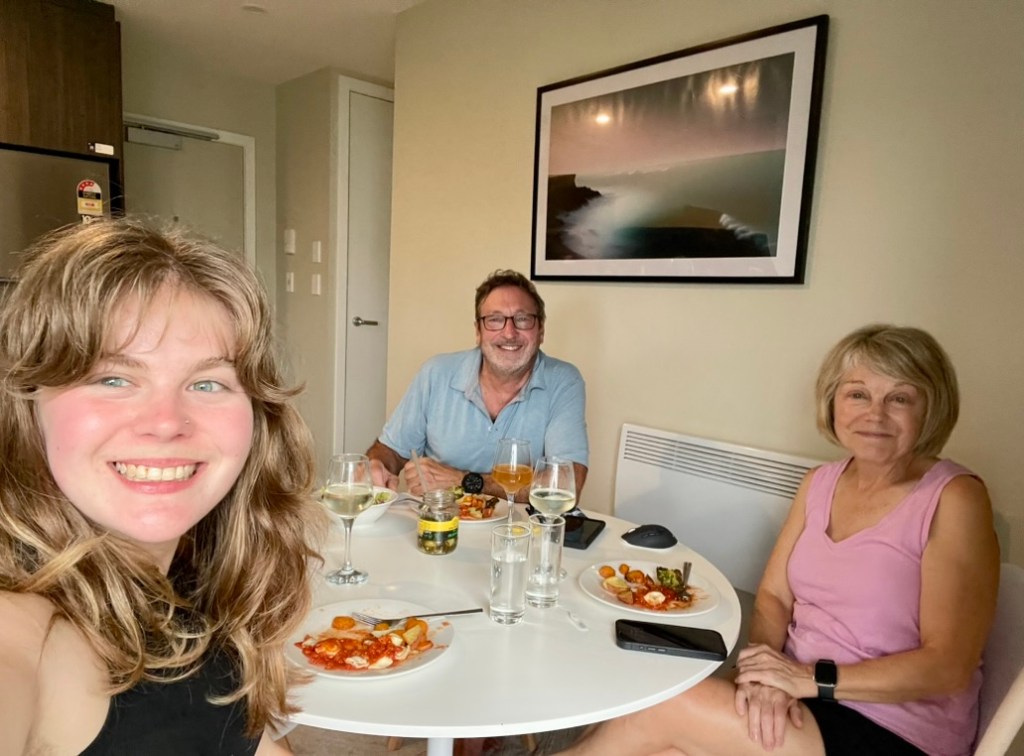
While our Christmas was not like our traditional holidays back home, we enjoyed making dinner together and celebrating the novelty of being in New Zealand.
On Madeleine’s last day she found a community saltwater pools called Parnell Baths in Auckland. She and Tracy went to swim laps and enjoy the hot tub.
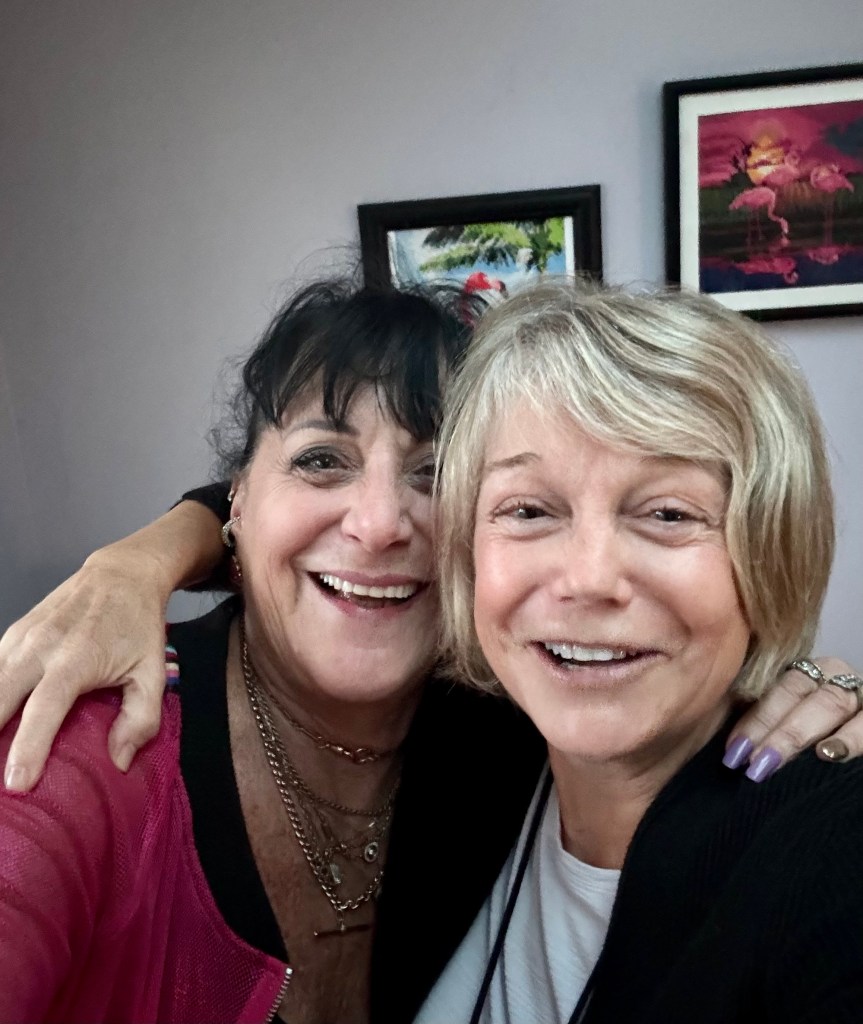
We dropped her at the airport on December 27th with many hugs and much sadness as she departed. While this is an exciting and fun journey for us, it is hard to be away from our adult kids. We are very thankful they come to visit us.






















 SV Quid Sea - Sailing with Tracy and Cindy