We headed to Hirifa in the Southern part of Fakarava on Thursday, May 29th around 8:30 AM and arrived same day about 2:30 in the afternoon. Unfortunately, the wind was not in our favor, coming from the south which is unusual, and we had to motor the entire way which did not make Tracy very happy.
On arrival, our friends from Polaire Bear greeted us as we motored by and pointed out a good anchoring spot up ahead. We spent the rest of the day putting our boat back together, resting and viewing our beautiful surroundings.
The next day, we met our friends on shore for ‘happy hour’ which is BYOB + snacks. Luckily there is a picnic table for us to sit at and spread out our goodies. Our friends introduced us to a game called Finska and it’s a little like bowling. It was good entertainment and fun to socialize. I didn’t get any pictures but I captured a picture from the internet to give you an idea.
Tracy rowing us back to Quid Sea after happy hour
Themes of Hirifa in south of Fakarava included exploring, snorkeling, paddle boarding and happy hours.
We were excited to get our paddle boards out and inflated and we set them up as kayaks for the first time. The brand name is TaoStar and they came with an inflatable seat that turns the paddle board into a kayak. The paddle also converts to a kayak type paddle.
Because it was a bit windy and we hadn’t paddled for a while, we decided to test out the kayak option. They look a little odd, but the seat is very comfortable, and I felt more secure sitting down. After the second day of paddling we were comfortable standing up, although I should say it was really me who was uncomfortable paddling standing up initially. Tracy only kayaked to make me feel better. We paddled along the shore line, paddling over the bommies where we saw several sharks, and a variety of other fish from our boards.
Definition of Bommie: an outcrop of coral reef, often resembling a column, that is higher than the surrounding platform of reef and which may be partially exposed at low tide
Our kayak/paddle board combo
Our happy hours continue and we met a few more cruisers, increasing our gathering to 8 people. It was great to share cruising stories and learn more about our upcoming destinations. The boats names are Polaire Bear from Vancouver(BC), Terrapin from Virginia, and Lulu from Sweden.
On our 3rd day we went to the beach to snorkel with our friends from Vancouver, BC and another couple from New Zealand. It was not as good as our first experience with our excursion tour. But it was good considering we just walked off the beach a couple hundred feet. The bommies were colorful, and we saw blue iridescent fish, zebra fish, and others. Also, many large clams with purple, black, and green colored lips. It was a fun, active day and we were looking forward to getting back to our boat for dinner. We grilled chicken, potatoes and made a salad. Yum!
We walked off this beach to a small lagoon to snorkel.
Our last day of paddleboarding here, we went further down the shore to explore. Unfortunately, we didn’t take any pictures off the board as it’s difficult manage and we don’t want to drop our phones. You will have to take our word for it that we saw colorful fish, gray sharks, and black tip sharks. It feels good to get some exercise and beautiful views. We took the photos below from shore so you can see the types of bommies we are paddling over and where the fish like to hang out.
We enjoyed another happy hour on June 3rd, where we met Polaire Bear and a new boat called Tui. Tui had 3 young men from California who are taking time after college, and one is still in college to have an adventure. Kevin, the captain of the boat is planning to go to Tonga where his parents and siblings will meet him. Where he goes from there is TBD. The other 2 crew will be flying home from Tahiti. A funny story about Kevin is we met him in New Port Beach, CA on our way down the coast. He was working at West Marine, and we were there buying anchor chain and paddle boards. We ended up talking about our plan and he shared that he was preparing to do a shortened version of our trip. We were pleasantly surprised to see him here, joining us for happy hour. It is indeed a small world.
We’re the first to arrive for happy hour. Cheers!Island dogsTracy getting his dog fixToday’s happy hour gang
On our last day, we took the dinghy to shore because we wanted to walk to the other side of the Atoll. It’s a short walk because the land base is quite narrow. It’s amazing to see how different the seas are when you compare being inside the Atoll vs. outside. The photos don’t do it justice. The beach is rocky and rough with 3 to 5 foot swells crashing ashore. Inside the Atoll where we are anchored, there are no waves or swells and the beach is smooth and sandy. On our walk to the other side, we saw what we believe is an updated cistern to catch rainfall right next to the older version. We also saw the structural remains of an old church from 1879 and some old gravestones. Photos to follow.
An old grave site-no dates to determine how old.Church from 1879Old CisternNew cisternSea state outside the Atoll
We participated in happy hour once again with a large group of people from multiple boats. The regulars were in attendance along with some new folks. The happy hours created a great community here on this tiny island where we all have a common bond. Several of these boats plan to go on to Tahiti, Bora Bora, Tonga and New Zealand, around the same time as us and we hope to connect again.
We decided to go back to Rotoava on the north part of Fakarava before heading to another Atoll called Rangiroa. This will give us a chance pick up a few more provisions for our next passage. We left in the morning on June 5th and had a great sail back. We arrived same day, mid-afternoon.
On Saturday night, June 7th, we met up with Polaire Bear and Kallisti for dinner. Kallisti, from New Zealand are heading home after cruising on and off for the past 11 years. They gave us lots of suggestions as to what we should do while we are there and invited us to have dinner with them at their home. Luckily, we just got approval for our 6 month Visitor Visa’s and we have reserved a slip in the Bay of Islands Marina on the North Island of New Zealand. For now, we are planning to go to another Atoll called Rangiroa and will be leaving Sunday, June 8th.
Fakarava will hold a special place in our hearts because of it’s beauty, towns of Rotoava and Hirifa and their people. and of course connecting with other cruisers!
We weighed anchor at noon on May 14th in Taiohae Bay on Nuku Hiva, starting passage to Fakarava. We planned our ETA at Fakarava for 0730 (7:30AM) on May 18th. This is slack tide which is when entry into an atoll is safest. No fighting tidal currents through the narrow passes. The trip is about 550nm and we planned for 5.5-6kts average speed to make our ETA. The course to steer for Fakarava is southwest at about 220˚. We raised sails at 1300 (1PM) and started sailing with full main and 2nd reef in the genoa. Winds were 16-18 kts, gusting to 22 kts out of the ESE as we left Nuku Hiva. Typical trade winds for this time of year. About 1600 (4PM) we put 1 reef in the main for the night. Just before sunset, the wind dropped to 9-10 kts and it was a little difficult to keep the sails full but after the sun went down, the wind picked back up to 16 kts. On day 2, May 15th, we still had the Easterly trade winds at 15-20 kts. We had 8 foot swells on our port beam which made for “rolly” conditions. We also passed by and through several squalls but no winds over 25 kts and no thunder or lightning. By 1700 (5PM) the squalls had dissipated, and swell dropped a bit for calmer and more comfortable conditions. For the rest of the passage we steered about 220˚with ESE trades at 15-20 kts on port tack and a broad reach. Great sailing conditions but the problem was we were going too fast! We were averaging 6.5-7.5 kts which would put us at the north pass into Fakarava 12 or more hours ahead of schedule on a flood tide. We found ourselves in a position where we needed to “put the brakes on” a little bit. The best way to slow down is to reduce sail area. To do this, we left the 1 reef in the main and kept putting 1 to 2 reefs in the genoa. One day out from Fakarava, May 17th, we actually dropped the main and sailed with genoa only to slow us down more. We still arrived at the north pass a little early at about 0600 (6AM) on May 18th. There was a passenger/cargo ship heading into Fakarava that we had to allow ahead of us. That added some delay and we ended up entering the north pass at about 0640 (6:40AM). Close enough to slack tide and we had no issues making it through the pass. We motored up to Rotoava and dropped anchor about 0830 (8:30AM). All in all a great passage, one tack all the way and mostly on a broad reach. Perfect sailing conditions! Now turning it over to Cindy as I have boat stuff to do. 🙂
The crossing from Nuku Hiva to Fakarava took us 89 hours, a little over 3.5 days. The seas were lumpy the first night but they improved over the next few days, and I got used to it. I recognize now, that the first night is always the worst and it gets better. Tracy and I took naps during the day and we both took turns doing the night watch. Admittedly, Tracy did more of the night watch than I did, but I like to think I helped some.
We were speechless at the beauty of this atoll. It met and surpassed our expectations. We anchored in white sand around 08:30 AM and avoided all of the coral bommies. The water is a vibrant mix of colors, most notably turquoise with various shades of blue. No need to edit your photos here. We spent the rest of Sunday putting the boat back together, enjoying the view and resting.
Fakarava is a rectangular atoll located in the Tuamotu Islands of French Polynesia. It’s the second-largest atoll in French Polynesia, after Rangiroa. It is in the Tuamotu Islands of French Polynesia, about 260 miles northeast of Tahiti. It has been classified as a biosphere reserve by UNESCO because of its exceptional ecological value. The Atoll is 60 km long and about 25 km wide and the population is approximately 855 people.
Fakarava is famed for its incredible biodiversity and breathtaking underwater scenery (including a ‘wall of sharks!’). Diving enthusiasts come from all over the world to swim with the majestic gray sharks in the waters of Fakarava, explore the coral reef and drop-off, and admire the sea turtles, rays, barracudas and a host of other marine species. A veritable natural sanctuary where each dive is even more magical and thrilling than the last.
After catching up on sleep, we ventured into the village of Rotoava to explore the area and meet a couple of friends for lunch. We first met Linda and Alan back in La Cruz, Mexico, where we were neighbors in the marina, and met up with them again in Nuku Hiva. It’s a small world! We decided to buddy sail to Fakarava and are having a nice time catching up.
Before lunch, we located all the markets, (there are 3), and discovered the post office, ATM, Medical office, bike rentals, City Hall, and a few restaurants. It is a charming little village with wonderful people and all the necessary amenities.
City Hall and medical officeOur favorite lunch spotOne of our favorite dishes at our favorite lunch spot (poisson cru)
Tuesday, May 20th, we went into town again to drop off laundry and rented bikes to explore the atoll. During our ride Tracy was able to finally find some pearl floats to attach to our anchor chain to protect our chain from hitting any coral by floating it above the coral. We found a beautiful spot for lunch at the Havaiki lodge. You have your choice of sitting at a table in the water or under a thatched roof. We chose undercover since were not in our swimsuits. While enjoying our lunch, we were able to watch several sharks swim by very close to shore. It’s incredible to see as they cruise by people swimming or having lunch nearby at one of the tables in the water. We are told they are well fed and not interested in humans.
Wednesday, May 21st, the supply ship came in and word spread that if you want fresh produce you should arrive at the market by 10:00 AM. Tracy and I arrived about 9:00 and we are glad we came early. There was already a small line of people waiting for the produce to be put in the bins for purchase. Once we were able to select our fresh produce there was probably about 20 other people waiting in line for their turn at the bin. We spent about $60 on a couple of cucumbers, kiwis, onions, pears, apples, 2 avocados, carrots, Pamplemousee (pomelo grapefruit) and tomatoes. The supply boat comes in once a week, so this is big day for the boaters and the locals.
Later, we met up with our friends for dinner at the local pizza place and spent time talking about our snorkeling outing tomorrow scheduled with Rotoava Excursions. The pizza was very good and the place was busy as they provide take out as well.
Pizza!
Thursday, May 22nd, we arrived at the dinghy dock by 7:20 as our guide boat was meeting us at 7:30 AM. We left the dock with 6 people and picked up 5 more along the way with our Captain Swami (sp?), and our guide Paui (sp?). We headed to the southern side of the island which took about 90 minutes on a ‘fast’ boat. Along the way, Paui started making each of us sun hats made from palm fronds. It was fun to watch him at work. Especially as the boat is traveling at a good speed with plenty of bumps and rolls. During our boat ride we had a brief squall. This happens occasionally but doesn’t typically last long and makes the skies look dramatic. They brought out raincoats for us to wear to give us some cover.
We then stopped at a lovely snorkeling spot where we snorkeled with a nice current pushing us along the reef. The sea life was amazing and once again we saw several large sharks swimming in the deeper waters. I think I have snorkeled twice in my life many years ago and I was a little nervous. Fortunately, I bought the mask and fins in Mexico at a professional shop, and they fit great. It was a phenomenal experience, and I look forward to doing it again. It doesn’t hurt that the water is a very comfortable temperature too. Of course, Tracy was there for support as he is experienced in snorkeling, boating, swimming and diving–pretty much anything to do with the water.
This is the area where we snorkeled. We walked into the water and swam around a coral reef not far from shore.
After snorkeling our guides took us to a ‘pink’ sand beach where we could jump in the water and walk along the beach. Sharks were plentiful here too but we’re losing our fear of them. I’m not sure if that’s good or bad!
Posing with our Canadian friends wearing our sun hats our guide made for us.
Next, we went to Hirifa Beach in South Fakarava and enjoyed more snorkeling and a BBQ on the Beach. It was a beautiful sandy beach with picnic tables, several hammocks, and a small restaurant. Our tour guides were preparing lunch on a huge grill. There were at least 5 piglets along with 3 or 4 sows roaming around the area as well. No, they were not part of our lunch but I’m sure they will be someone’s meal at some point. Our menu consisted of poisson cru (translates to raw fish) with coconut milk, mango, onion, cucumber, and lime juice. We also helped make coconut bread after our guide picked a coconut, cut it open and shred it. He added it to a mixture of flour, sugar and coconut milk to create a dough. We then rolled out the dough, added more shredded coconut for a filling and rolled it up like an empanada. They also served BBQ chicken, pork skewers with vegetables and grilled fish. It was quite the feast!
Paui making coconut bread.Our lunch spot!Pigs are resting after they were fed lunch
While lunch was cooking, they took anyone who wanted to do more snorkeling to an area just off the beach. Of course, Tracy went while I took a nap in one of the hammocks. After lunch, our tour guide demonstrated how he weaved our sun hats and then let us all try. We got back to our boat about 6:00 PM after we picked up our laundry. Yes, Fakarava has a laundry service! A nice woman provides the service out of her home. They have washing machine(s) and hang everything on the line to dry. We waited 2 days to pick it up and cost was $25. This was helpful for our bigger items like our sheets and towels. We tend to wash most of our clothes by hand and hang them on the back of the boat to dry.
The weekend was quiet after our big snorkeling outing. We had some heavier winds keeping us on the boat, so Tracy and I did some chores cleaning the inside and outside of the boat. Tracy cleaned the hull, changed oil, made water several days and we both cleaned the cockpit. I cleaned the heads, galley and all of our general living space.
We watched a few movies, read books, played a game called Skipbo several times for entertainment.
We also used the time to research and plan for some of our next travels. For example, we plan to be in Tahiti by mid-June so we reached out to a couple of marina’s to see if we can reserve a slip. Tracy needs to get the main sail serviced and he inquired about where and how to get that done. We applied for New Zealand Visa’s and are in the process of reserving slips there as well.
As we end this post, we decided to leave our current anchorage and head to the south side of Fakarava where we were going to meet up with our friends. We were waiting to for the next supply boat to come in so we could pick up more provisions because the new location is very remote without any supplies. We also decided we wanted pizza on our last night here and ordered take out to pick up about 6:15 Wednesday evening. By the time evening rolled around, the winds had picked up and it was raining. But we jumped in our dingy anyhow and went into town to pick up our 2 pizza’s; one to eat for dinner and one for lunch or dinner tomorrow during our sail over to the south side. It’s about a 10 minute ride in the dinghy to the dock, and from shore it’s another 10 minute walk to the pizza restaurant. Needless to say we got wet but we did remember to bring a garbage bag to wrap the pizza boxes in to keep them dry. Once back on Quid Sea, we appreciated eating our pizza on our nice dry boat, sipping our drinks and talking about our next adventure.
We left on Tuesday, May 6th at 1:00 in the afternoon for our passage from Hiva Oa to Nuku Hiva. We left later in the day to avoid arriving at night and were able to sail most of the way at various speeds depending on the wind. The engine was turned on for a couple of hours to make water. We set anchor in Nuku Hiva at 11:00 AM on May 7th.
Taioha’e Bay is much larger than Atuonan Bay in Hiva Oa and we were able to find a good spot and only had to move once because a neighboring boat thought we were too close. So being a good neighbor we agreed to move.
Nuku Hiva is the largest Island and the capital of the Marquesas Islands. The population is 3,025 as of the 2022 census. Residents are mostly Polynesian with a small proportion of Europeans, mostly from Metropolitan France.
The primary diet of people tends to be breadfruit, taro, manioc (a starchy root vegetable), coconut and many kinds of fruit, which grow in abundance. Goats, fish and, more rarely, pigs, are the main sources of meat but there is a growing amount of local beef available. Imported food is also available, including apples, grapes, celery, and even sliced bread from New Zealand. Considerable amounts of rice are also eaten. There is a large population of wild pigs on the island which are a cross between the Polynesia pigs brought by the first settlers from peninsular Southeast Asia and the wild boars brought by the Europeans.
Most of the the island’s population, as is the case in the Marquesas Islands, is Christian because of European colonization and the activity of both Roman Catholic and Protestant missionaries.
We explored town on our first day, which was easily done in an afternoon. We found 3 good grocery stores along with a fresh market in the town square area. Fresh fruits and vegetables are limited and if you find something of interest, don’t hesitate to buy it or someone else will. We found apples, pears, bananas, potatoes, cucumbers and green beans at the fresh market. Dinner was pizza out at a restaurant called Moana Nui. It was a bit different from what we’re used to, but still tasty. It’s hard to mess up pizza.
It rained continuously May 8th and 9th and we stayed on the boat to keep dry. We experienced quite a down pour and because we dinghy to shore and walk everywhere, there’s no escaping it. On the bright side, the boat got a good washing, and we were able to find all the leaks. The mast that runs through our dining table was the most annoying. We had to wrap towels around it to absorb the water and change them twice daily. This will be a project for Tracy to solve later. A couple of smaller leaks showed up but were easier to manage.
Dingy Dock (that’s Tracy standing up looking down)The locals clean their fish here and drop the waste in the bay where the sharks come to feed. See video.
On Saturday, May 10th the sun returned, and we decided to rent a car for the day and drive around the Island. The car was a very small Renault and the person who rented us the car assured us that it would be able to get us up the curvy, mountainous roads. We were thrilled it had air conditioning and at one point we talked about sleeping in the car! Driving was an adventure and part of the time I had my eyes closed. Thankfully, Tracy was driving. It was recommended to drive to a town called Hatihe’u and then reverse course. This is about as far as you can go before the roads turn to dirt and we were told our car would not make it through the mud from all the rain.
The countryside is very green and lush, and we saw numerous horses, goats, cows and pigs along the roadside. Most horses and cows were tied up along the side of the road. Everything else ran free and you had to keep a close look out for goats darting across the road. We learned horses were brought here from Chile in the 1800’s.
Once we found Hatihe’u we decided to have lunch. Most restaurants offered a grilled or fried fish dish, or goat, or boar with sides of starch like breadfruit, rice or potatoes. Often a small green salad was served as well. Average cost of dining out for 2 was about $50.00, including a beverage.
Tracy and I are in agreement that we didn’t enjoy this stopover as much as we anticipated. The continuous rain is the major reason but, the rolly anchorage was a strong second. We had to wait for a good weather window before we could leave. In talking to the locals, this much rain, this time of year is not normal. It did cool things off a bit, but the humidity hung on, making everything on the boat feel damp. Not fun times!
I also experienced some travel sickness and had to go to the doctor for antibiotics. It was probably something I ate or drank but will remain a mystery. My visit to the doctor was $25.00 and my 2 prescriptions were another $20.00. I am feeling much better as I’m writing this. I’m envious of Tracy with his ‘iron’ stomach.
After some discussion about our next destination, we decided to head south faster to find better weather. The chosen location is Fakarava, one of the Atolls in the Tuamotus. On the plus side, once we reach Fakarava we will be about a 48 hour sail to Tahiti which we are both excited to visit. On the down side, (for me only) it will take us 4 days to get there. Fortunately, Tracy lives for this part of the adventure. Overall, we are optimistic about this next trip and hopefully it includes less rain and good health!
Since our Chronicler David for the pacific crossing has returned home, Cindy and I need to resume our full duties as chroniclers.
David, Erik, and I left Fatu Hiva the morning of April 21st and arrived in Hiva Oa late in the afternoon where we dropped anchor in a rather crowded anchorage. The port is rather small. There is one dock for small passenger vessels and supply ships. There are no docks for sailboats. You must anchor. There was a supply ship at the dock when we anchored. Fortunately we anchored in a spot that gave the ship enough room to leave. You can see where the ship is docked, leaving the dock, and squeezing out behind us.
I
The next day we had an agent that picked us up at the dinghy dock and took us to the local gendarmerie where she helped us check-in. The check-in is for our visa and customs processing. Once we check-in, we get a 90 day visa for all of French Polynesia. The clock starts ticking and I’ll need to depart French Polynesia in 90 days. After check-in we came back to the boat. Erik departed in the afternoon. He had arranged for a hotel for a few days before his flight out. David stayed on the boat where he worked remotely. I made some assessments of items on the boat that needed work after our crossing.
April 23rd was a day for anchor practice! Some other boats anchored near us and we had to move location several times. I didn’t keep track but I think we moved about 10 times trying to find a safe place to anchor. Found what finally seemed a good spot only to find that we were in the way of a Passenger Supply ship that came in at 3AM on April 24th. We had to weigh anchor along with about 7 or 8 other sailboats to get out of the way. After the ship got to the dock, I dropped anchor in the same spot knowing I would need to move the next day at some time.
Later on April 24th was not as bad. I lifted anchor and moved to a new location further back in the bay. Was kind of close to a couple of boats but it seemed like a location I could stay at for some time. Took me 4 tries to get the anchor placed well. More anchor practice.
By the end of the day, a couple of boats seemed a little close. I wasn’t inclined to move but didn’t feel comfortable leaving the boat alone. David and I had made reservations for dinner but I decided to cancel. After his work day was done, David ended up going into town on his own to explore. I dropped him off at the dinghy dock around 3pm. It’s about a 35 to 40 minute walk to town from there. I hung out on the boat to keep an eye on the boats around me. In the end, iut ended up being fine in that I didn’t swing too close to any boats and could have gone with David. He ended up grabbing dinner in town and getting back to the dock around 8pm where I picked him up with the dinghy. Most of the restaurants and supermarkets will give you a ride back to the dock after shopping or eating. The people here are extremely friendly.
The next day, April 25th, I dropped David off at the dinghy dock to catch his taxi to the airport for his flight to Tahiti. I came back to the boat and raised the anchor to move it about 50 feet as I was still swinging a little close to other boats. I just relaxed for the day on the boat and started cleaning and rearranging, getting ready for Cindy’s arrival on the 30th.
April 26 was another day at the same anchorage spot although another boat came in an anchored close by. I decided to stay put and see how the day went. I continued to relax and work on boat cleanup and organizing. Towards the end of the day, I was getting close again to the other boats. I decided to stay in place for the night but I slept in the cockpit so I could keep a close eye on things. I also got the boat hook ready and a couple of fenders in case I need to fend off a boat that came too close. Made it through the night but it’s exhausting sleeping in the cockpit and continuously waking up to check surrounding boats.
April 27 I decided to move Quid Sea to an anchorage location outside the breakwater. The swells out there cause the boat to roll a lot more but there is a lot of space between boats. The water is also much cleaner in the outer harbor so I was able to start the water maker and make water. I decided to stay in the outer anchorage until Cindy arrives. Over the next couple of days I topped off fuel tanks and made some repairs. I carry 20 gallons of spare diesel onboard in four 5 gallon jerry cans. I emptied the 4 cans into the fuel tank I used when running the motor during the crossing from Mexico to French Polynesia. The 20 gallons topped off the fuel tank. It was all we used on the crossing. I then took 4 jerry cans ashore and refilled them. In most places out here there is no fuel dock to tie up to so refueling means ferrying those jerry cans ashore on the dinghy, filling them, and bringing them back to the boat.
April 30th, Cindy Arrives!! Her flight from Tahiti to Atuona was late by two hours. She finally made it to the dock about 2:30PM. Yay!! We are still in the outer anchorage at this point and the boats rolls a lot. We did not sleep well Cindys first night.
The next day, a few boats moved out of the inner harbor and we decided to try again anchoring inside. Found a good spot and we ended up staying there until our departure from Hiva Oa.
We went into town to do some grocery shopping and to introduce Cindy to Atuona. That evening we had dinner at the Hanakee Lodge Hotel. We were away from the boat most of the day, leaving Quid Sea alone. She did great and we are finally at a stable anchorage with no concerns about neighboring boats. Peace at last!
May 2nd was check-in day for Cindy which went very smoothly. She now has permission to be here for 90 days.
I, (Cindy) arrived Hiva Oa by plane on April 30th, about 12 days after Tracy and his crew. It took them just under 23 days and it only took me two days, so hard to complain. 🙂 We are happy to be together again!
Lying northeast of Tahiti, Hiva Oa is one of the two largest of the Marquesas Islands. The village of Atuona with its bay of black sand is the last resting place of two world famous artists: the painter Paul Gauguin and the singer Jacques Brel. It is the second largest island in the Marqueses with population of about 2200. Subsistence agriculture, a combination of fishing, pig and chicken farming, and the cultivation of staple crops such as breadfruit, coconut, yam, taro, sweet potatoes and bananas, remains the basis of the island’s economy. Copra is grown for export and is the dried, white flesh of the coconut from which coconut oil is extracted. Tourism has so far existed only to a small extent, but is economically important, as otherwise there are few jobs on the island. The currency is the CFP franc, which is pegged to the euro. Source: Wikipedia
Local MarketWalking around town we noticed this banana plant.
We learned France provides subsidies to the Marquesas Islands which are part of French Polynesia. These subsidies support the islands’ legal system, healthcare, education, and security, according to Triptahiti. Additionally, French nationals living and working in the Marquesas Islands receive a 1.8% higher salary than they would in France, a measure also extending to other Europeans. This system of subsidies has been in place since the early days of French Polynesia’s settlement, reflecting the challenges of attracting and retaining a population in a remote area.
Atuona, the main village and port of the Marquesas Islands, located in Taaoa Bay, is the starting point for many visits to the island. It is hot and very humid! So far, this is our biggest challenge. It zaps your energy and sanity. haha. Fortunately, it cools off at night so we are able to sleep. The people are very nice and common languages spoken are French and Marquesan. Thankfully, most speak a little english and we are able to get by. The 30 boats in this port are from all over the world and US. We met people from Germany, Australia, England, Florida, Arizona, Seattle, and other locations.
Tracy made dinner reservations for May 1st at one of the hotels in town. I think there are only 3 and the one he chose is Hanakee Lodge. The restaurant offers shuttle service which makes it easy since we don’t have a car. Dinner was great and felt quite elegant after leaving the boat. We discovered they also offer a sailors package and for $42 dollars, we get lunch, access to the pool and WIFI, from noon to 4:00 PM. We took advantage of this offer on May 2nd and enjoyed the break from the heat and use of the beautiful pool with fabulous view. Lunch was pretty good too!
Top 5 pictures are from the Hanakee Lodge
On May 3rd, we took a guided tour around the entire island. It included seeing the archeology sites with the original Tiki statues. During the tour we visited a local family who’s business is creating tiki statues and other artistic carvings using the natural wood found on the island. This is typically oceania rosewood (Miro), oceana walnut (tou), and ironwood (aito). The coconut tree (tumu ha’ari or tumu ‘ehi) is also sometimes used.
The Husband was taught this art by his father & grandfather and they were taught by their ancestors. He has now taught his wife and they are teaching their 2 young children to carry on this practice and way of life.The end of the tour included a meal at a local spot, where we were served goat and boar dishes with a few vegetables. The feast also included white fish ceviche, and french fries made out of bread fruit–delicious! Two different desserts made out of bananas were also part of the menu. It was all very tasty!
In Hiva Oa’s history, tiki represent a powerful blend of spiritual and ancestral significance. They symbolize the connection between the Marquesan people and their gods, ancestors, and the natural world. Hiva Oa, and the Marquesas Islands in general, are known for their many tiki sculptures, which are often found at sacred sites and are believed to hold mana, or spiritual power.
Tiki are often depicted as half-human, half-god, reflecting the belief in the power of ancestors and their connection to the divine. They can represent important chiefs, priests, or other individuals considered sacred. For example, the Takaii tiki, the largest in the Marquesas, is believed to be a representation of a powerful chief and warrior.
Tikis are not just representations of ancestors but also symbols of power, knowledge, wisdom, and wealth. They are believed to hold mana, a spiritual energy that connects the physical and spiritual worlds. Some myths suggest that tikis act as protectors, guarding sacred sites and warding off evil spirits. They can also guide and protect individuals in their daily lives. Source: Wikipedia.
Views from the top of Hiva OaYoung foal and her Mama
On May 4th, we pulled anchor to head to Nuku Hiva–our next stop before the Atolls. On our way we stopped at a small island called Tahuata. It’s known for white sandy beaches and manta rays. We planned to spend a couple of nights before continuing to Nuku Hiva. However, not too long after we arrived, Tracy noticed a potentially serious issue with our anchor chain. There was some excessive corrosion on the links connected to the anchor. It was concerning enough that we ultimately decided on going back to Hiva Oa to consult with experts. The majority of places we intend to go require use of an anchor as there are no marinas or docks so any potential issues need to be dealt with. Luckily we were able to get some good suggestions and Tracy ended up just removing the corroded links with an angle grinder and reattaching the anchor to fresh links. That’s it for now. Next stop Nuku Hiva!
Once again, I’m posting on behalf of Tracy, David and Erik, using David’s final updates.
Quid Sea Pacific Crossing 2025 – Day #15 ~ Noon, April 11-12
Captain’s Log, after day#15
VESSEL: Quid Sea DATE: 12-Apr-2025 TIME: 1200 (GMT-8) LATITUDE: 00° 06′ S LONGITUDE: 130° 48′ W COURSE: 207 T SPEED: 2.5 kts
Also known as ludicrous speed. WIND DIRECTION: 90 T WIND SPEED: 5 Kts SWELL: 4 ft COMMENTS: Noon to Noon distance (24hr) 74 nm. Total Distance: 2104 nm. Wind was 5-6 kts until evening and eventually dropped to less than 2 kts after midnight. Motored for about 5 hours at 4 kts to keep some wind in the sails. Turned off the engine at 0730 and sailed across the equator at 0804. Wind gradually picked up and is now back at 5-6 kts.
Sunset
It never gets old
The Southern Cross
We are close enough to the southern hemisphere to see the southern cross. This was my first time to see it, and I saw it at sea. Did you see what I did there? Sí?
It wasn’t possible to take a photo. You’ll have to come see it for yourself.
Chasing the storm
My 8PM-12 midnight watch had some excitement. It started off slow, with a 5kt wind and perhaps 2 kt speed over ground (SOG). Then, there was a squall coming in I could see on the horizon, interrupting, the book I was reading. It is a book by Attika Locke, called Cutting Season. My wife, Krista recommended it. It was starting off slow, but there seems to be a murder tied into the storyline, which is always intriguing. But more about that later.
So, I woke Tracy up to turn on the radar and see how severe it was. The first one was a small one and missed us, so Tracy went back to sleep and left the radar on for me to monitor. The navigation station has WiFi, so I was able to connect to it with my phone and monitor the display. I was using an older version of the Raymarine app, called Rayview, but that app is no longer available, so don’t try to look for it in the app store. Unless you have Android. Then… still don’t bother. But, I digress.
Then I woke him up to another in-coming squall. We battened down the hatches, literally. No metaphor required. It passed in front of us, and we saw a max wind speed of only 20 kts, but Quid Sea got a needed heavy shower, clearing the decks of the flying fish scales and squid goo. Our speed over ground picked up to over 5 kts. Our new navigation plan is to seek out the squalls and sling shot around them for a turbo boost.
Queue: Riding the Storm Out, by REO Speedwagon. Because yes, we are seasoned. Or perhaps we should say vintage, like the midcentury modern furniture that is all the rage but costs three times more.
The crossing!
TIME: 0804 (GMT-8). Pacific Time: 9AM, Sat. April 12th!
The wind had dropped to 2 kts overnight, so we approached the equator by motoring. Then we turned off the engine and ever so slowly crossed the finish line. We didn’t see a line, likely due to budget cuts, and it isn’t the finish. This time, the “finish line” is a “metaphor”. (Krista is going to cringe at the quotes around metaphor. 😊 )
Promotion!
Big day for us polliwogs: Captain Tracy officially promoted Erik and me to Shellbacks in honor of our first equator crossing. He donned his ceremonial Norseman garb and christened us with the sacred West Marine HD 6-14 boat hook—bestowed upon him by a mermaid one dark and stormy night, probably after happy hour. We toasted with the finest champagne from the Kirkland vineyards.
Shellback Pirate Oath
By the barnacles on Blackbeard’s beard and Quid Sea’s hull,
By the soggy socks of Davy Jones,
I solemnly swear, upon West Marine’s sacred boat hook, that I:
· Shall honor the mighty crossing of the equator, with one foot in the north, and the other in the south,
· Shall respect the sea, her moods, her creatures, and the Sirens I hear while on watch
· Shall forever renounce my polliwog status, and embrace my true nature as a Shellback, A child of Neptune, Poseidon, and possibly Aquaman.
After which, we each took turns plunging into the ocean and swimming behind the boat. Erik tracked his swim on his Garmin watch, so I did something similar.
Quid Sea Pacific Crossing 2025 – Day #16 ~ Noon, April 12-13
Captain’s Log, after day#16
VESSEL: Quid Sea DATE: 13-Apr-2025 TIME: 1200 (GMT-8) LATITUDE: 00° 55′ S LONGITUDE: 131° 13′ W COURSE: 207 T SPEED: 3 kts WIND DIRECTION: 110 T WIND SPEED: 5 Kts SWELL: 6 ft COMMENTS: Noon to Noon distance (24hr) 56 nm. Total Distance: 2160 nm. Wind was ❤ kts until late this morning. Picked up to about 6kts. The crew (new Shellbacks ) did not want to motor feeling it might be an insult to Neptune, so we sailed at 1-2kts through the night. Relaxing although slow.
Sunset
The moon over glassy water in the morning
The sunrise
The doldrums
We are in the doldrums of the Intertropical Convergence Zone. As you can see from the photos above, it is very peaceful where we are. As we get closer to 2 degrees South on Monday late morning, we expect to encounter squalls again, or at least rain. So, we need to rest while we can.
Barnacles, Speed over water and articles of constitution (it is a bit of a stream or prevailing current)
When we went swimming yesterday, we saw all the barnacles growing under the boat. It looks like Quid Sea is growing a beard at the same time as the crew. Last night the paddle wheel under the boat stopped reporting the speed through the water. Tracy and Erik tried running a rope under the boat, but it didn’t free it up. Tracy had to pull the thru hull out from inside the boat to clean it and restore the function.
We talked about how to clean the hull while at sea, including holding onto a line and cleaning the side. Low and behold this is a form of punishment.
Keelhauling is a form of punishment and potential execution once meted out to sailors at sea. The sailor was tied to a line looped beneath the vessel, thrown overboard on one side of the ship, and dragged under the ship’s keel, either from one side of the ship to the other, or the length of the ship
Later we mentioned we started exploring the form of government aboard the ship. Tracy laughed when we said it was a democracy, then it evolved (perhaps a poor word choice) to this:
Letter of Constitution
The Benevolent Dictatorship of Captain Tracy
Aboard the SV Quid Sea
Let it be known throughout the known waters and distant horizons, that on this day, aboard the good ship Quid Sea, the Benevolent Dictatorship of Captain Tracy is hereby founded, in the spirit of safe passage, high adventure, and occasional rum.
Article I – The Captaincy
Captain Tracy, rightful and wise, shall hold ultimate authority over all matters nautical, navigational, culinary, and moral aboard Quid Sea. His word is law, unless contradicted by common sense or weather reports, in which case it is still law, but with discussion allowed—briefly.
Article II – The Crew
The loyal and seaworthy crew, comprised of Erik the Resourceful and David the Steady, shall execute the captain’s directives with good humor and salty competence. They may offer counsel, jokes, and the occasional mutinous glare, but must always defer to the Captain’s final say.
Article III – The Code of Conduct
1. No one shall go hungry, unhydrated, or uninspired.
2. All watches shall be stood, all sails trimmed, and all beers shared.
3. Disputes shall be settled with logic, laughter, or rock-paper-scissors.
4. Land shall not be spoken of unless within sight.
5. All crew shall contribute to merriment, morale, and maintenance.
Article IV – Amendments
This Constitution may be amended at any time, provided Captain Tracy is in a good mood and the sun is over the yardarm.
Let this document serve as both compass and creed, as Quid Sea sails forth under stars and sovereignty.
Signed this day by
Captain Tracy – Supreme Leader of the Quid Sea
Erik – First Mate & Purveyor of Solutions
David – Chief Officer of Sanity & Snacks
As you can tell, it is a slow news day in the doldrums.
The equator crossing!
I forgot to mention yesterday that our equator crossing music selection was Space Oddity (Major Tom), by David Bowie. It seemed poetic for the crossing and the peaceful scene.
Quid Sea Pacific Crossing 2025 – Day #17 ~ Noon, April 13-14
Captain’s Log, after day#17
VESSEL: Quid Sea DATE: 14-Apr-2025 TIME: 1200 (GMT-8) LATITUDE: 02° 05′ S LONGITUDE: 131° 37′ W COURSE: 250 T SPEED: 3 kts WIND DIRECTION: 035 T WIND SPEED: 7 Kts SWELL: 4 ft COMMENTS: Noon to Noon distance (24hr) 74 nm. Total Distance: 2234 nm. Still relatively light winds, 5-8kts, but no squalls and mostly sunny.
Dinner
Tracy cooked pork and bean burritos. I was able to score a seat with a view!
Sunset
The sunsets are an over an hour long and 180 degree multicolored light show. No two are ever the same.
Panoramic image
Rainbow at sea
Quid Sea Pacific Crossing 2025 – Day #18 ~ Noon, April 14-15
Captain’s Log, after day#18
VESSEL: Quid Sea DATE: 15-Apr-2025 TIME: 1200 (GMT-8) LATITUDE: 03° 41′ S LONGITUDE: 132° 42′ W COURSE: 206 T SPEED: 7 kts WIND DIRECTION: 060 T WIND SPEED: 20 Kts SWELL: 6-9 ft COMMENTS: Noon to Noon distance (24hr) 116 nm. Total Distance: 2350 nm. In the active ITCZ now. Winds 17kts to 25kts in squalls with gusts to 30+ kts. Rolly ride but starting to make some time after a couple slow days. Current DTG 519 nm.
Dinner
Sunset
The two birds circled the boat three times, so I had to reward the effort with a photo.
A perfect night to sail
From 8PM to Midnight, I had a perfect night to sail. A nearly full moon, clear skies, calm waters, winds in the right direction and making great time. From midnight to 4AM, Tracy had some weather from a passing squall, but it was not bad. When Erik came on watch at 4AM, he ran into heavy squalls, 30 kt winds and rough seas. Tracy helped him with the entire watch, while napping in the cockpit. We made good time, but the hard way.
Today has been a mix of rain and rainbows.
We expect to see land on Saturday, the 22nd day, if all goes well.
Quid Sea Pacific Crossing 2025 – Day #19 ~ Noon, April 15-16
Captain’s Log, after day#19
VESSEL: Quid Sea DATE: 16-Apr-2025 TIME: 1200 (GMT-8) LATITUDE: 05° 41′ S LONGITUDE: 134′ 01′ W COURSE: 217 T SPEED: 7 kts WIND DIRECTION: 100 T WIND SPEED: 15 Kts SWELL: 6ft COMMENTS: Noon to Noon distance (24hr) 142 nm. Total Distance: 2492 nm. Lots of squall activity with some lightning during the night. This morning, steady winds at about 15kts with some squall activity but much less frequent. DTG ~381nm.
Dinner
Mac-n-cheese with a window seat. Reservations are not required, but you do have to fight the swell for your table.
Sunset
Not as dramatic as the others, but still a good way to end the day.
Lightning
As Tracy reported, we started seeing lightning around 8PM on Tuesday. As you can imagine, sailing around with a 58-foot lightning rod “a.k.a., the mast”, can attack some undesirable attention from Thor. Flashes lit up the sky for about an hour, and we navigated our way around the squalls. Thanks to radar and some unplanned course changes, we avoided a lengthy insurance claim.
Faraday Cage
Since a single strike can fry critical electronics, including navigation and Spotify, we needed to mitigate the risk. Science to the resuce. The solution is to shield the electonics in a Faraday cage.
What is a Faraday and how does it work you may ask? Good question. A Faraday cage is a conductive enclosure that shields your electronics from electric fields. Since the outer surface is conductive, it will be an equipotential surface. Even if the potential changes, ohh I don’t know, by 300 million Volts when the lightning strikes, there won’t be an electric field (V/m in standard Si units) inside of the cage since the outer surface is at the same potential (yes, assuming that there aren’t any sources or sinks inside of the cage).
But, where does one find a Faraday cage? Another good question. Easy. Gimballed stainless steel oven, meet iPhone. Insert your iPhone, iPad, etc. add cinnamon sugar and butter, 375°F for 45min and you have an Apple pie, or well shielded electronics.
Who is Faraday?
Michael Faraday: experimental genius, father of electromagnetism and perhaps Tracy’s long lost relative.
Erik and I have long known that Tracy’s favorite crew member isn’t human. It’s the Hydrovane. The dependable mechanical windvane and rudder, which is quiet, always points us in the right direction, and never complains. Now, Tracy has started calling it “Heidi.”
Only three days to go. Morale is high. Still plenty of food. Heidi remains the silent crew member.
Quid Sea Pacific Crossing 2025 – Day #20 & 21, but who’s counting?
~ Noon, April 16-18
Captain’s Log, after day#20
VESSEL: Quid Sea DATE: 17-Apr-2025 TIME: 1200 (GMT-8) LATITUDE: 07°33′ S LONGITUDE: 135′ 57′ W COURSE: 213 T SPEED: 6 kts WIND DIRECTION: 90 T WIND SPEED: 14 Kts SWELL: 6ft COMMENTS: Noon to Noon distance (24hr) 161 nm. Total Distance: 2653 nm. Good 24 hours of sailing. Squalls and lightning all north of us. 15-18 kt winds through the night. Sailed with 2nd reef in Main and Genoa. Heading to Fatu-Hiva first. DTG 244 nm.
Captain’s Log, after day#21
VESSEL: Quid Sea DATE: 18-Apr-2025 TIME: 1200 (GMT-8) LATITUDE: 08° 55′ S LONGITUDE: 137° 45′ W COURSE: 220 T SPEED: 6.5 kts WIND DIRECTION: 110 T WIND SPEED: 15 Kts SWELL: 6ft COMMENTS: Noon to Noon distance (24hr) 135 nm. Total Distance: 2788 nm. Mostly 15-20kt ESE winds excet when we hit a squally region where wind shifted to SSE with sustained speeds of 22-25 kts gusting to 30 kts for about 2 hours. Been sailing with 2nd reef in Main and reefing and unreefing Genoa as appropriate for the last 24 hours. All working well. Heading to Fatu-Hiva first. DTG 115 nm.
Dinner – April 16
Tracy cooked a fine meal for the crew, consisting of
– Chicken and cheese quesadilla (Quid-sea-adilla?) on corn tortillas
– Peas and onions (Tracy REALLY likes onions. They tasted great, but my eyes were watering while he was cooking)
Another dinner with a view. Reservations are not required, but a good sense of balance is needed to navigate the fork to your mouth.
Dinner – April 17
Warning – this dinner is not yet rated and may contain language inappropriate for landlubbers. Reader’s discretion is advised.
Krista is a great cook. One of my favorite dishes that she makes is roasted cauliflower, which seems deceptively simple yet elegant. Whenever she has made it, I have provided glowing praise, like “Tastes good. Thanks.” I know, I can be over the top gushing sometimes. I had never made it myself, but she makes it look easy, so into the breach I go.
On the menu:
– 3- or 4-day old tuna, freshly thawed and pan seared, or cooked to death while waiting for the cauliflower
– A package of something from Mexico. Katie, help me out with the translation: “Arroz Estilo Risotto con Chapinones”. There is a “~” above the n, what is that all about?
– Roasted cauliflower, since how hard can it be…
The cauliflower prep was fine. Rip off the stem, cut up the “florets” (no need for the air quotes, it is just part of the drama), toss them with some olive oil. A little more olive oil. You can never have too much olive oil. Spread them out on a cookie sheet and add some salt. You can never have too much salt.
Loading into the oven while it was swaying +/- 20 degrees from the swells went okay. Not a single “floret” dropped into the oven. I tried baking at 375F, because the oven doesn’t have a scale for Celsius. Then 400F. Then 425F…. Fine, I’ll switch to the broiler that Tracy has never used before. What could go wrong. The oven finally started roasting them, not a minute too soon since the “Arroz… ” something or other was getting cold. Finally, cooked to perfection, like I remember Krista making a long-long-time-ago back in America, then I placed it on top of the stove because I didn’t want to burn the counters. A wave tilts the oven and the cookie sheet slips off the back of the gimballed stove and behind the oven. Gosh darn it! (I apologize for the sailor’s language. You were warned).
Tracy rescued the cauliflower by pushing back the stove and scooping the bounty, with some added flavor drippings, onto our plates. I think I will leave the cooking to the professionals.
Meanwhile,
Tracy has commented about how the food has taken center stage, while some other contributions of the voyage have gone unrecognized, such as
1. Adding 350W of solar power over the bimini, routing the wires, installing a controller, and adding it to the ViktronController network, while in 6-9 foot swells, 20kt winds and adding enough power to cover the Skynet internet service that enables these e-mails
2. Adding freon to the refrigerator to keep the Pacifico beer cold, if anyone would remember to put a warm one in when they take out a cold one.
3. Reefing the main any hour of the day and night.
4. Downloading the weather report vectors from PredictWind (only available with a subscription. No point in trying this at home), then transferring them to a phone, then the finicky Raymarine chartplotter, every morning.
5. Single Side band and VHF communications at the ready
6. Fuel filter monitoring, preventing water from getting to the engine while we are recharging the engines on cloudy days
7. Hatch leak patrol
8. I am sure there is much more, but you get the point…
Duly noted. 😊
Lightning
On the night of the 16th, there was more lightning on the horizon. At least 20 flashes around us, but we could see the moon and stars above us and nothing on the 24-mile radar, so we felt safe. No need to break out the Faraday cage to protect the iPads and little Kindles. They are still recovering from the April 15th lightning storm when we put them in the oven and the rest of us were roasted by Uncle Sam.
The moon
It is hard to capture an image of illusive lightning.
Sunrise
From the chartplotter
A couple of things to note in this image
1. There is a sailboat following us. The key word is “following”. We spotted it on the morning of the 18th. It is called the “Aegin-Ran” and has a following on Tumblr. All we know is that it is following us. Literally. None of that “hit the like button below” stuff for us. As he got within 6 nm of us, we may have let out the head sail which increased our speed to 7 kts. We just have places to be. Knot racing.
2. There is a land mass in the photo. We haven’t seen that for, I don’t know, 3 weeks!. Tomorrow we arrive in French Polynesia!
Quid Sea Pacific Crossing 2025 – 22 days and 22 hours!
~ Noon, April 18-19
Captain’s Log, after day#23-ish
VESSEL: Quid Sea DATE: 19-Apr-2025 TIME: 1200 (GMT-9.5) LATITUDE: 10° 28′ S LONGITUDE: 138° 40′ W COURSE: Anchored SPEED: Anchored WIND DIRECTION: 90 T WIND SPEED: 10 Kts SWELL: calm COMMENTS: Noon to Fatu-Hiva distance (22hr) 110 nm. Total Distance 2798 nm. Anchored Baie Hanavavae Fatu-Hiva at 0730 Local Time. Total Passage time: 22d 22h. My noon report is a little late as we relaxed and celebrated a bit completing the passage!🥳
Dinner – April 18
Granola bars and dried fruit.
Land-Ho
The sun rising over Fata Hiva
Anchor
This seems like a good place to anchor for a few days.
Walking on land after 3 weeks
It seems that this is one of the floating islands that you hear so much about. We looked like drunken sailors after sunrise.
We went looking for a waterfall that we heard about but never found it. The directions were left at the blue house and right at the red rock and you can’t miss it. We missed it. Perhaps tomorrow.
Our plans so far are –
Tonight, Saturday the 19th, there is an Easter service that we have been invited to. The entire island has ~600 people and this bay may be home to 100 people. It sounds like fun.
Sunday morning there is a 250 passenger tourist vessel arriving to see the waterfalls. Perhaps we should follow the crowd so that we don’t get lost.
Sunday, we have been invited to have dinner at Poi’s house. It would be rude not to go.
Thanks to Tracy for having Erik and I along. It was a once in a lifetime opportunity.
David continues to be very diligent with his daily updates and we are so grateful! Good news that nobody has abandoned ship and all is well with the crew.
Quid Sea Pacific Crossing 2025 – Day #8 ~ Noon, April 3-4
Captain’s Log, after day#8
VESSEL: Quid Sea DATE: 4-Apr-2025 TIME: 1200 (GMT-7) LATITUDE: 12° 19.0′ N LONGITUDE: 121° 26′ W
We have reached the same longitude as The Dalles, Oregon, on our way west to Hood River. COURSE: 235 T SPEED: 6.5 kts WIND DIRECTION: 045 T WIND SPEED: 18 Kts SWELL: 6-9 ft COMMENTS: Noon to Noon distance (24hr) 139 nm. Total Distance: 1086 nm.
Dinner: What do you get when you combine bell peppers on their last legs, rice, and canned chicken? An off-the-grid gourmet masterpiece made on a stove riding the rollercoaster swells. Minimal clean-up, maximum satisfaction.
Sunset – An end to another beautiful day.
Sunset – An end to another beautiful day.
Autopilot vs. Hydrovane
Yesterday, Hydrovane got a standing ovation. Today, we honor the autopilot.
We were trying for a broad reach (apparent wind angle >120 degrees), but the best we were able to tune the Hydrovane to was ~110 degrees, oscillating +/- 20-30 degrees, due to rolling in the rough seas. Anything larger and the head sail would luff in an extreme angle.
Enter the autopilot! But not the boring compass-locked version. No, this was the useful “follow the apparent wind angle” mode. Suddenly, we were smooth sailing, gliding at 130-135 degrees off the wind with far fewer tantrums from the sails. Hydrovane is taking a well-deserved break, and I am sure we will return to it when the conditions are more favorable.
Sail slides
Two of our mainsail slides decided they’d had enough and broke free. Lucky for us, Tracy was prepared with the right materials. Armed with spare slides and a sewing kit to attach them to the original webbing, he made the repairs while we were charging through 6-foot swells in 18-22 knot winds. Just another day at sea.
Quid Sea Pacific Crossing 2025 – Day #9 ~ Noon, April 4-5
Captain’s Log, after day#9
VESSEL: Quid Sea DATE: 5-Apr-2025 TIME: 1200 (GMT-8) LATITUDE: 11° 07′ N LONGITUDE: 123° 40′ W
Approaching the same longitude as Astoria, OR. COURSE: 250 T SPEED: 7 kts WIND DIRECTION: 045 T WIND SPEED: 20 Kts SWELL: 6 ft COMMENTS: Ship’s clocks changed from GMT-7 to GMT-8. Noon to Noon distance (25hr) 150 nm. Total Distance: 1236 nm.
We were surfing the waves and admiring the view all night long.
The moon over the Pacific
Time check
At sea, time zones shift every 15 degrees of longitude. To ease into the change, we adjust by adding 20 minutes per watch until we’re synced with the new zone. On Friday, this looked like: Tracy’s watch ran from noon–4:20PM, Erik’s from 4:20–8:40PM, and mine from 8:40PM–1:00AM. Then we reset the clock back to midnight for Tracy’s next watch. Now we’re officially one hour behind Portland—even though, longitude-wise, we haven’t crossed the Columbia River Bar. Must be the scenic route.
1923, Season 2, Episode 2, Spoiler alert!
After my watch ended at midnight, I kicked back with a dram of Scotch (prescribed by my doctor—thanks, Eddie!). I was watching a dramatic ship-crossing scene in 1923, where a massive wave crashes through a portlight window, frightening the passengers. Just as the water burst onto the screen — a real wave slammed into Quid Sea. Captain Tracy checked below for casualties (both human and snack-based). Hats off to the director, Ed Sheridan, and Captain Tracy for their perfectly choreographed special effects.
From the helm
Today’s view. 😊
Hunting season has opened
Previously, a Red-Legged Booby used our starboard solar panel as its personal restroom, cutting power output by 40%. Cleaning it while hanging onto the boat in rolling seas? Tricky. So, when it returned today, Tracy loaded a syringe with water and mounted a defense of the ship.
Next up: Man vs. Fruit Fly. High-voltage tennis, but with more buzz and less sportsmanship.
Quid Sea Pacific Crossing 2025 – Day #10 ~ Noon, April 4-5
Captain’s Log, after day#10
VESSEL: Quid Sea DATE: 6-Apr-2025 TIME: 1200 (GMT-8) LATITUDE: 09° 43′ N LONGITUDE: 125° 45′ W
If we were in Oregon, we crossed the Columbia River bar! COURSE: 255 T SPEED: 8 kts WIND DIRECTION: 055 T WIND SPEED: 20 Kts SWELL: 6-9 ft COMMENTS: Noon to Noon distance (24hr) 149 nm. Total Distance: 1385 nm.
Plan: 2847nm total = 49% of the way there.
Estimated date of arrival: April 18th. Or 19th😊
Dolphins at sunset
We recovered solar production to match the other. Yay, for small victories!
Cleaning off Booby droppings off the solar panel
Quid Sea Pacific Crossing 2025 – Day #11 ~ Noon, April 6-7
Captain’s Log, after day#11
VESSEL: Quid Sea DATE: 7-Apr-2025 TIME: 1200 (GMT-8) LATITUDE: 08° 27′ N LONGITUDE: 127° 56′ W COURSE: 200 T SPEED: 6 kts WIND DIRECTION: 055 T WIND SPEED: 17 Kts SWELL: 6-9 ft COMMENTS: Noon to Noon distance (24hr) 172 nm. Total Distance: 1557 nm.
Motoring and recharging
Turns out, autopilot, Starlink, refrigeration, and all our other gadgets have an appetite for power that outpaces our solar panels—especially on overcast days when the sun decides to ghost us. So, we fired up the engine for four hours of motoring, which allowed us to motor sail and gave the reverse osmosis watermaker a chance to shine (and fill the tanks). Redundancy: because relying on one system is for landlubbers.
Sunset Series
It looks better and better with each successive photo.
Solar Security
During my 8PM–Midnight watch, guess who came flapping back like a feathery freeloader? Yep, the red-legged booby. Once again, he tried to roost on our aft solar panel—and by “roost,” I mean settle in and then proceed to defile it.
He wasn’t phased by yelling (my sternest “Hey you!”), and a syringe full of water didn’t even make him blink. So, I upped my game: grabbed the saltwater deck wash hose and opened the floodgates. He clung on stubbornly at first—respect for the grip strength—but after a minute-long aquatic eviction notice, he finally flew off, soggy and (hopefully) reconsidering his life choices.
Twice more during my shift, he returned. Twice more, he met the wrath of Neptune’s garden hose. I felt like a member of the Night’s Watch from Game of Thrones, standing guard over the realm of clean solar panels. My watch has ended—for now.
SV Quid Sea PacVoy Sea Shanty
We created this a few days ago but have yet to post it to YouTube. I am sure that my family is cringing just thinking about it. Ahh, the anticipation.
The Ballad of the Booby and the Flying Fish (Verse 1) Oh, the wind was high and the seas were bold, As we sailed through the night so dark and cold. But when dawn arose with a golden light, Seventeen fish gave us quite the sight!
(Chorus) Way, hey! The ocean’s wide! Flying fish and the rolling tide! A booby bold in the rigging high, Stowed away for a free ride!
(Verse 2) Now the deck was slick with silver scales, As the morning sun caught their shining tails. They leapt in the night and they found no sea, Just a wooden plank and the likes of me!
(Chorus) Way, hey! The ocean’s wide! Flying fish and the rolling tide! A booby bold in the rigging high, Stowed away for a free ride!
(Verse 3) From the mast above came a squawk and cry, A red-footed booby with a watchful eye. He hitched a ride on the midnight gale, Now he rides our ship ‘til we set new sail!
(Chorus) Way, hey! The ocean’s wide! Flying fish and the rolling tide! A booby bold in the rigging high, Stowed away for a free ride!
(Verse 4) So we’ll let him stay for a spell or two, For a bird like that, well, what can you do? With the fish for breakfast and the wind so free, There’s no better life on the endless sea!
(Final Chorus – Twice as Loud!) Way, hey! The ocean’s wide! Flying fish and the rolling tide! A booby bold in the rigging high, Stowed away for a free ride!
Fishing
Not catching, yet.
Quid Sea Pacific Crossing 2025 – Day #12 ~ Noon, April 7-8
Captain’s Log, after day#12,reported on WhatsApp, PacVoy 2025 (by invitation only)
VESSEL: Quid Sea DATE: 8-Apr-2025 TIME: 1200 (GMT-8) LATITUDE: 06° 26′ N LONGITUDE: 128° 35′ W COURSE: 200 T SPEED: 6 kts WIND DIRECTION: 055 T WIND SPEED: 15 Kts SWELL: 6 ft COMMENTS: Noon to Noon distance (24hr) 128 nm. Total Distance: 1685 nm.
Dinner
Taco night. Messy, but yummy.
Water Temperature
86.3 degrees F water temperature. That seems like a nice bath or a hot tub, not the Pacific Ocean that we know in Oregon.
Fishing & Catching
We reported yesterday that we were fishing, not catching. Our luck changed today. A small skipjack tuna. Or as we like to describe it, dinner on the BBQ.
Quid Sea Pacific Crossing 2025 – Day #13 ~ Noon, April 9-10
Captain’s Log, after day#13
VESSEL: Quid Sea DATE: 10-Apr-2025 TIME: 1200 (GMT-8) LATITUDE: 02° 14′ N LONGITUDE: 129° 28′ W
Yes, we traveled slightly east COURSE: 214 T SPEED: 5 kts WIND DIRECTION: 110 T WIND SPEED: 8 Kts SWELL: 9 ft COMMENTS: Noon to Noon distance (24hr) 107 nm. Total Distance: 1943 nm.
Detoured a bit for squalls that never got too bad. A little over 20 kts in one. Sailed through the night reefed just in case. Sailing now with full sails but light wind, 6-10 kts.
Dinner
Grilled catch-of-the-day skipjack tuna fish tacos, ceviche style thanks to a suggestion from a frequent e-mail correspondent James, and a beer 😊.
Sunset
Half sunset and half a squall that we avoided. Yes, a sunset off the STB aft quarter indicates that we were heading ~SE. Not ideal, but the meteorologist service suggested this course out an abundance of caution. This region is called the ITCZ (Inter Tropical Convergence Zone) and is known for unstable weather. It seems that we will run into more of it on Monday. In the meantime, we expect to cross the equator Friday night or Saturday morning!
Radar watch
There was a system to our SW that we avoided. Nothing else developed overnight.
Moon Set – Credit: Erik
Sun Rise – Credit Erik
Quid Sea Pacific Crossing 2025 – Day #14 ~ Noon, April 10-11
1 degree from the equator. We should cross on Saturday morning at ~3AM local time, 4AM Pacific. LONGITUDE: 130° 12′ W COURSE: 195 T SPEED: 4 kts WIND DIRECTION: 65 T WIND SPEED: 8 Kts SWELL: 6 ft COMMENTS: Noon to Noon distance (24hr) 87 nm. Total Distance: 2030 nm. Made slow but steady progress through the night in 4-6 kt winds. Passed a pod of Pilot Whales as we crossed 1° N.
Free light show
Twice daily, until further notice.
Red Legged Boobie
Erik successfully repelled three landings with an Acoustic Deterrent System (ARS), a.k.a., yelling.
Avoiding squalls on radar
Also known as the Inter-Tropical Convergence Zone (ITCZ) edition of Frogger. We expertly navigated a clear path, dodging squalls left and right like seasoned arcade champions.
Spinnaker
The spinnaker was twisted in the sock, but eventually Tracy was able to let it fly. Due to artistic differences with the rigging and wind conditions, we quickly returned our normally scheduled genoa.
Whales
A pod of pilot whales at 1° N!
I realize that this looks like an artist’s rendition of a pod of whales, painted with water colors, but it is a real photo. The original low magnification image is below, so that you know its real, not AI.
I’m closing out for now. We may only have another week to share before they reach the Marquesas. More to come!
Our friends, David, and his wife Krista came to La Cruz early to spend a little more time together in Mexico before David joins Tracy for the crossing. We enjoyed a few days checking out the town and the guys were able to get an early start on provisioning the boat for their 3+ week journey. Erik another crew member and friend, came on March 24th where they continued provisioning and taking the necessary steps to clear customs and immigration as they depart Mexico.
Our last dinner at our favorite restaurant in La Cruz. Bye Bye!Tracy and David returned from their first provisioning excursion!
And they’re off!
Tracy has officially left the shores of Mexico and is heading out to sea where he will be for about 3 and ½ weeks until he reaches the shores of Hiva Oa in the Marquesas. I will join him there at the end of April!
You’re probably wondering, how I’m able to share these trip details when I’m not on board Quid Sea for the crossing. The credit goes to David who has been providing daily updates and has been kind enough to share the highlights with me. The following post is in his voice and David’s sense of humor makes it a very fun read. We appreciate him documenting the trip as it allows Tracy more time to focus on keeping the boat afloat and his crew safe.
Day 1: March 27th
The journey began on March 27th, with the last hot showers in the yacht club.
Cheers to the start of the trip!
On the way to the Port Captain’s office, we cruised by to get a closer look of El Primero. Tracy recognized her as a vessel he had seen in Portland. She has a long history in the Pacific NW, including Seattle, Tacoma and Port Townsend. The story below mentions that it is headed to South America for restoration. https://megayachtnews.com/2022/12/el-primero-the-oldest-power-superyacht-in-the-world/
So far, our meals have been rather diverse. For lunch, a large salad with ham, cheese and avocado. Then for dinner, Erik and I had macaroni and cheese with tuna, while Tracy had PBP (peanut butter and pickle) sandwich. Don’t judge us. Our Hello Fresh food orders have been delayed in shipping. We need to cast a line and switch to Hello Fish.
After clearing customs and immigration with the Port Captain in Nuevo Vallarta, with a limited inspection and a friendly smile from the agents, we finally set sail, leaving the safety of the harbor behind.
Our meals so far have been… eclectic. For lunch, we enjoyed a big salad with ham, cheese, and avocado (because we’re fancy like that). For dinner, Erik and I had macaroni and cheese with tuna, while Tracy bravely opted for a PBP (peanut butter and pickle) sandwich. Don’t judge us. Our Hello Fresh order was lost somewhere in shipment. Looks like it’s time to switch to Hello Fish—the freshest catch you can reel in yourself.
Our first sunset on the water was beautiful… though we didn’t spot the elusive green flash this time. Maybe next time.
Quid Sea Pacific Crossing 2025 – Day #2 ~ Noon, March 28-29
Tracy Myers, Captain’s Log, after day#1 & 2
VESSEL: Quid Sea DATE: March 28 2025 TIME: 1200 GMT-7 LATITUDE: 19° 46’N LONGITUDE: 106° 39’W COURSE: 249T SPEED: 6.0 kts WIND DIRECTION: 340T WIND SPEED: 10 kts COMMENTS: 96 nm miles in last 24 hrs. Slow start out of Banderas Bay and light winds offshore. Decided to sail at 3 kts rather than motor.
VESSEL: Quid Sea DATE: 29-March-2025 TIME: 1200 (GMT-7) LATITUDE: 18° 14′ N LONGITUDE: 108° 29.0000′ W COURSE: 235 T SPEED: 3.7 kts WIND DIRECTION: 355 T WIND SPEED: 6 Kts SWELL: 6 ft COMMENTS: Noon to Noon (24hr) distance 149 nm. Total Distance: 246 nm
Two heads are better than one, especially at night. Don’t you agree? More about this later.
Dinner was a true culinary adventure: grilled chicken breast on the leeward port-side grill, buttermilk biscuits from the new gimbaled oven, and a romaine salad with blueberries and avocado dressing – the kind of healthy you don’t usually get on a boat, unless you’re like us, trying to balance saltwater with antioxidants. We did wonder, though, if a curious shark would swim by. But, alas, it didn’t. I’m sure that a shark was probably busy wondering if chicken really did taste like tuna. Spoiler: no takers. Dinner was safe.
Sunset, March 28th.
Sailing at nightSunrise March 29th
Stowaway Squid Spotted on deck in the morning. Calamari for breakfast, anyone? 🦑
Two Head sails, better than one?
Tracy tried out the staysail for the first time, at the same time as flying the genoa. Our apparent wind speed (AWS) versus true wind speed (TWS) did seem to improve.
Back to the other head comment SV Quid Sea is a well-equipped Norseman 447 vessel with redundancy. There’s one head in the v-berth and a second in the aft cabin – hence, two heads 😊. Both are equipped with an enthusiastic flush powered by 12V. Don’t worry – if you’re on board and use the facilities, everyone will know of your recent activity. But proceed with caution – there’s a breaker that trips if both heads are flushed simultaneously.
Quid Sea Pacific Crossing 2025 – Day #3 ~ Noon, March 29-30
Captain’s Log, after day#3
VESSEL: Quid Sea STAR DATE: 30-March-2025 TIME: 1200 (GMT-7)
This too shall change. 1hr every 15° Longitude. => then the crew changes shift by 20min throughout the day. This wouldn’t happen if we were in the Gulf of America. Does anyone really know what time it is?
LATITUDE: 17° 24′ N LONGITUDE: 110° 25′ W COURSE: 256 T SPEED: 4 kts WIND DIRECTION: 345 T WIND SPEED: 6 Kts SWELL: 6 ft at 12s COMMENTS: Noon to Noon distance 122 nm. Total Distance: 368 nm
Our first wildlife! It was fun watching them porpoising their way to the boat, then enjoying the bow wave.
Dolphins playing in the bow wave!
Below is a picture of my mostly eaten dinner before I remembered to take a photo. (You’re welcome for the artistry) Breakfast for dinner, as an ohmage to Dexter: Original Sin, with Tabasco and ketchup. Croissants cooked in the oven, eggs with pepper, onions and cheese, plus hashbrown-ish potatoes that fused to the pan (user error – I’m not doing that again).
Red sky at night. 😊
Night Dark. “Nights are frequently dark.”, Erik P.
Close encounter
Our Closest Point of Approach (CPA), of any ship so far, was with a 179 m Liberian vessel, BBC ... Tracy was on watch, and they passed aft of us at around 2AM, 2 NM out.
We had a couple of sea birds taking refuge (and enthusiastically soiling) the solar panels this morning.
Stowaways!
Quid Sea Pacific Crossing 2025 – Day #4 ~ Noon, March 30-31
Captain’s Log, after day#4
VESSEL: Quid Sea DATE: 30-March-2025 TIME: 1200 (GMT-7) LATITUDE: 17° 24′ N LONGITUDE: 110° 25′ W COURSE: 256 T SPEED: 4 kts WIND DIRECTION: 345 T WIND SPEED: 6 Kts SWELL: 6 ft at 12s COMMENTS: Noon to Noon distance 122 nm. Total Distance: 368 nm
Adventure in cooking
On the menu was pork chops on the grill, risotto pasta with mushrooms, and green beans. The conditions, however, were a bit too sporty for the grill, so all the cooking was done in the galley. Tracy did the prep work, chopping the beans, onions and bell peppers that were on their last legs.
Cooking in 15-18 kt winds while close-hauled at a 45-degree apparent wind angle, causing the boat to heel and roll 10 to 20-degrees? Oh, it’s not just cooking — it’s an adventure! It is a full contact sport versus any solid surface, complete with sharp knives, open flames, boiling water, hot oil and a gimballed stove as the moving target.
I walked away unscathed, which I consider a victory. If you look closely, you might spot anchoring points for a cooking harness. Maybe next time I’ll use them. This time, I rode the galley bareback. Yeehaw.
In all seriousness, I never felt in danger. It’s just a matter of bracing yourself, going with the motion of the boat, and hoping the pasta doesn’t burn.
Dinner
Half-eaten dinner, successfully restrained with a strategically placed knife to prevent it from escaping across the deck.
Sunset
A stunning sunset, accompanied by a waning crescent moon and a deceptively calm looking sea.
Time Zone
We transitioned to Pacific Time Zone, UTC -8, by adding an extra 20 minutes to each evening watch. One clock is on UTC and the other is on Pacific.
Passive fishing
Squid on-deck in the morning. Yum!
Yes James, we caught fish today! Please send an appropriately sized filleting scalpel.
Quid Sea Pacific Crossing 2025 – Day #5 ~ Noon, March 31- April 1
Captain’s Log, after day#5
VESSEL: Quid Sea DATE: 1-Apr-2025 TIME: 1200 (GMT-7) LATITUDE: 15° 28′ N LONGITUDE: 115° 13′ W COURSE: 245 T SPEED: 6 kts WIND DIRECTION: 030 T WIND SPEED: 10 Kts SWELL: 6 ft COMMENTS: Noon to Noon distance (24hr) 142 nm. Total Distance: 666 nm.
April 1st, quotable quotes for the day:
Tracy: “I wish I had a catamaran”, “Only 28 more days until land.”
Erik: “Buy stock in Tesla, it’s a steal!”
David: “I shouldn’t have eaten that flying fish.”
Photos for the day:
Sunset
So, tell me, who noticed that I said that the moon was waning when it’s really waxing?? My apologies. It seems that the phases of the moon look different here. I am used to a quick reference that if the crescent fits neatly in your left thumb and index finger that the moon is waning. Perhaps it looks different near the equator? More research is needed.
Catch of the day
I thought that they said frying fish, but it turns out that this is a flying fish. I hope that we catch something better soon.
Hitchhiker
Tracy did a google search of the image and it turns out to be a Red-Footed Booby sitting on the solar panel.
Quid Sea Pacific Crossing 2025 – Day #6 ~ Noon, April 1-2
Captain’s Log, after day#6
VESSEL: Quid Sea DATE: 2-Apr-2025 TIME: 1200 (GMT-7) LATITUDE: °14 ’39 N LONGITUDE: 117° 40′ W COURSE: 245 T SPEED: 6 kts WIND DIRECTION: 030 T WIND SPEED: 13 Kts SWELL: 6 ft COMMENTS: Noon to Noon distance (24hr) 151 nm. Total Distance: 817 nm.
An evening adventure
What were you doing at 8-10PM PT on April 1st? Locally, the winds climbed to 20 kts, necessitating us (Tracy) reefing the genoa and the mainsail. There was some spray, which activated the emergency beacon on Tracy’s PFD. The flashing strobe added to the ambiance. When he was dropping the mainsail, it was getting caught in the lazy jack lines, used to guide the sail into the stack pack. We have come up with strategies to simplify the process next time.
Dinner
A simple affair – Ham & cheese sandwiches to minimize the threat of hot and sharp kitchen objects. The food wasn’t photo worthy, but the dinner bell is fun! 😉
Solar panel cleaning
The red-footed booby soiled one of the solar panels, reducing the power output to only 50%. Cleaning has only improved the output 60%. Yes, it is cloudy, but the output is compared to an identical panel adjacent to it. Odd.
Quid Sea Pacific Crossing 2025 – Day #7 ~ Noon, April 2-3
Captain’s Log, after day#7
VESSEL: Quid Sea DATE: 3-Apr-2025 TIME: 1200 (GMT-7) LATITUDE: °13 ’35 N LONGITUDE: 119° 30′ W
Fun fact, this is ~ the same longitude as Hermiston, OR. 😊 COURSE: 250 T SPEED: 6 kts WIND DIRECTION: 045 T WIND SPEED: 13 Kts SWELL: 6 ft COMMENTS: Noon to Noon distance (24hr) 130 nm. Total Distance: 947 nm.
= ~33% complete!
And the award for the crew member with the most stamina goes to…
Hydrovane! (Cue thunderous applause 🎉) The Hydrovane is our tireless, unsung hero. A small sail and rudder attached to the stern, it corrects our course 24/7, without food, sleep, or even a complaint. Befriend the Hydrovane, or risk the wrath of a luffing sail—or worse, an unintentional jibe, which is basically sailing’s version of an unexpected slap to the face. Even the resident boobie bird seems to respect its work ethic.
Sunset
Another dazzling nature show, featuring the Pacific Ocean, the sky, and increasing wind. The boat was heeling over in a 20-knot wind, which means our camera angle was… artistic.
Dinner
Tracy graciously cooked and cleaned up after dinner. The menu? Spaghetti with what I think was red sauce. It looked red in the glow of my headlamp, so I’m going with it. Delicious, regardless. Also, the garlic shaker’s lid was a little loose, and right as I was seasoning, a swell hit. The result? Let’s just say no vampire bat will be coming within a nautical mile of me.
Moon over the Pacific
It is hard to get a good photo, but this should give you a good general idea. Capturing a good moon photo at sea is like trying to take a selfie in a hurricane. But trust me, it was there. Currently, we’re at first quarter. Can’t wait for the full moon. Question: Will our excessive garlic usage protect from werewolves too? Asking for a friend.
Jibing in the night
(Which, honestly, sounds like a great song title.) Sailing directly downwind is a bit of a puzzle. The dream setup would be a spinnaker, but the wind is a little too… enthusiastic for that. Next best option? Wing-on-wing. Unfortunately, in 6-ft swells, that’s not stable and could result in a big mistake. So, jibing it is. Shortly after midnight, we switched to a portside tack for the first time since leaving Mexico. Doesn’t sound dramatic, but to Erik—who had been sleeping on the starboard side—it meant not being launched across the cabin like a pickleball. Small victories. “Jibe ho!”
17 flying fish on deck(Also a great song title.) The flying fish are getting bigger and more ambitious. One particularly athletic individual managed to hurl itself straight into our isinglass window before crash-landing on deck. Every morning, Erik embarks on a solemn mission to return our overnight visitors to Neptune. Today’s count: 17 volunteers.
That’s all for now. Thanks David! There’s more to come and I will send out another update later this week. On a side note, I’m able to talk to Tracy most days. He sounds happy, a little sleep deprived and thrilled that Quid Sea is performing well. Both Erik and David are doing well too. They don’t have any regrets so far. 🙂
February was a month filled with visitors. Our friends Peter and Diane came the 2nd week February and again, it is nice to hang out with friends from home. They also have a sailboat and are interested in cruising. We had many conversations about our plans going forward, what it’s been like living on the boat, and places they might like to go once fully retired. We enjoyed a day sail where we did some paddle boarding and more hikes of course. Their last night was spent at a restaurant that Tracy and I had been wanted to try before we leave La Paz. It’s called the Cordon and it did not disappoint. It is a beautiful place with great views and delicious food.
Cordon Restaurant view from patioEnjoying Harkers, one of our favorite brew pub in La Paz
Great dinner with great friends at Cordon.
Our next visitor was Madeleine, (Cindy’s daughter) and she was able to experience boat life firsthand, as she stayed with us on the boat. As you can imagine, our living quarters are tight, and every space is in use. It is an adjustment, and you give up some comforts of home. However, we told our kids that if they come to visit and want to stay on the boat to save money, we will make it work.
When asked about her ideal vacation, she said she wanted time to run, go to the beach and read. It was easy to make that happen here in La Paz. We added paddle boarding and some of our favorite dining spots and the days flew by.
We rented a car to pick up Madeleine in Cabo and on our way back, we did a side trip to Todos Santos. It’s a nice stop between Cabo and La Paz and filled with art galleries, gift shops and plenty of restaurants loaded with ‘gringos.’ We stopped at a resort for lunch called El Farro Beach Club that we heard about from our friends, Chris & Dan. It was beautiful and we were able to spot several whale spouts while walking the beach.
Beautiful storefront
Madeleine was here for Carnaval, which is a vibrant, festive celebration that takes place in the weeks leading up to Lent, featuring parades, live music, and colorful costumes. The bad news is the downtown area is very crowded, noisy and the Malecon was closed. However, we found a lovely roof top bar to hang out and enjoy the festivities.
It was very hard to say goodbye, but I know we will see her again during our future travels. Possibly New Zealand for Christmas??
Part 2: Crossing from La Paz to La Cruz, Mexico
Tracy’s daughter Marina and her boyfriend, Dakota arrived in La Paz a few days before our crossing to La Cruz. We were very excited about their decision to join us for this journey. We also picked the two of them up from the Cabo airport and visited Todo Santos. This time we went Todos Santos Brewing also recommended by our friends, Chris & Dan. The restaurant had a good selections of beers which everyone appreciated on a hot day. We only had a couple of days in La Paz before our crossing, and fortunately Marina and Dakota were able to experience the city by touring the Malecon, shopping, spending time with their Aunt Adrianna and seeing the home she shares with Marina’s Uncle Rod. Uncle Rod was traveling but they were able to visit with her aunt before leaving.
Our last night in La Paz and with Aunt Adrianna. We will miss her & Tracy’s brother Rod!
With sadness leaving La Paz but also excitement for our next adventure, we left Costa Baja Marina early morning on Wednesday, February 26th.
Quid Sea Captain and Crew
Initially Captain Tracy told us the voyage would take 2, possibly 3 nights to complete this crossing. We all thought that was manageable and hoping for 2 nights. But then as we got underway, we were told it would be 3, possibly 4 nights. We now understand why Tracy insisted on over-provisioning. The three of us met and decided against a mutiny and continued on. Haha.
I have not done any overnight cruising before, and Dakota has never been on a sailboat. Fortunately, Marina had more experience sailing with her Dad to the San Juan Islands where she spent 3 nights out at sea. I’m not sure if we should feel sorry for us or for our captain.
Our first night we anchored again at Bahia de Muertos/Bay of the Dead. We enjoyed a great day of sailing and once anchored, Marina and Dakota made chicken tacos for dinner. We ate in the cockpit while looking at the bounty of stars.
Day 2, February 27th
We slept well since none of us had to do a watch during the night. Marina made us all eggs & toast for breakfast. Did I mention that she is a good cook? This is a skill appreciated in a crew member because while it’s important to have enough food, it’s nice to enjoy it too. We got off to a leisurely start and continued north where our next stop will be La Cruz!
Luckily we have wind and sailed for most of the day. Marina and Dakota trolled for fish, which we call ‘bonus’ fish because it’s something sailors do while they are trying to reach their next destination. The next place is the priority, where catching a fish is nice to have or a ‘bonus’. They were desperate to catch tuna, which we all would have enjoyed, but it was not too be. We watched for sea life but did not find much. We only noticed a few whale spouts along the shore and they were too far away to get photos.
After making spaghetti and salad for dinner, I took the 8:00 shift. This is our first night starting the watch schedule. Since we were all up most of the day, Dakota and Marina went to sleep at 8:00 PM and I took the watch from 8:00 to midnight while Tracy slept up in the cockpit to assist if I needed help. At this point we are still sailing, and it was quiet in terms of traffic. We saw one tanker and one sailboat, spotted around 9:00 PM. By 10:00 PM they had passed by us without incident. I went to bed around midnight and Tracy took over for a couple of hours before waking Marina and Dakota. It was very nice that they offered to take the late-night shift. Since they are nurses and often work the night shift, it was a little easier to stay alert during the late hours.
Day 3, February 28th
The electronics that help keep us on course.
The boat can be very noisy and of course at night when you are trying to sleep, it seems magnified. With the sails luffing, fairleads banging, the boom knocking, none of us got much sleep.
Waking up to another bright sunny day helps with our lack of sleep. The morning also brought much calmer winds for better or worse. It makes for a smoother ride, but we also move through the water at a slower pace.
Due to the rough seas the night before we had some interesting guests drop in overnight. We found 5 squids on our deck and they were not alive by the time they were discovered. I learned that Squid remain in the dark depths of the ocean during the day to avoid predators. But when they venture to the surface at night to feed, they are liable to jump out of the water in a panic and on to a boat if you happen to be in the right place or wrong place, depending how you look at it.
Our squid ride-along
Tried fishing again and almost had one but he got away! So instead of tuna for dinner, Marina made us chicken quesadillas for dinner. Delicious!
Sailing in this day and age is much easier with new technology. The boat is powered by solar and we are able to make water through a reverse osmosis desalinationprocess. Quid Sea carries 120 gallons of water and our water maker can make 13 gallons an hour. It is something we can easily do while sailing to keep the tanks full. The boat is powered by 4 lithium ion batteries and we also have 1350 watts of solar to continuously charge them. It is more than enough to run the refrigerator, freezer, lights, water maker, electronics, etc. And, we can run the engine if we need more charge. Last, we have 2 auto pilot systems. The auto pilot controls the primary rudder and the wind vane steers by an auxiliary rudder. They both serve the same function but one uses wind and the others uses electric power. Both systems will automatically maintain Quid Sea on a predetermined course or bearing, allowing us to focus on other tasks without constant steering.
Day 4, March 1st
We stuck to the same watch patterns, and we all slept much better. It was an exciting day because we were finally rewarded with sea life! We saw numerous sea turtles swimming by, too many to count. A couple of pods of dolphins hung out by the bow of the boat and played with the waves for 5-10 minutes. It was joyful to see. We also saw a couple of sea lions floating by on their back sunning themselves.
Sea Turtle
Sea Lion floating by
Dolphin Video
We enjoyed another night of spaghetti (who doesn’t love spaghetti?) and shared watch responsibilities again. Another calm night without incident. But we all are excited for the morning when we will arrive at our destination.
Day 5, March 2nd
Land ho! We arrived in our slip at approximately 10:15 AM local time. We experienced a time change and jumped ahead an hour from La Paz. Our location is Marina Riviera Nayarit at La Cruz. The marina is beautiful, and we’re surrounded by hundreds of gorgeous sailboats. Tracy is in heaven! There are many cruisers here, using this as their launch point to Panama, French Polynesia, or back to the U.S for the summer.
La Cruz cross
Outside of the marina is a small fishing village called La Cruz de Huanacaxtle. It was founded in the 1930’s and is situated on the Pacific Ocean’s Bahia de Banderas in the state of Nayarit approximately 17 miles from Puerto Vallarta. The town name comes from a cross that is made of Huanacaxtle wood. The population is 4,169 as of 2020. It is one of those cities where the population increases by tourists and cruisers and levels off again as the hotter temperatures arrive.
Marina and Dakota were able to enjoy the area for few days before they flew home. Once again, it was difficult to say good bye but we are heartened they plan to visit us again in Tahiti.
Tracy’s been busy coordinating boat maintenance getting in preparation for the next crossing. He had the boat detailed including all of the stainless rigging cleaned, and the hull was buffed, polished and waxed. All the non-skid on deck was repainted and the teak toe rails are being sanded, cleaned and varnished. Quid Sea is looking good!!
The guests are still coming! Tracy’s cousins (Tim & Chris) came for a visit to get reacquainted with Tracy and meet me for the first time. It’s been 20+ years since they have seen each other. I think I can speak for all of us in that we had a wonderful visit. They are from Michigan and reminded me of many of my Midwest relatives. Not only in their speech but also in their kindness, humor and generosity. Tracy felt like he had just seen them yesterday and their reconnection was easy.
El Farro RestaurantTracy’s CousinsEnjoying their rooftop pool!Tracy’s cousin Tim hoisted Tracy up the mast for repairs.Spotted a whale while sailing in Banderas Bay!
That’s it for now. I am heading back to Vancouver and Tracy departed La Cruz for French Polynesia on March 28th. We’re excited about the next phase of our adventure and very grateful for our wonderful experience in Mexico!
It’s been a while and we are still in La Paz, Mexico enjoying the sunshine. We have settled into our beautiful Marina called Marina Costa Baja and getting to know a few people. Within walking distance is a sandy beach where we can paddleboard around the coastline and return to our favorite beach club for food and drink. The Indigo hotel is also nearby along with about 5 other restaurants offering Spanish, Mexican, Pizza, and Sushi. By now we have sampled them all many times and enjoy the convenience.
A few days before Christmas we sailed to an island called Ensenada de la Partida and anchored for 3 nights. We relished the clear nights and star gazing along with sun filled days to paddleboard and dingy around the bay. We met a few other cruisers and enjoyed hearing their cruising stories. As much as we like our marina, it’s exciting to venture somewhere new. Most places we anchor only have 3 or 4 other boats, so it’s very peaceful.
Christmas was spent with Tracy’s brother Rod, sister-in-law Adriana, and many of her family members. They graciously included us in their Christmas Eve and New Years festivities where we celebrated with about 15 others, eating, drinking and playing games. I enjoyed a Mexican Ponche, that is typically enjoyed at Christmas. It’s a punch served warm and made with apples, pears, oranges and guavas and spiced with cinnamon, cloves, tamarind and hibiscus. In Mexico, they typically celebrate Christmas on Christmas Eve, and we were happy to participate in all the festivities, ending the night around 3:00 AM! New Years Eve was similar with lots of family, food and drink. Antonio (Adriana’s father) played his accordion while his daughters and granddaughters sang along in Spanish. The rest of us were back up musicians playing the tambourine, goat hooves stringed together, and bongo drums. Another fun night had by all!
Christmas Eve Celebration!New Years Eve Celebration with more family!Percussion Instrument made with goat hooves.We enjoyed the live music by Antonio.
On Friday, January 3rd, we left the dock again and headed to Bahia de los Muertos (Bay of the Dead), for a couple of days to help celebrate Tracy’s brother Rod’s birthday. We were planning to meet them there as they would come by car. However, before you know it we had 4 other crew members who decided they would rather sail with us than drive over. The remaining family members were not expected until Saturday but showed up a day early to surprise the Birthday boy! There were 10 of us on the boat for dinner with everyone contributing spaghetti, salad, red wine and dessert. I’m happy to say we pulled off the surprise and had fun celebrating Tracy’s brother’s birthday!
On a side note, we found some interesting information on the Bay’s name. Bahia de los Muertos is known to be a site for numerous shipwrecks in the area which resulted in many lost lives, possibly from pirates and burying their dead in the bay. Some sources mention the use of ‘dead man anchors’ in the bay that further contributed to the name. For better marketing, Mexico is changing the name to Bahia de los Suenos, (Bay of Dreams).
Birthday dinner gang! Spotted a beautiful red cardinal!We enjoyed a breakfast at one of the restaurants on shore and this was our view.
We did some day sailing to Playa Balandra which is said to be one of the most beautiful beaches in the world! You are not allowed to stay overnight to help protect the area. So instead, we anchored for an afternoon and paddleboarded along the shore viewing the colorful fish while hoping to spot a sea turtle. It’s great to paddleboard from the boat but it is a bit tricky getting back on the boat from the paddle board. We have both fallen in the water attempting to get back on, fortunately at different times. The challenge is that the boat, water and board are all moving in different directions, and it’s difficult to stay balanced. Luckily, we were not hurt and after the surprise of falling, enjoyed a refreshing swim in the ocean. We’re glad we have time to master this maneuver.
Of course during a trip like this, there is always work that needs to be done on the boat. We decided to have Quid Sea hauled out to have her bottom painted before the big crossing to French Polynesia. The good news is we rented an Airbnb for a week while Quid Sea was in the boat yard. It was a bit of a treat to be on land with all the amenities. The location was downtown La Paz within walking distance to everything!
The haul out was an experience. In the US, the boat yard employee brings your boat into the yard and let’s the lift raise the boat with no one on board. To our surprise, this particular boat yard in La Paz had Tracy pilot the boat into the boatyard and we both stayed on the boat while they attached it to the lift. They do this by putting strong belts underneath while the lift raises the boat. But there were questions as to whether the belts were positioned properly. Because of the uncertainty, a young man without any diving equipment quickly dove into the water and guided the belts to the right locations. In the meantime we had to stay on the boat while they lifted Quid Sea out of the water and onto the ‘hard’. It was quite exciting and only a little scary.
The boat weighs 14 tons, hence the need for the heavy lift.Tracy is enjoying the ride!Here is some of the damage that needed to be addressed.First time I’ve actually been able to see and touch the bottom!
During the course of our stay in La Paz, we enjoyed quite a bit of walking and hiking. Tracy’s brother told us about a good hiking trail with an overlook of Balandra Bay where we hiked several times by ourselves and with friends. The pictures below are from our hikes.
Hike overlooking Balandra Bay with our friends Chris & Dan
Our first visitors arrived in La Paz late January. It was great to spend time with our friends Chris & Dan, showing them La Paz and catching up on life back home. We enjoyed exploring downtown La Paz and checking out new restaurants as well experiencing a couple of great hikes! We hope they will join us again along our journey.
Enjoying a laid back lunch in one of our favorite beach clubs in the marina.
We will end here and our next story will include more visitors and our crossing to Puerto Vallarta.
We hope you enjoy following our adventures on Quid Sea. We are new to blogging so please come back to visit as we get more experienced and have more experiences!
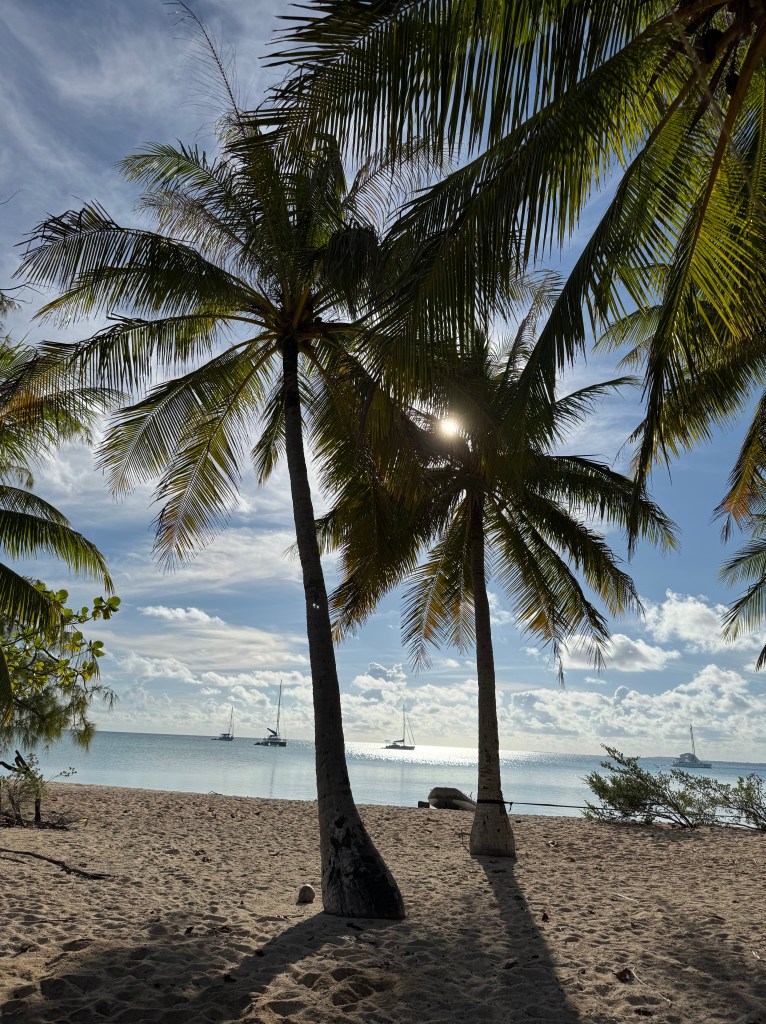
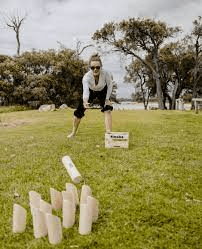
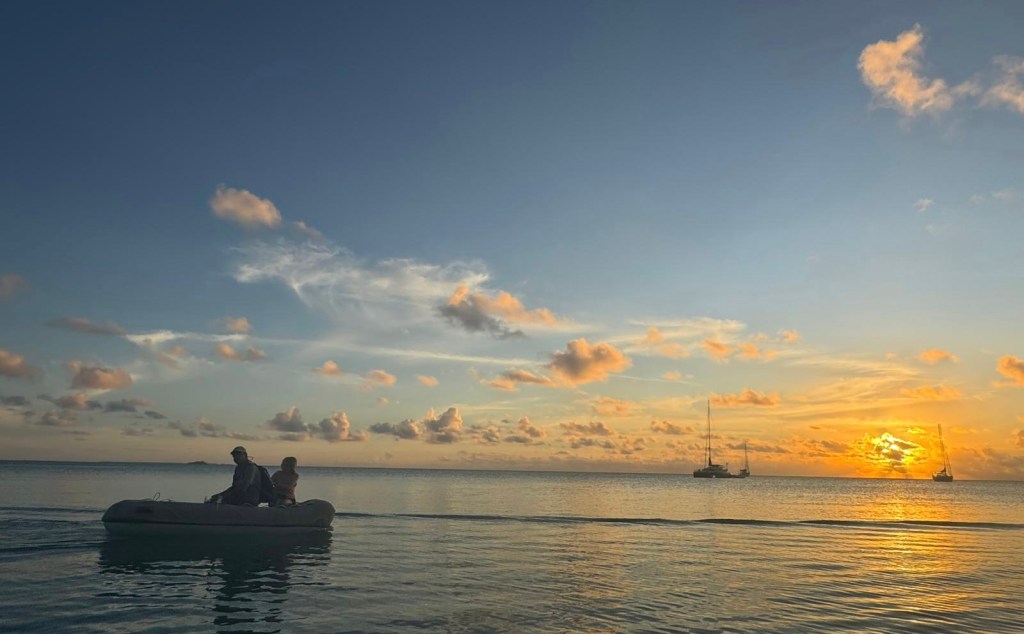
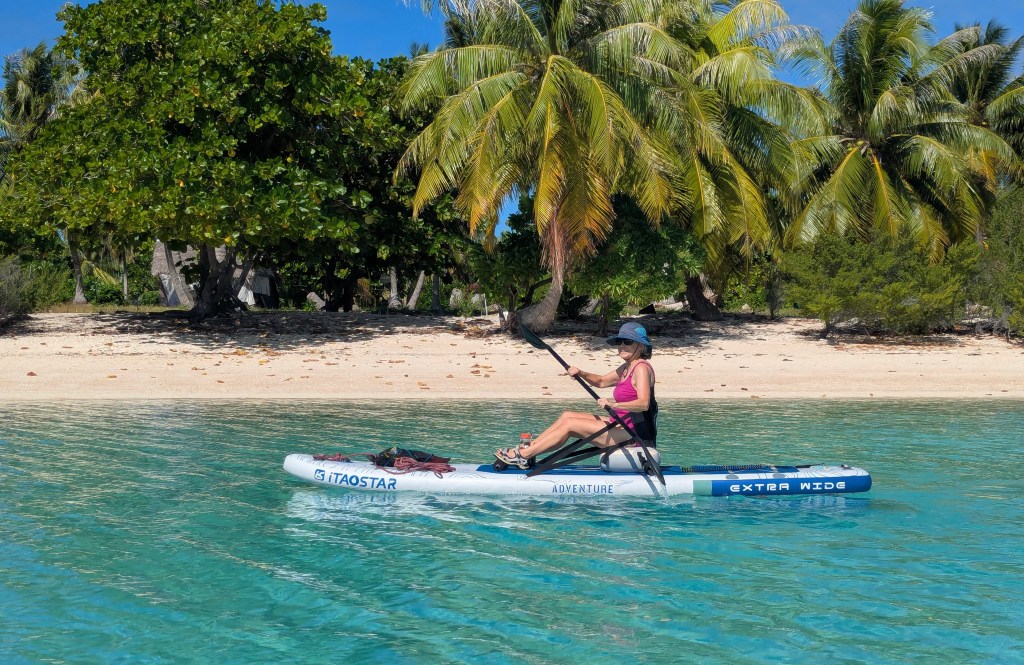

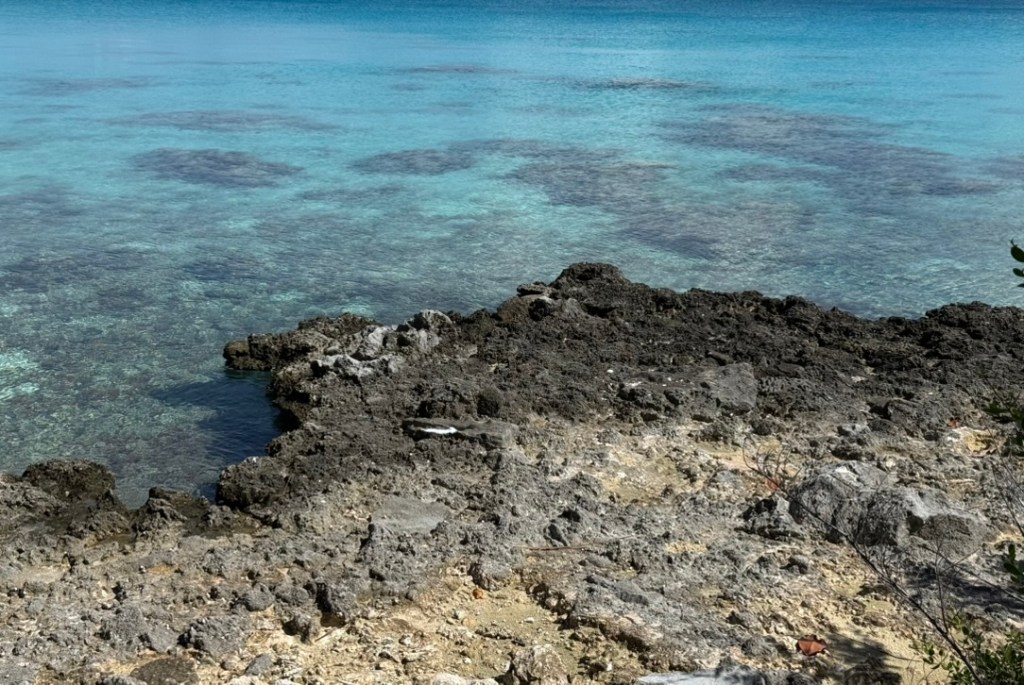
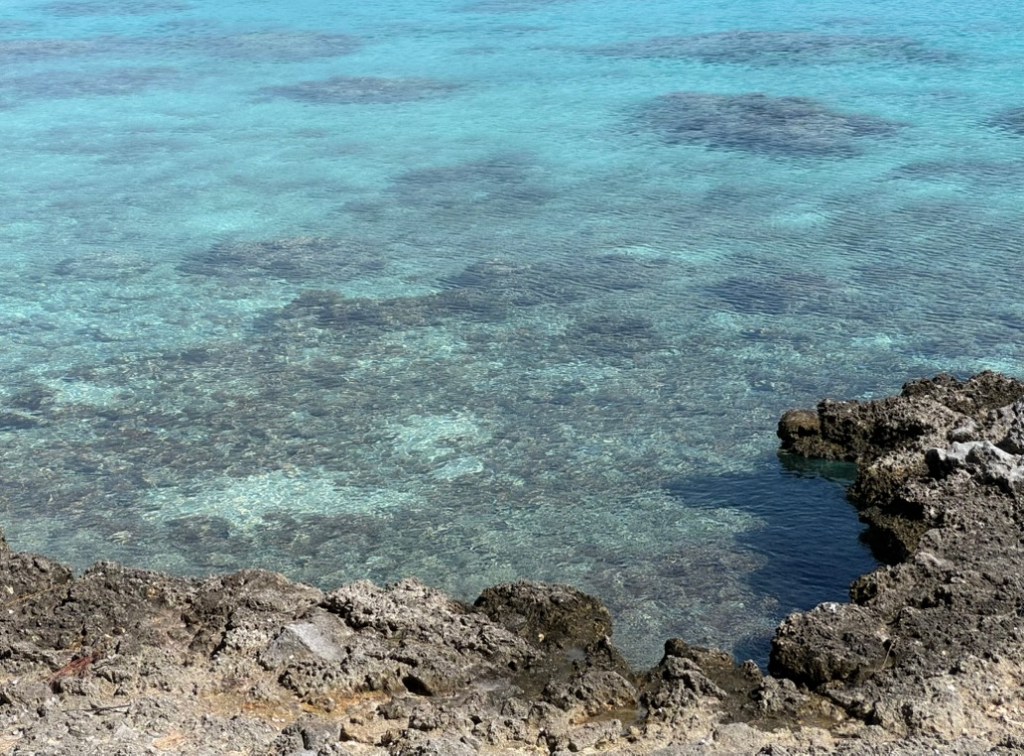
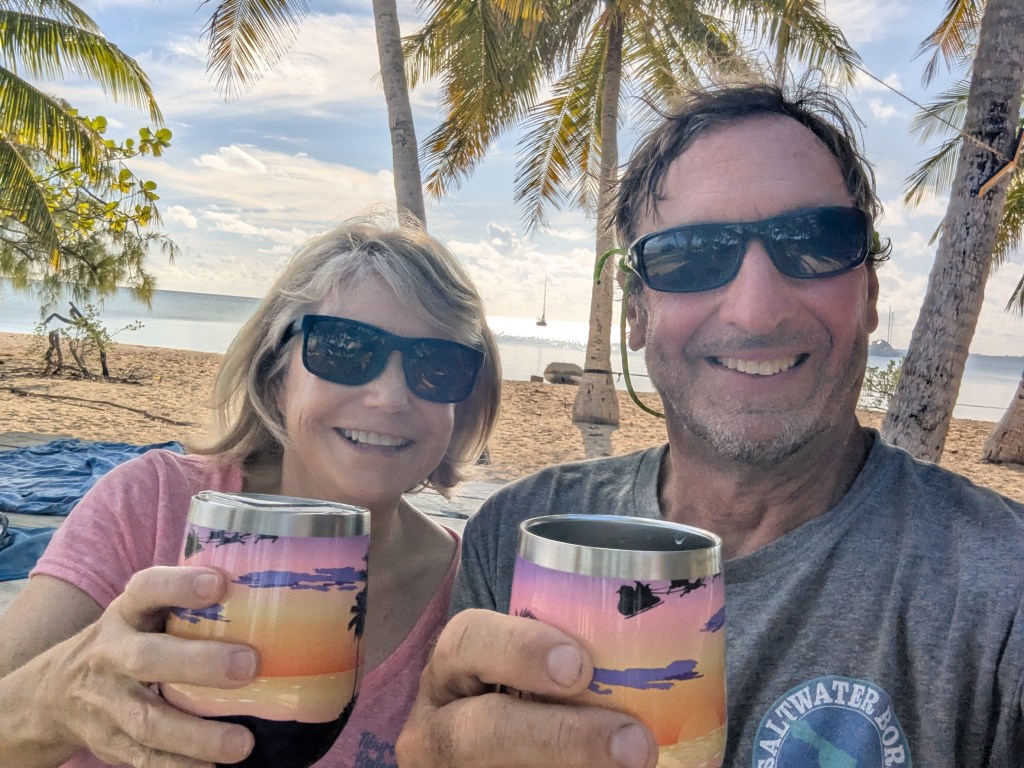
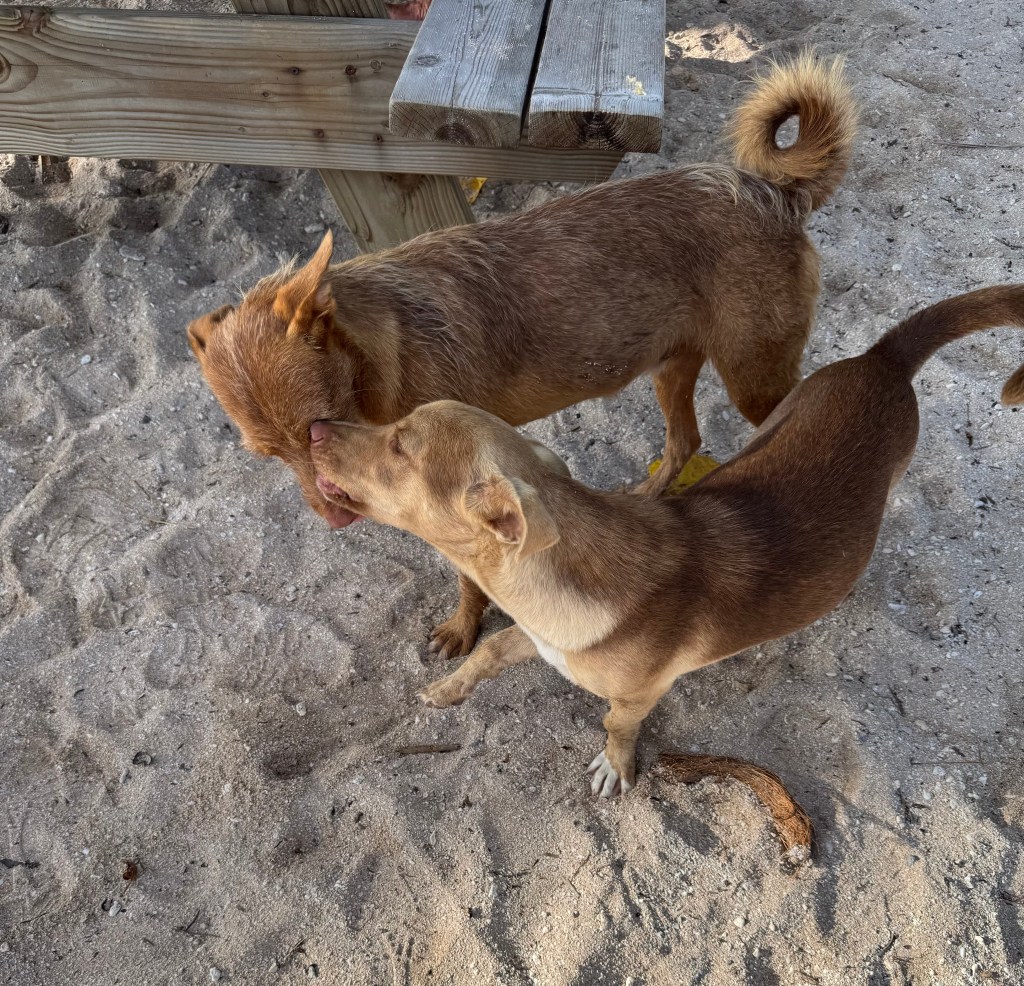
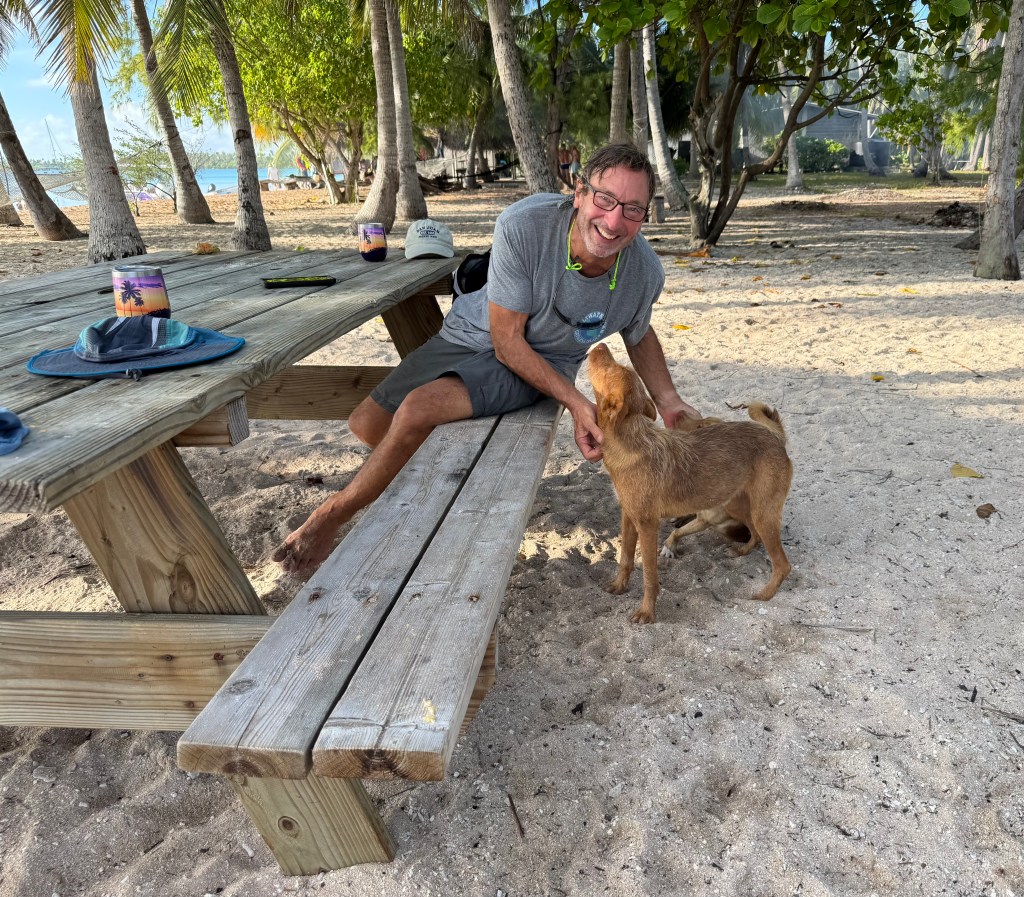
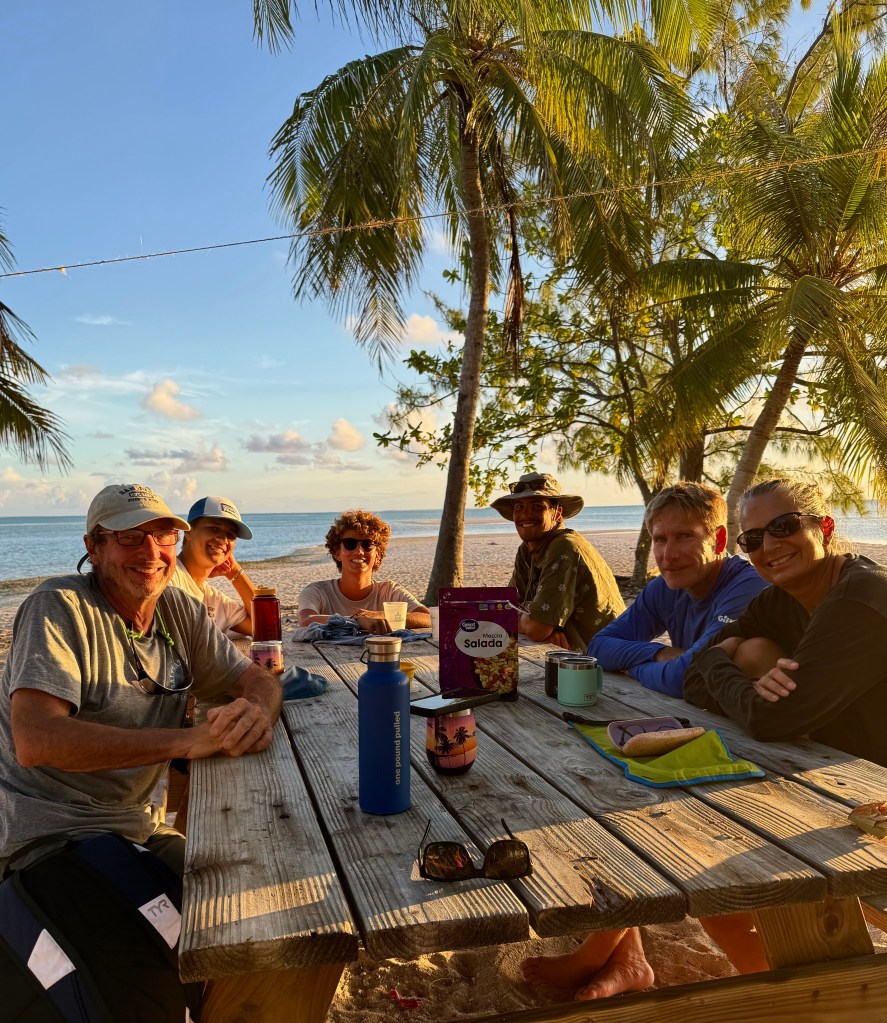
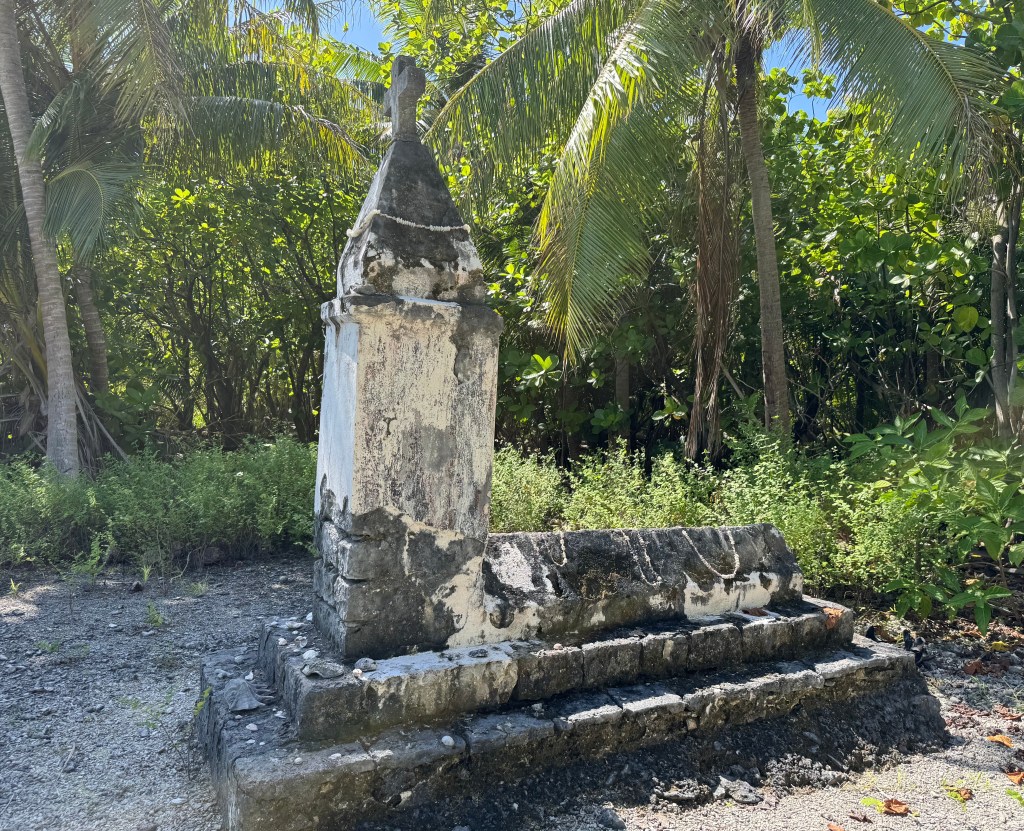
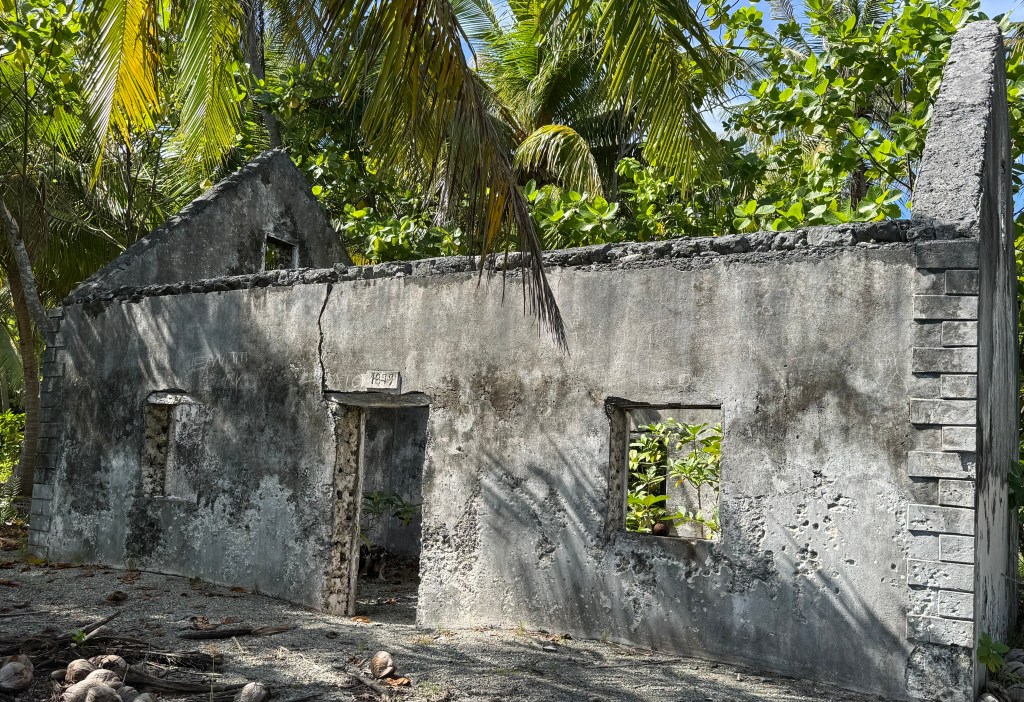
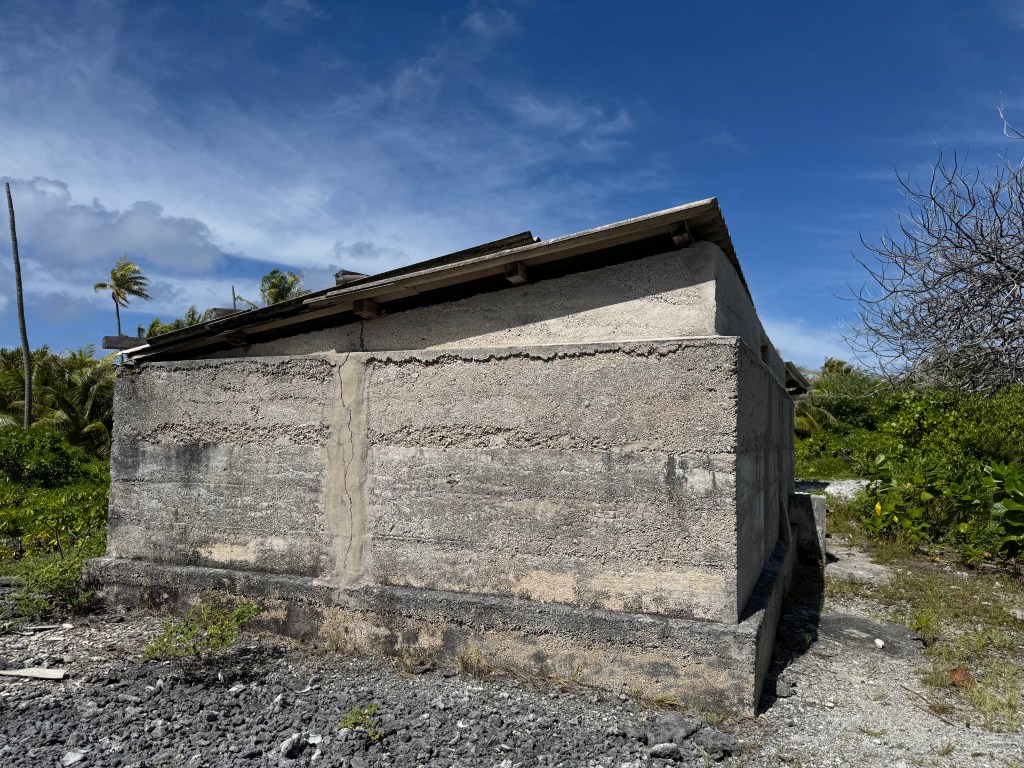
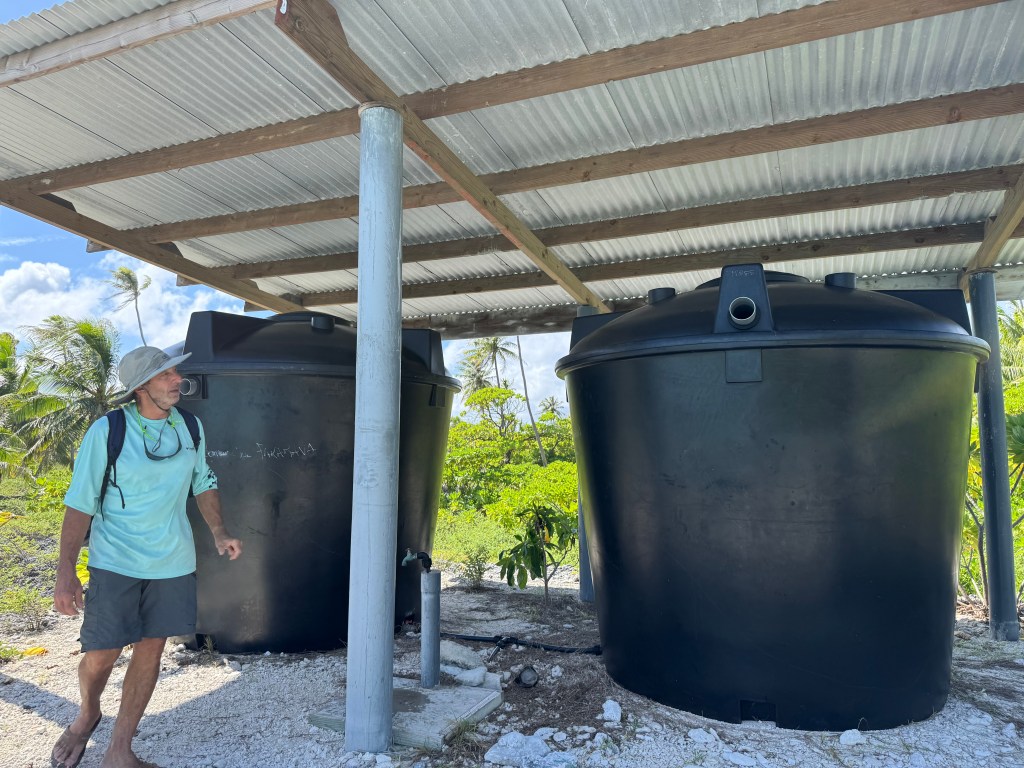
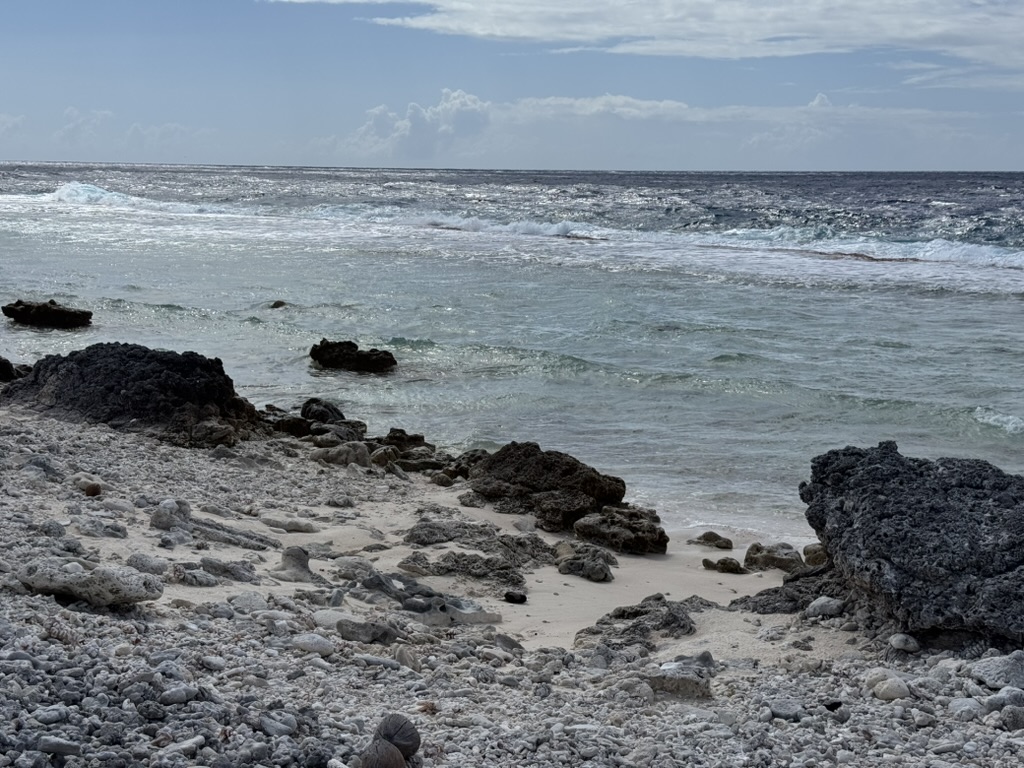
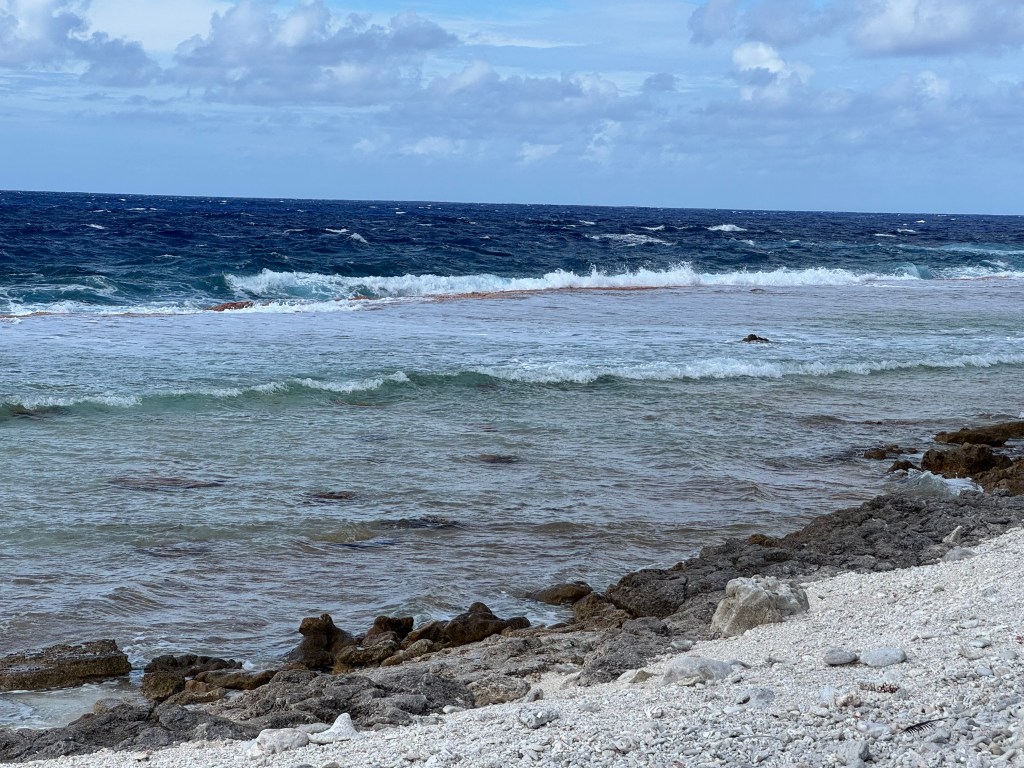
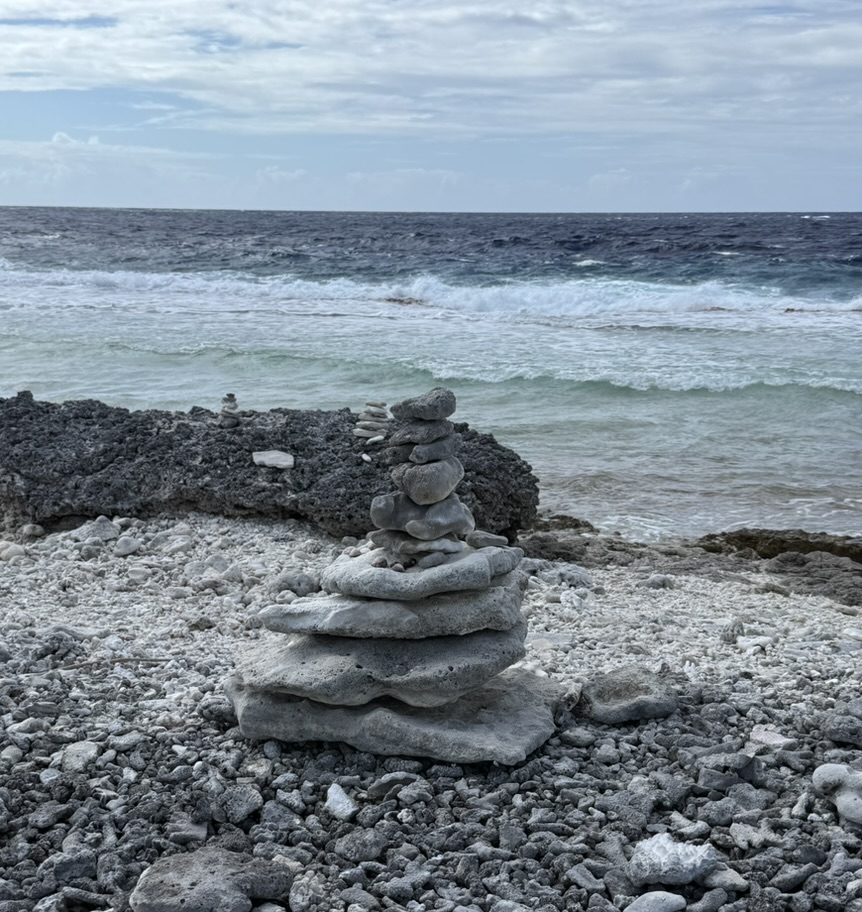
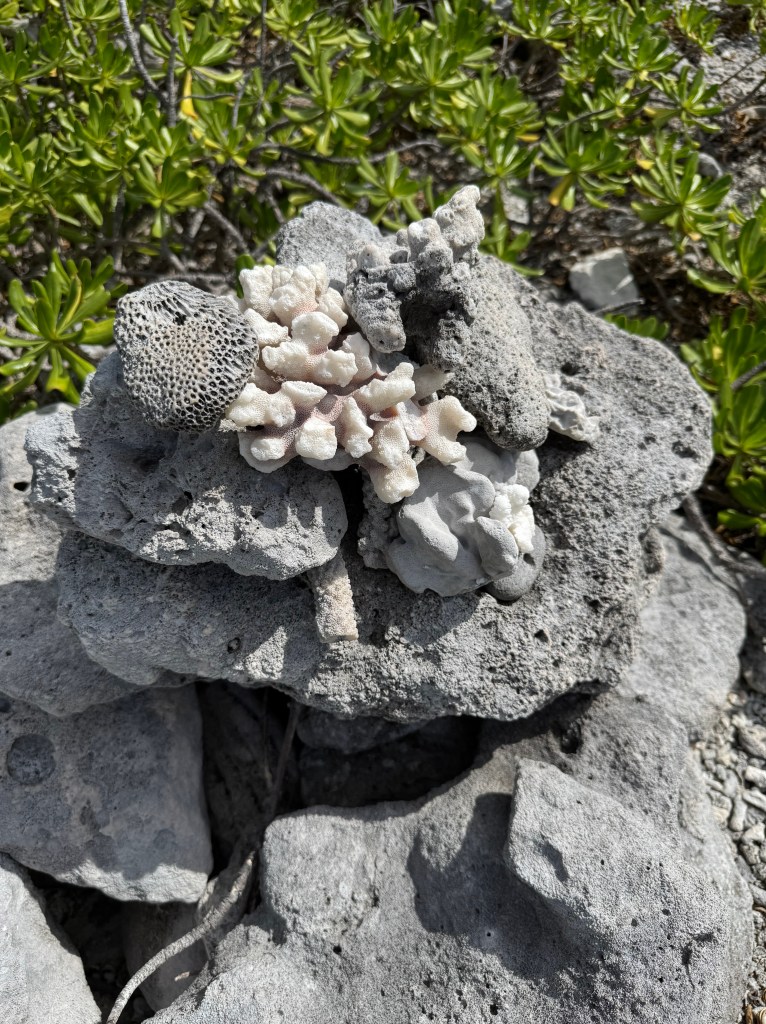
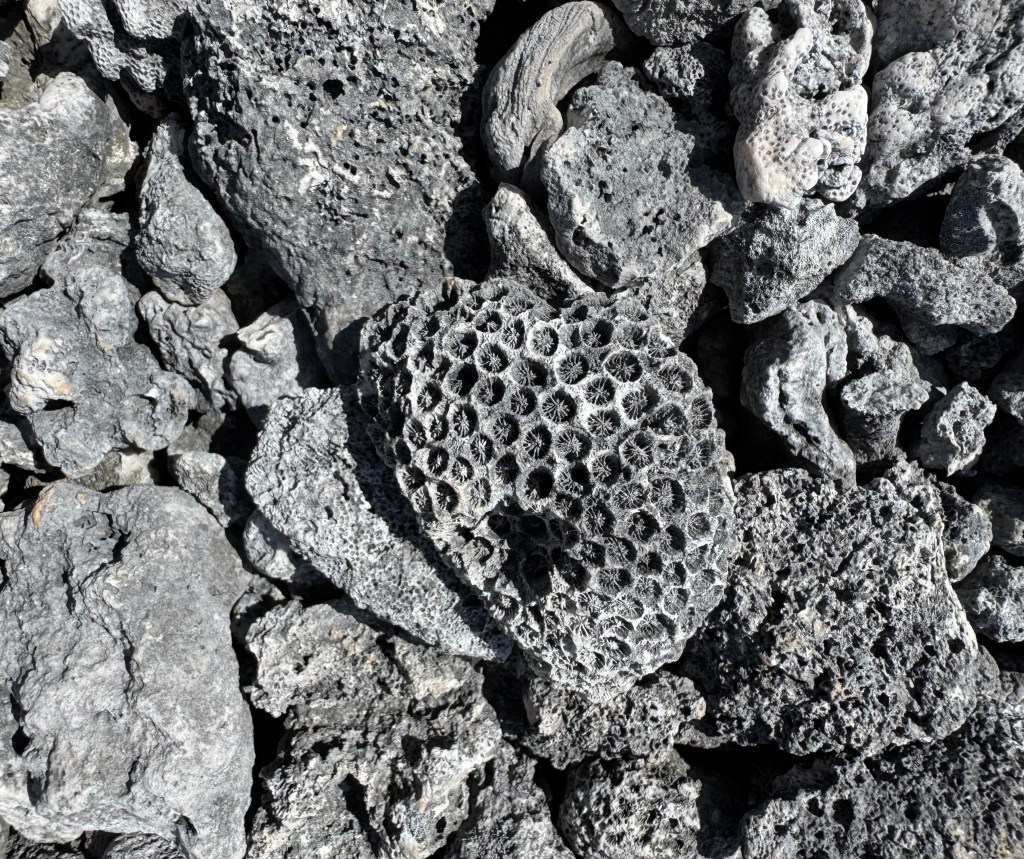
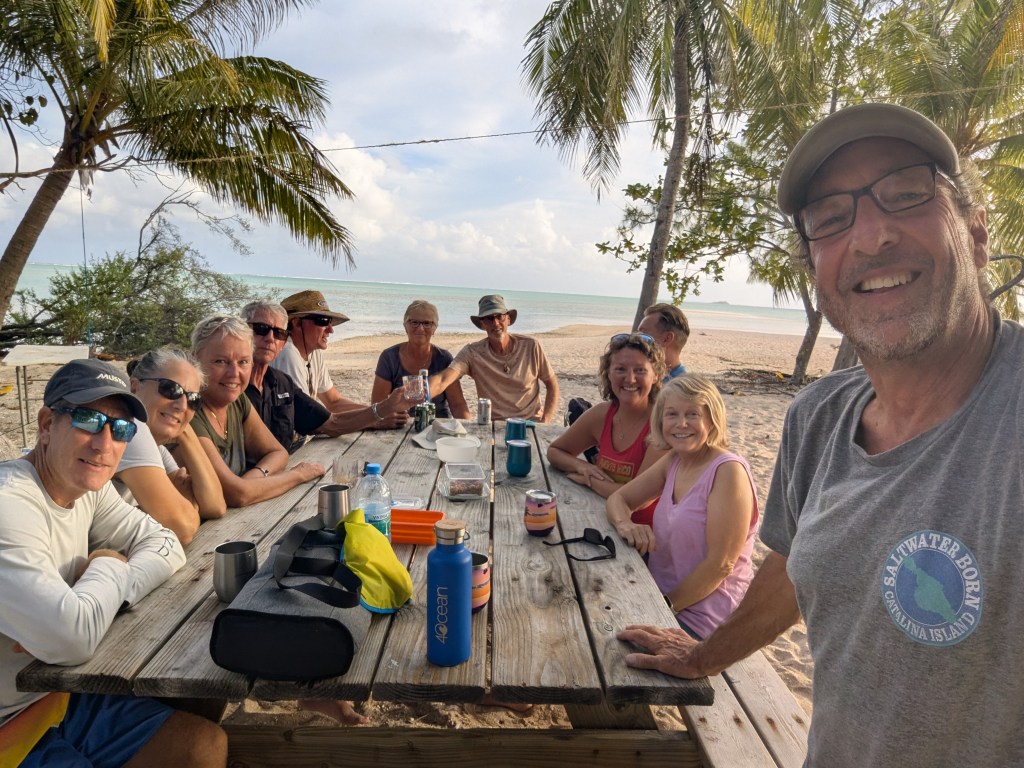
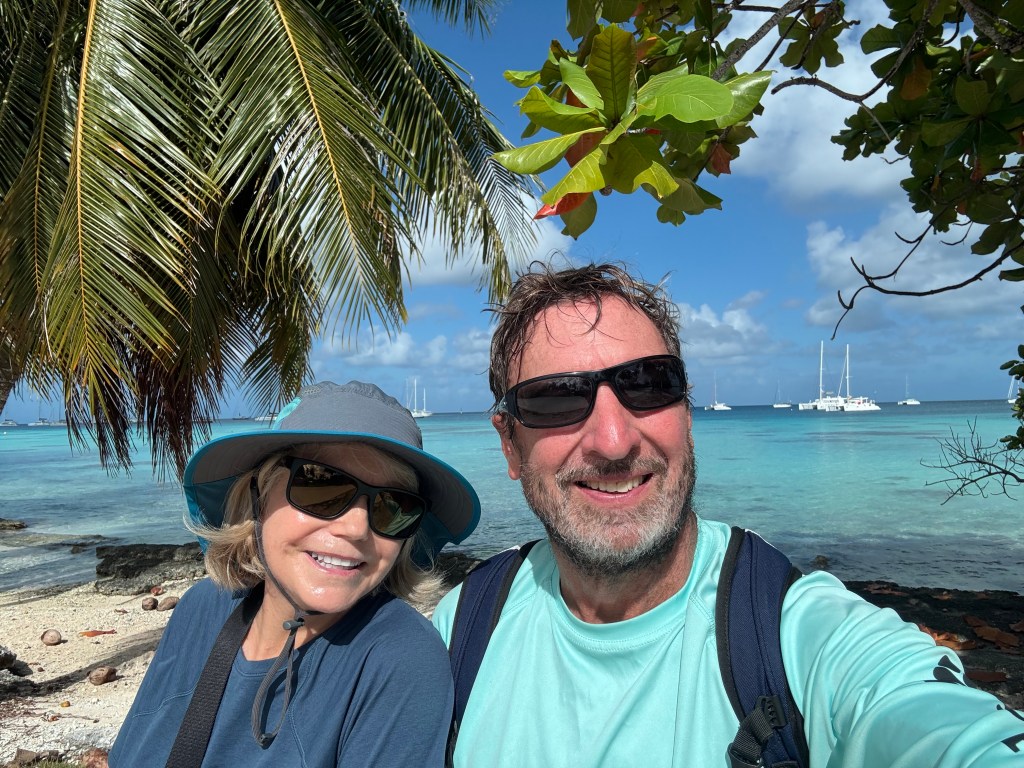
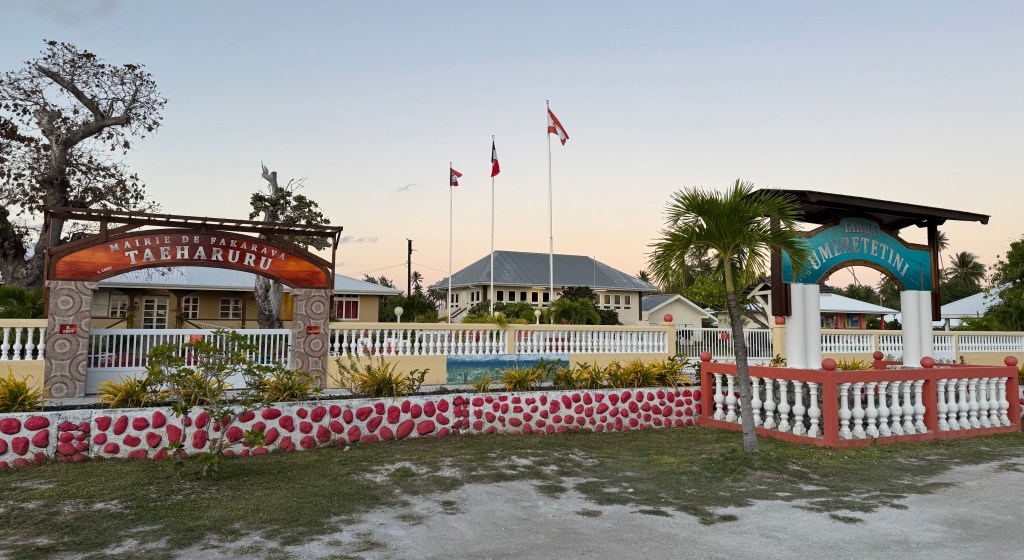
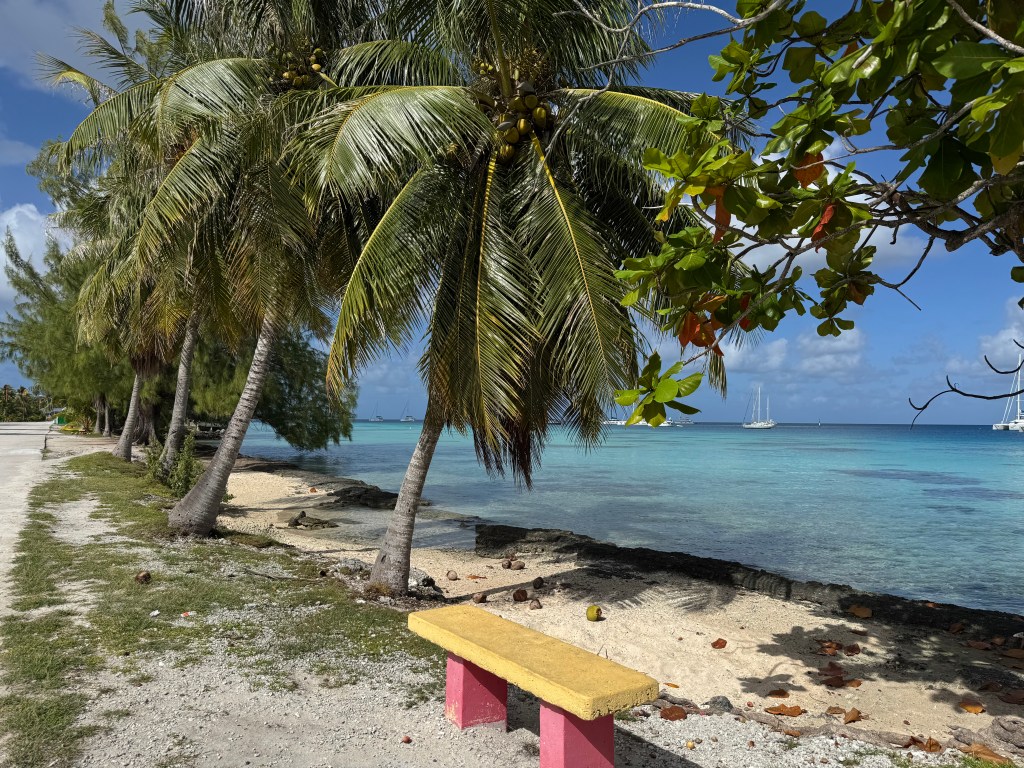
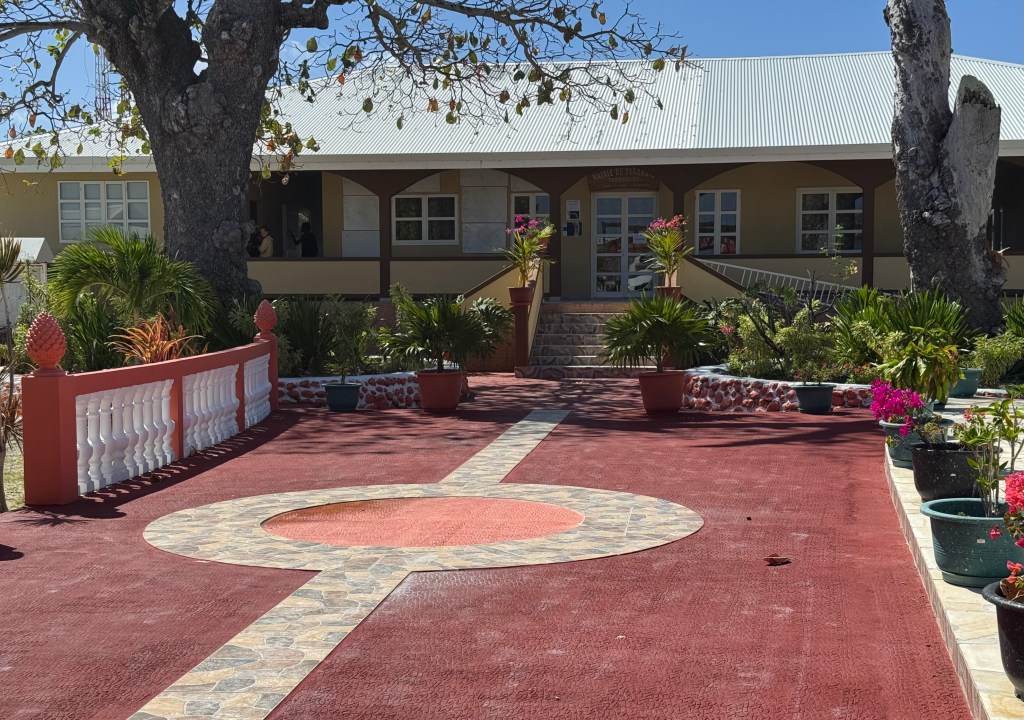
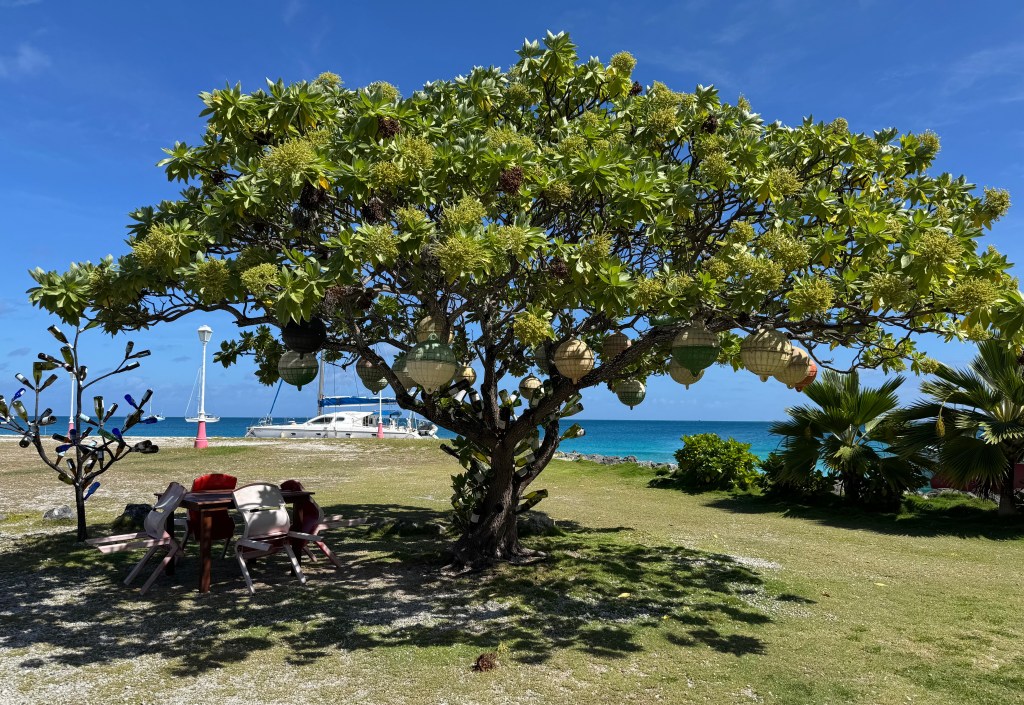
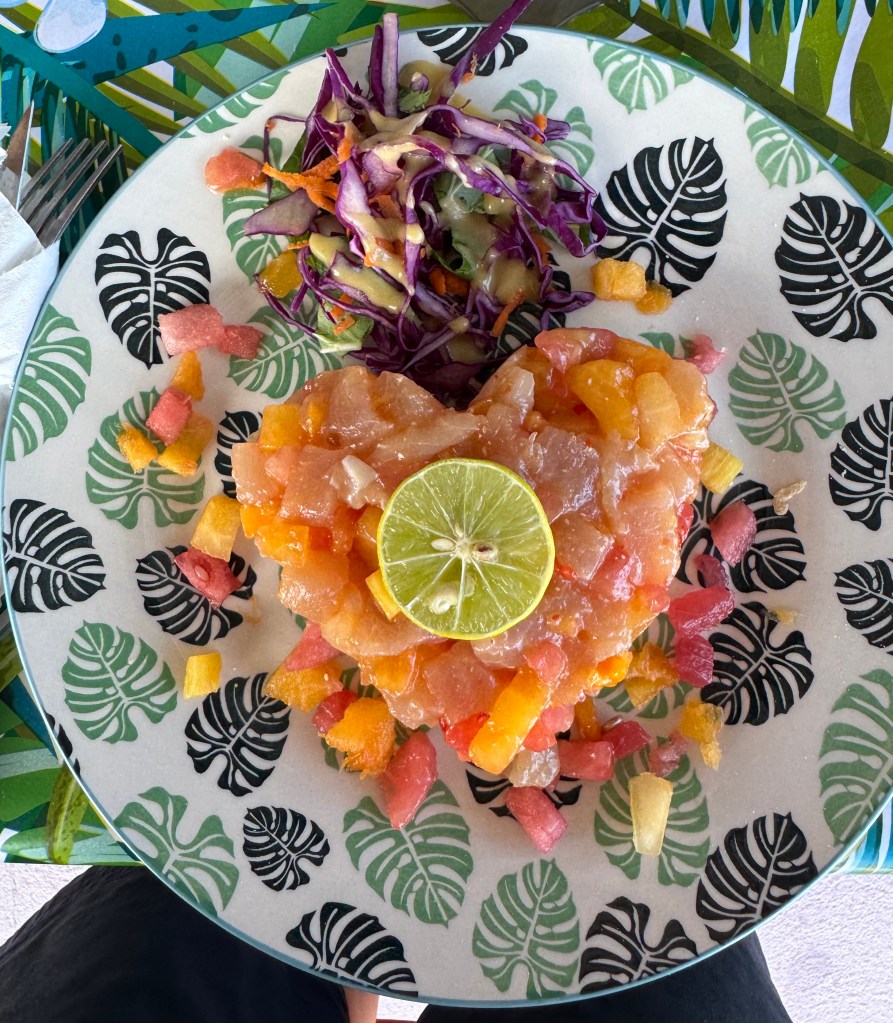
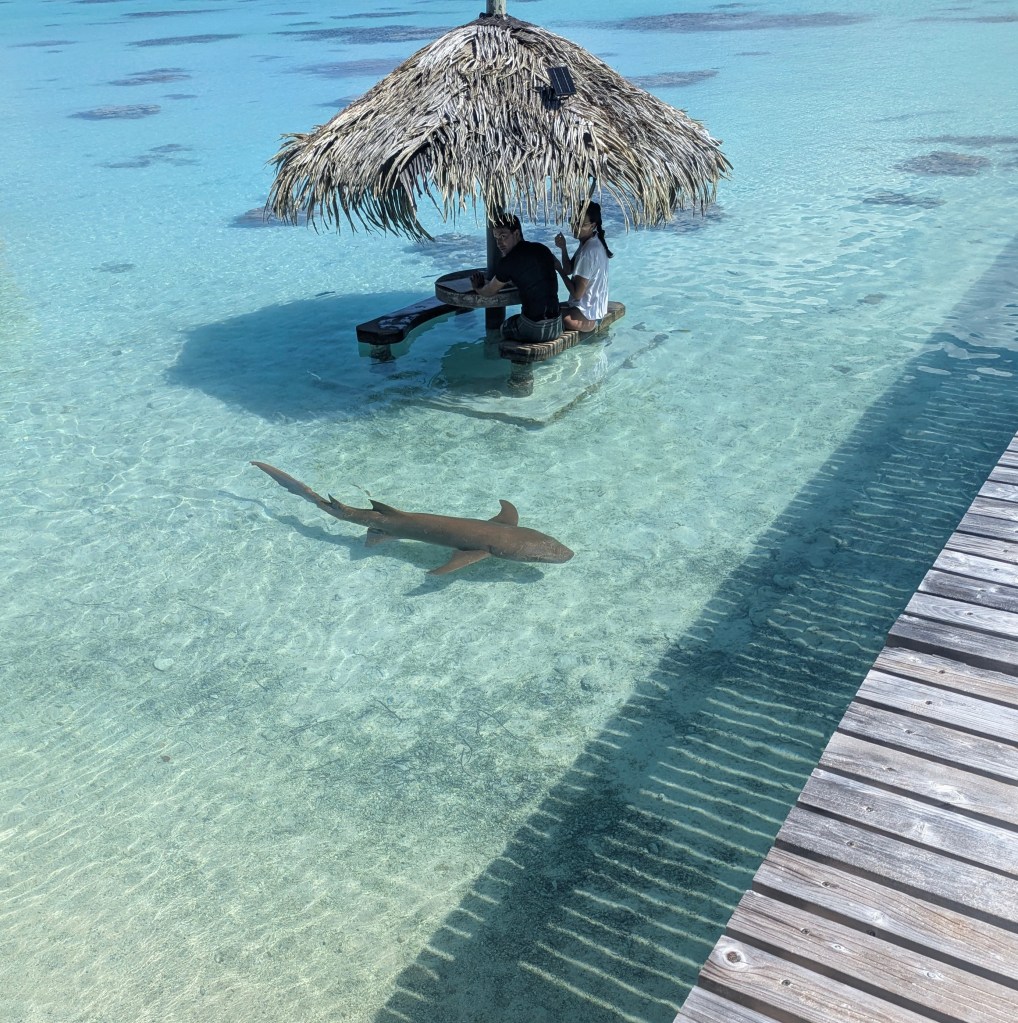
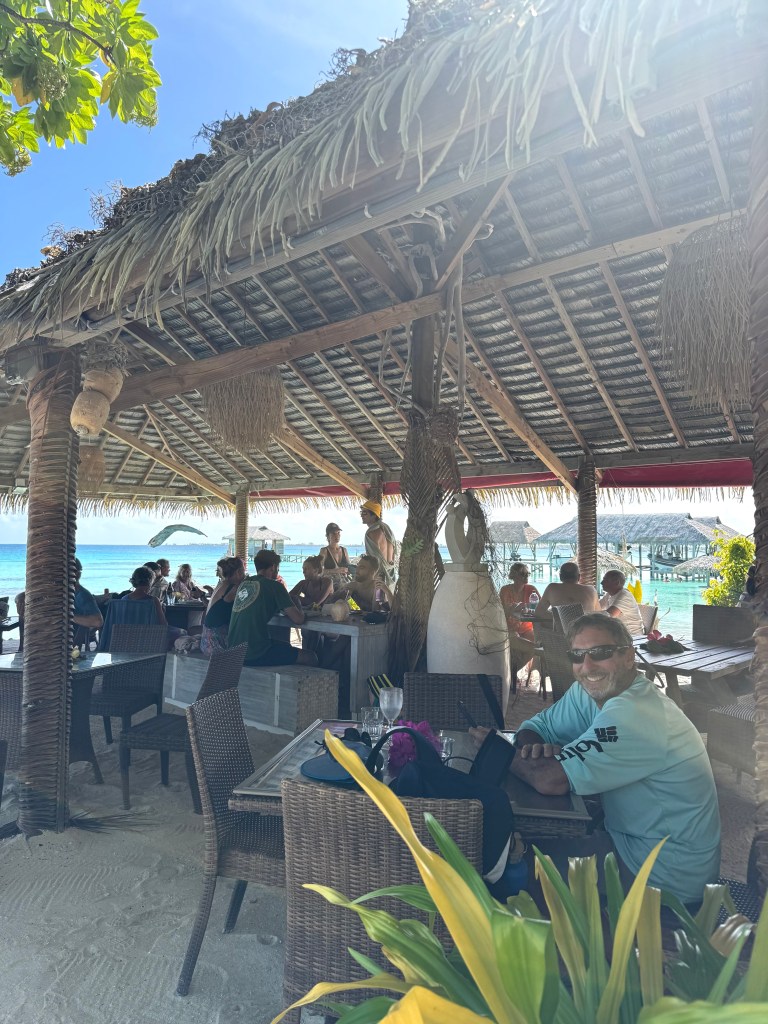
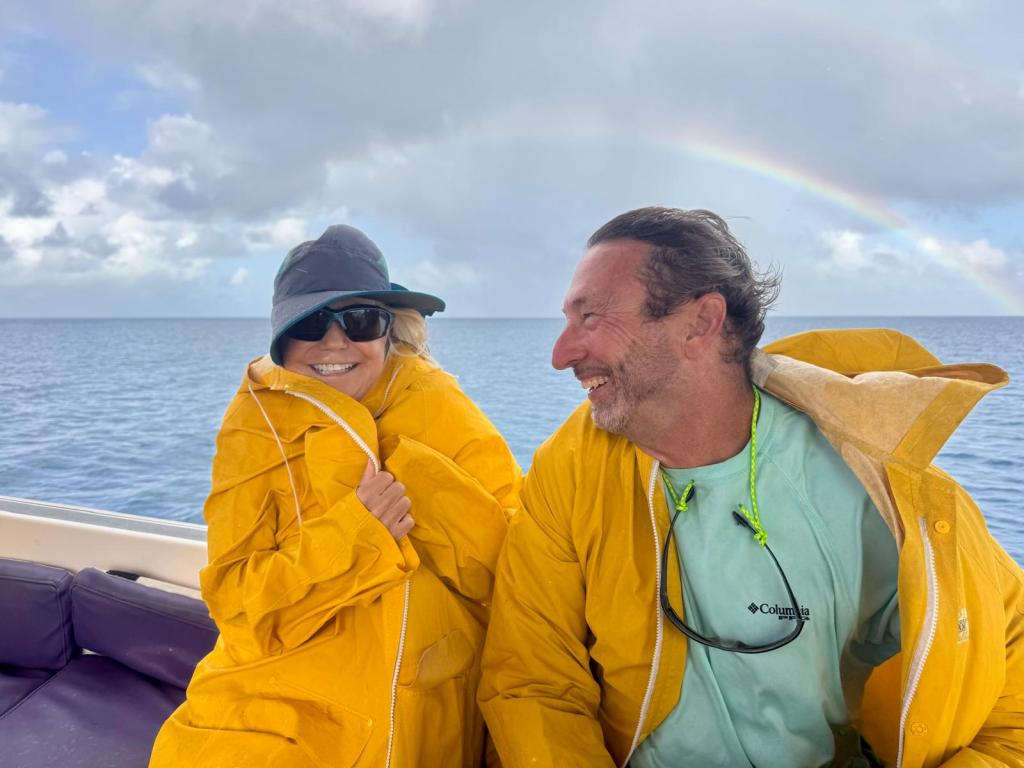
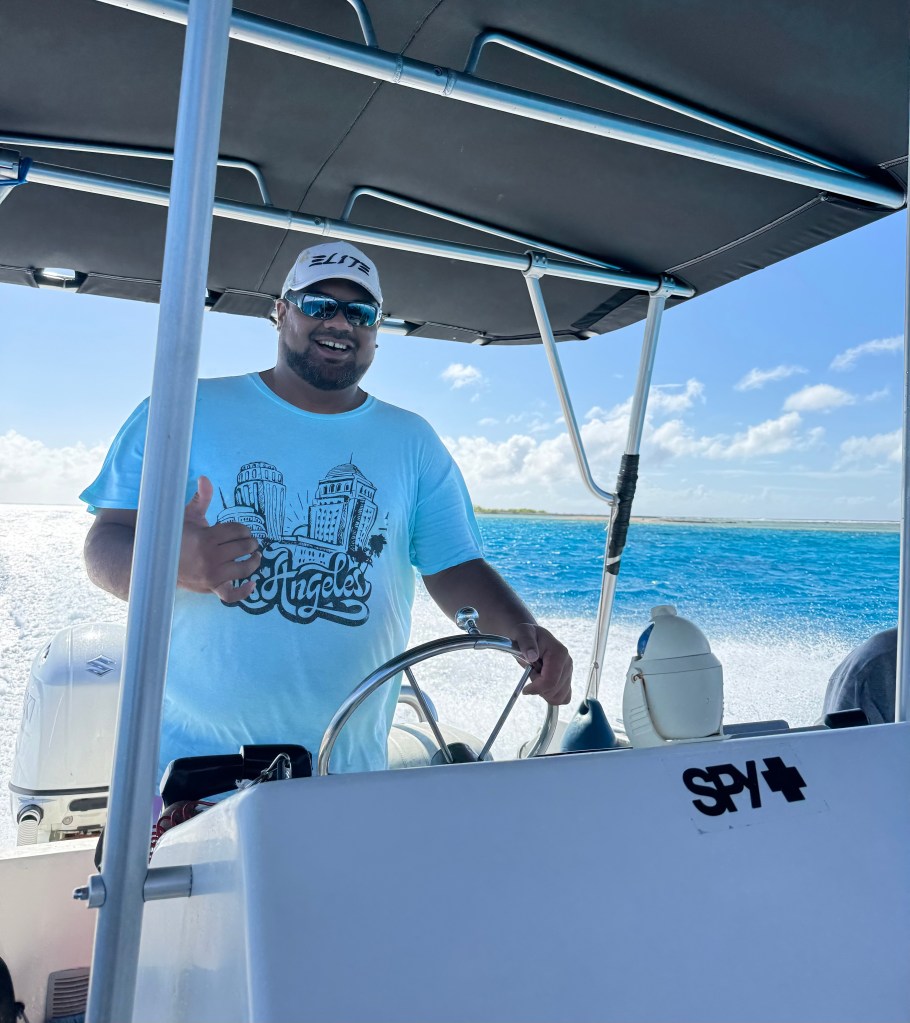
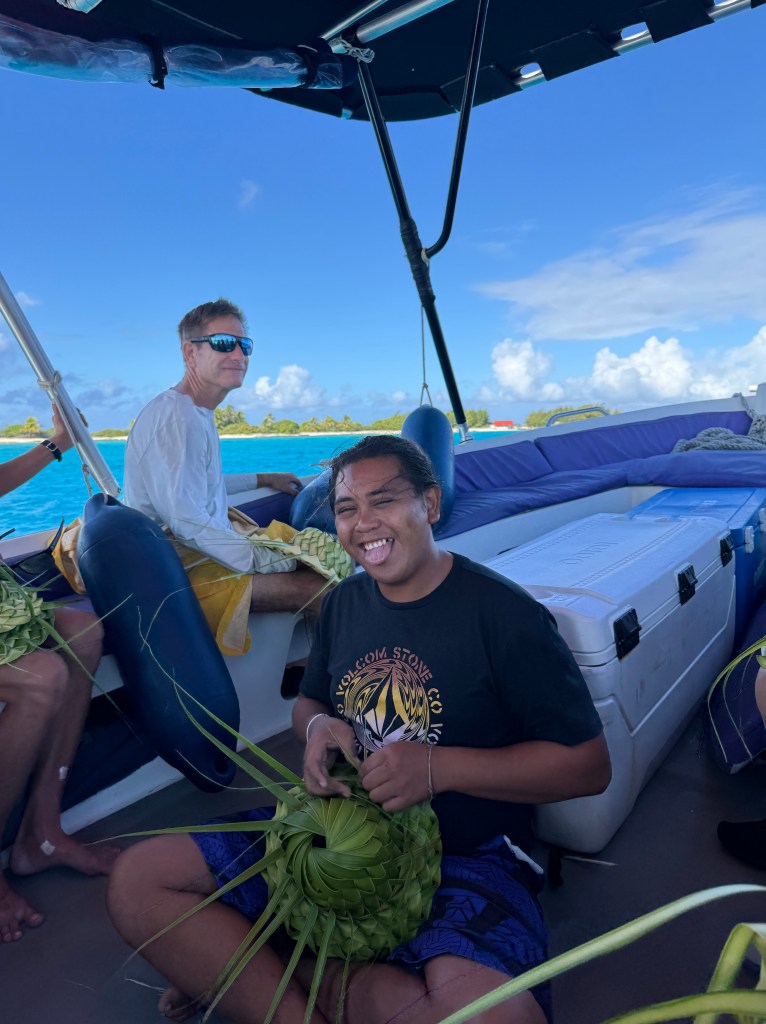
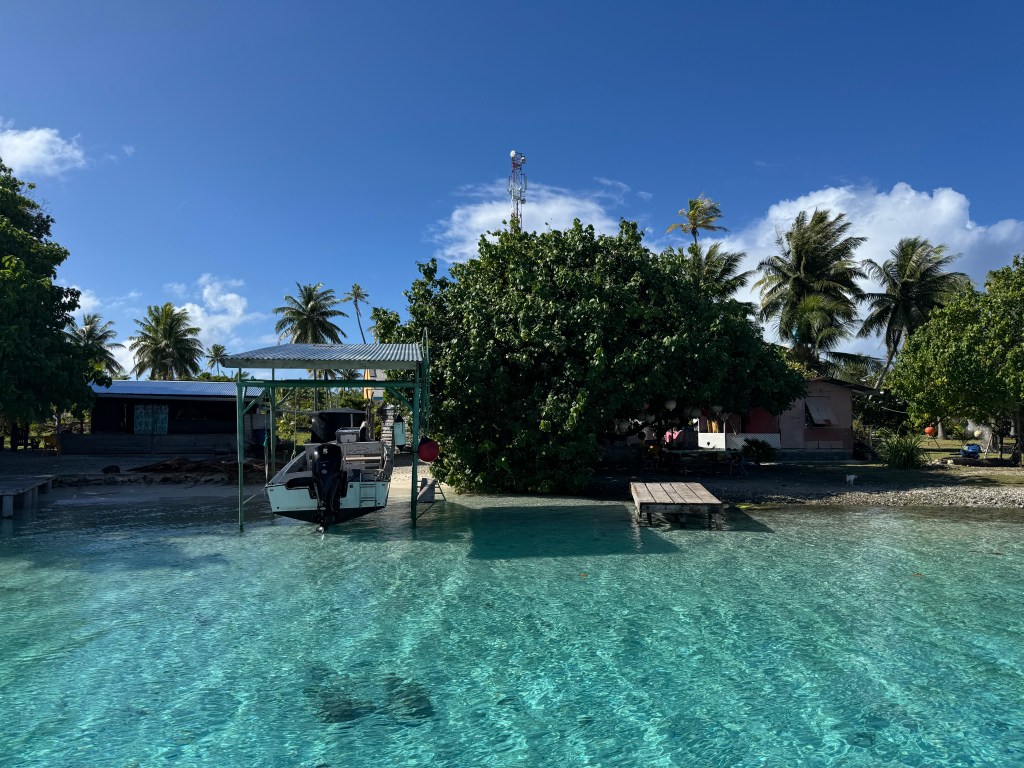
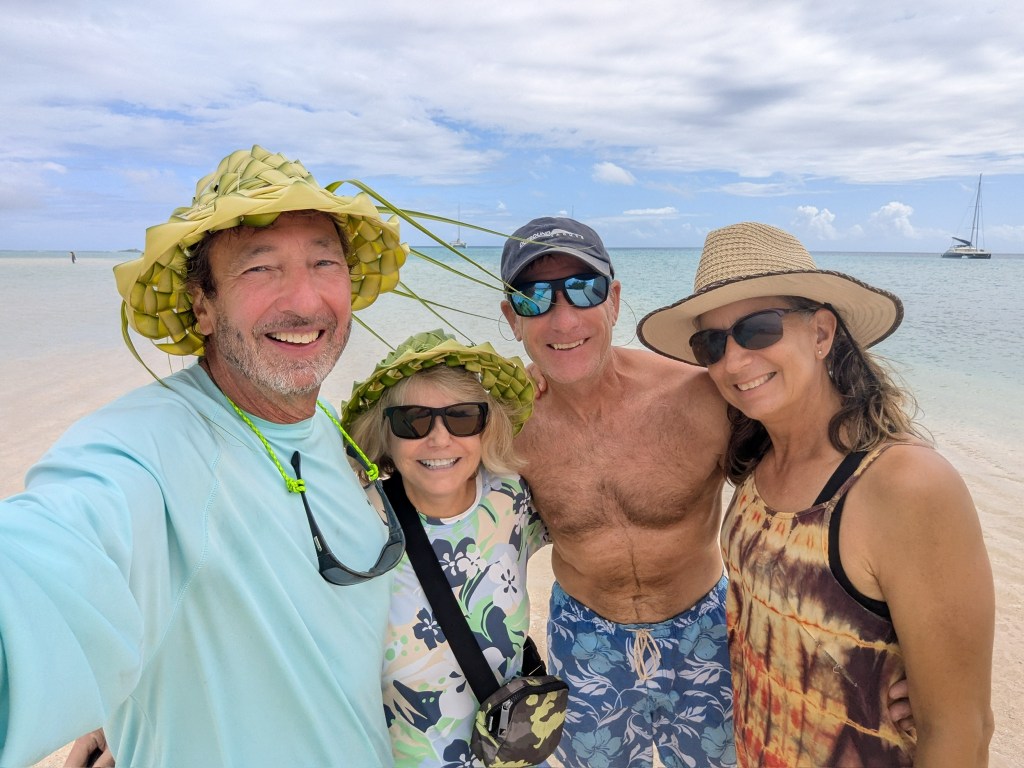

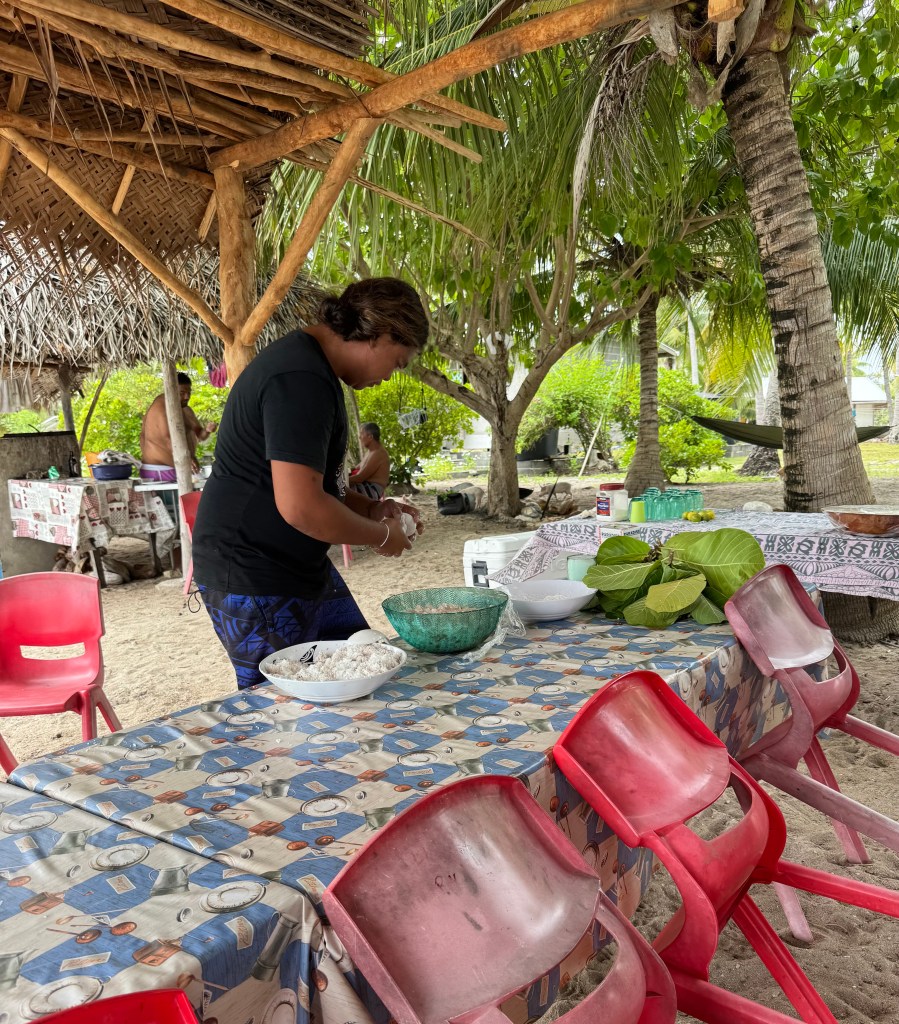
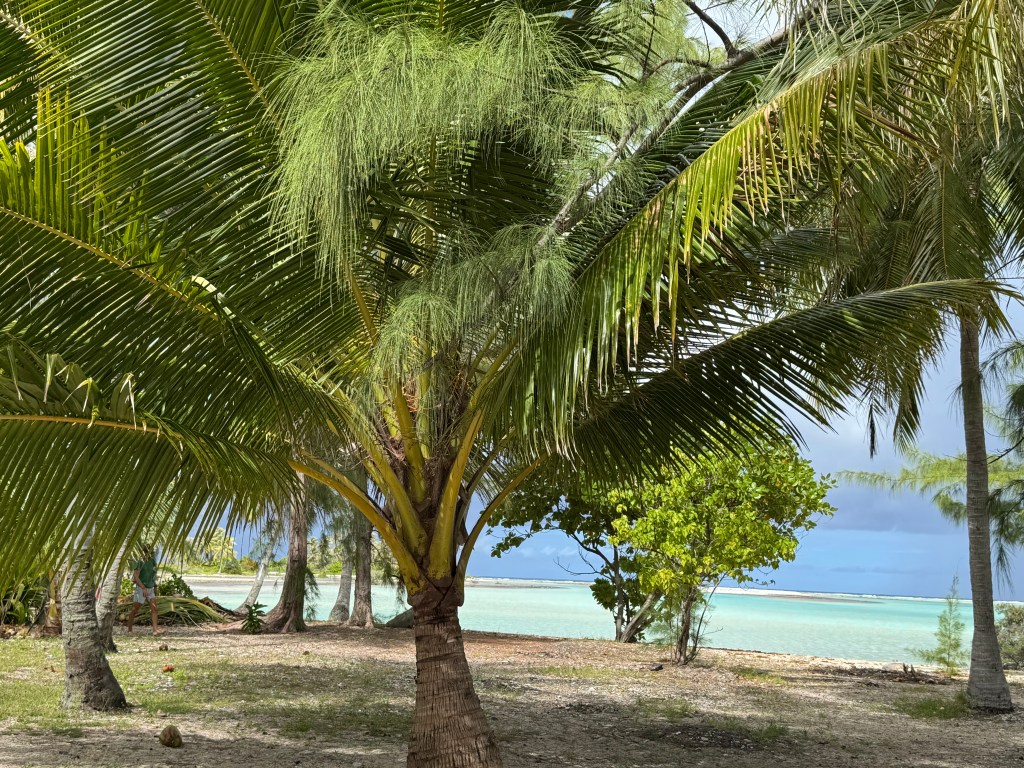
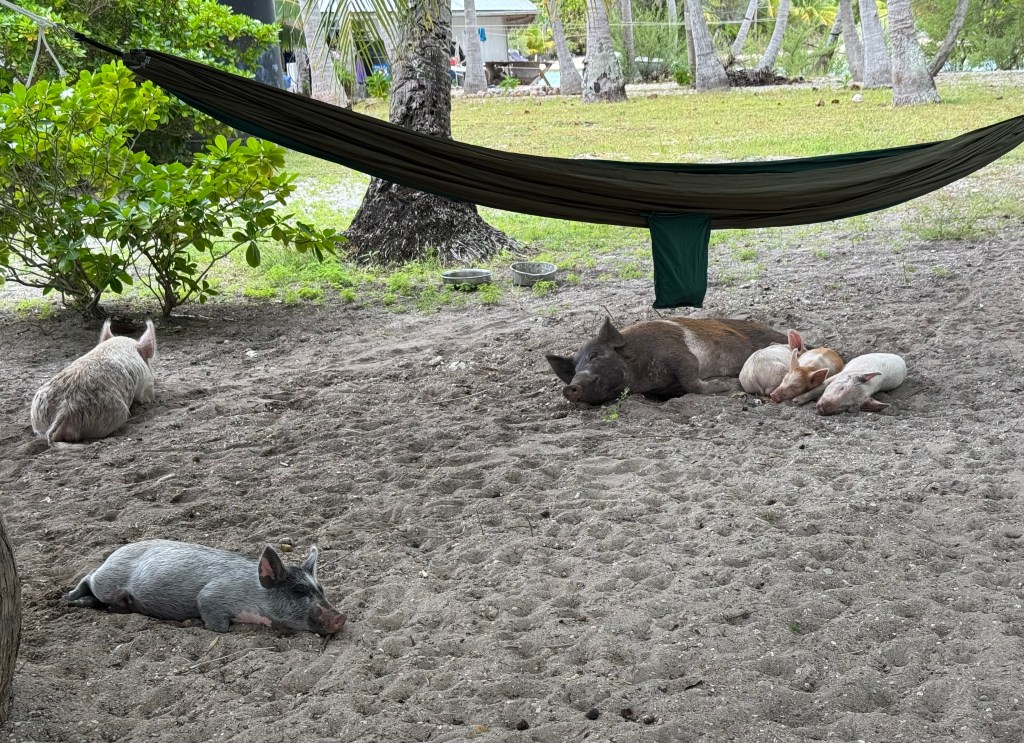
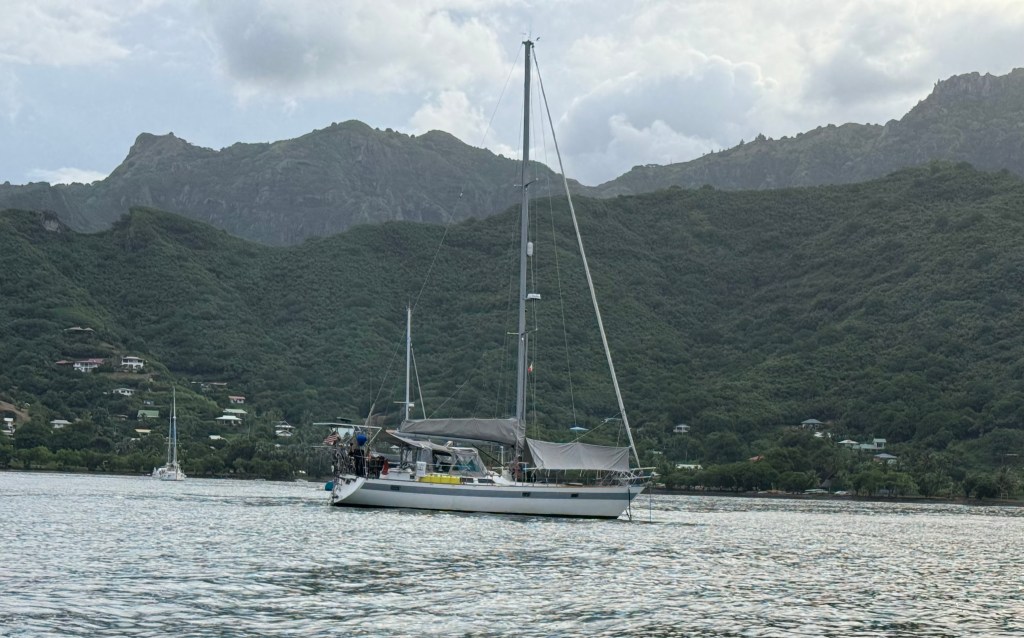

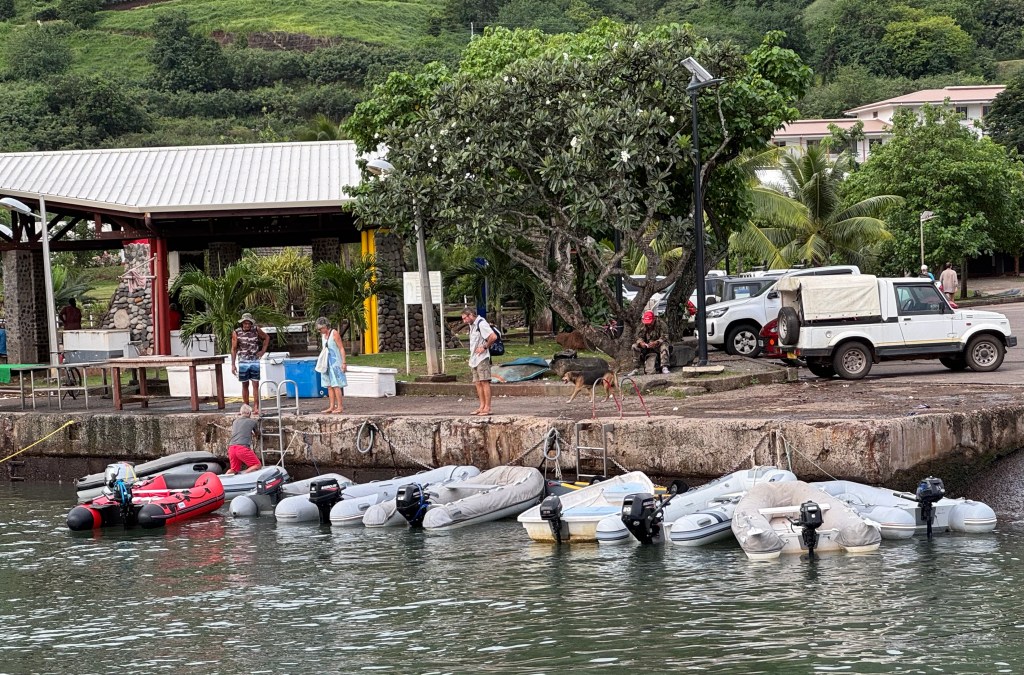
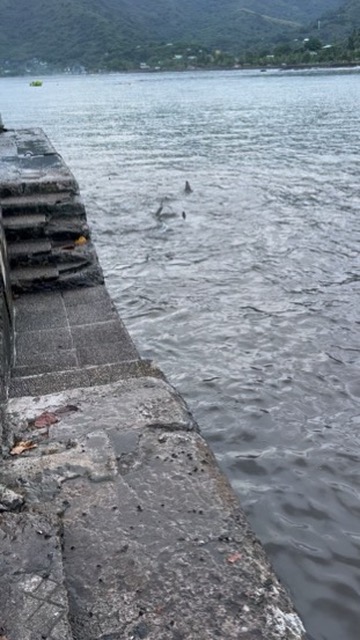
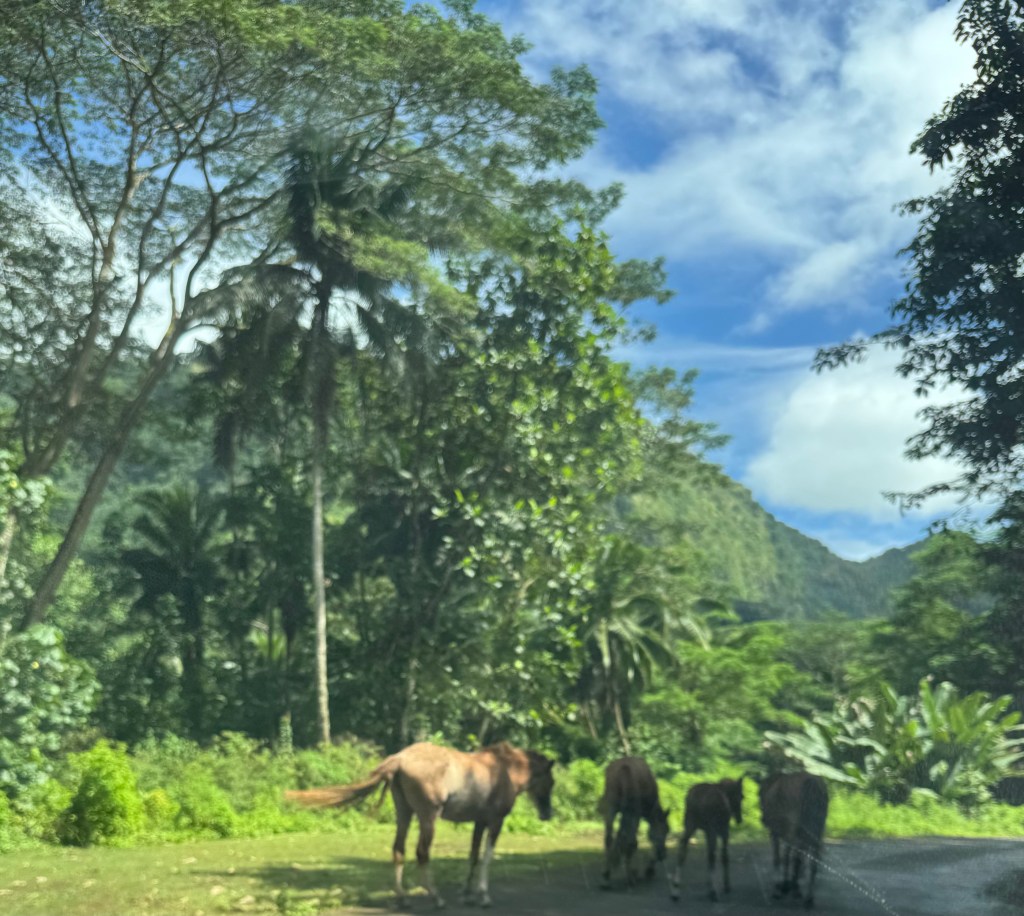

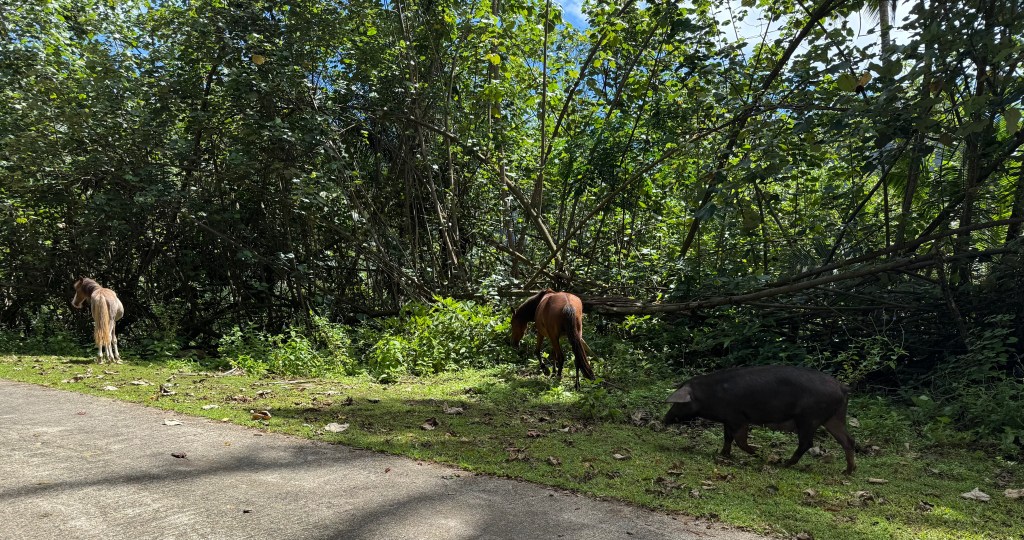
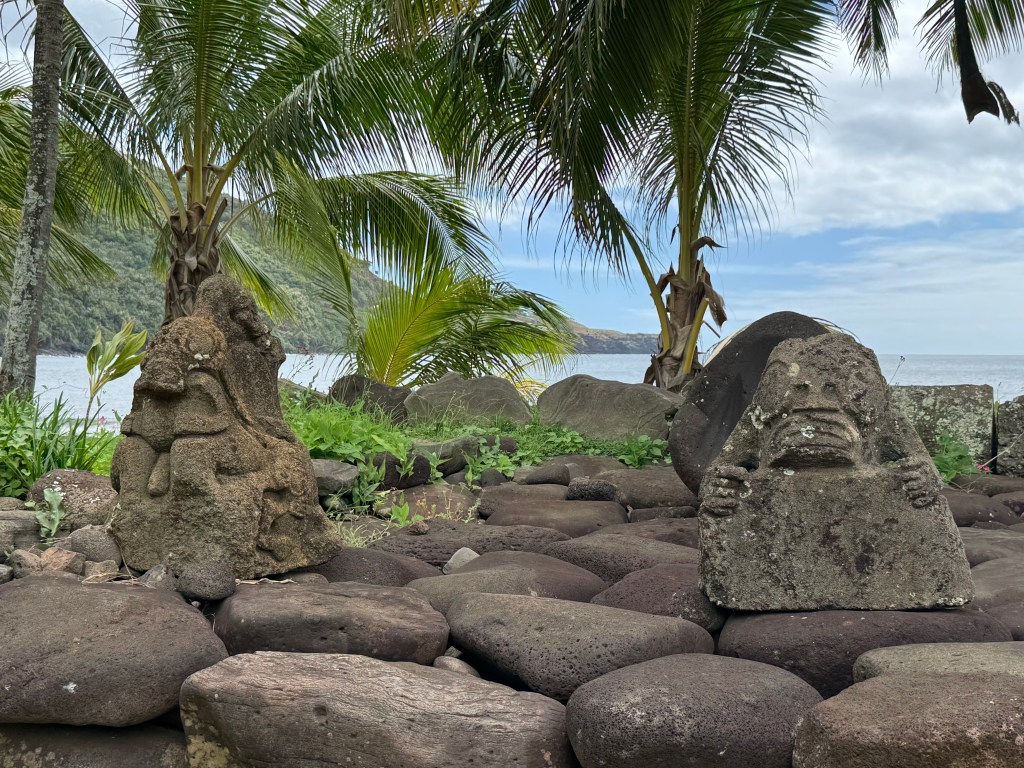
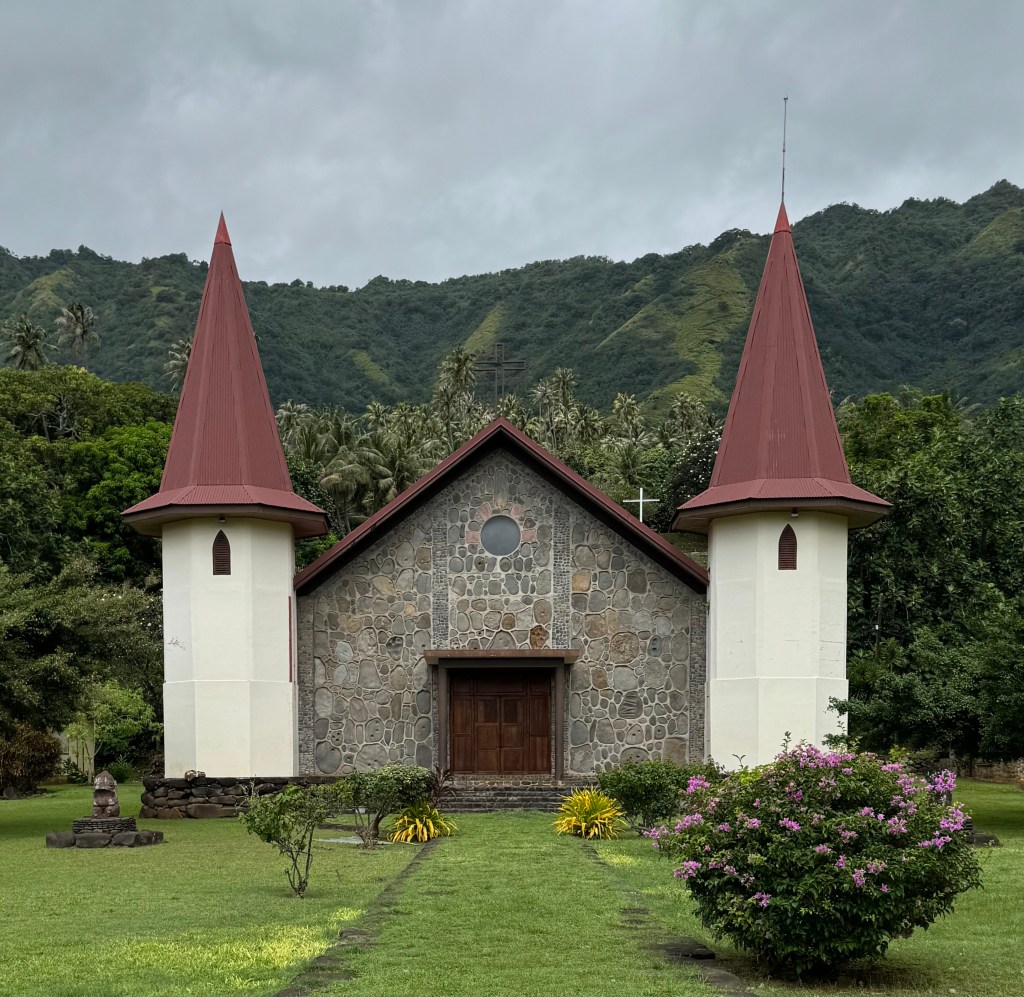
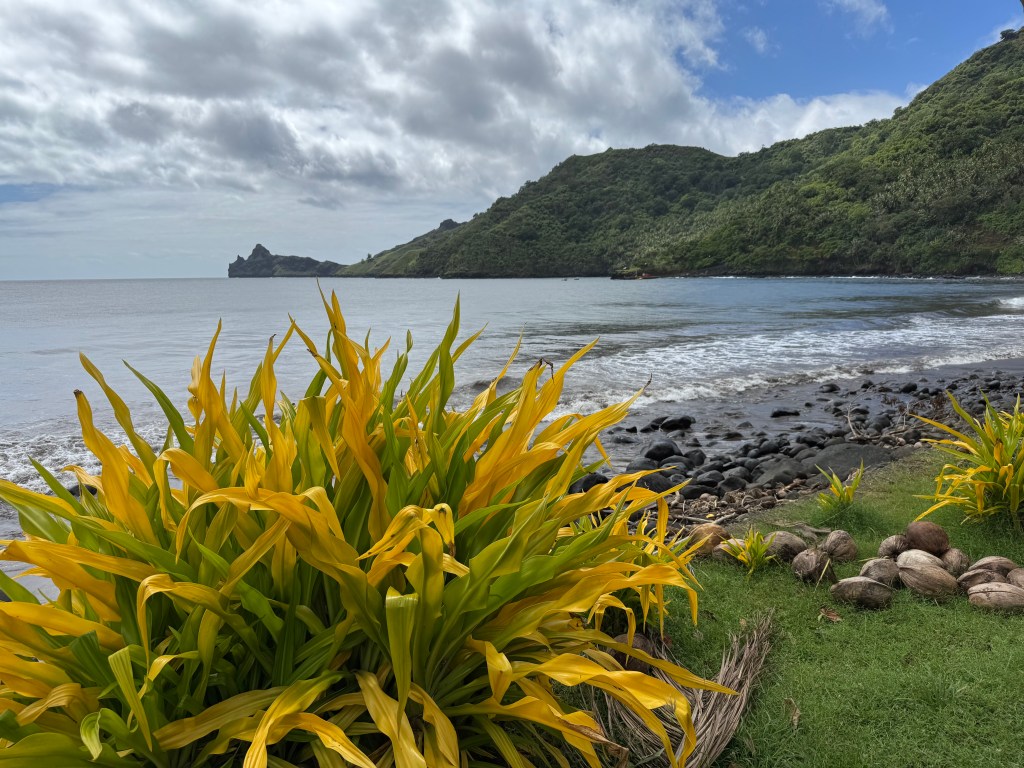


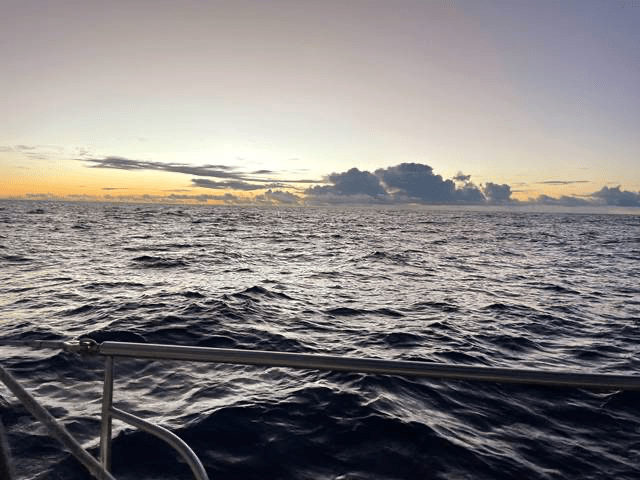

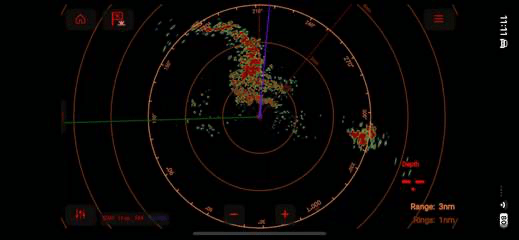

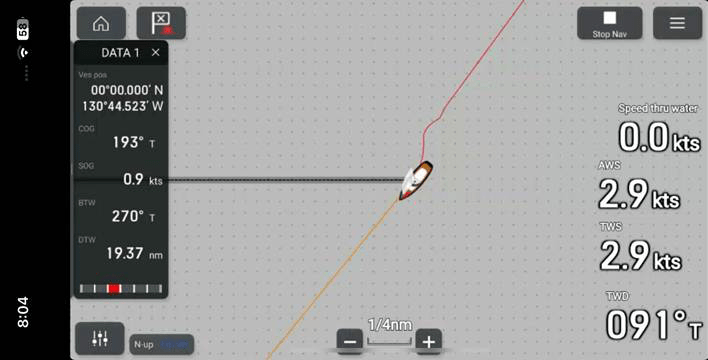
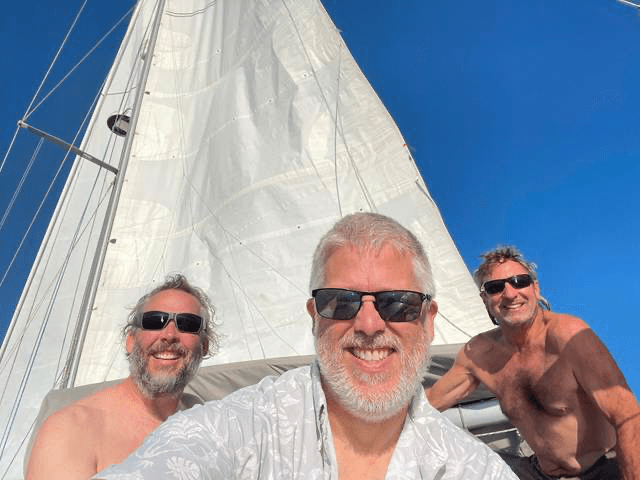

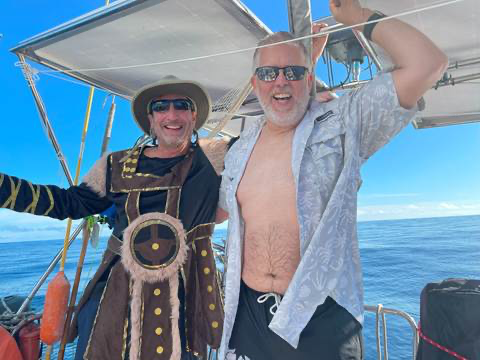
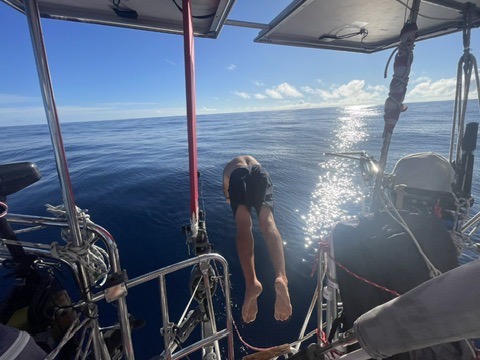
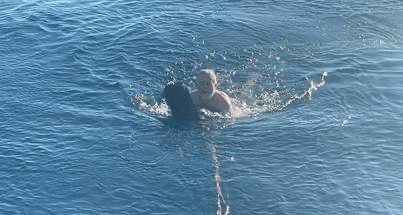
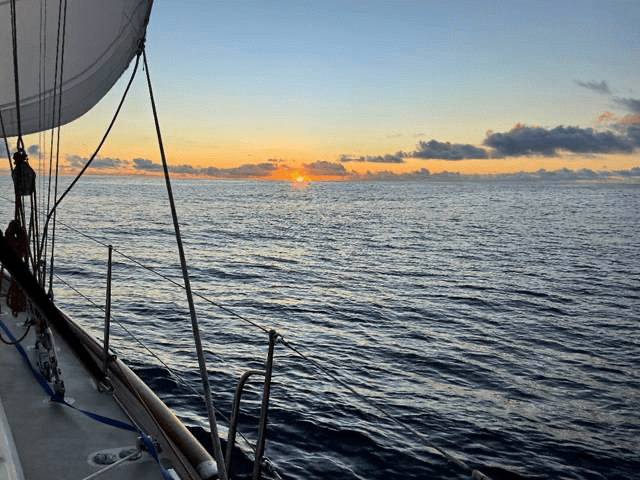
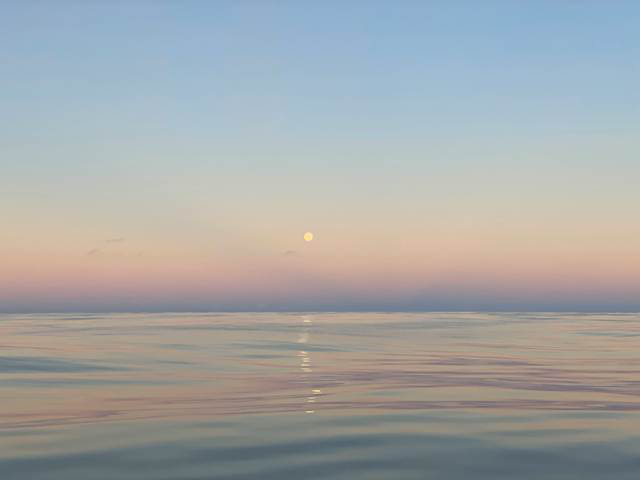
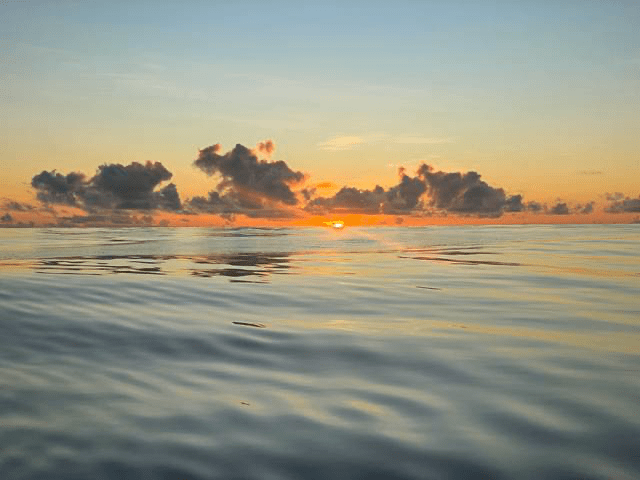
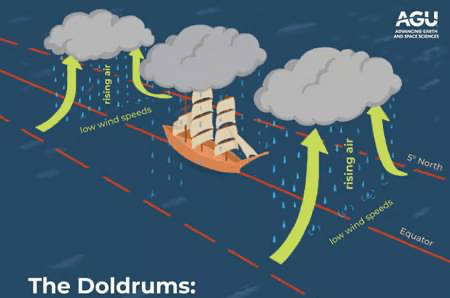
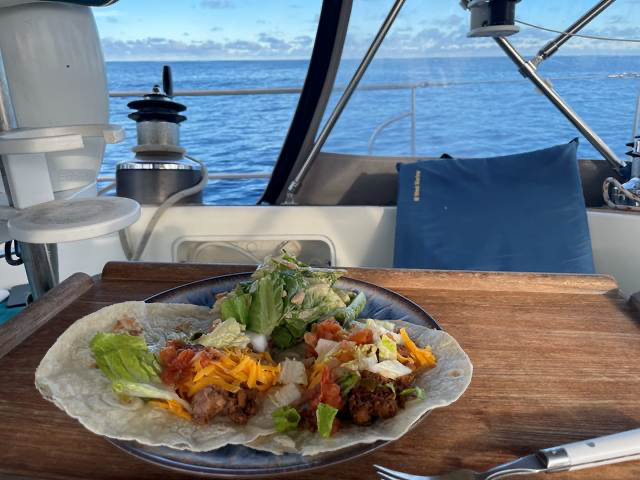


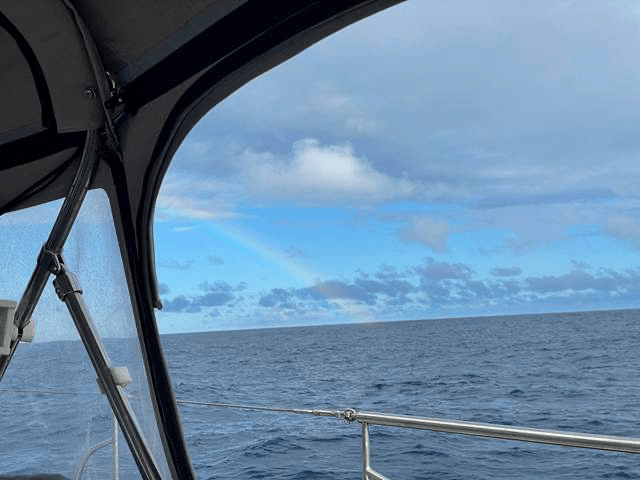
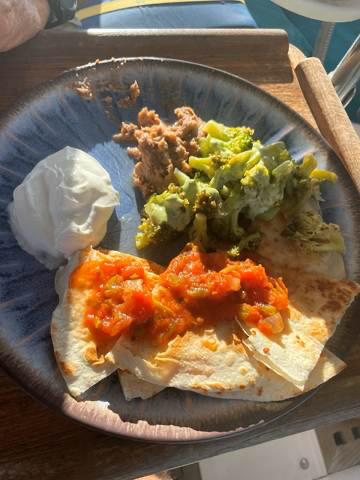
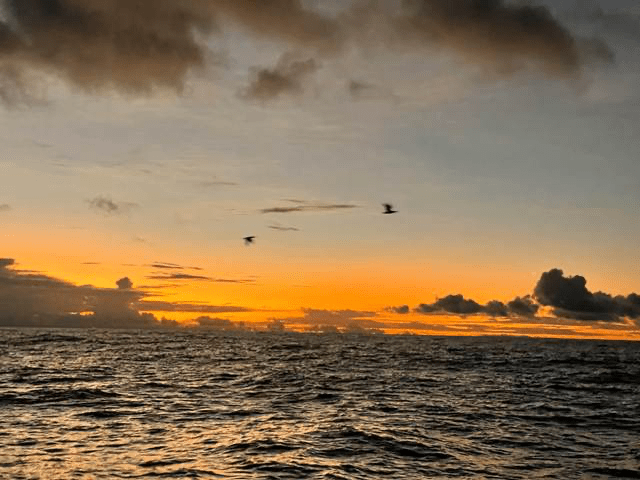
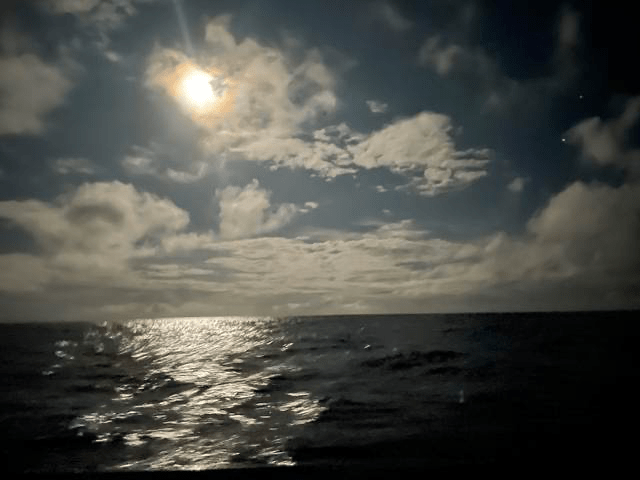
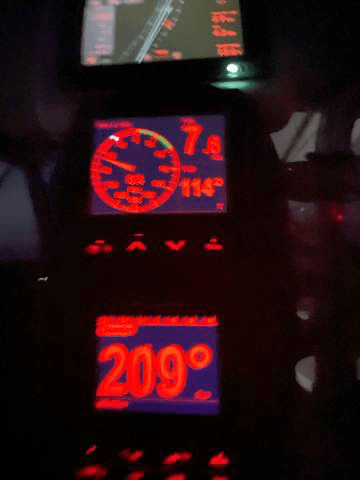
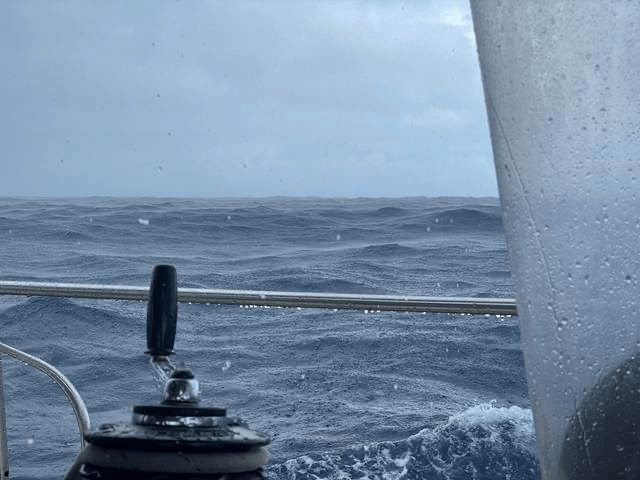


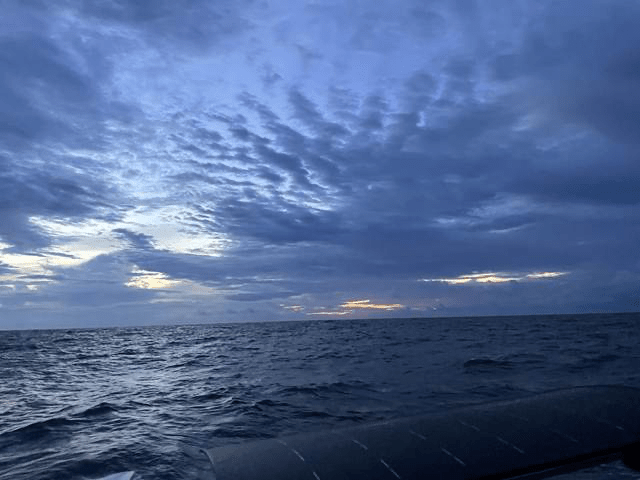
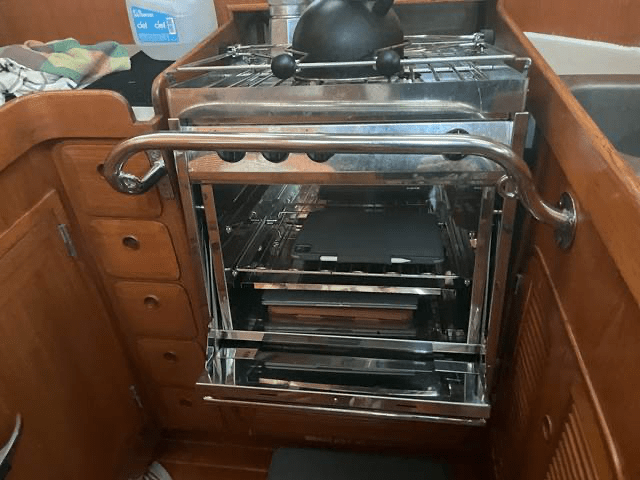
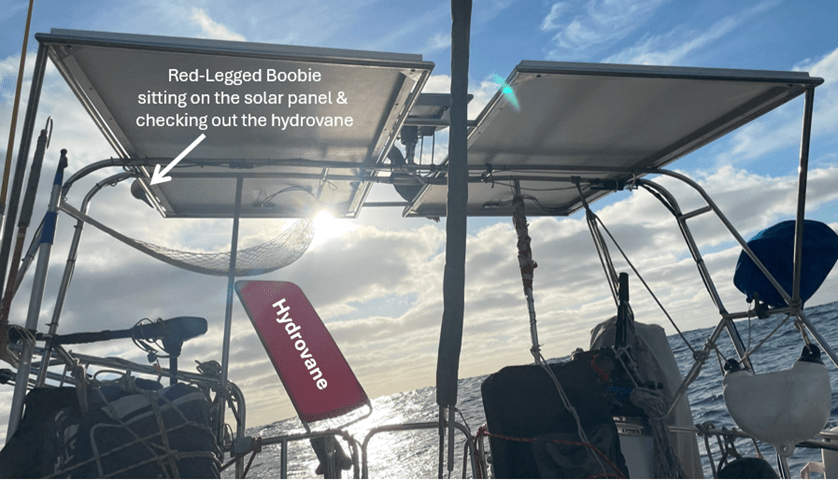
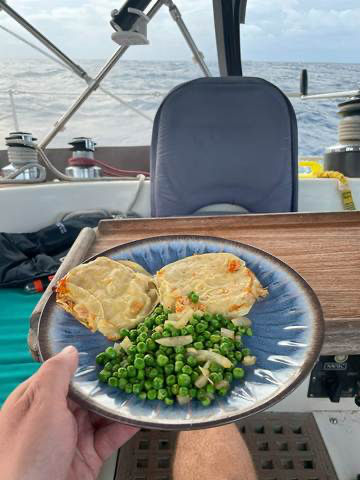
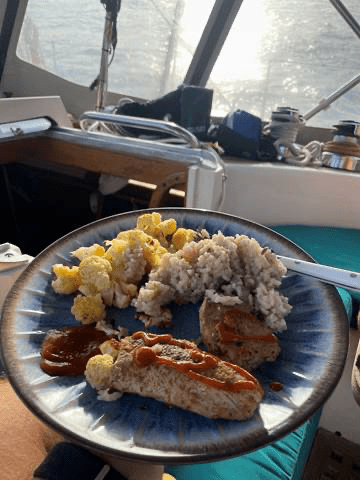
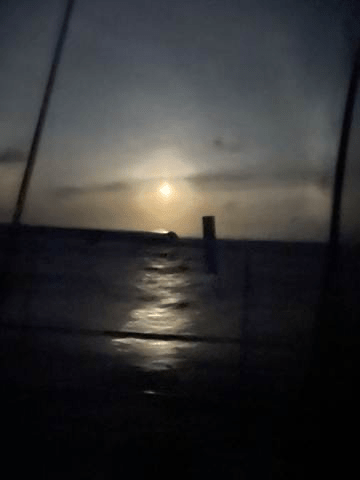
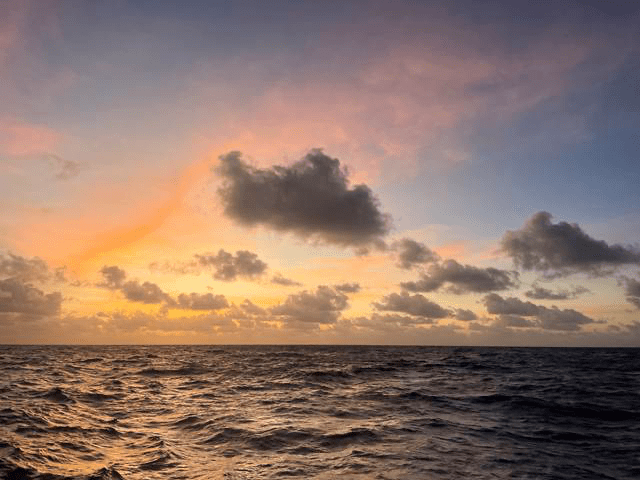
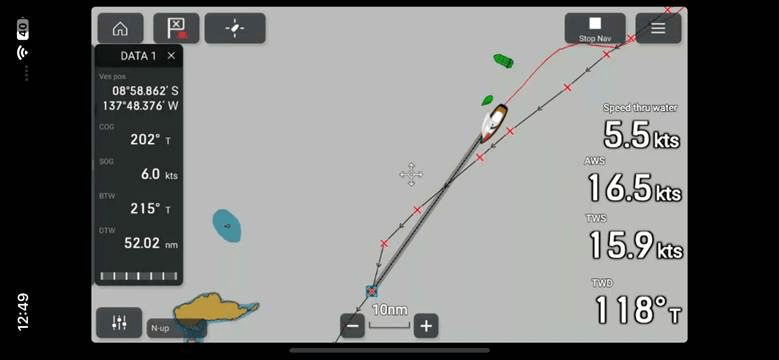
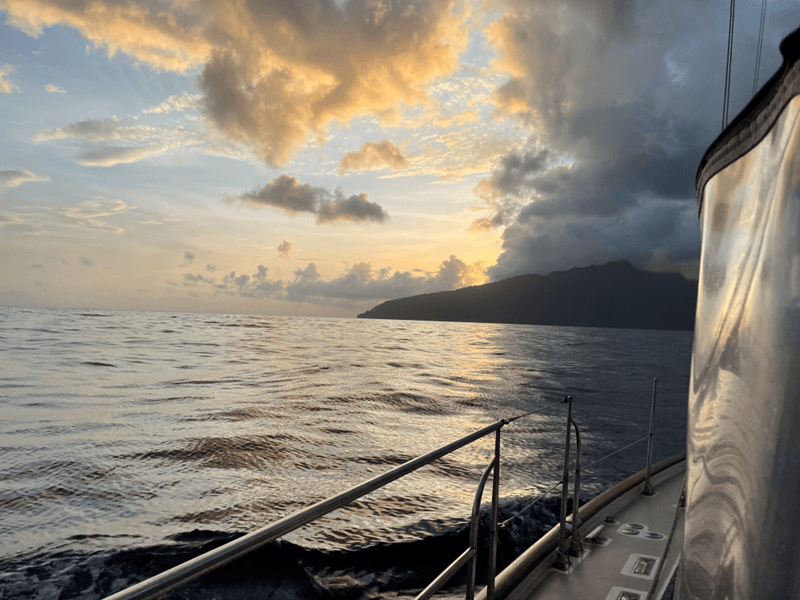

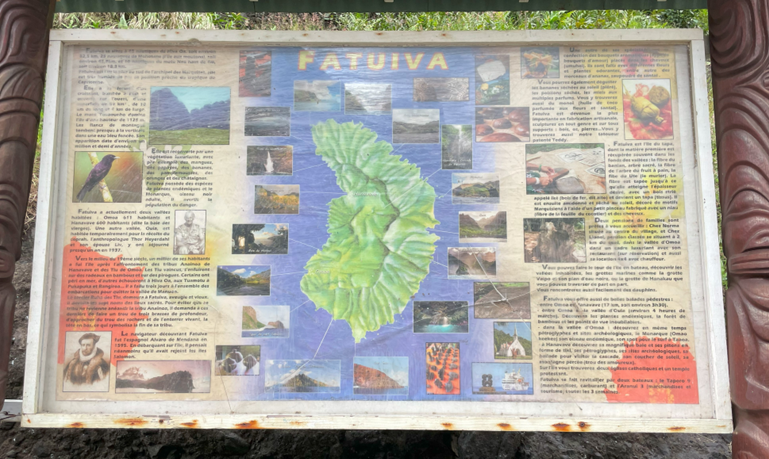
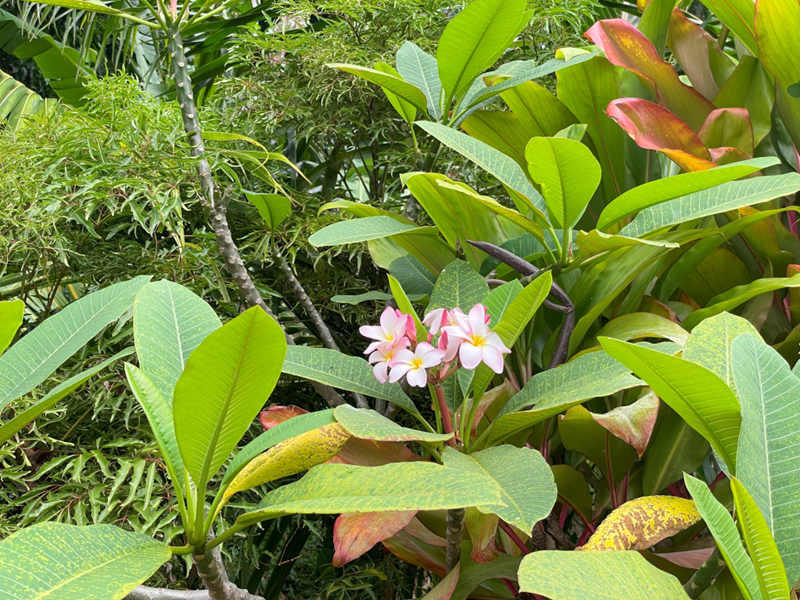

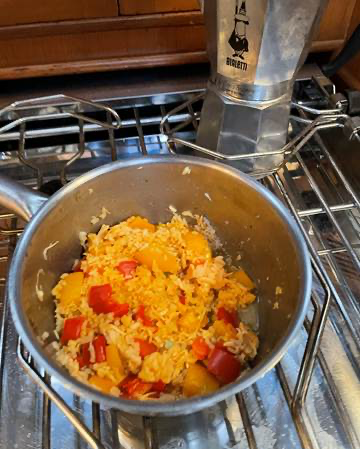
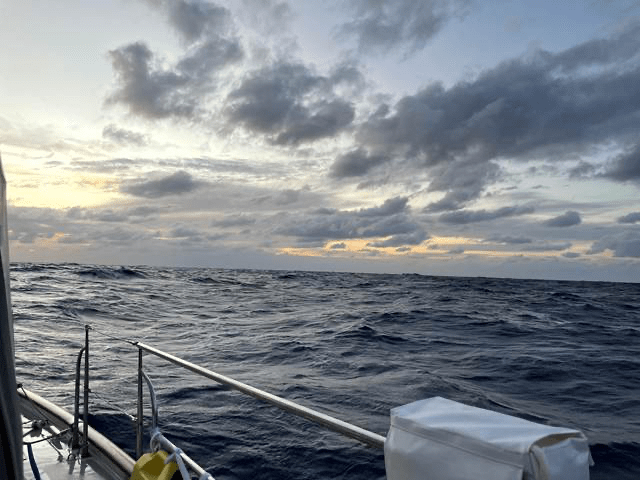
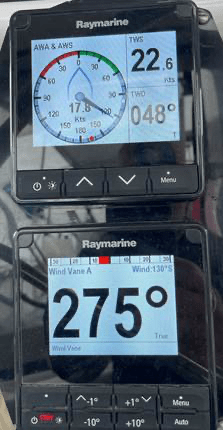
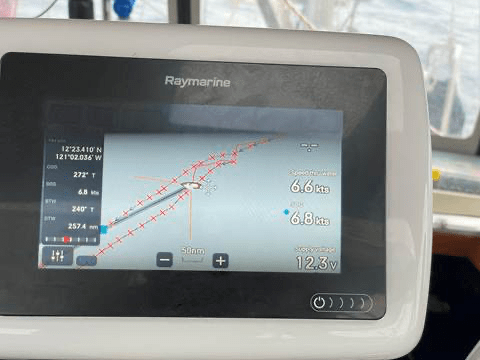

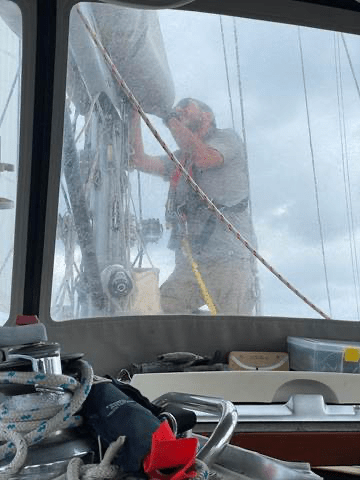
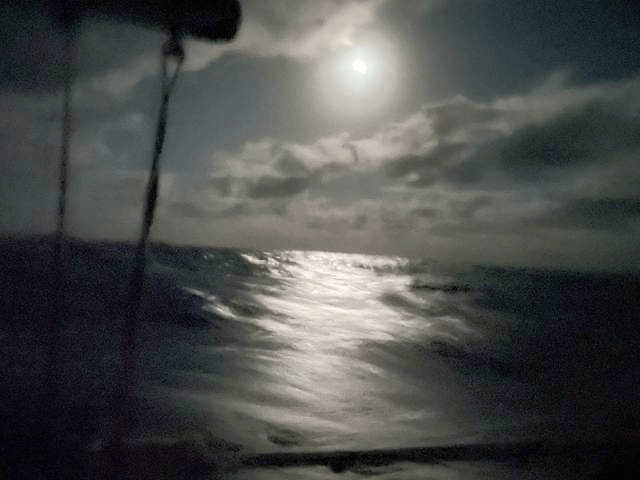
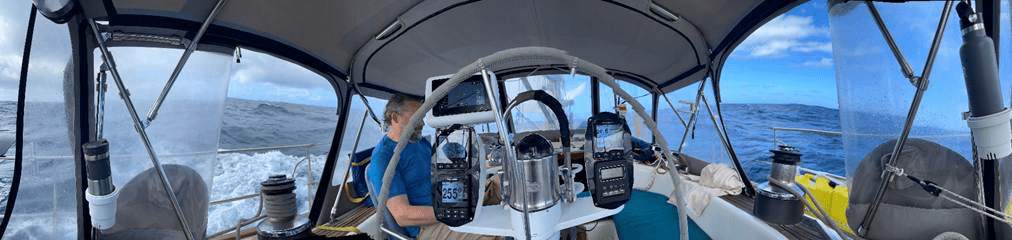
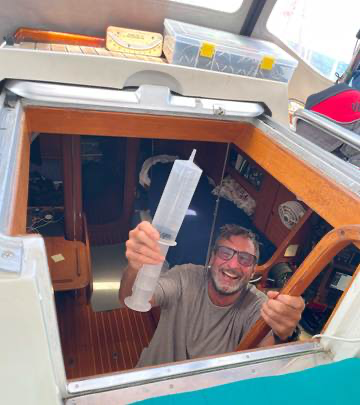

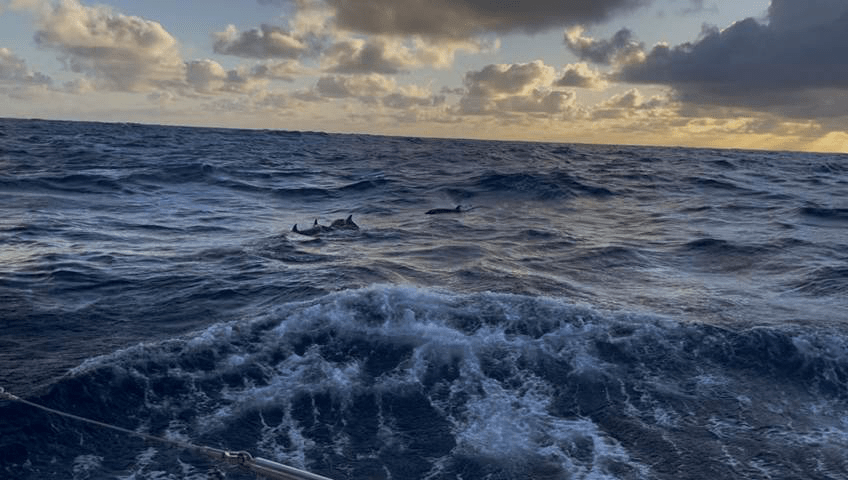
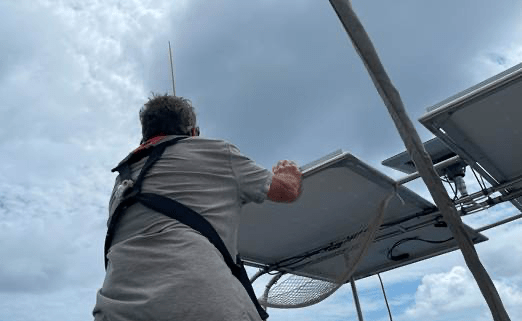
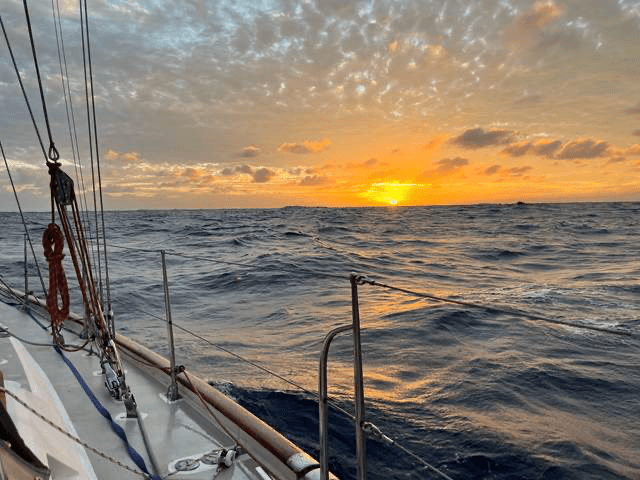
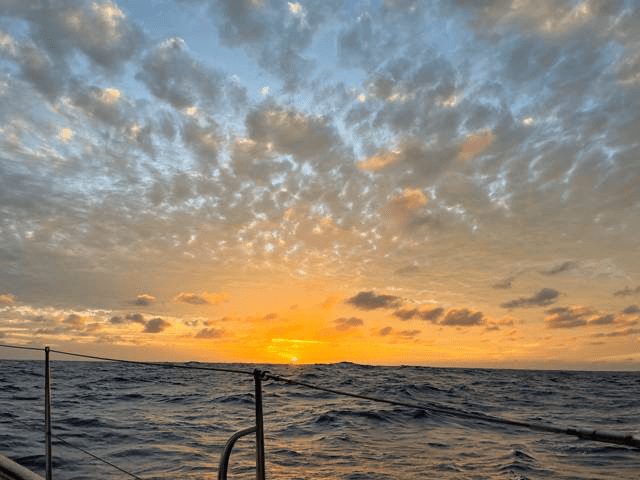
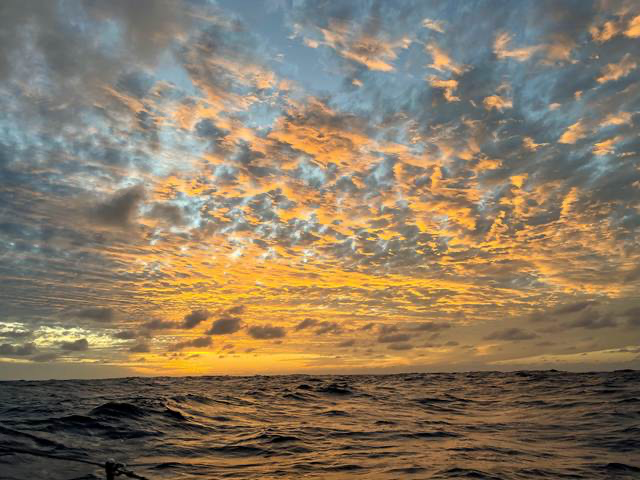

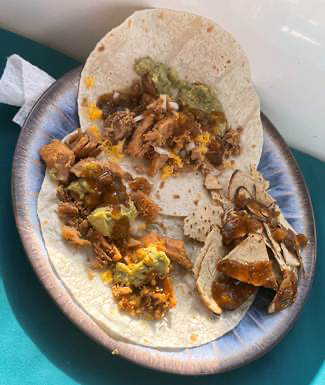
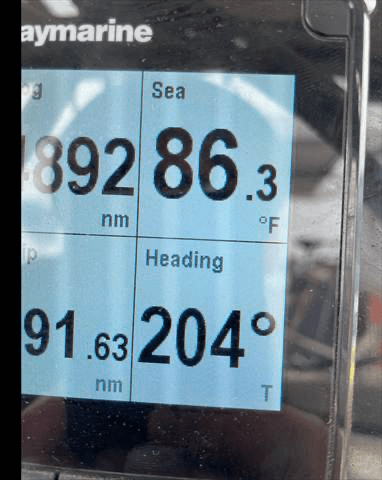
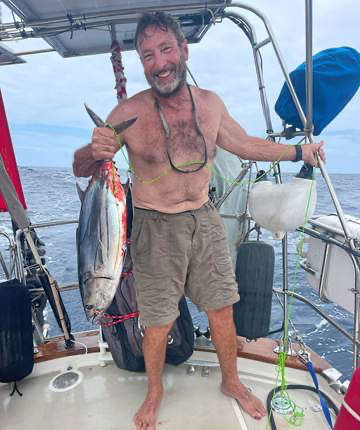
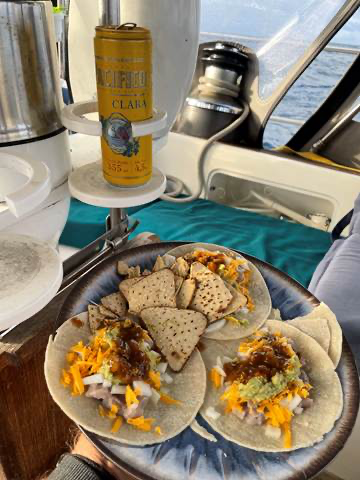
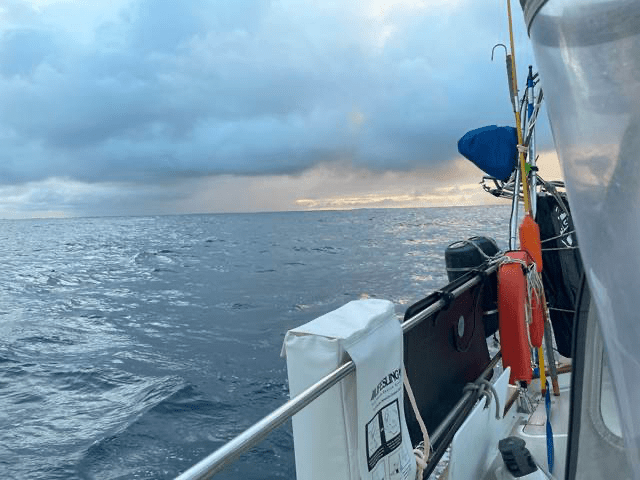
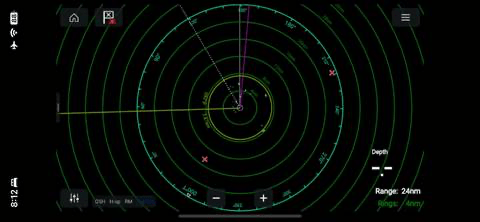
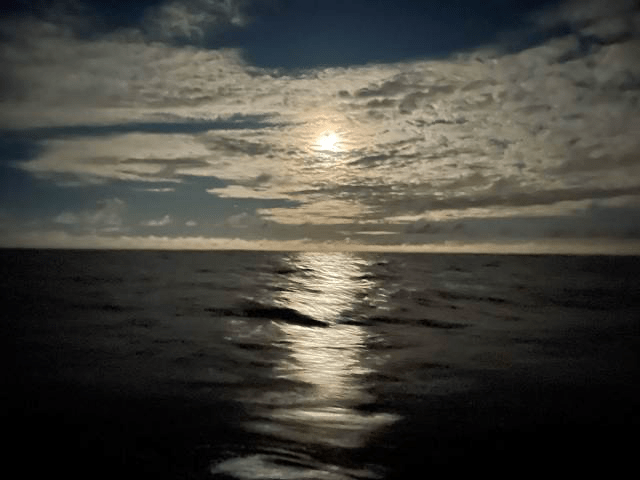
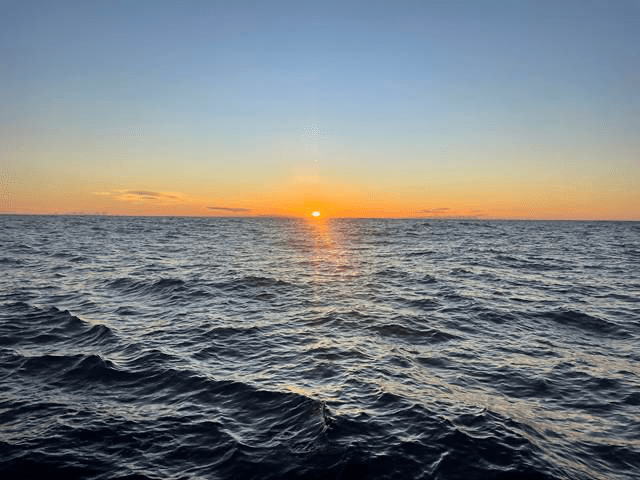


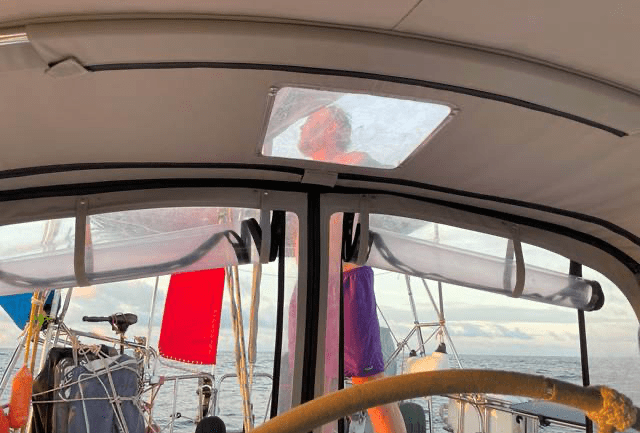
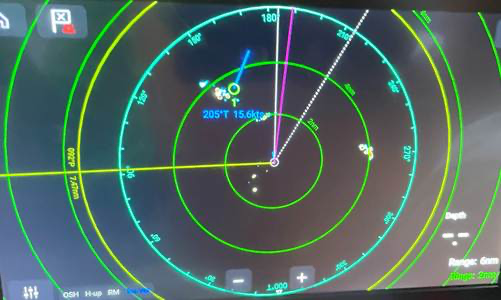
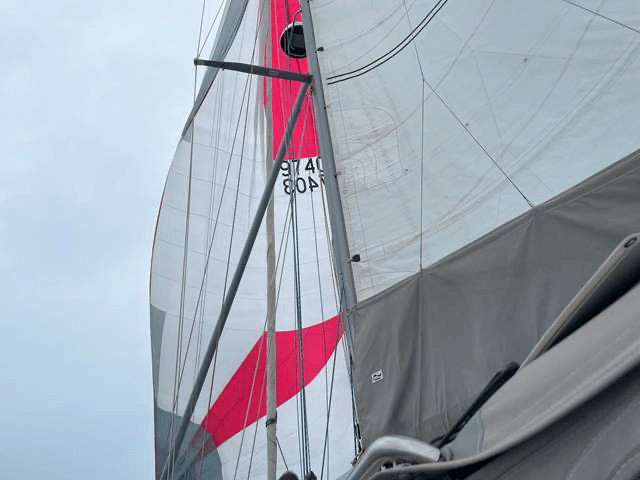


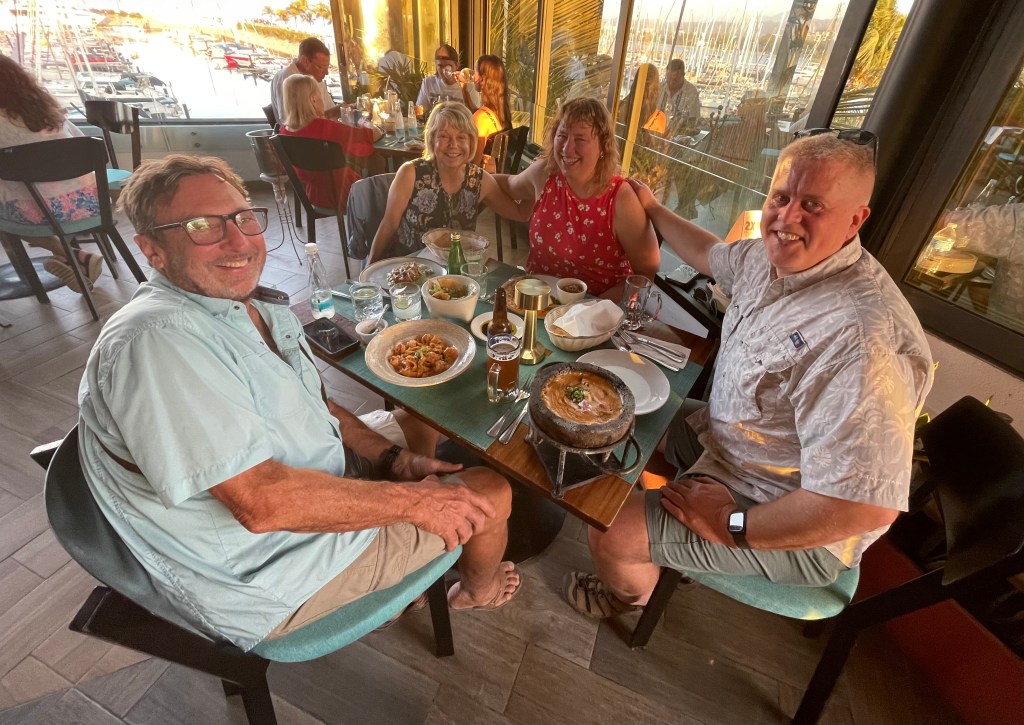
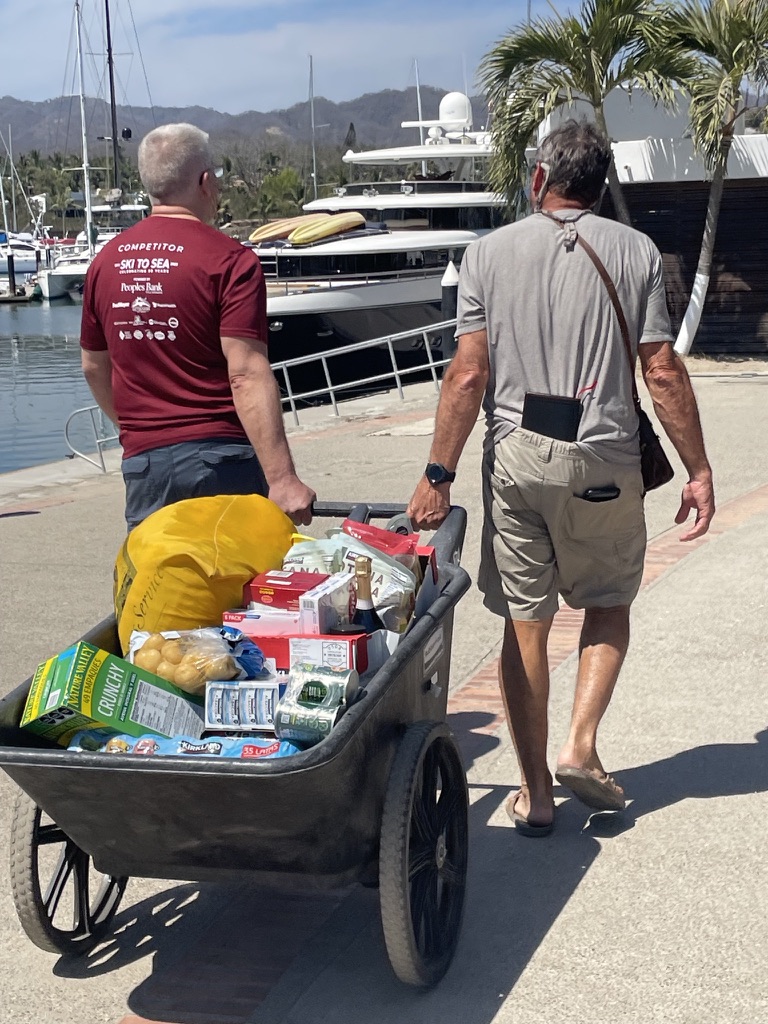
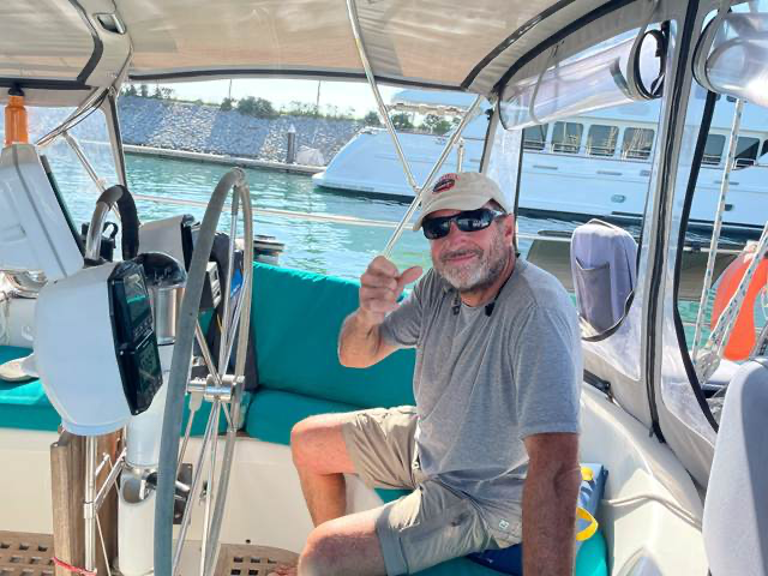

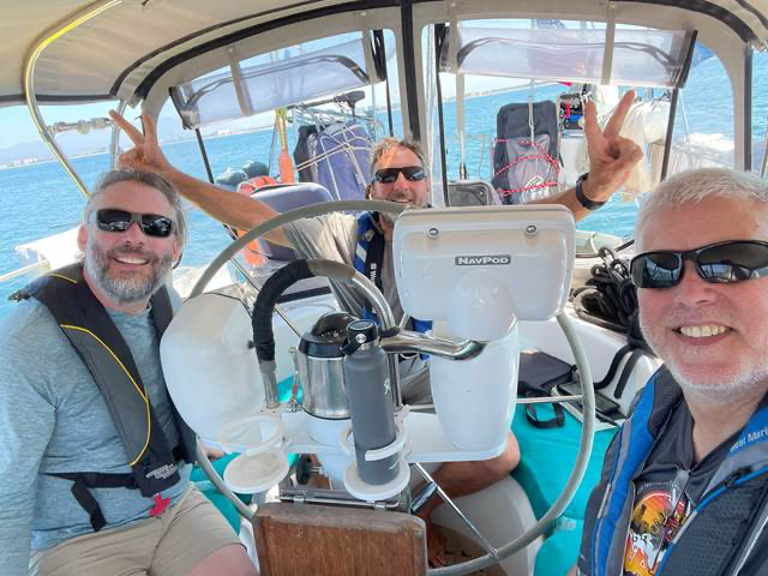
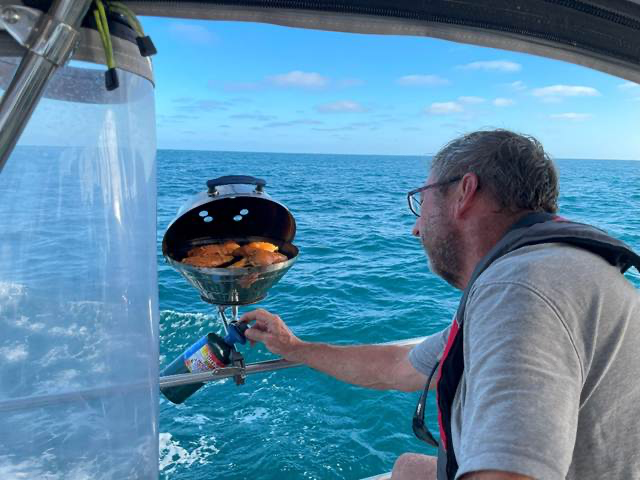

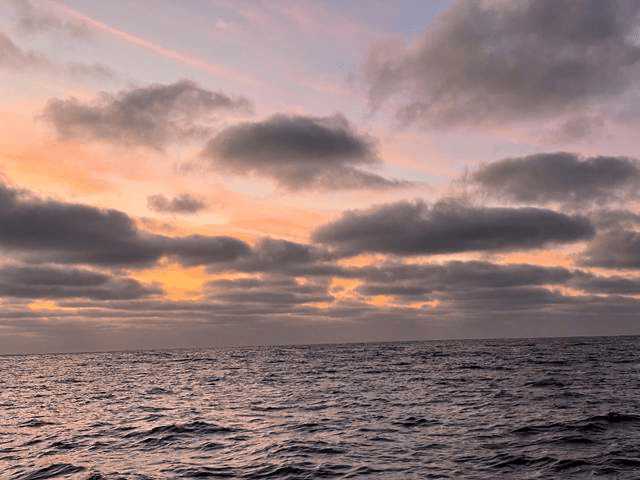
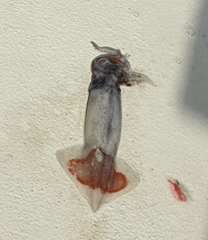
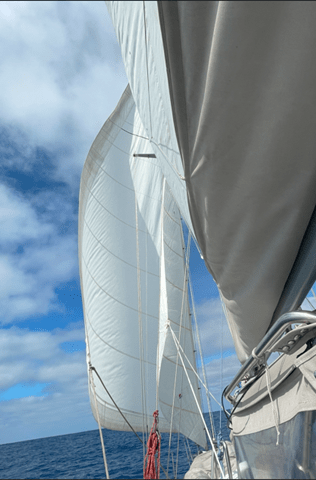
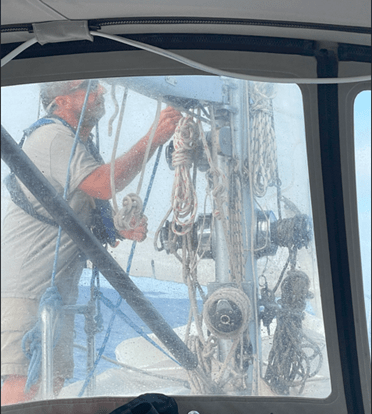
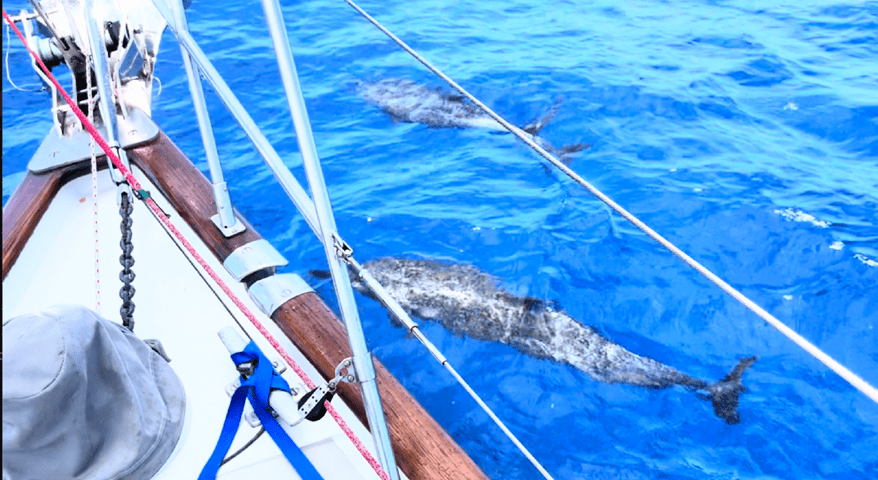
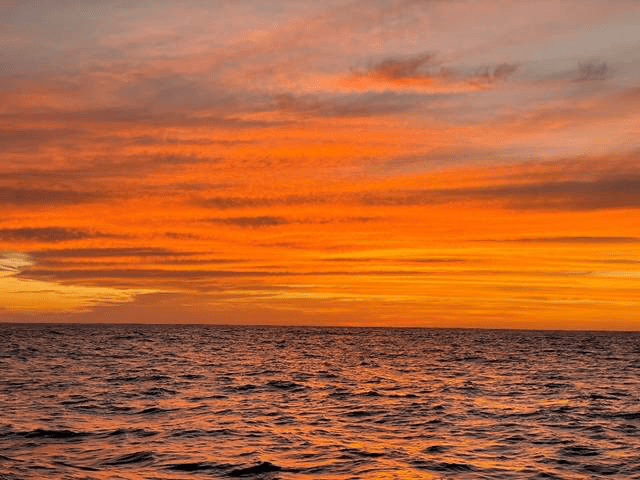
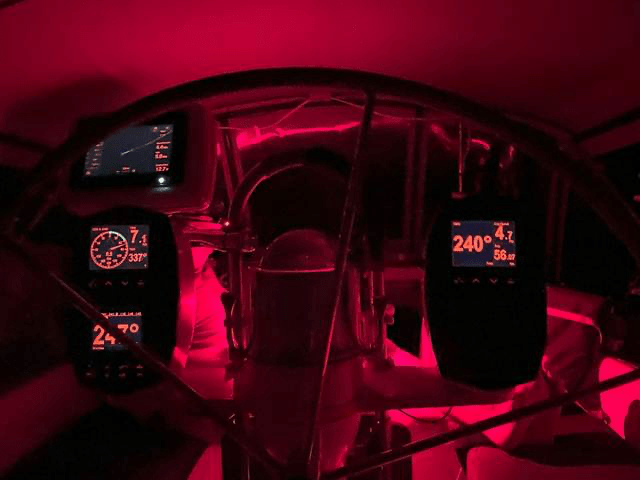
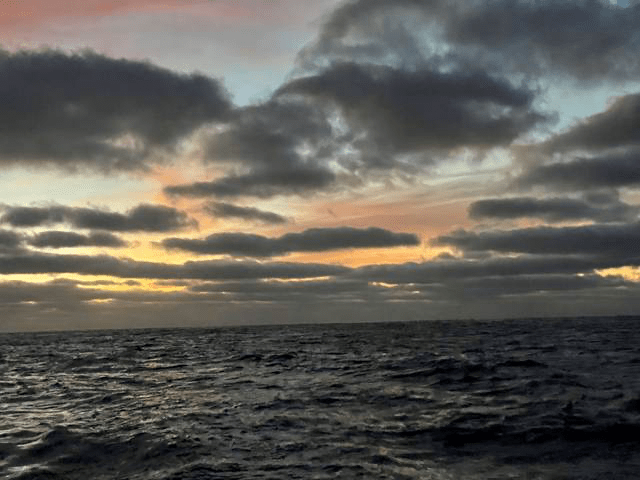
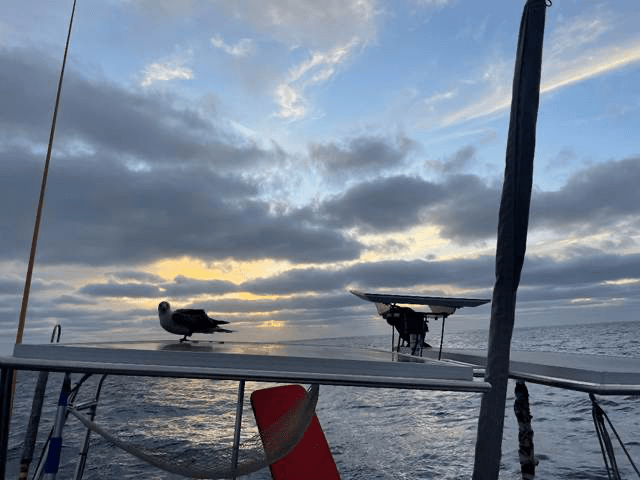
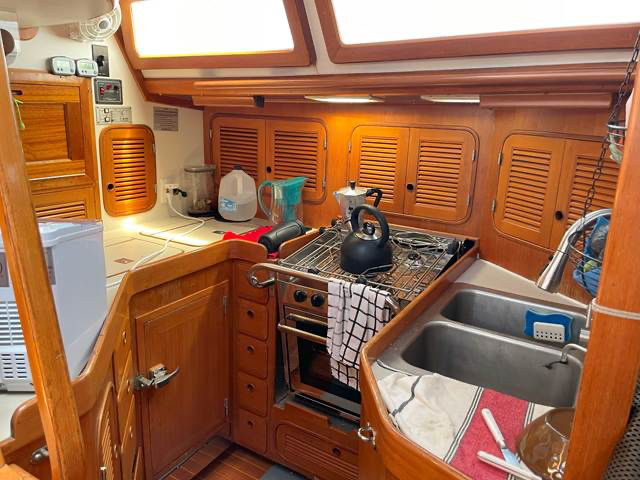
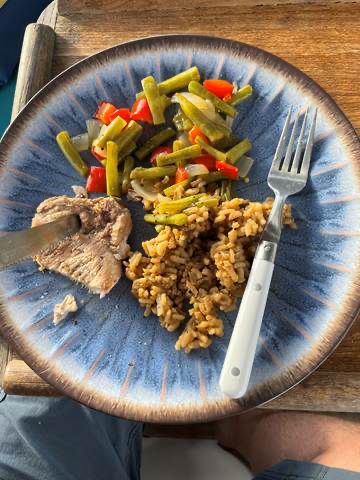
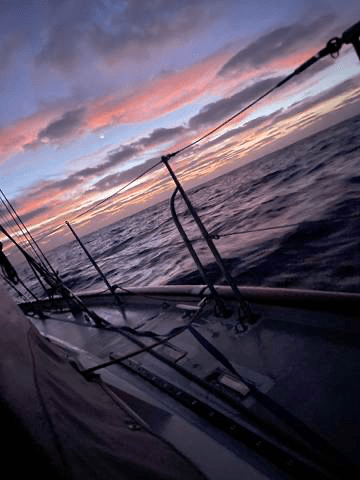
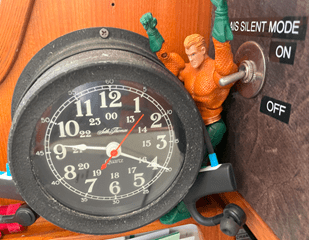
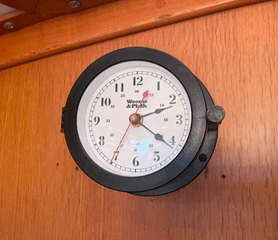
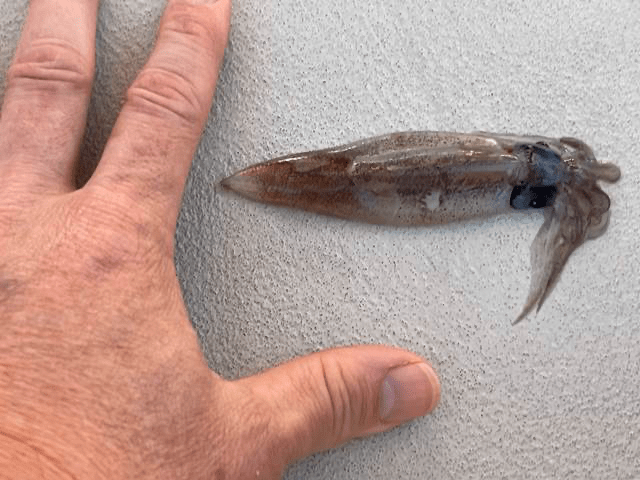
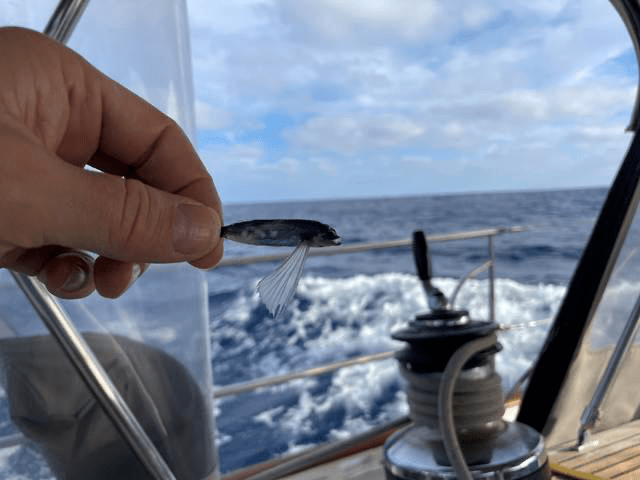
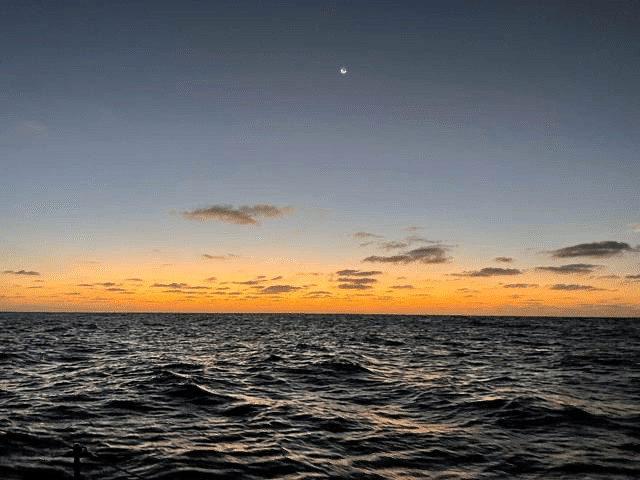
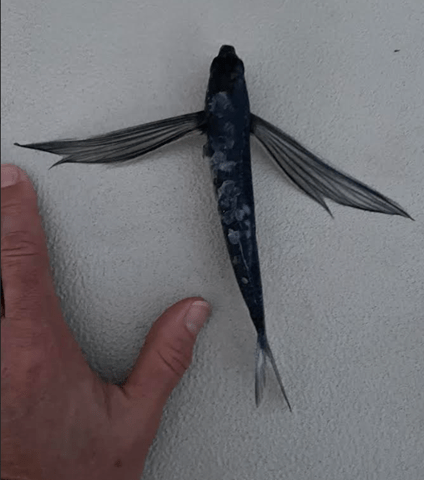

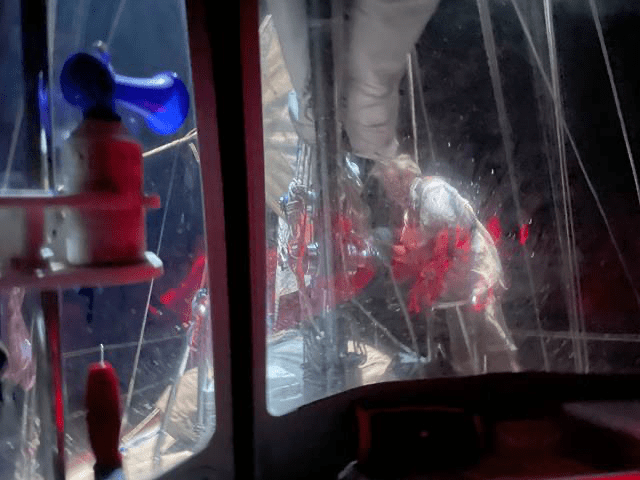
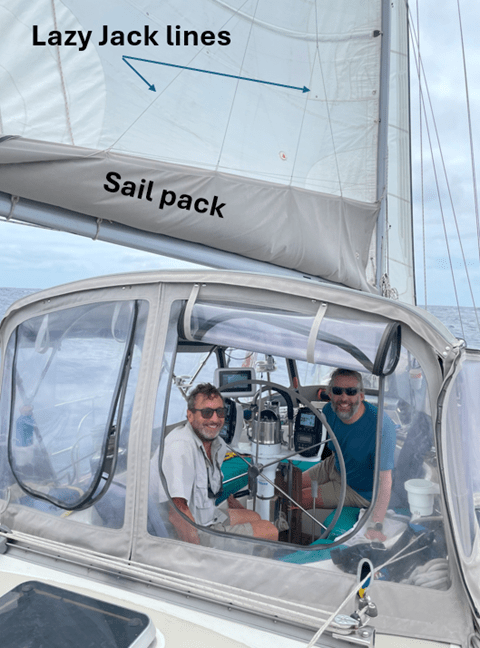
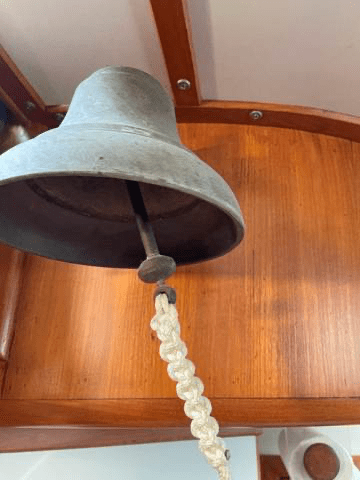
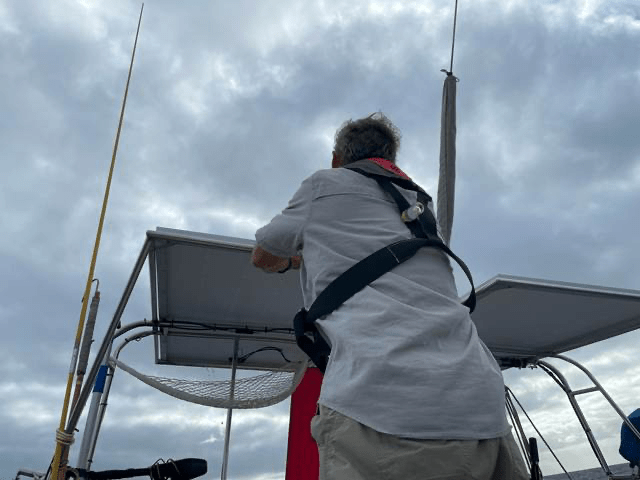

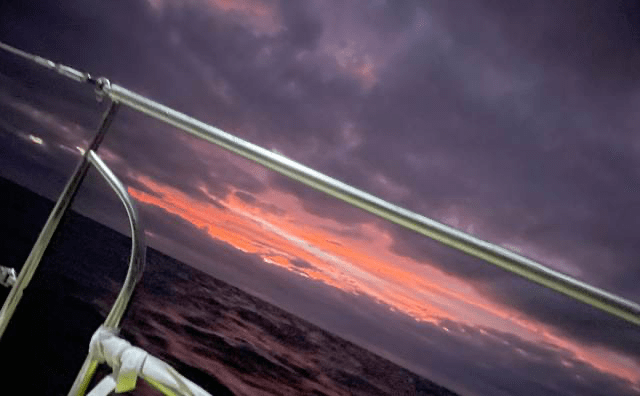

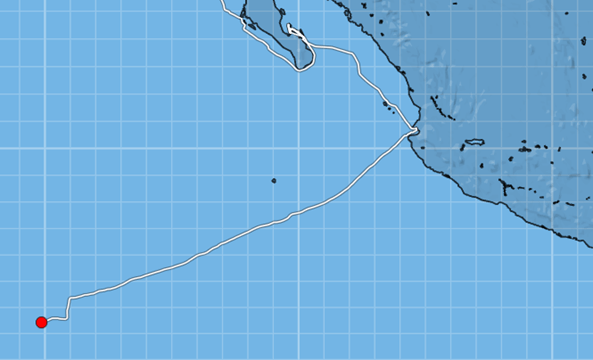
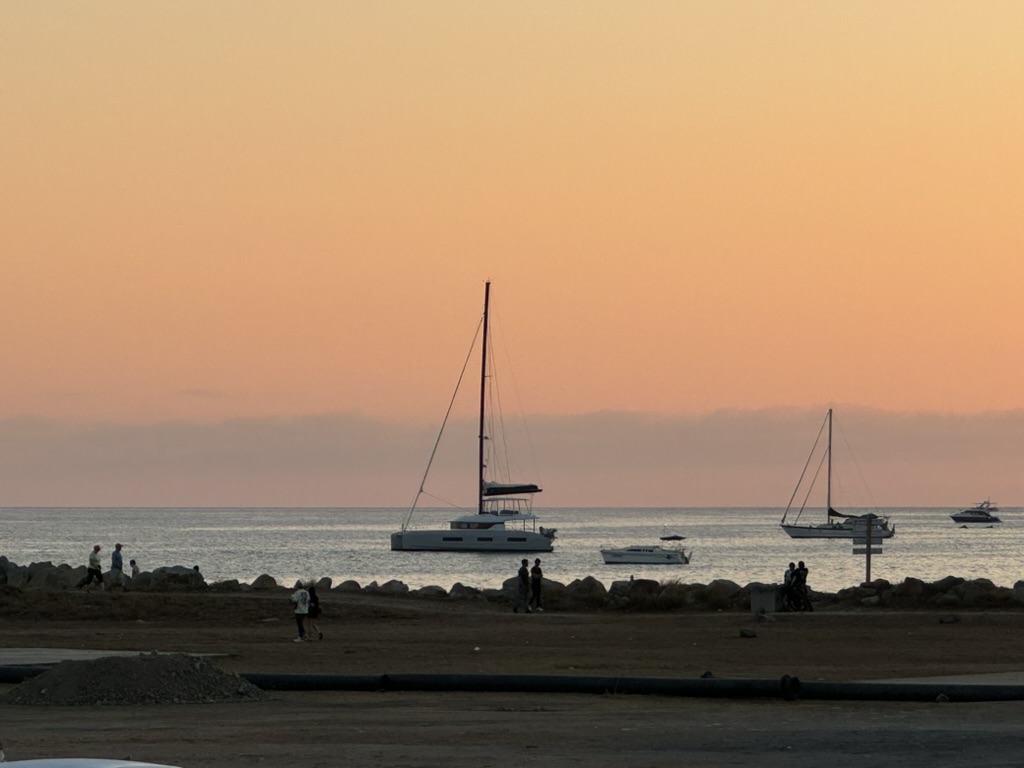
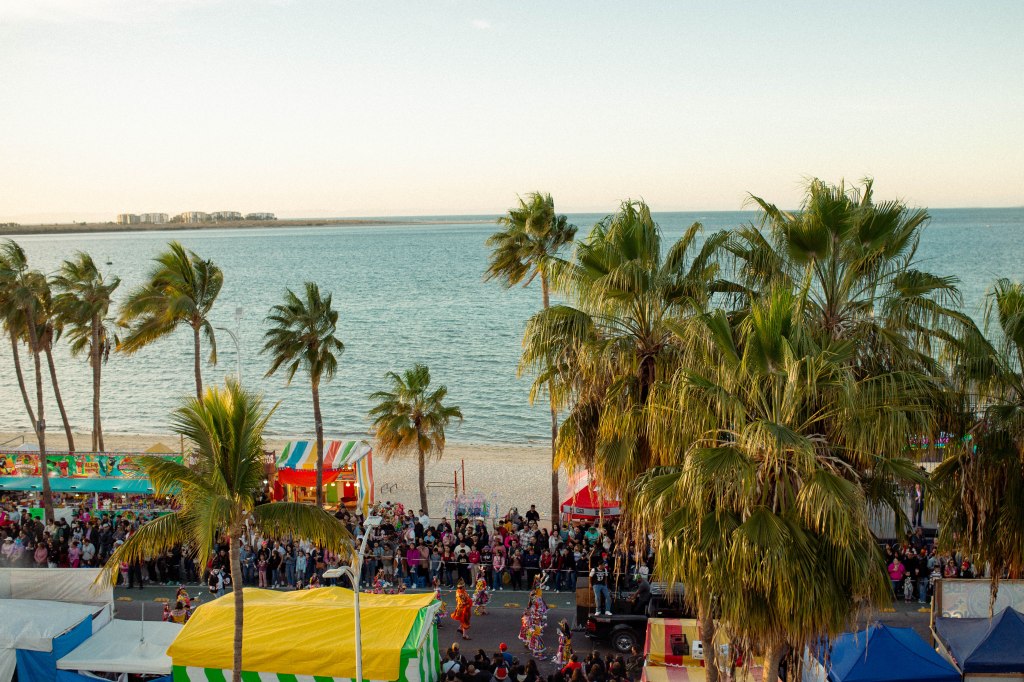

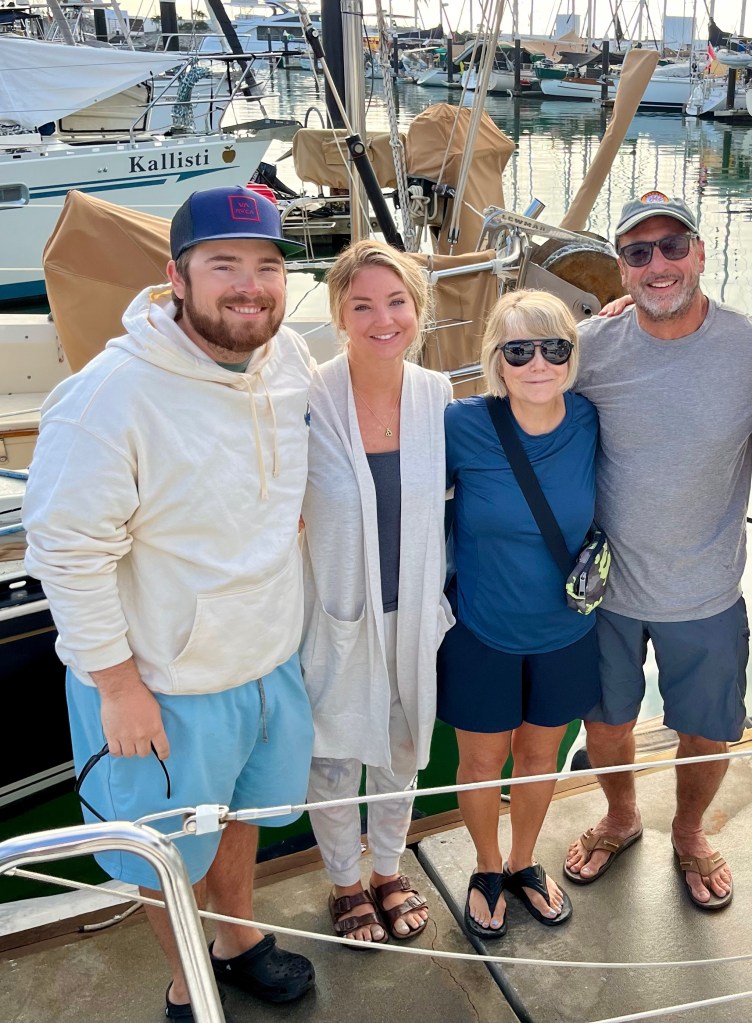
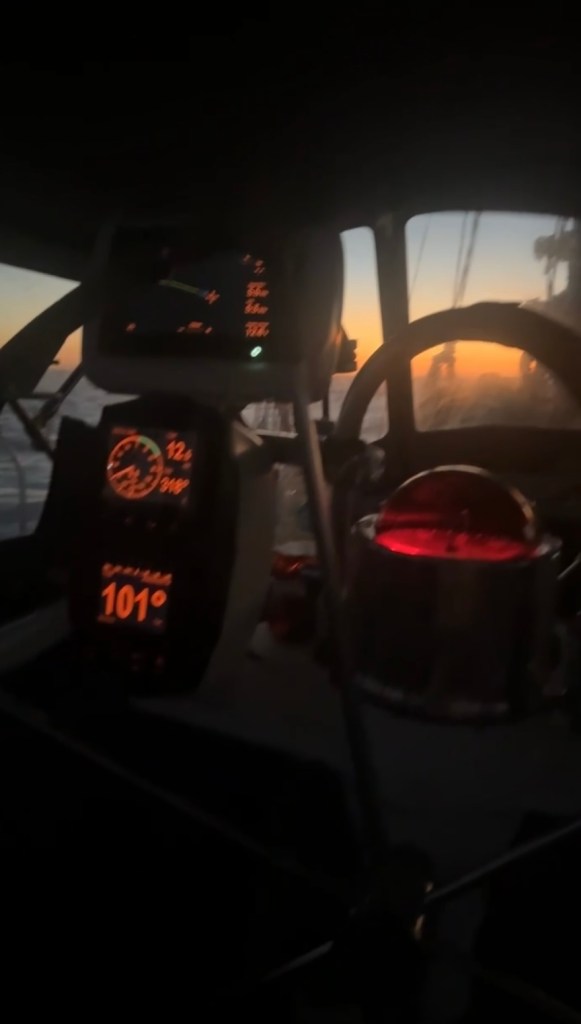
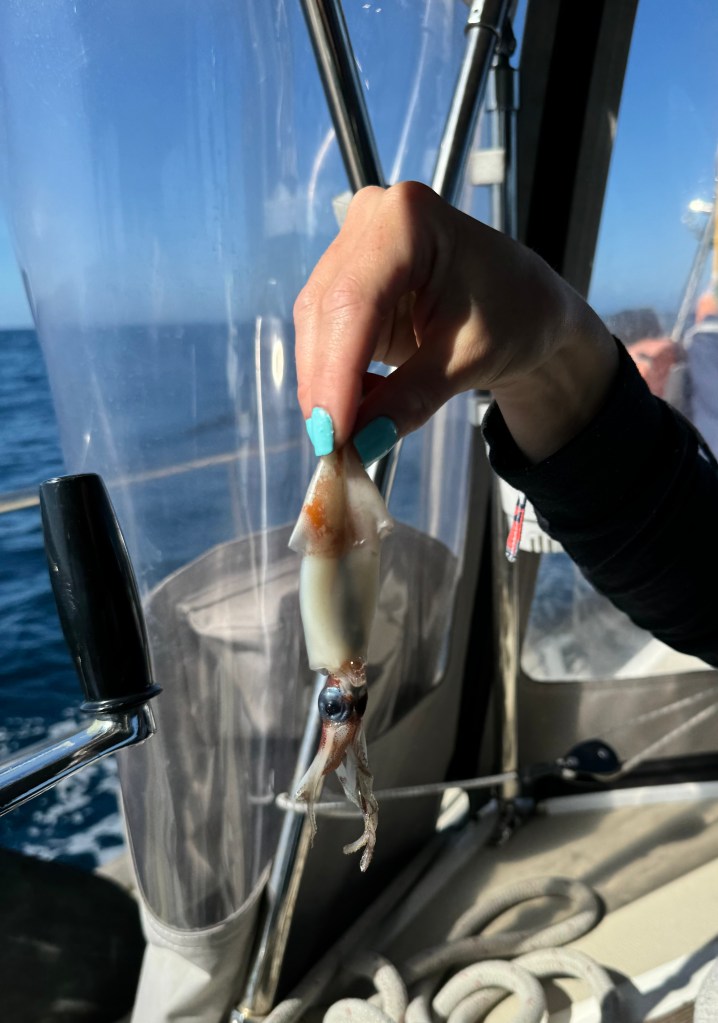
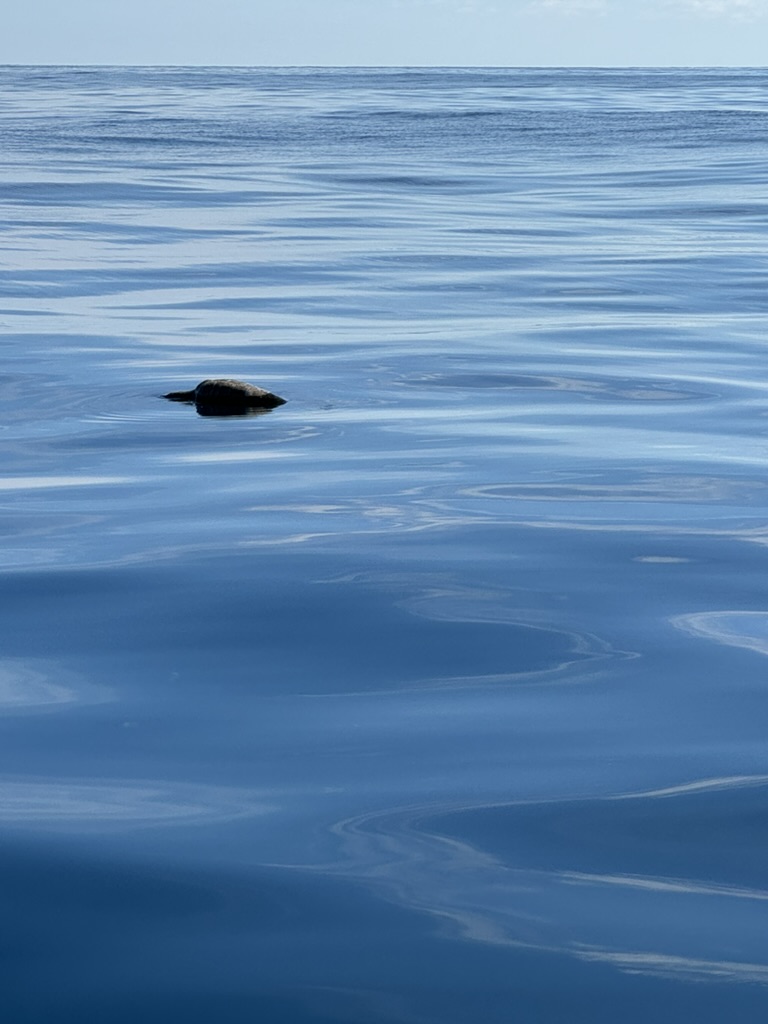
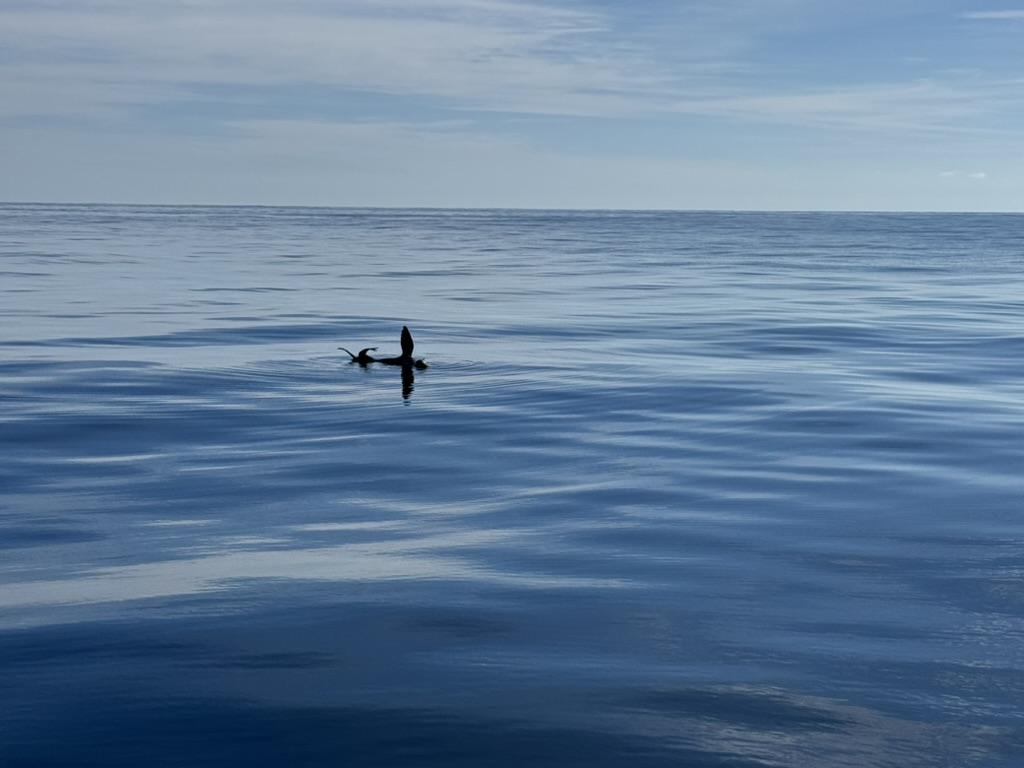
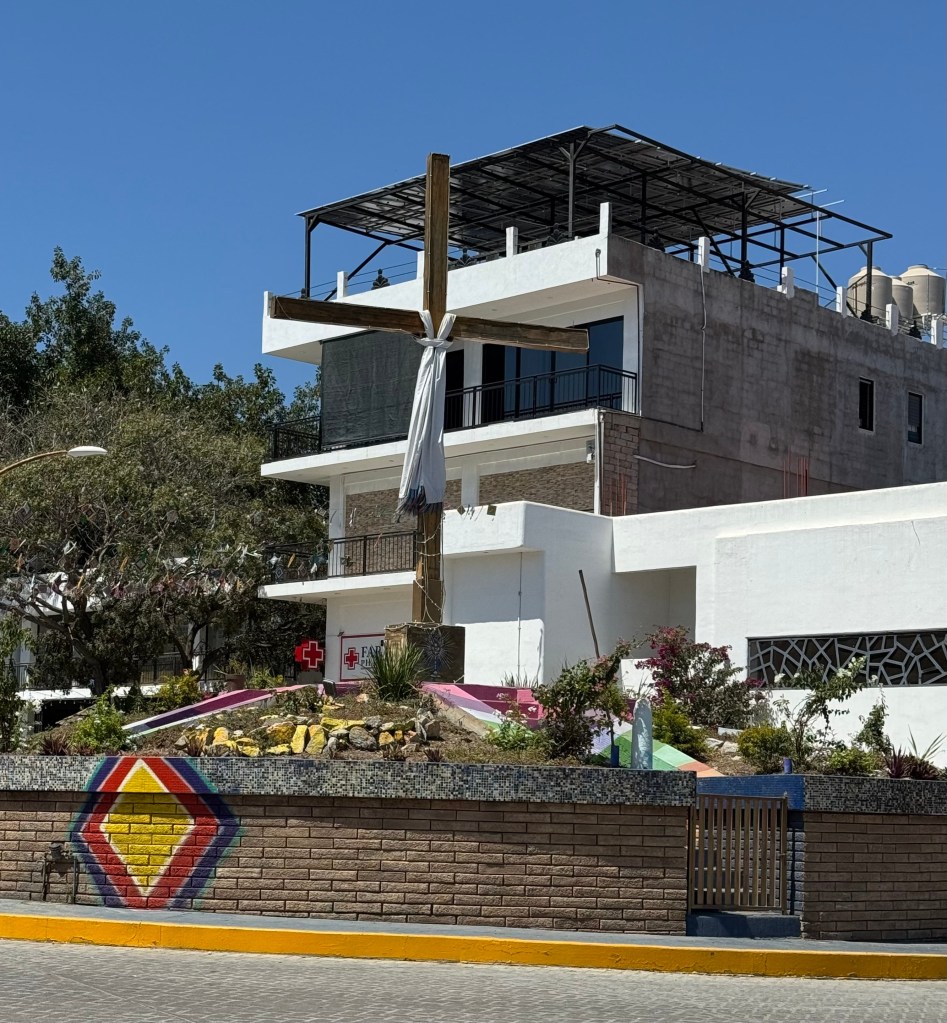
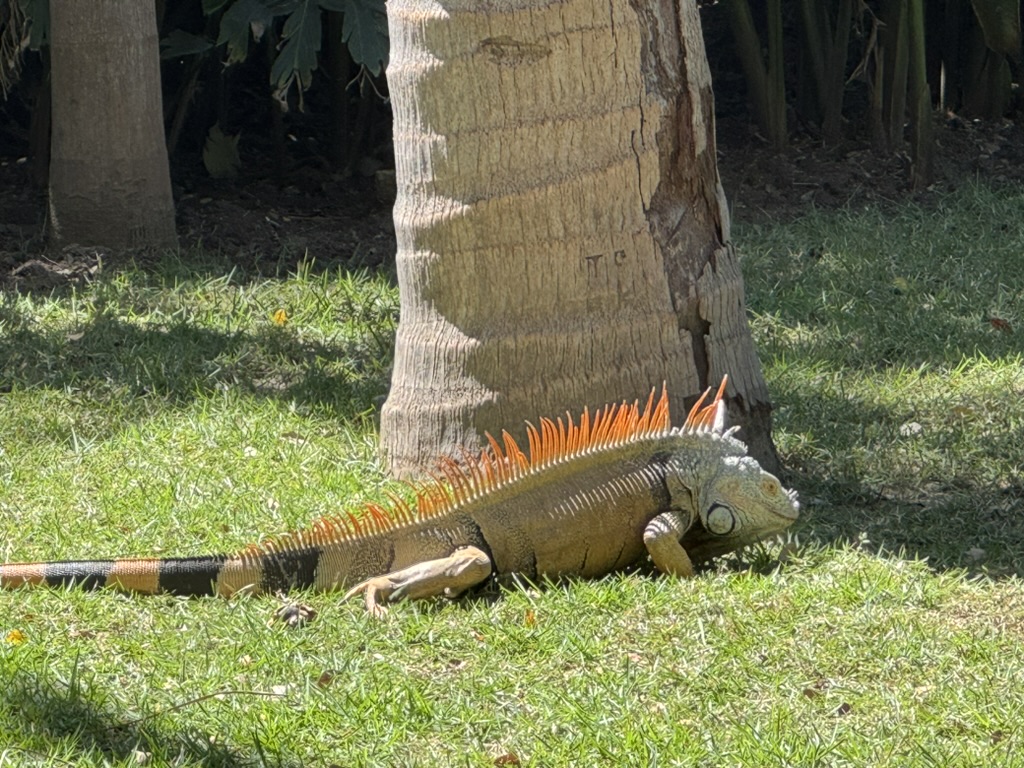
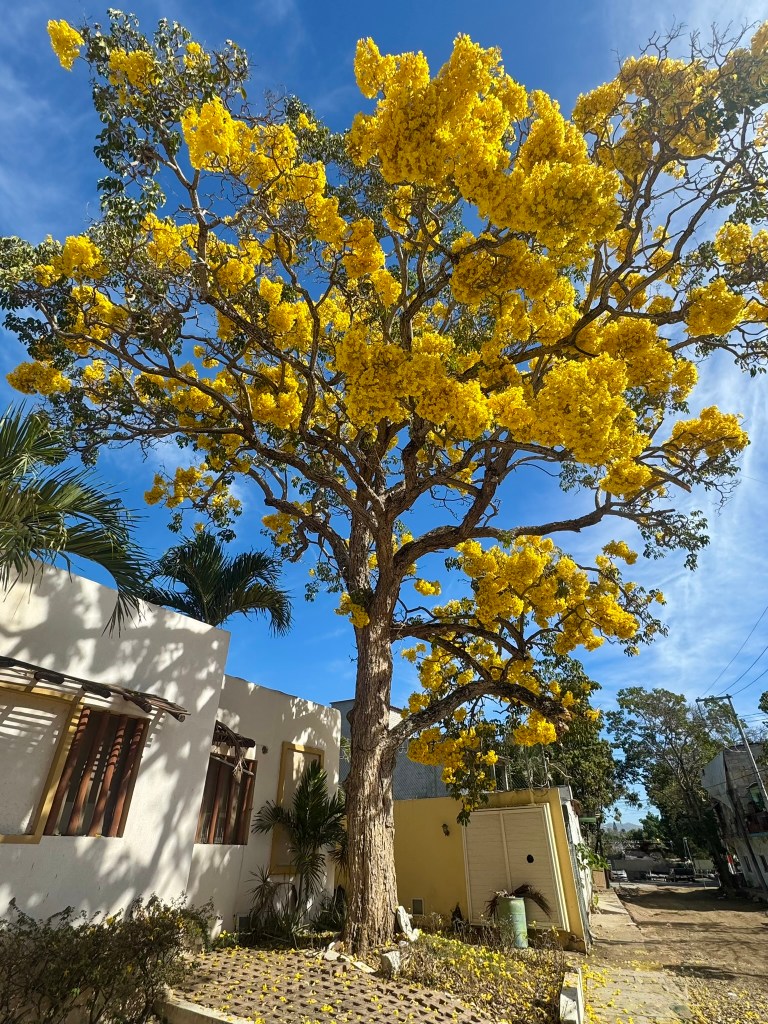
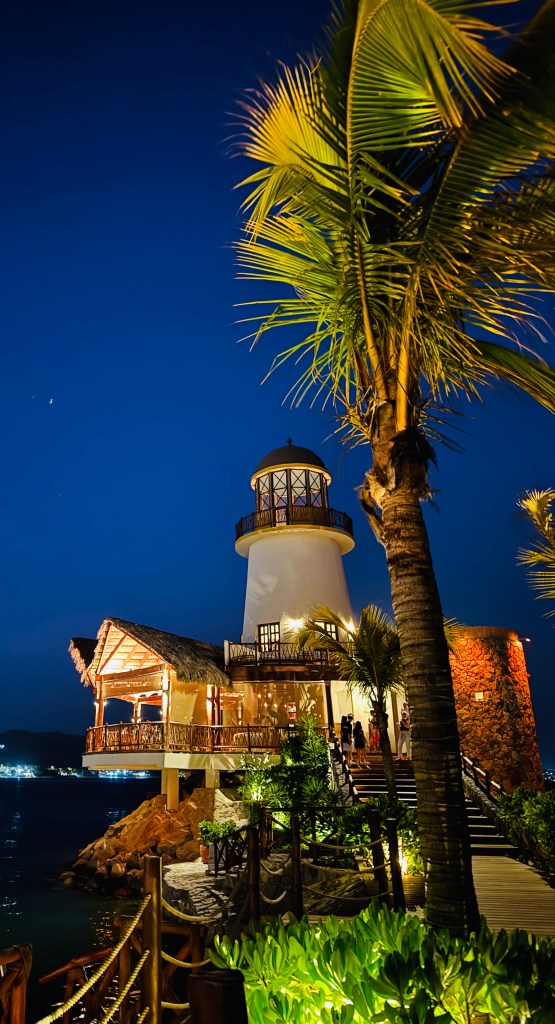
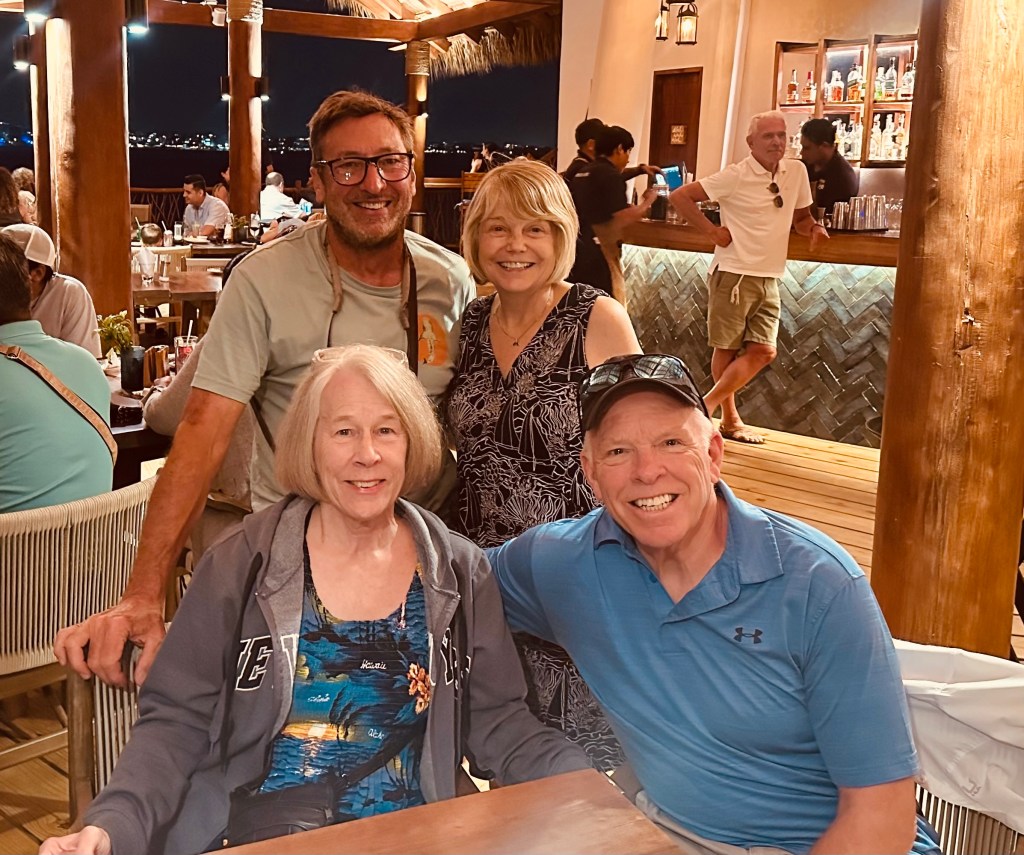
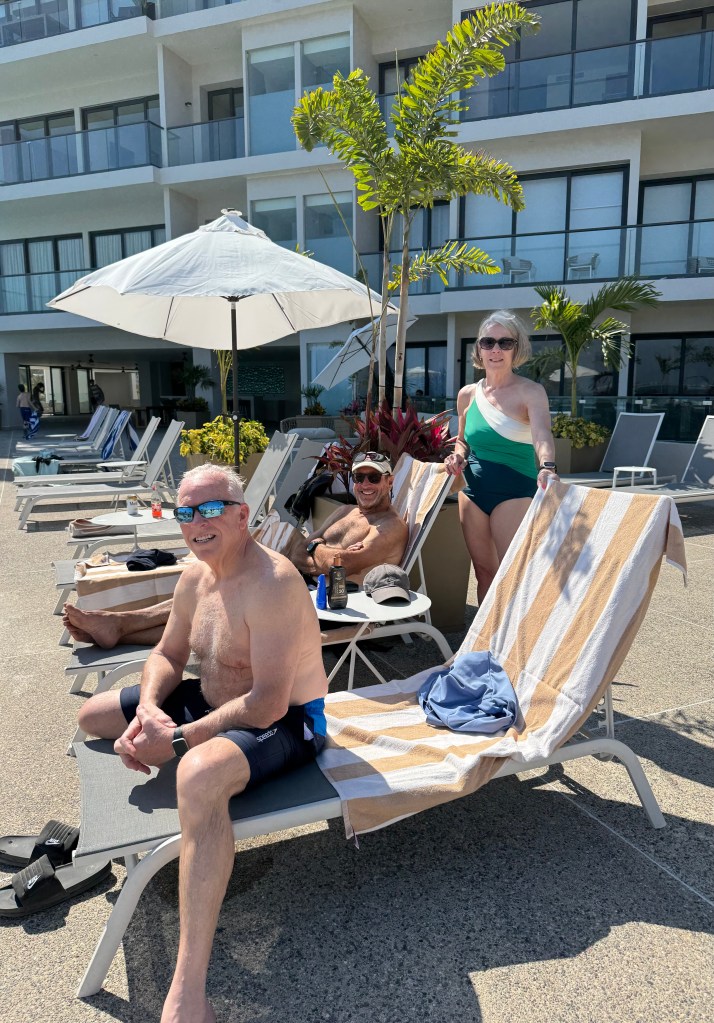
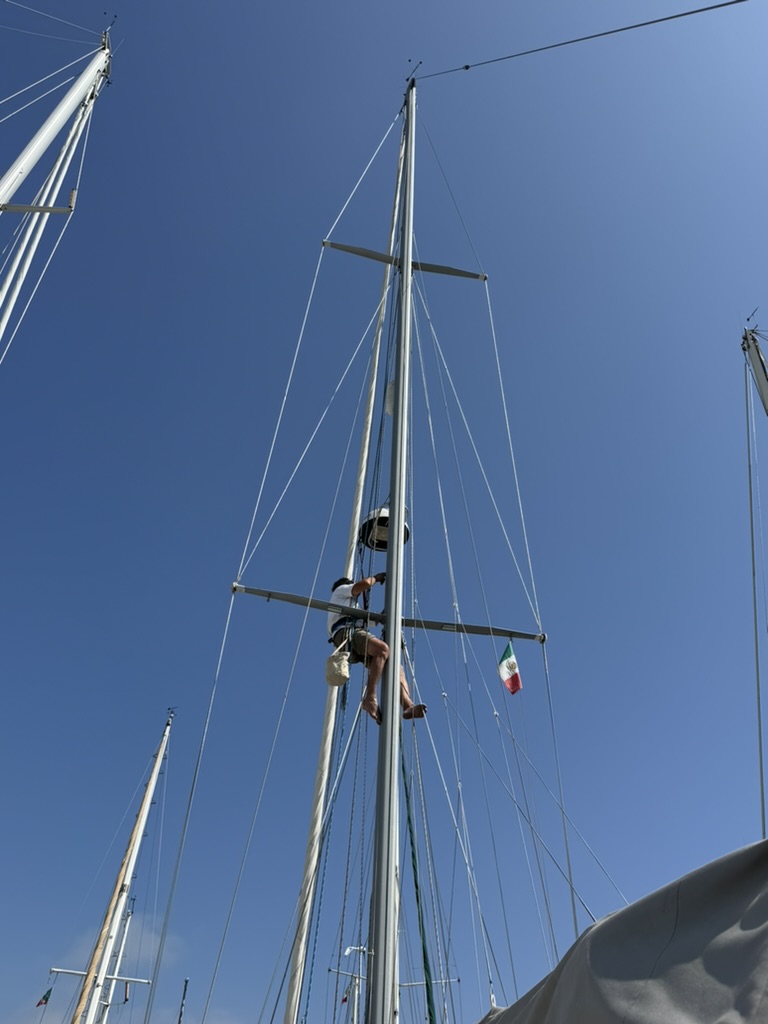
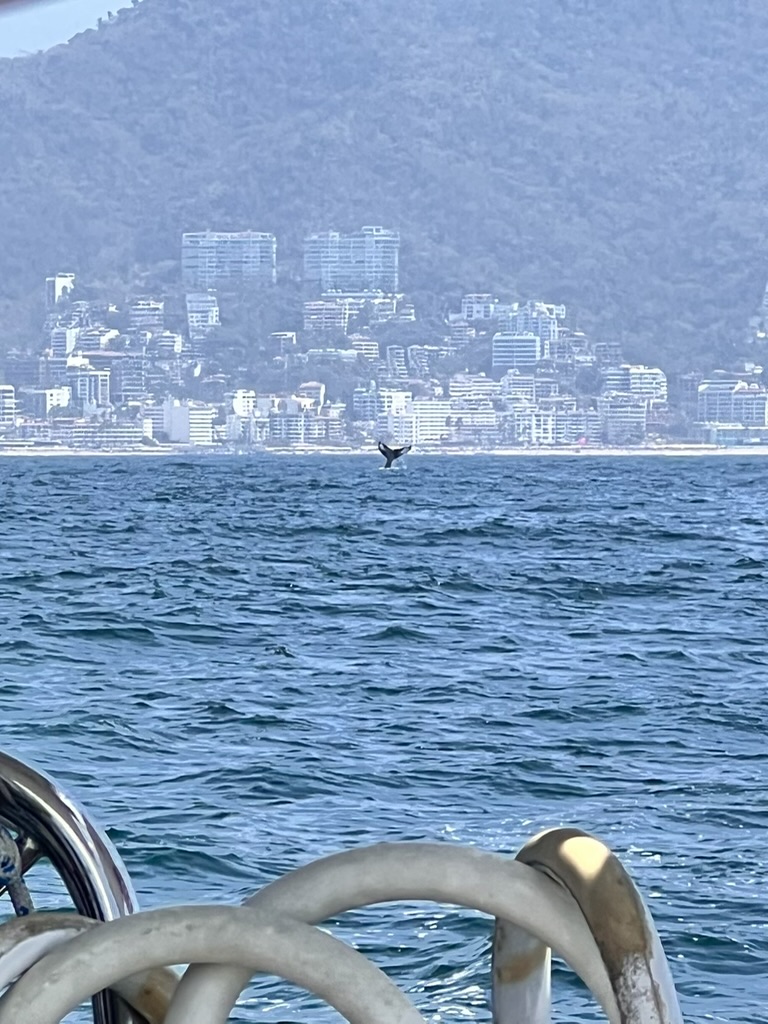
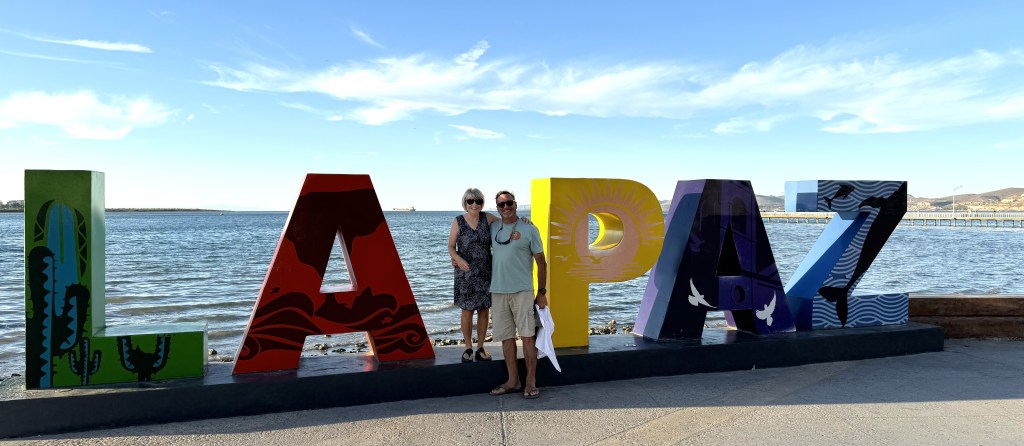
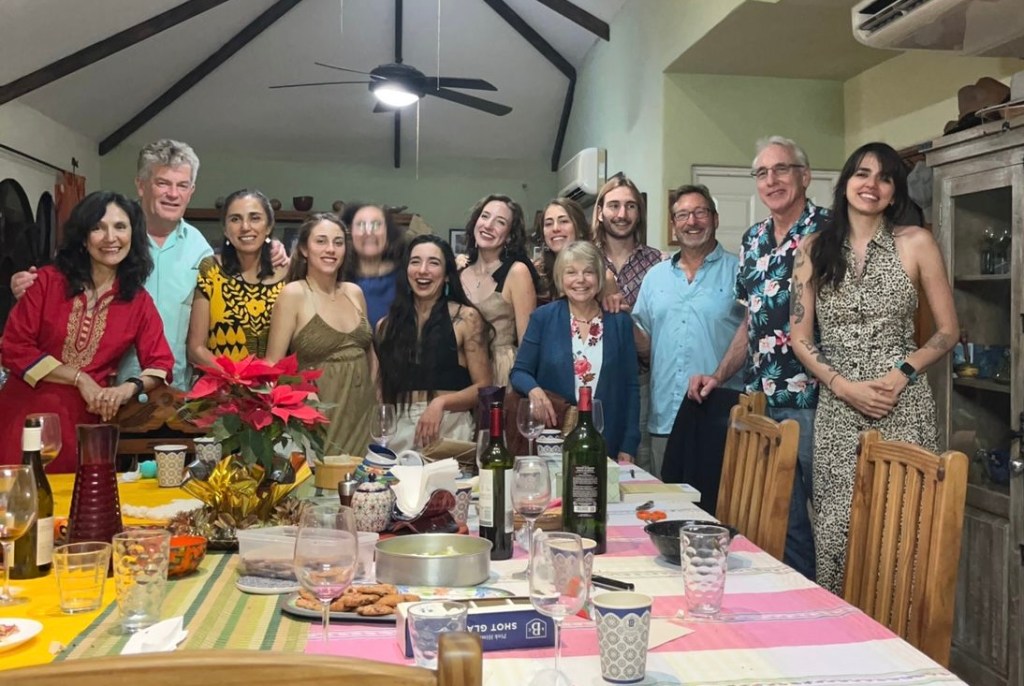
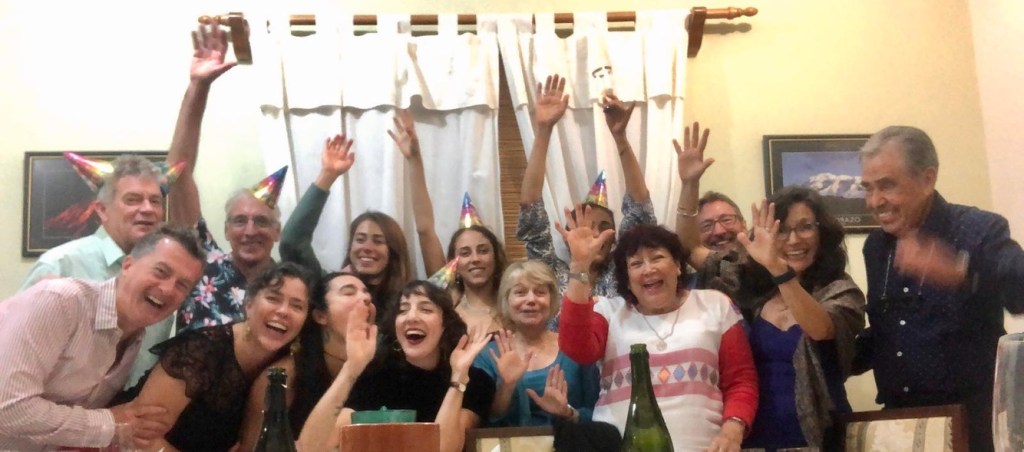
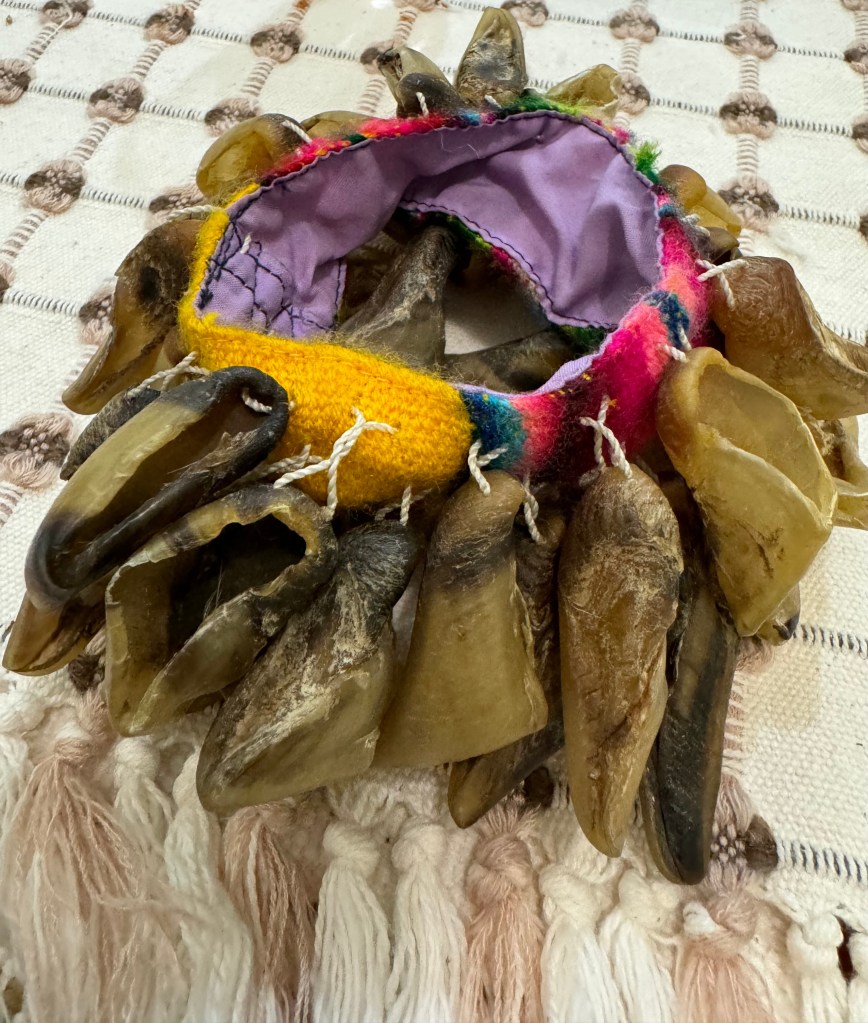
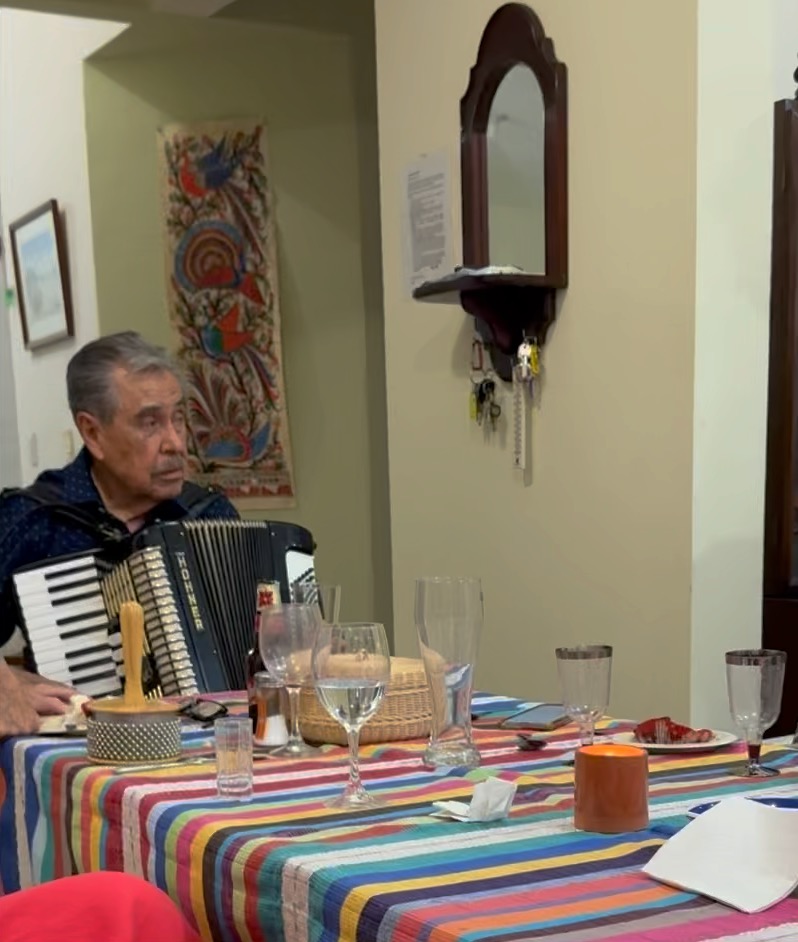
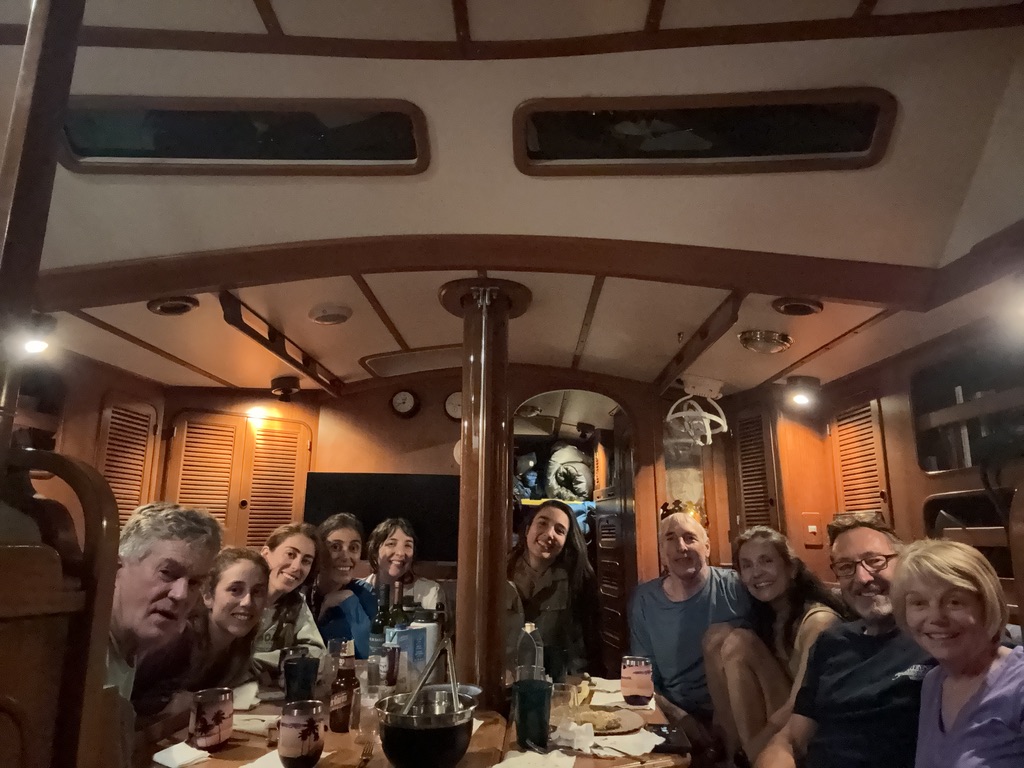
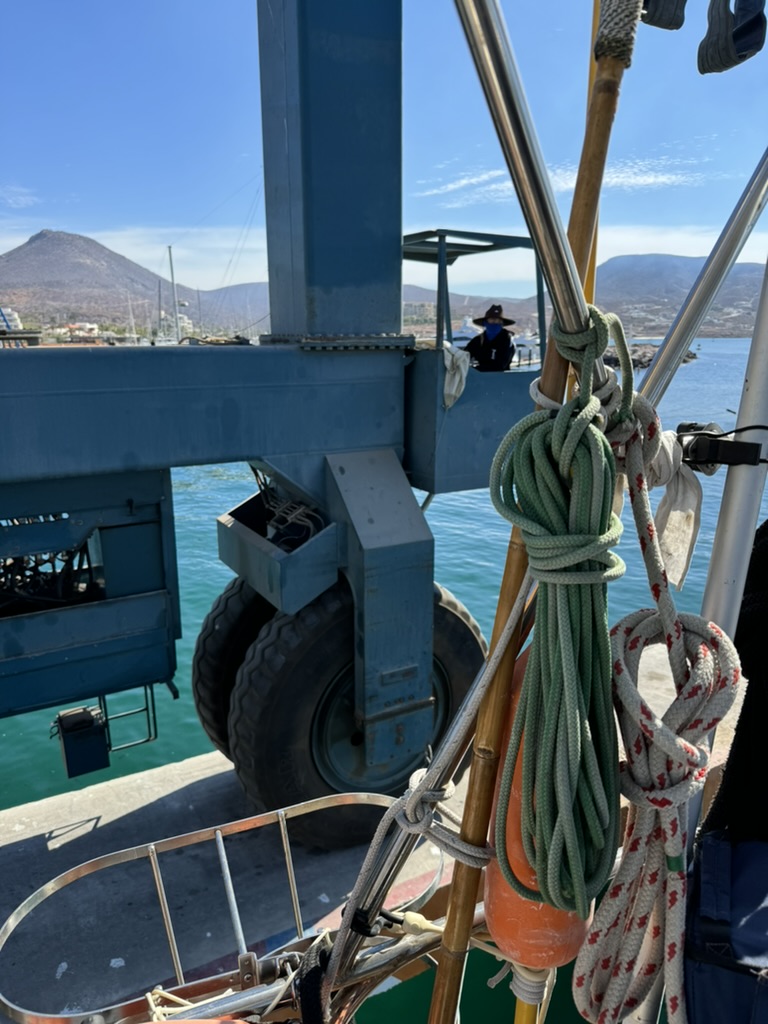

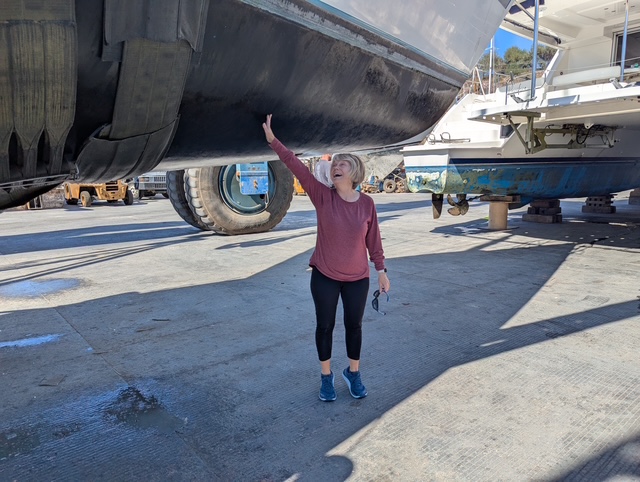
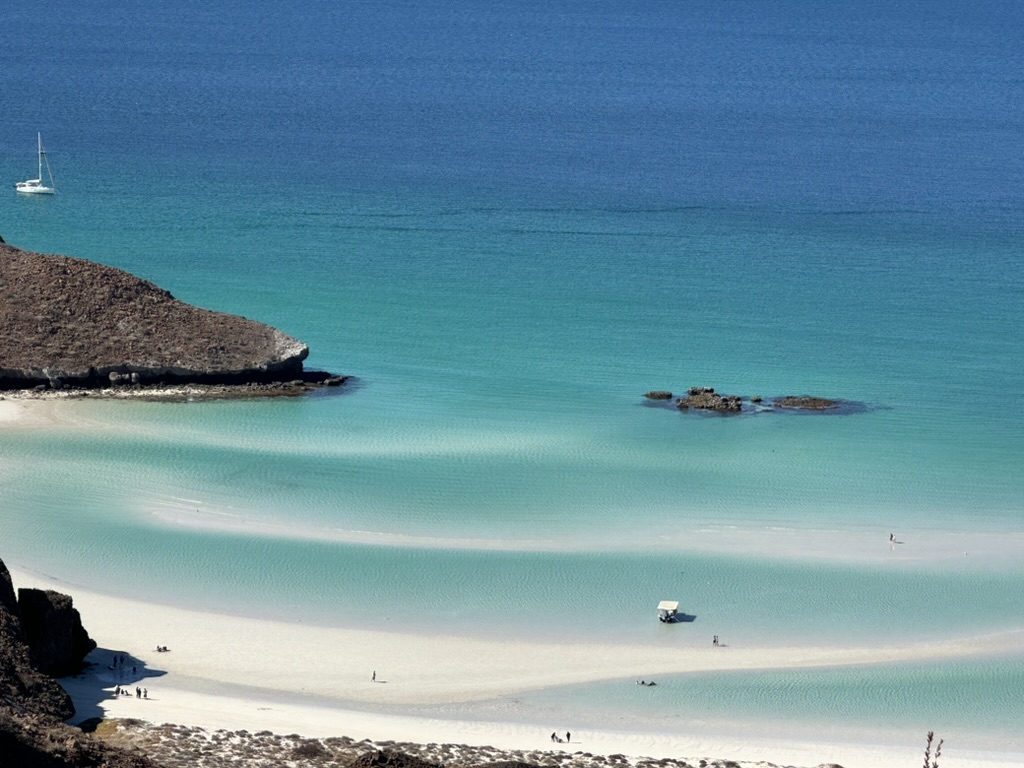
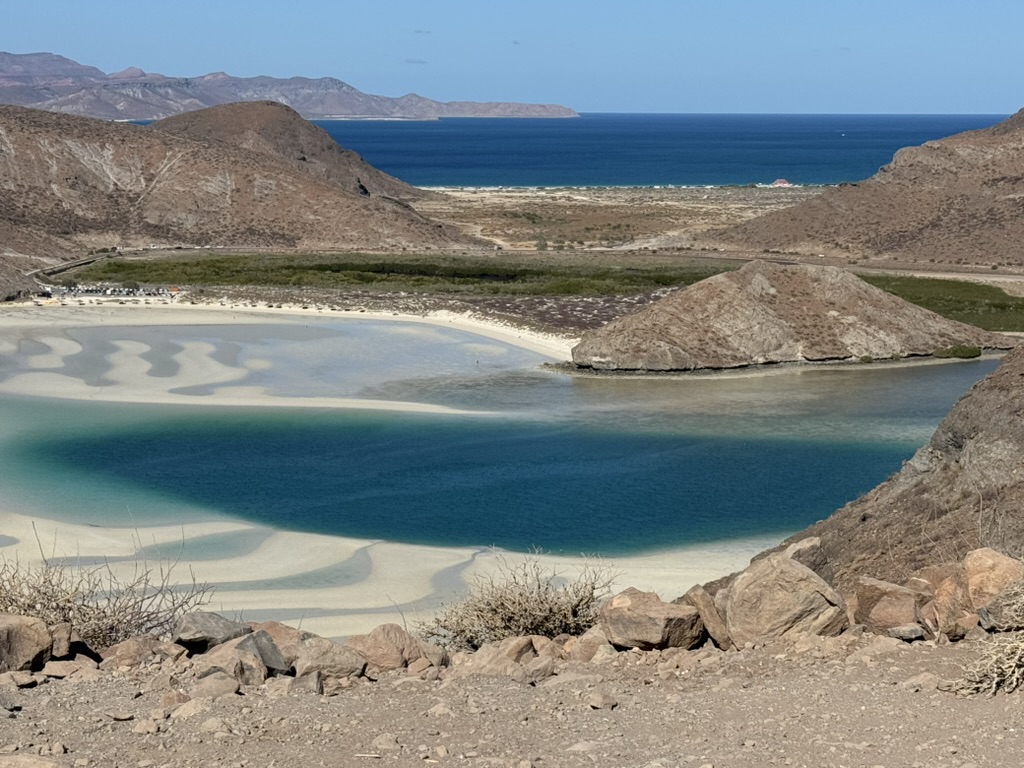
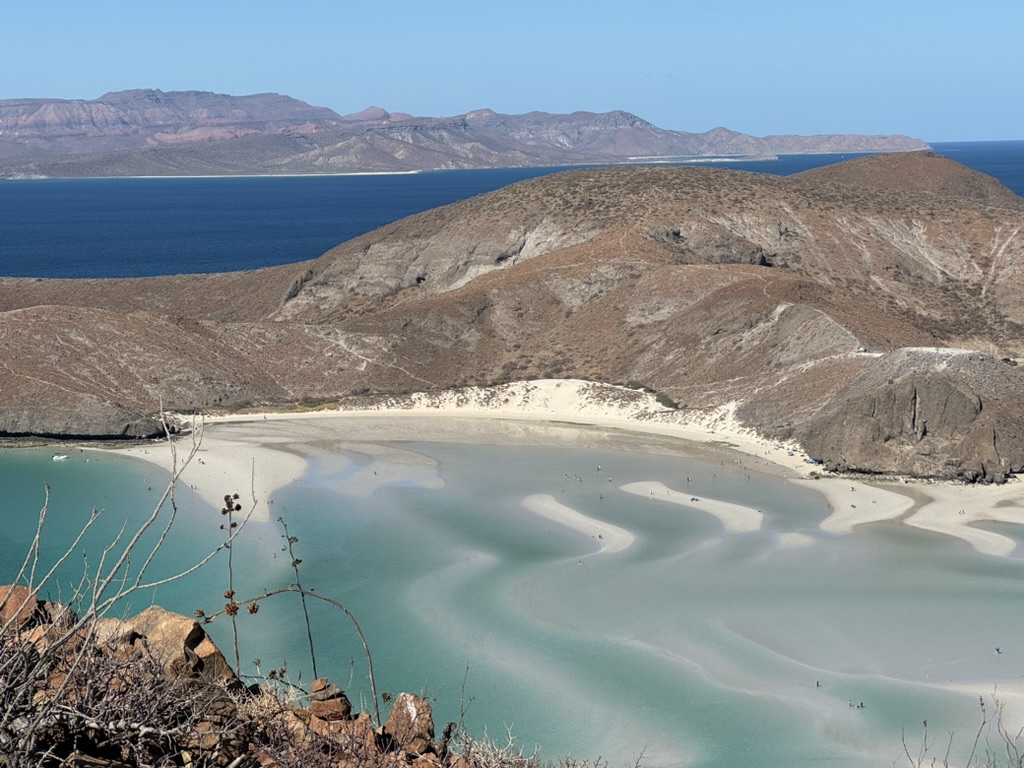
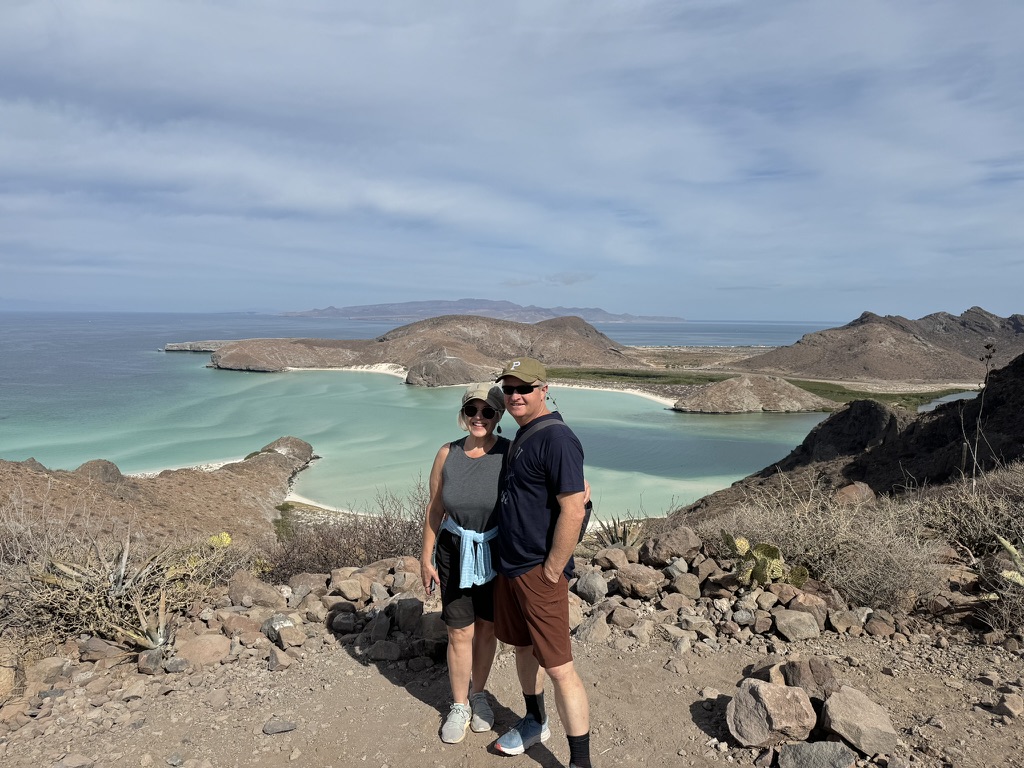
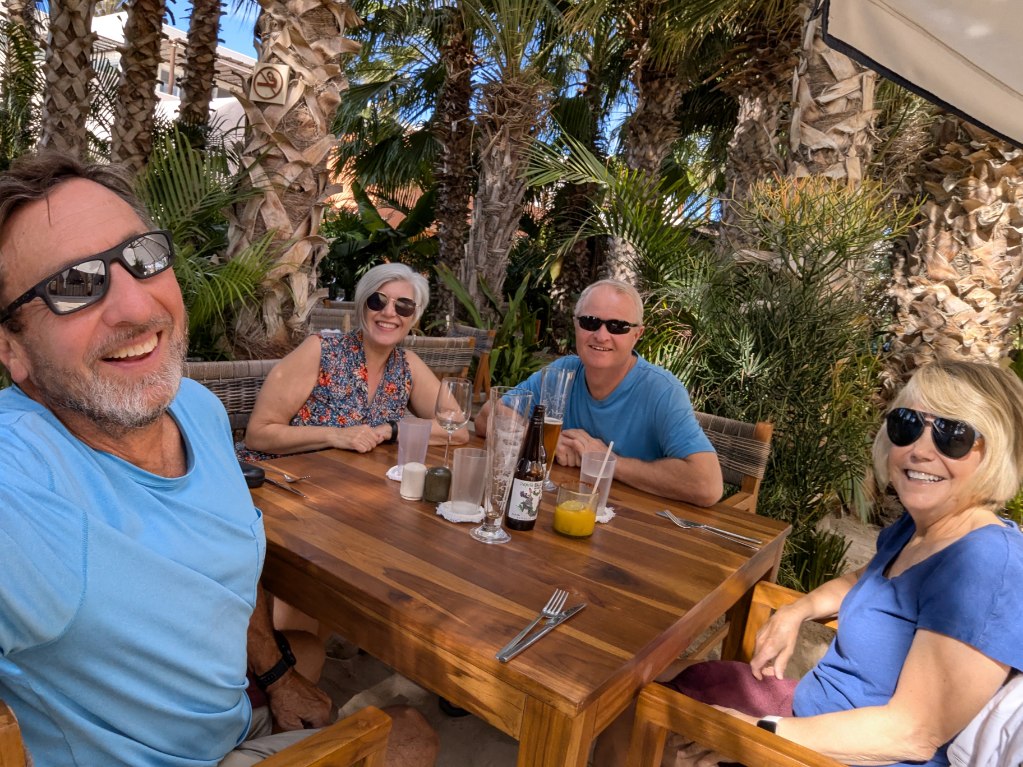
 SV Quid Sea - Sailing with Tracy and Cindy