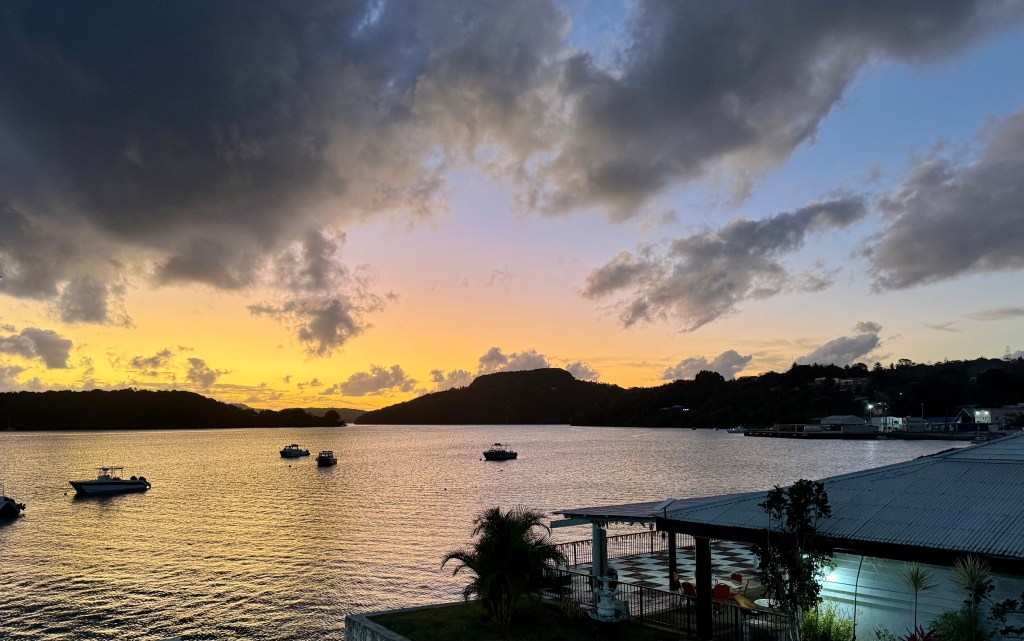
We left the US on September 29th and arrived in Tonga on October 1st. Total travel time was 27 hours and 35 minutes. Included was a 4-hour layover in LA and a 7-hour layover in Fiji. To add further confusion, Tonga is also a day ahead because they are on the other side of the international date line. It was the longest flight I ever experienced, and we were happy to reach our destination. Tracy got to experience the same trip in reverse when he flew back to the US from Tonga. Yikes!
We had a great time at home in the Vancouver/Camas area visiting family and friends. We stayed with my sister and brother-in-law, caught up with lots of friends and enjoyed a few visits with Tracy’s brother and sister-in-law. It was extra special to spend some time with Lucas and his fiancé Annika who will be getting married next July! We are grateful to have so many wonderful people in our lives.
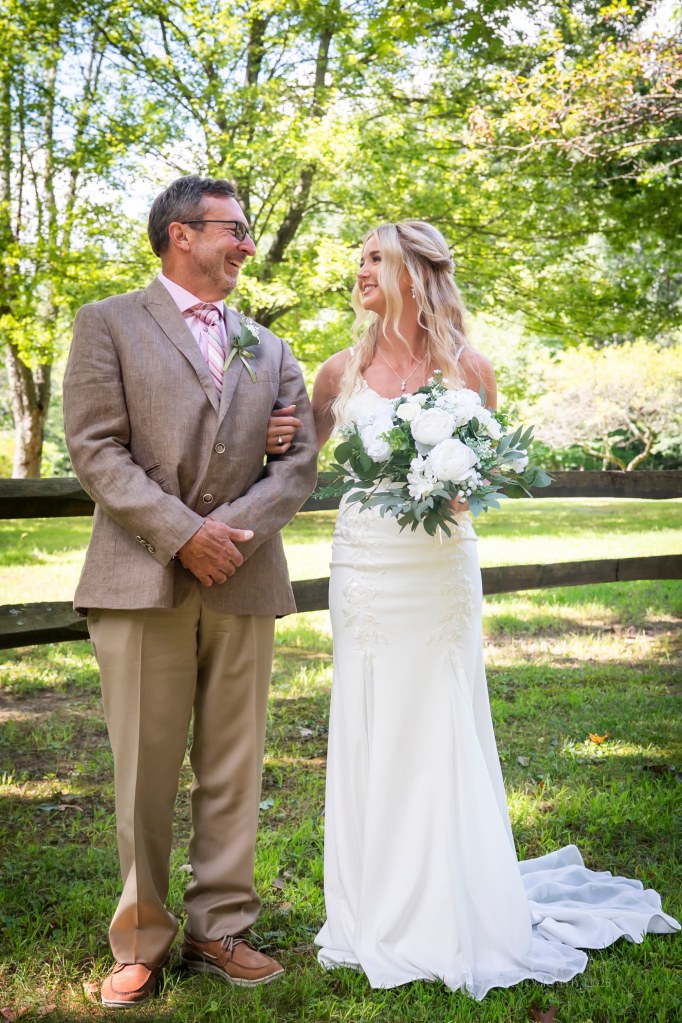
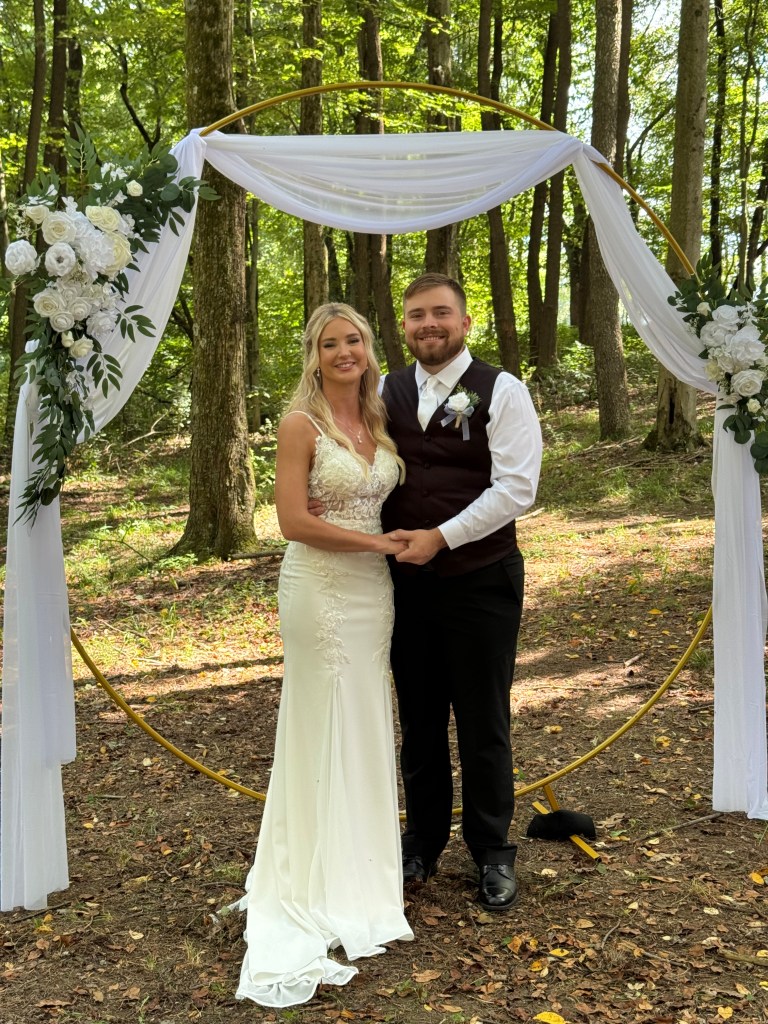
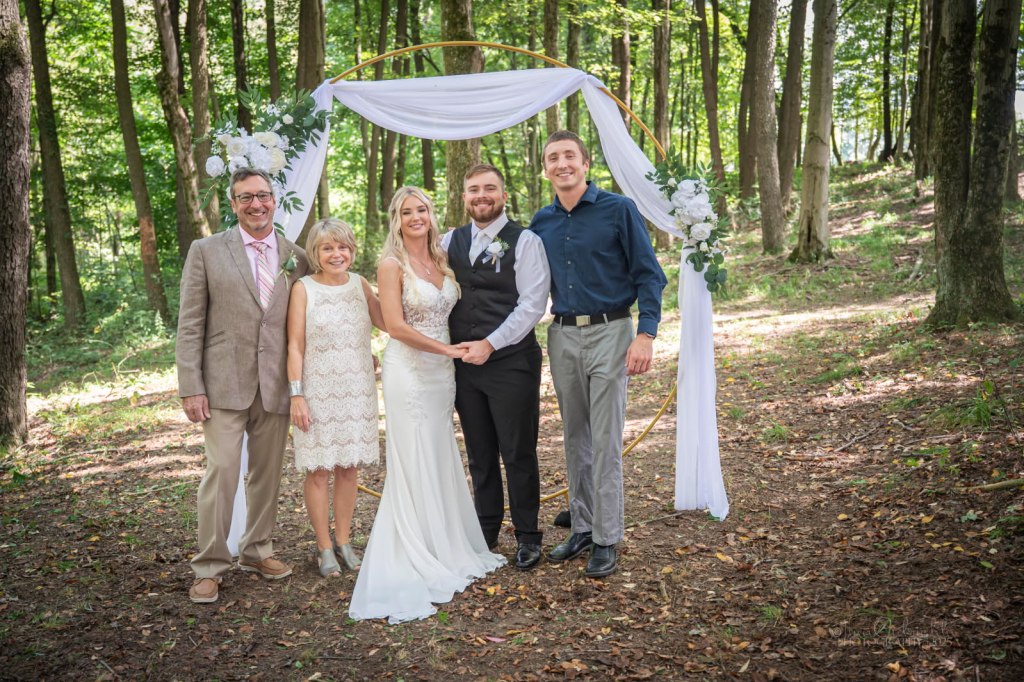
Besides enjoying our hometown, we spent time traveling to Ohio, Houston and Denver. In Ohio we visited Marina and Dakota and we were very happy to be there to celebrate their marriage. It was a beautiful and intimate ceremony with just family and Marina’s brother Lucas officiated. It was great spending time with them, seeing their new home and meeting Dakota’s family. We left them in good hands!

We also traveled to Houston to visit Tracy’s Mom, sister and brother-in-law. It’s been a while since we visited and it’s always so nice to spend time with them. We enjoyed Jason’s cooking, playing games, great conversations and wonderful hospitality. What more could you ask for!
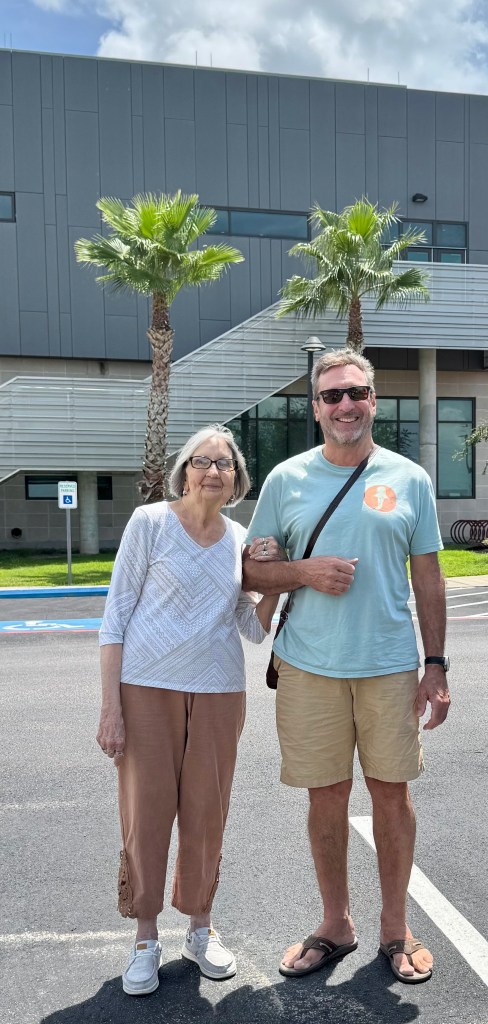
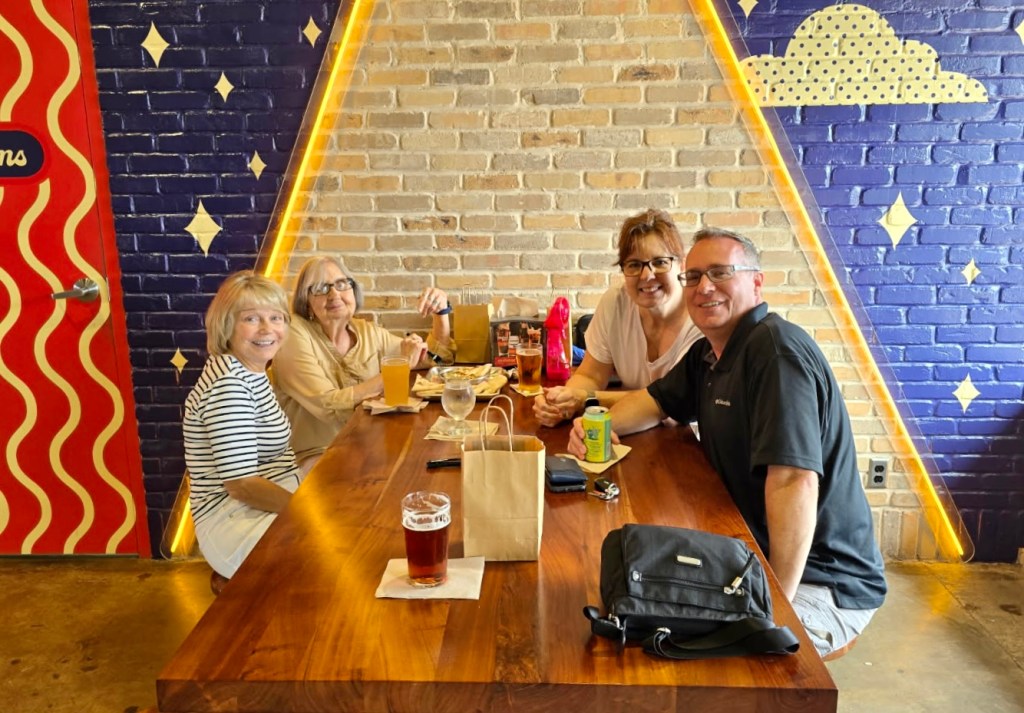
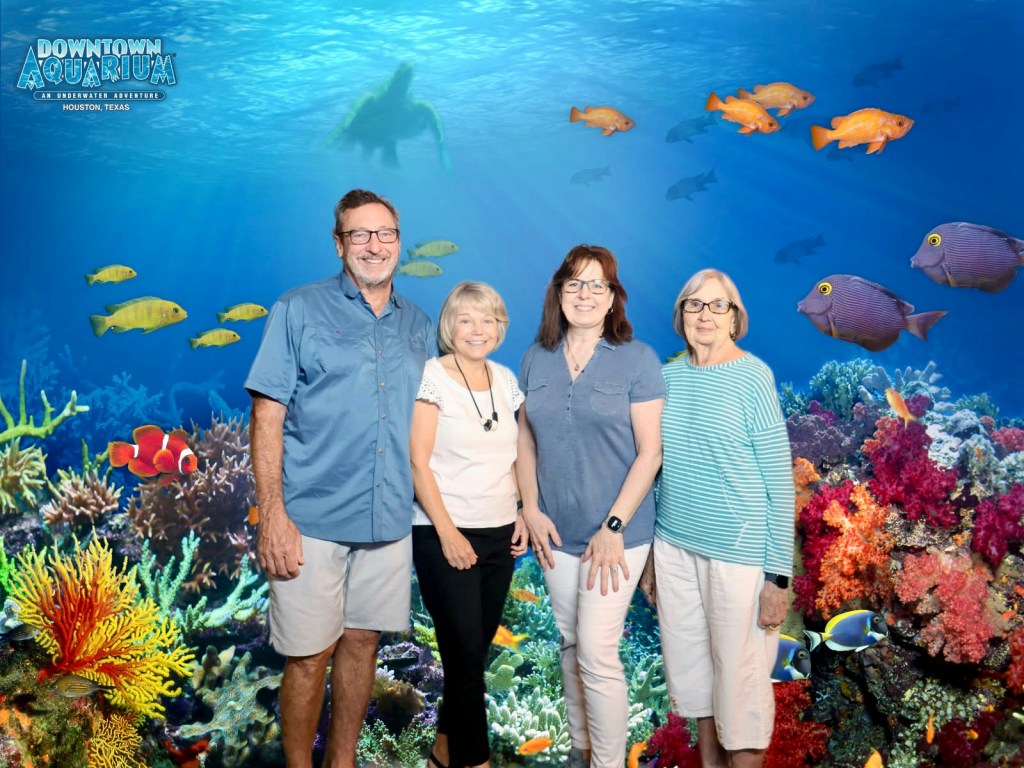
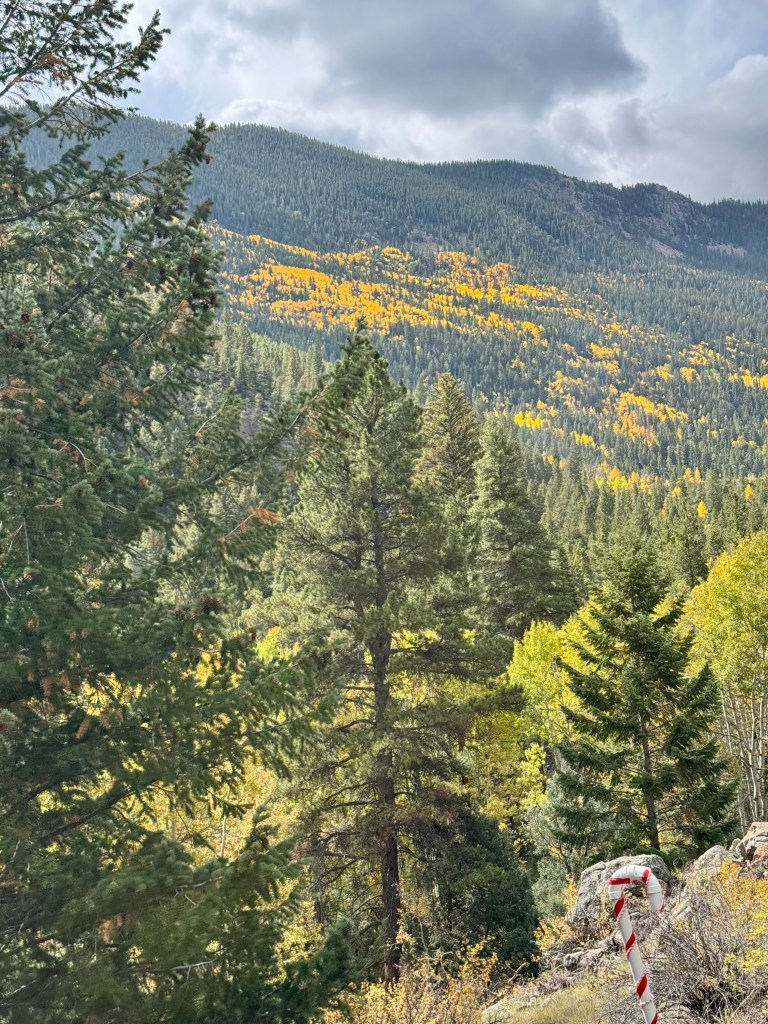
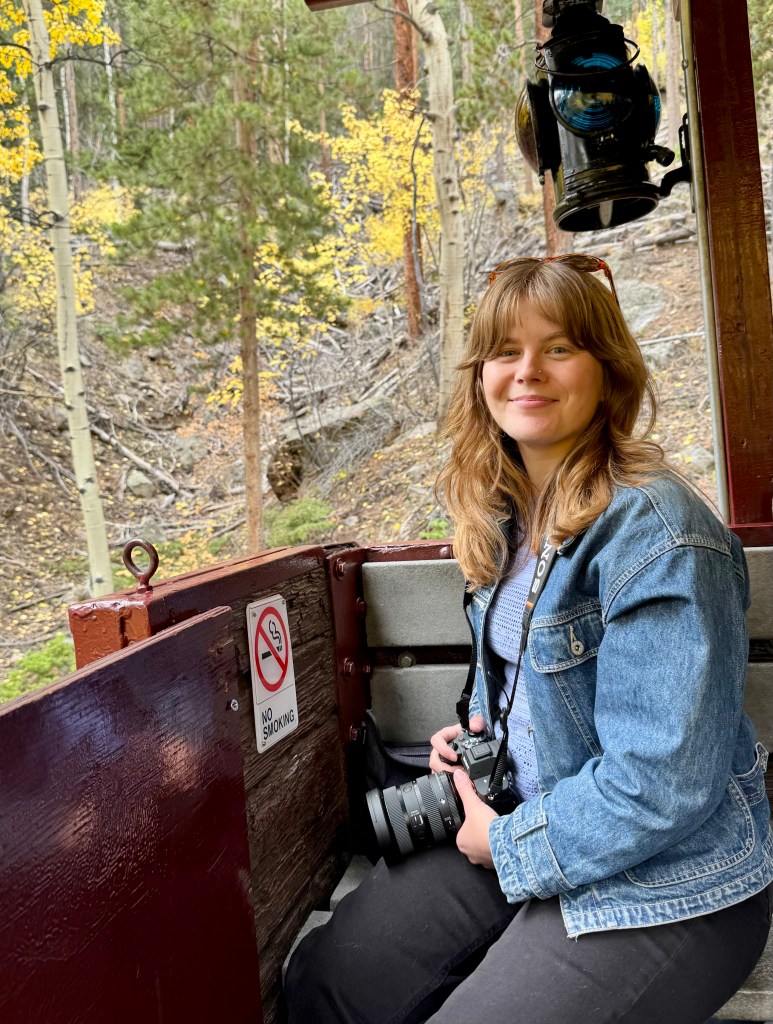
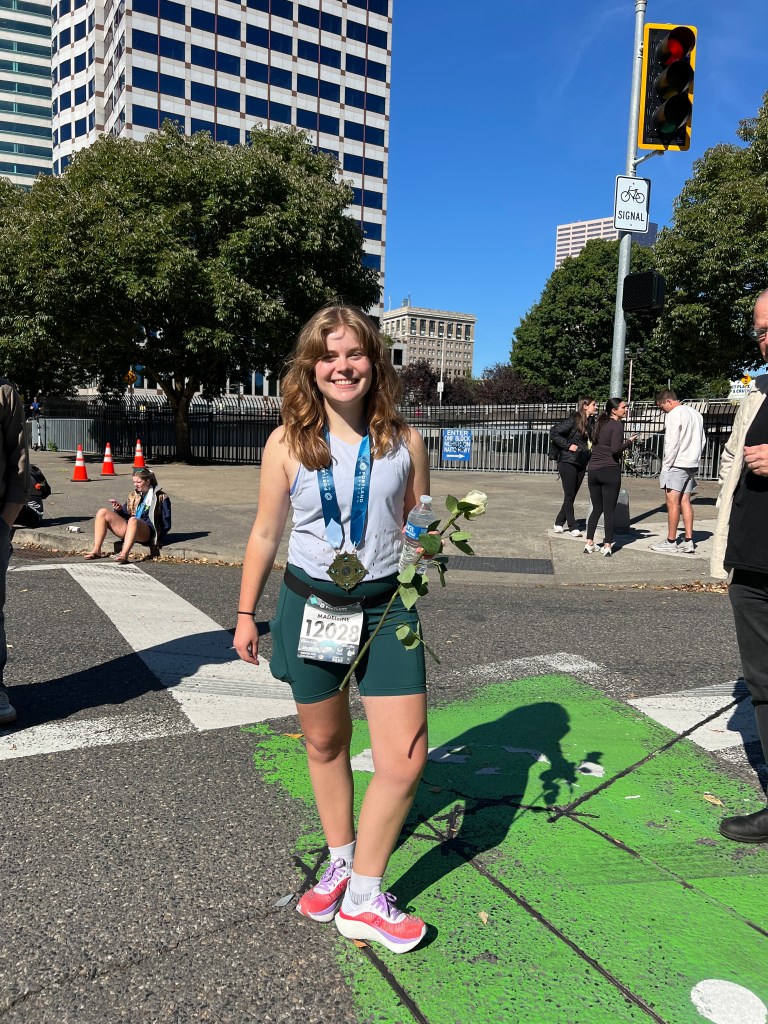
Last, we flew to Denver to see Madeleine, her boyfriend Evan, and their two dogs, Virgil and Frankie! It was a fun packed weekend exploring their neighborhood and doing the Georgetown loop to see the Aspen fall colors.

But now back to Tonga.
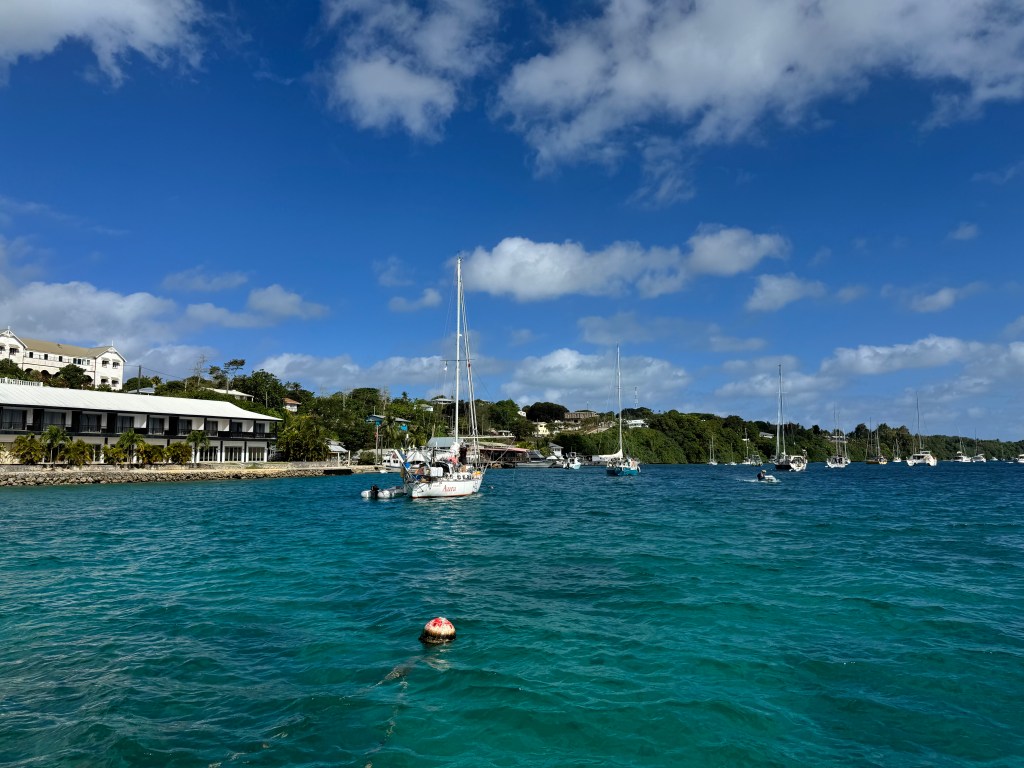
Tonga is the only Pacific Island nation that was never colonized, has a constitutional monarchy, and is nicknamed the “Friendly Islands”. It’s known for its unique wildlife, including migratory humpback whales and flying foxes that belong to the king. Sundays are a day of rest with a ban on most activities, and the Tongan alphabet only has 17 letters.
The island nation of Tonga is a deeply religious country with Christianity being the dominant and integral part of its culture and society. Religion is so central that it influences daily life and is even enshrined in its constitution, which prohibits most forms of work and trade on Sundays
October is the end of the dry season and the beginning of the wet season in Tonga. It is considered a “shoulder season” month, transitioning from the cooler, drier conditions of winter (May–October) to the hotter, more humid, and wetter conditions of summer (November–April). What this meant for us is that it was not as hot and humid but we experienced some rainy days.
We started out on the Island of Vava’u. Vava’u is an island group, consisting of one large island (Vava’u) and 40 smaller ones, in Tonga. It is part of Vava’u District, which includes several other individual islands. According to tradition, the Maui god created both Tongatapu and Vava’u but put a little more effort into the former. Vava’u rises 204 m (669 ft) above sea level at Mount Talau. The capital is Neiafu, situated at the Port of Refuge.
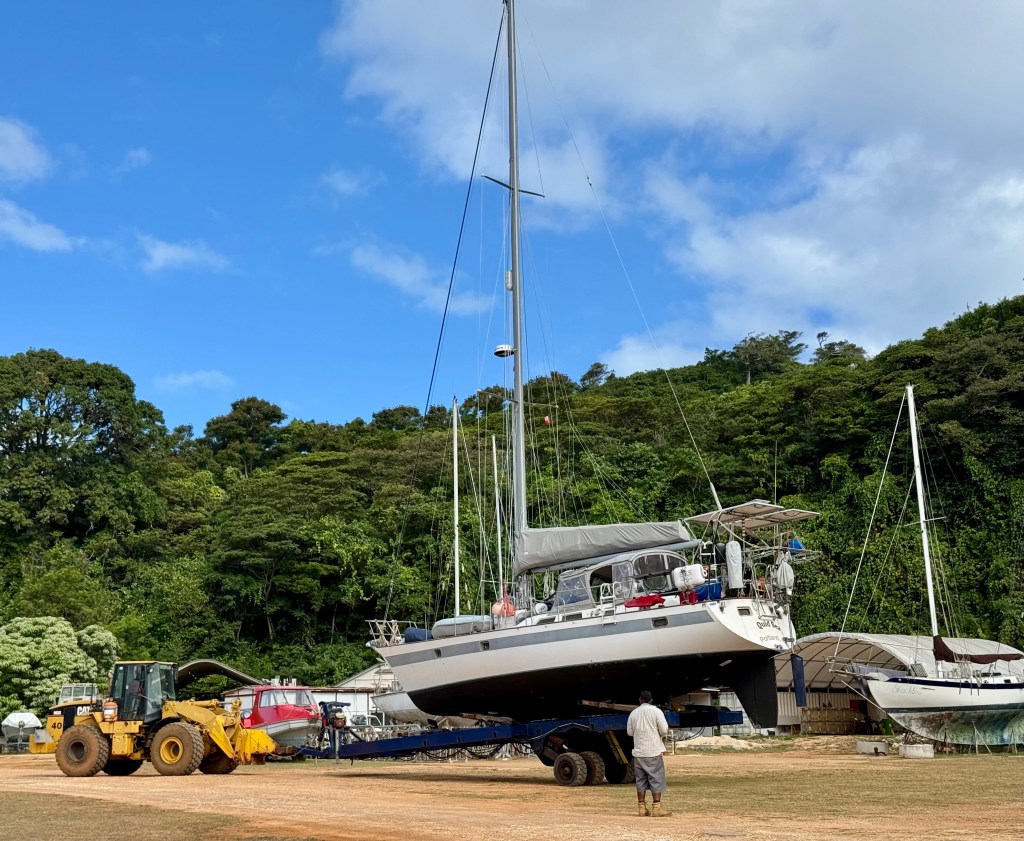
Our first 2 nights were spent in a hotel since the boat was still in the boat yard on the ‘hard’, (on land). On Friday, October 3rd, Quid Sea was going back in the water and so were we. It’s routine for the boat yard to have us start the engine once in the water, before detaching the bindings. We had a bit of scare when the engine wouldn’t start. Tracy tried to get it going without any luck. The owner of the boat yard came on board and also tried the engine without success. They were about to pull us back on shore when Tracy made one more attempt and this time it worked! They quickly detached us and we motored to our next stop in Neiafu where we tied up to a mooring ball.
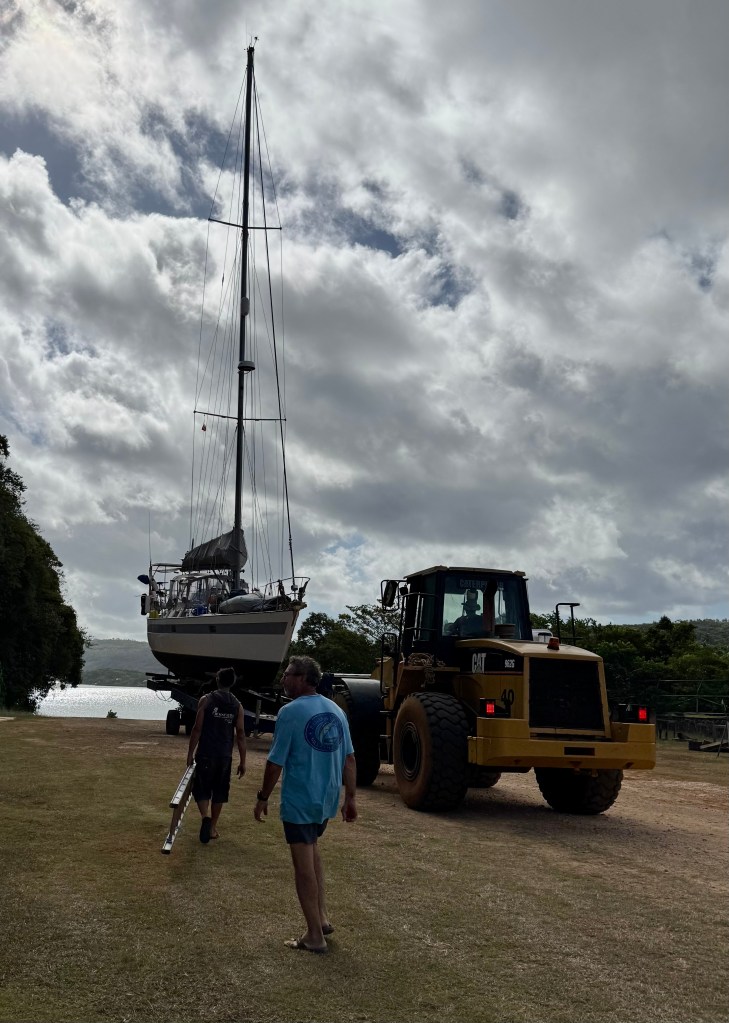
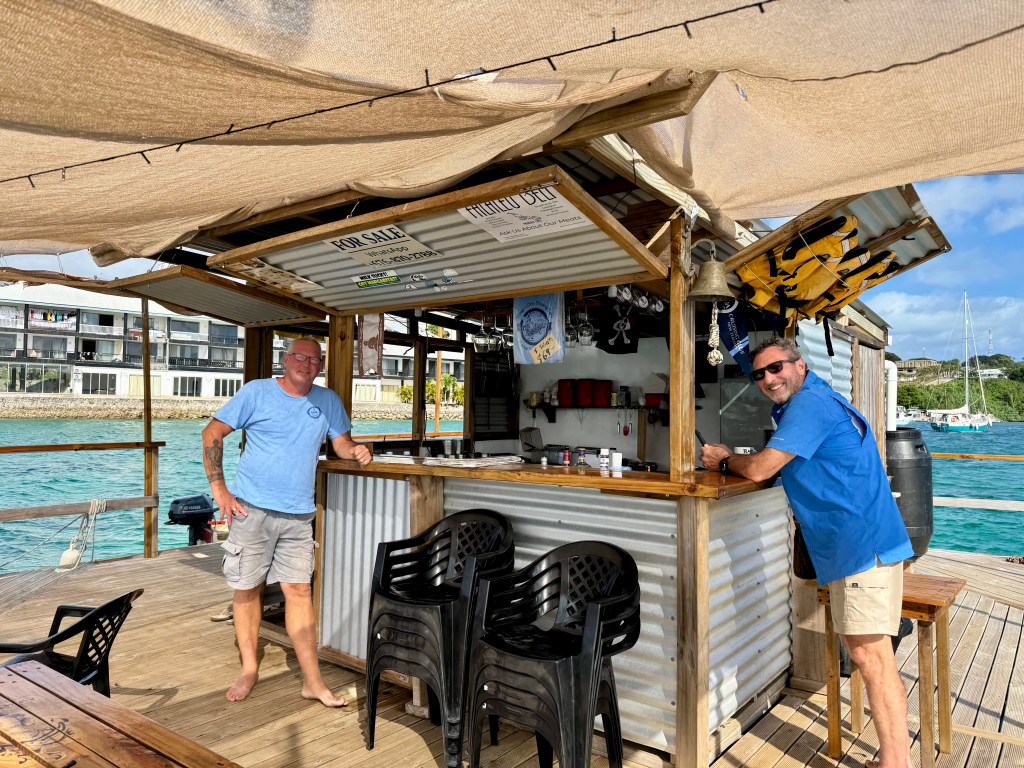
We spent about 10 days in Neiafu and caught up with some cruising friends and shopped for provisions. It’s a great place for boaters because they offer many repair services and they are convenient to get to. Tracy continued to work on the original starter by spraying WD-40 into the starter to help lubricate the drive pinion. It seems to be working fine now. He also took his back up starter to the boat yard for servicing just in case we need it. We’ve been starting the engine every day to ensure we’re not continuing to have issues. Apparently leaving your boat out of the water for a couple of months is not good for the engine and other systems.
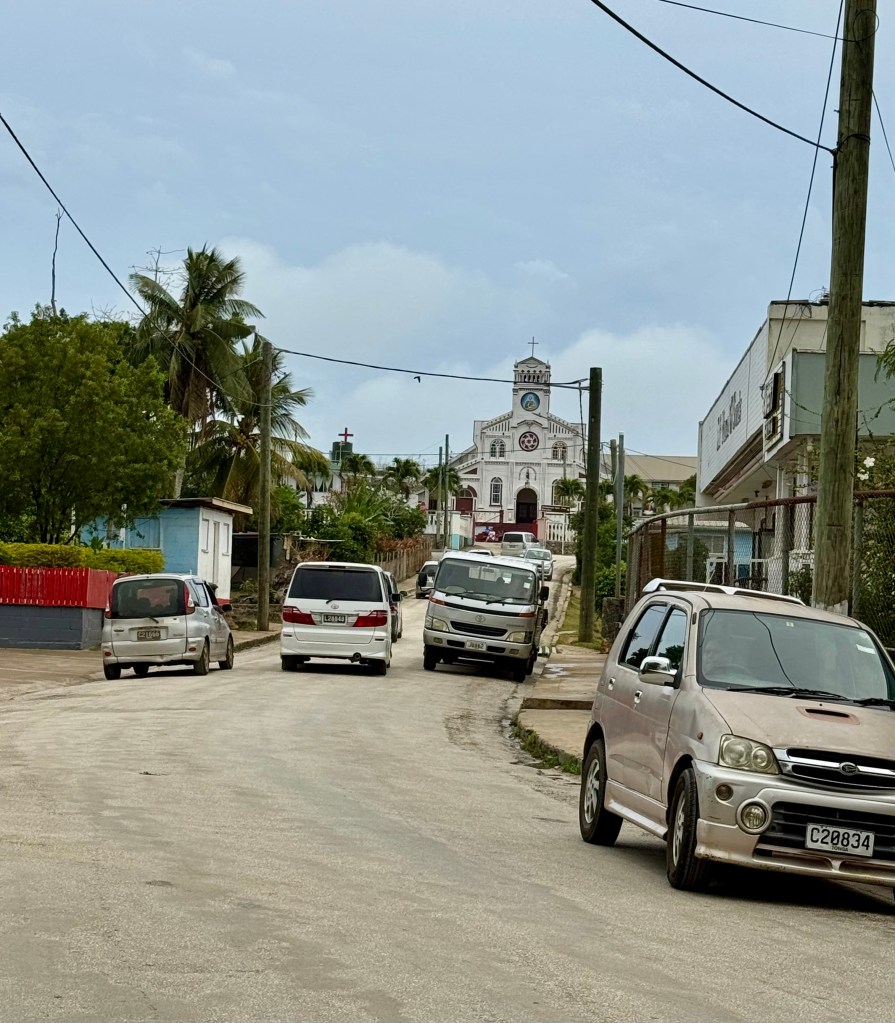
Neiafu is the second-largest town in Tonga with a population of 3,845 in 2021. It is situated beside the Port of Refuge, a deep-water harbor on the south coast of Vava’u. It is the administrative center of the Vavaʻu group and has government offices, banks, schools, a police station and a hospital. It is also an important center for tourism with many yachts anchoring in the Port of Refuge.
The town is now powered by a 300kW solar PV farm with battery backup in the hamlet of Kāmeli.


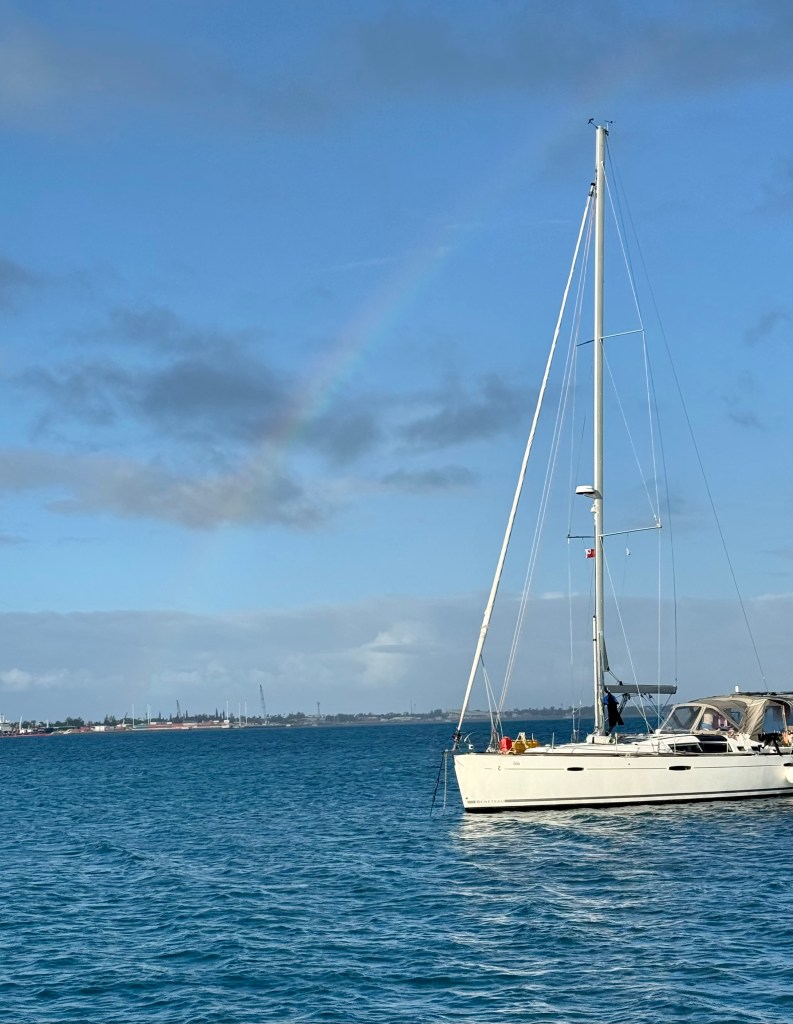
We left Neiafu on Sunday October 12th and headed south to the island of Tongatapu. It was about a 30-hour passage, and the seas were rolling, yawing, and slapping, all at the same time. It was a rough journey early on but got a little better towards the end. On a fun note, as we were leaving the bay of Neiafu we saw a pair of humpback whales breaching. It’s like they came out to say good-bye.
We arrived Monday afternoon and anchored in Fanga’uta Lagoon near the town of Nuku’alofa. We needed to come here to pick up Tracy’s crew for the New Zealand passage, and for me to catch a flight to Auckland. Lots of changes this week!
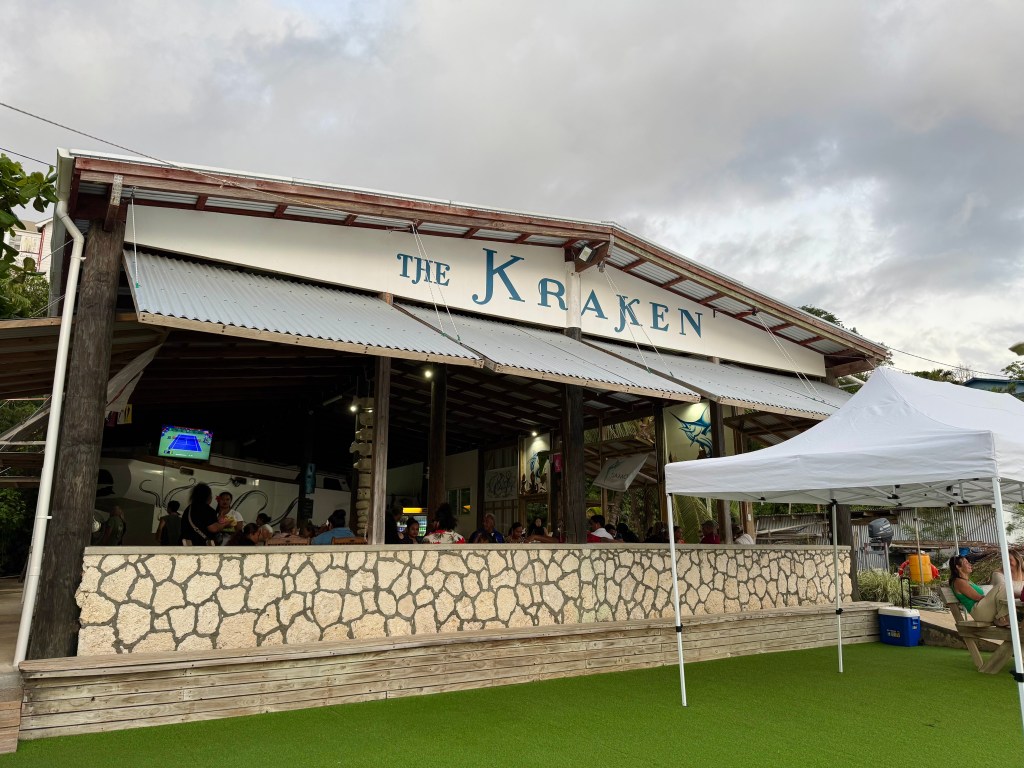
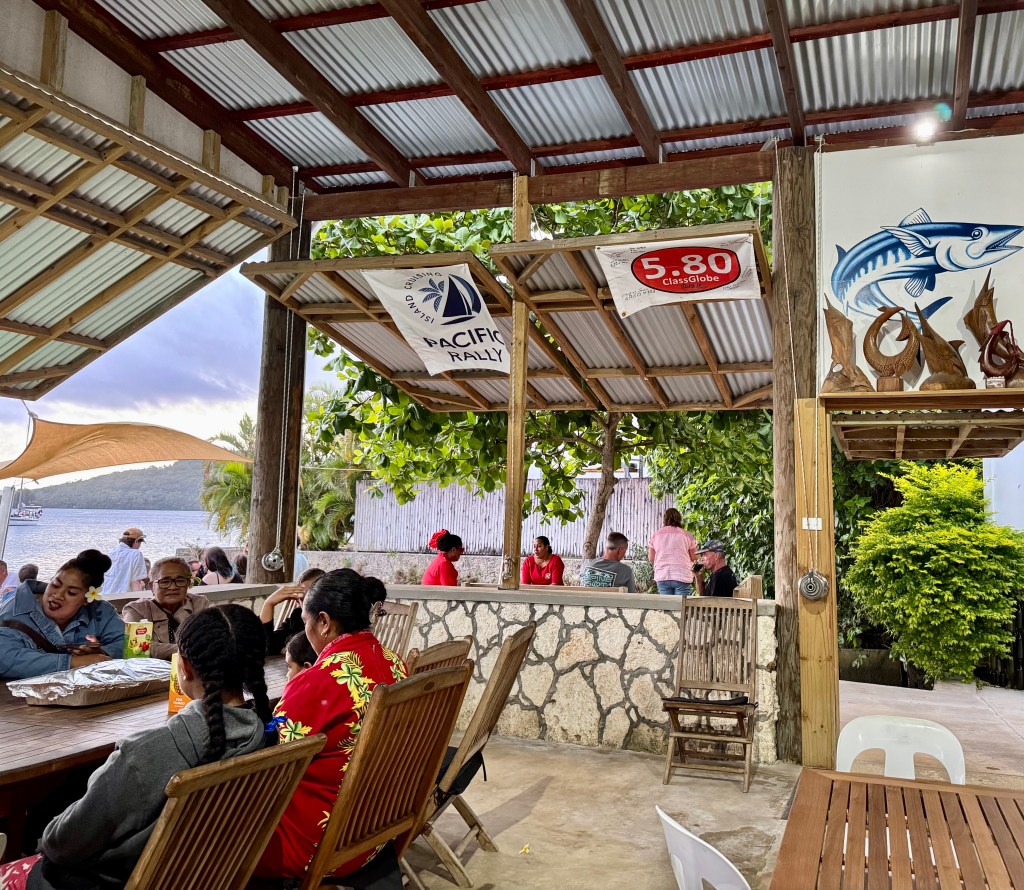
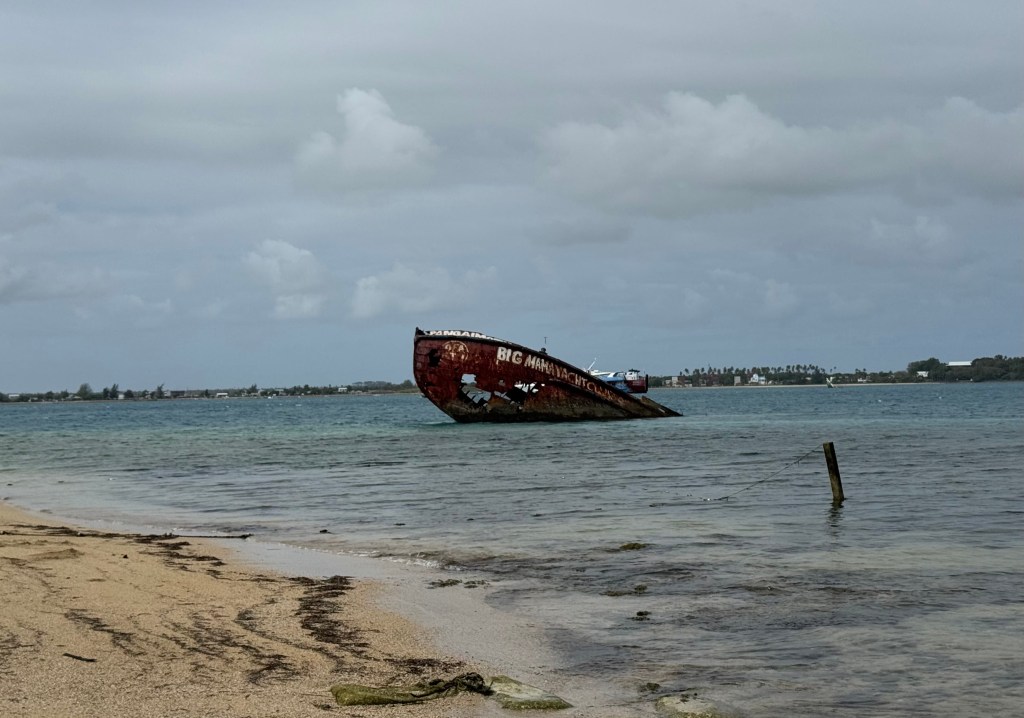
We are anchored in a beautiful bay with several other boats at Pangaimotu Island. It’s a bit isolated but there’s a place called Big Mama Yacht Club on Pangaimotu. Big Mama’s is an iconic stop for cruisers but sadly it was damaged by the tsunami associated with the 2022 Hunga Tonga–Hunga Haʻapai eruption. It has more limited offerings today but is still a cruisers hangout and Big Mama and Earle are great hosts.
Another important service Big Mama’s provides is a water taxi to Nuku’alofa which we used almost daily. It’s about a mile across the bay to Nuku’alofa where customs, grocery stores and restaurants are located. But the waters can be choppy so having the water taxi option is great. It’s a shorter ride and we stay dry as opposed to taking the dinghy.
Our first task was to go to customs and check in. It’s interesting that we must check in and out of inter Islands even though they are all part of Tonga. After being responsible, we found a coffee shop and later went to a place called ‘Friends’ for lunch. We were also able to explore a few stores for provisioning.
After the water taxi ride and coming back to Quid Sea in our dinghy we discovered a snake climbing up the back of the boat. It turned out to be a sea snake which is extremely venomous. They rarely inject their venom when biting, so thankfully venomous bites to humans are rare. Tracy grabbed it and flung into the water but a minute later it was back. We pulled up our boat ladder, and he removed it again, but it kept returning. Next, we turned on the engine hoping the sound and diesel fumes would deter it and sure enough that worked. As an extra precaution, I plugged up all our drains in the 3 sinks to make sure it didn’t try to sneak in from the through hulls.

Nuku’alofa is the capital and largest city of Tonga. It is located on the north coast of the island of Tongatapu, in the country’s southernmost island group. The population of Nukuʻalofa, the capital of Tonga, is around 22,000 to 27,600.
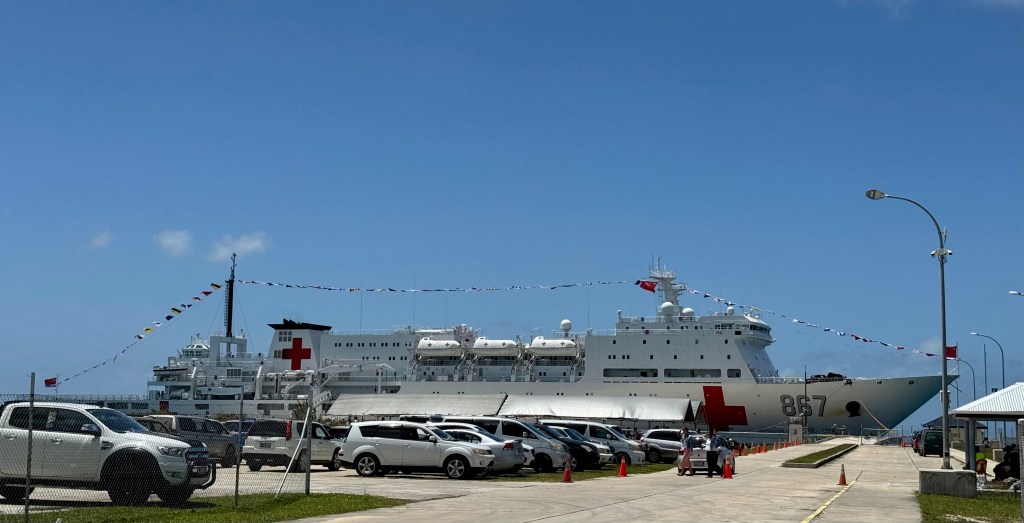
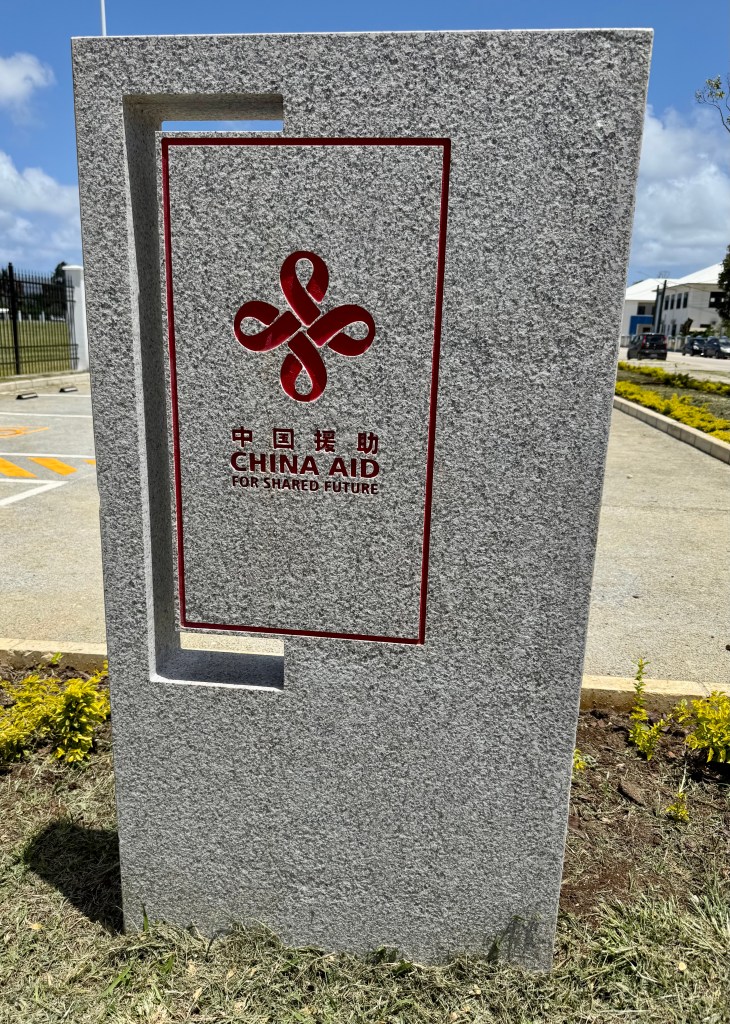
We have seen lots of influence by China and Japan. Most of the grocery markets are owned by Chinese people and there was a Red Cross hospital ship from China in the harbor for a few days. They were offering free medical services to Tongans.
First western records of Nukuʻalofa
On 10 June 1777, British captain James Cook wrote of his arrival at their anchorage place. His description of the place confirmed, with his map, that this was the bay of Nukuʻalofa.
“At length, about two in the afternoon, we arrived at our intended station. It was a very snug place, formed by the shore of Tongataboo on the South East, and two small islands on the East and North East. Here we anchored in ten fathoms water, over a bottom of oozy sand; distant from the shore one-third of a mile [500 m].”
Cook never used the name Nuku’alofa or any alternative spelling for the reports of this voyage, but he mentioned the island of Pangaimotu (where Big Mama Yacht club is located) which was to the east of his anchorage position. Captain Cook also wrote that he traveled by canoes to visit Mu’a where Paulaho and other great men lived. The house that Paulaho provided was on the beach 500 metres (1⁄3 mi) from the ship. Reference to his map shows that he must have landed and stayed in the Siesia area, the eastern part of modern Nukuʻalofa. Cook also drafted the first map of the bay of Nukuʻalofa.
We enjoyed Tonga but didn’t really get enough time here to explore all the Islands. We’re thinking we may come back next May on our way to Fiji.
Our next stop is New Zealand. I will be spending about a week in Auckland and then meet up with Tracy and crew in Bay of Islands. Yay!
 SV Quid Sea - Sailing with Tracy and Cindy